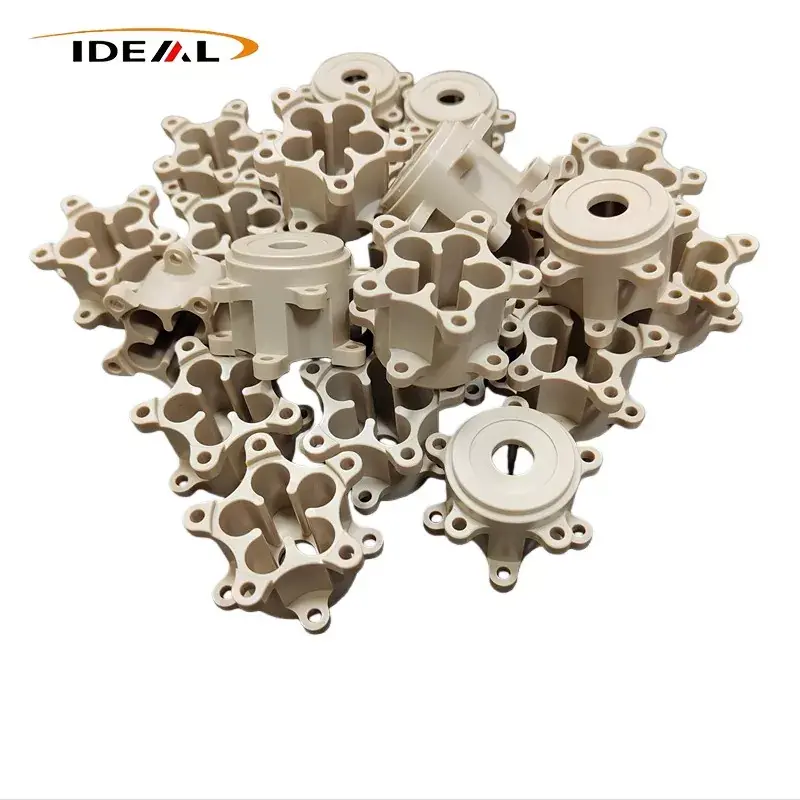
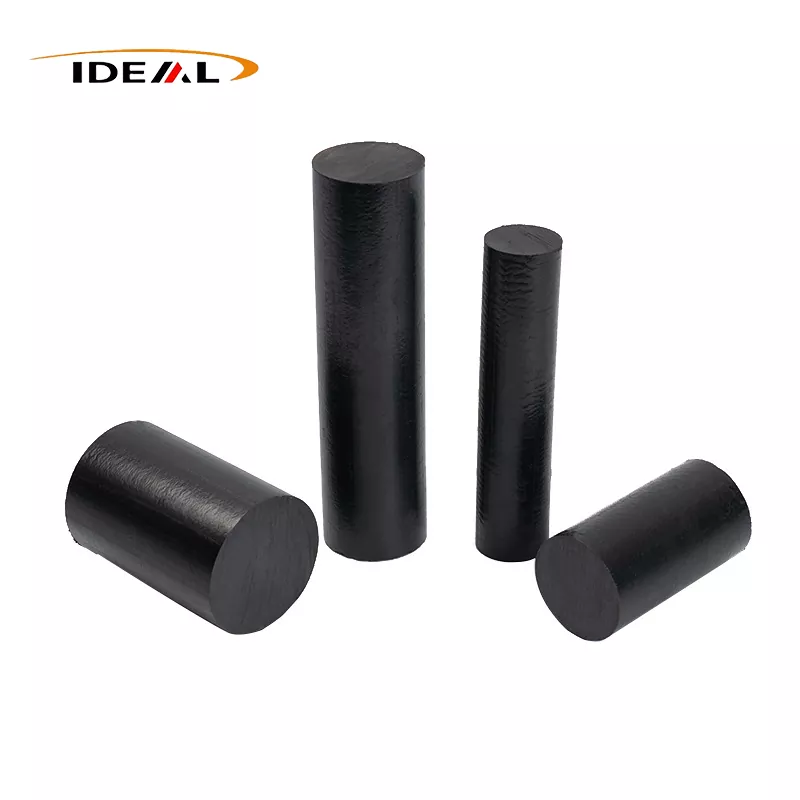
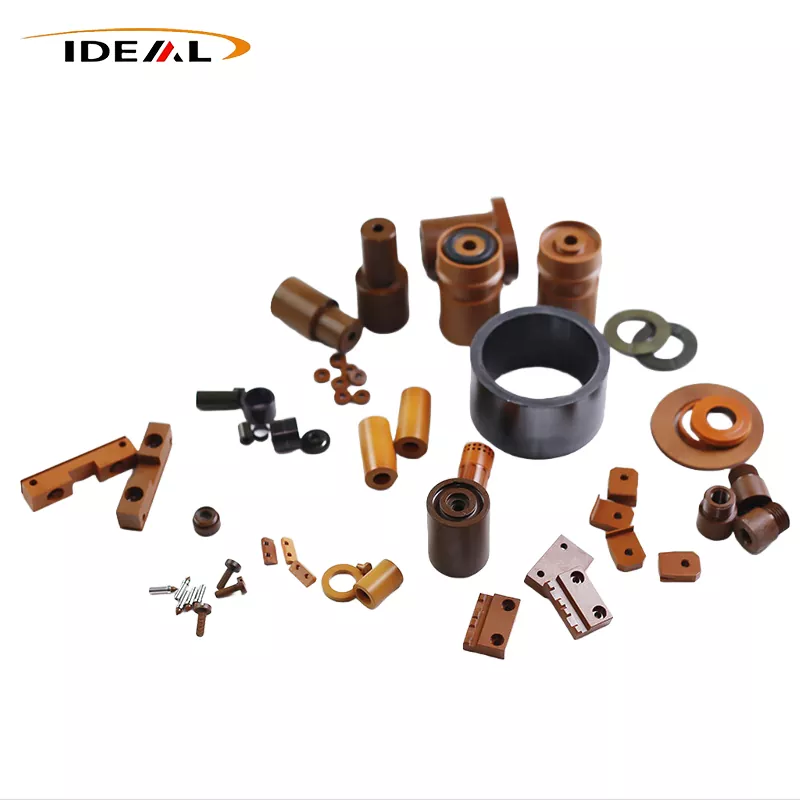
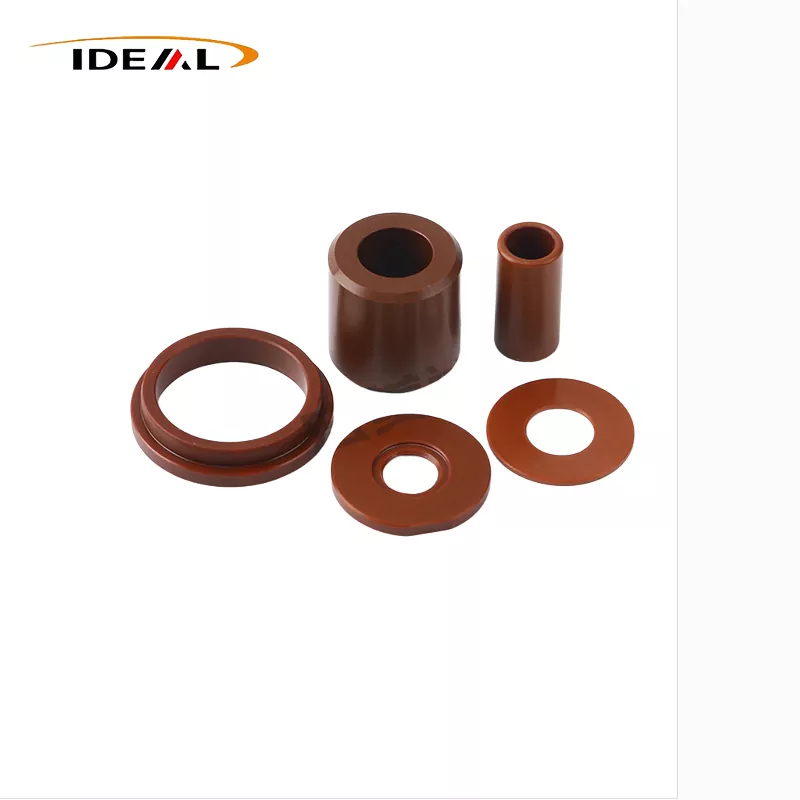
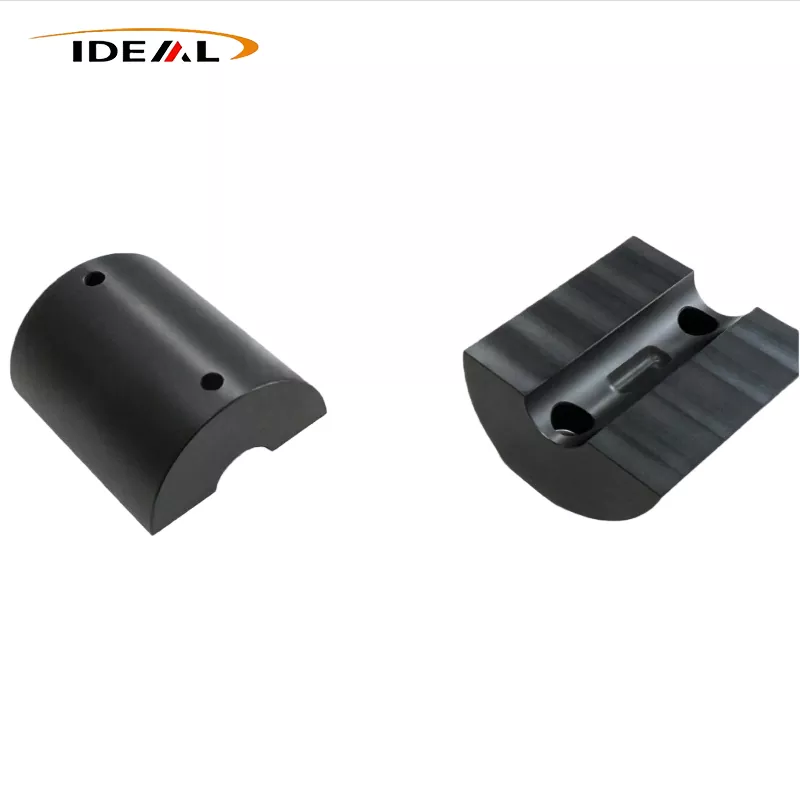
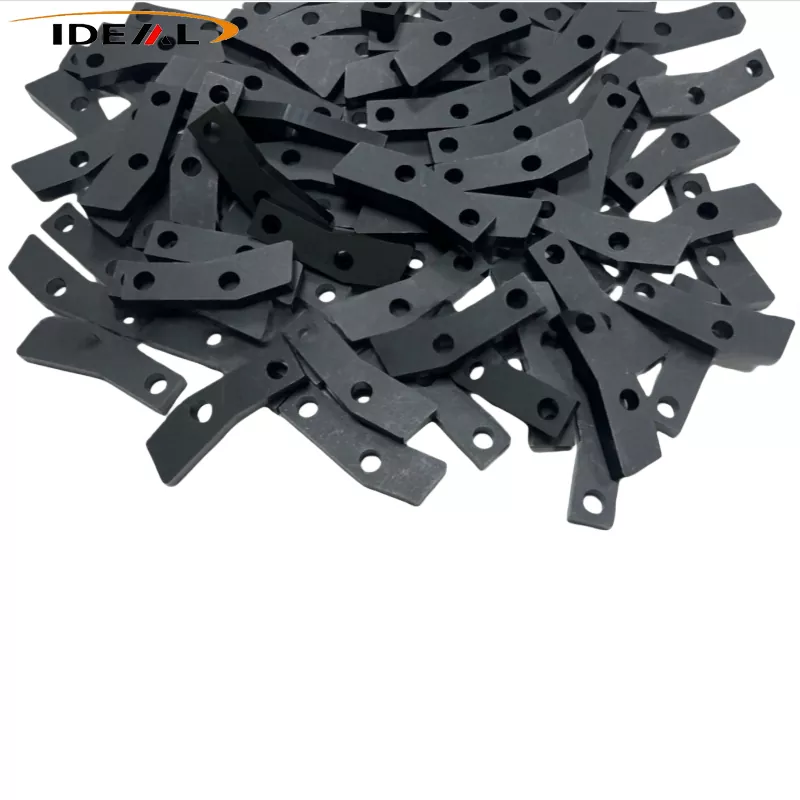
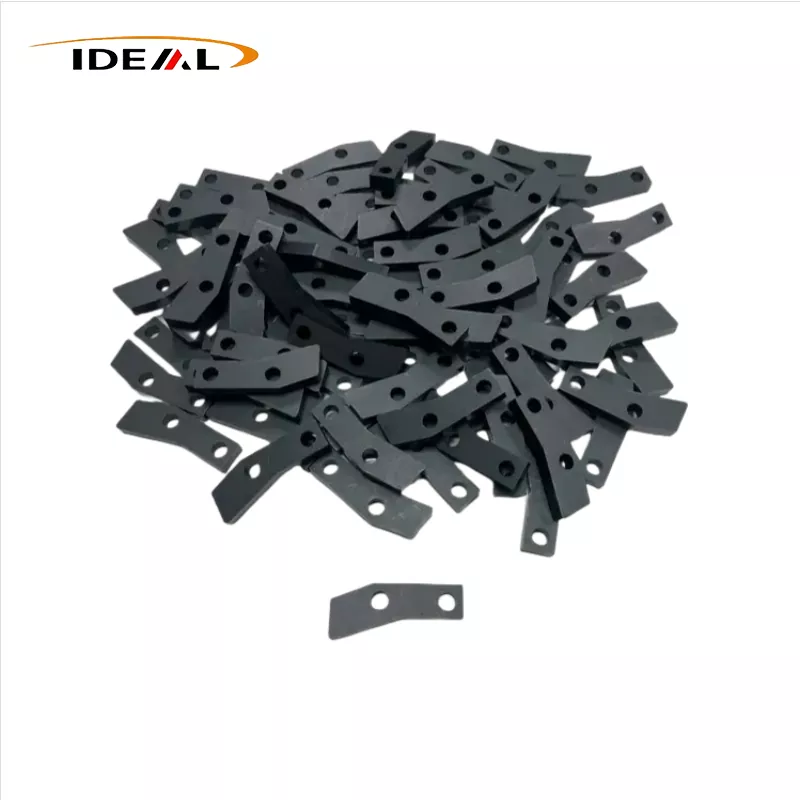
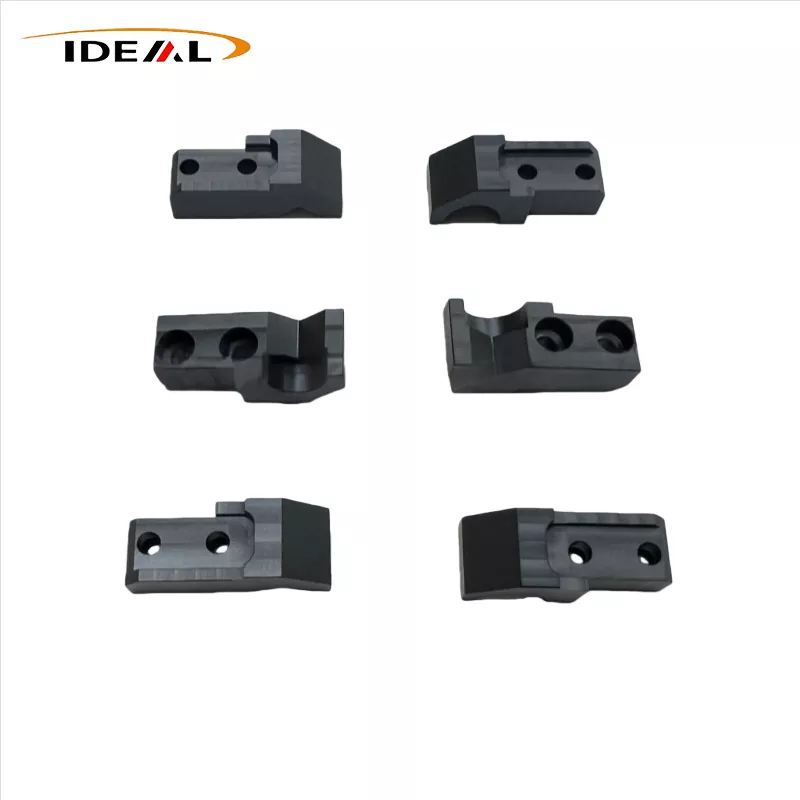
Buy high-precision Vespel PI CNC parts from Ideal Plastic, China's specialized specialty engineering plastics developer and manufacturer. Utilizing standard Vespel SP-1, SP-21, SP-22, SP-3, and SP-211 polyimide profiles, we deliver custom-machined industrial components engineered for extreme thermal environments. By matching hot-press molding blanks with precision multi-axis CNC finishing, we minimize expensive material waste while ensuring a certified ±0.02mm tolerance for mission-critical applications.
As an certified factory, Ideal Plastic offers professional, one-stop processing of custom Vespel PI CNC parts from raw material production to finished component delivery. Our facility is equipped with an in-house profile extrusion line and a Class 100,000 dust-free injection molding workshop, alongside high-precision CNC turning, milling, grinding, and 5-axis machining centers. This integrated capability guarantees absolute batch purity, eliminating intermediate logistics costs and ensuring full compliance with REACH, RoHS, and EN71 environmental standards.
Industrial components in aerospace and semiconductor manufacturing face catastrophic degradation when exposed to severe temperature transitions. While standard engineering polymers embrittle or melt under thermal stress, our processed Vespel PI CNC parts maintain structural stability across a temperature spectrum spanning from -269°C up to +400°C.
• Continuous Thermal Threshold: Demonstrates reliable long-term performance under continuous exposure to temperatures between -240°C and +260°C, and remains stable between -200°C and +300°C for extended periods.
• Transient Heat Resistance: Withstands short-term, instantaneous heat spikes reaching up to +400°C without experiencing molecular depolymerization.
• Cryogenic Toughness: Retains structural flexibility and impact resistance even when directly submerged in liquid helium at -269°C.
• Structural Reinforcement: When reinforced with high-modulus carbon fiber, the tensile strength of the material exceeds 200 MPa (a 120% increase over unfilled polyimide grades), with a flexural (bending) modulus of 9.8 GPa.
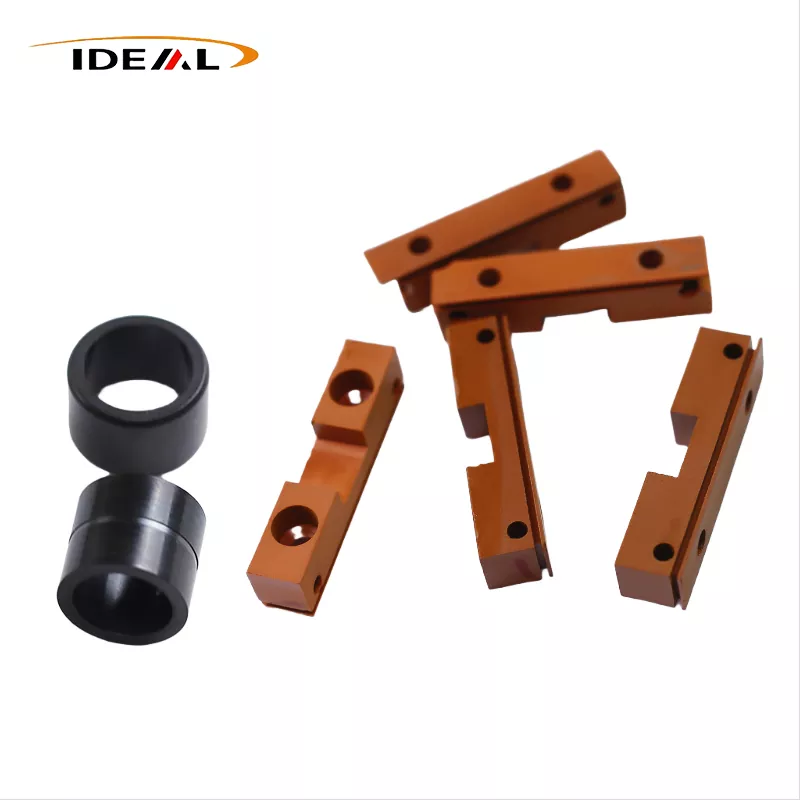
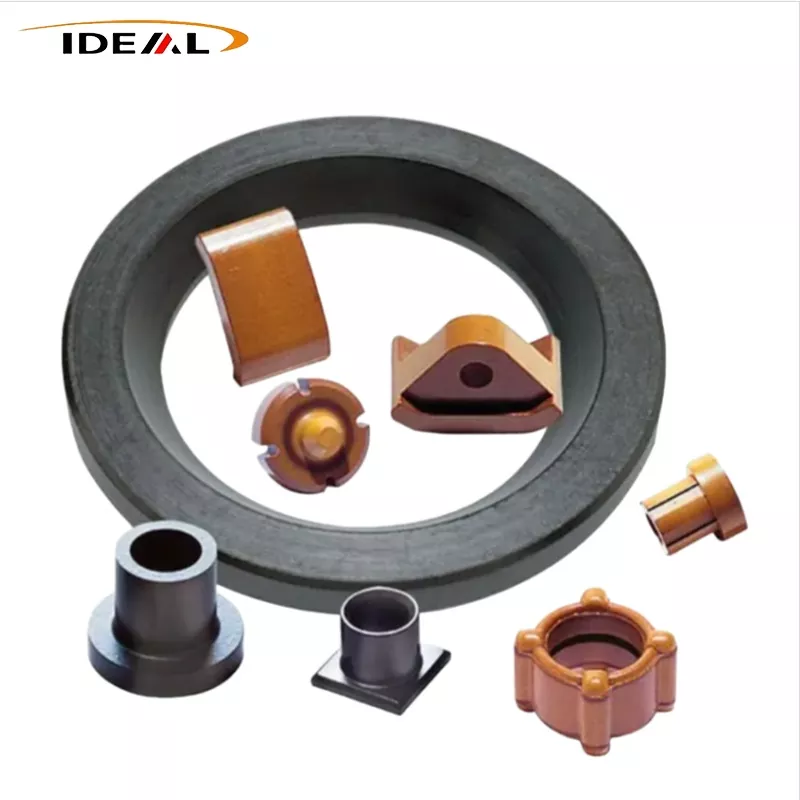
| Product name | Vespel PI CNC parts |
| Material | Vespel-SP series |
| Color | Brown, Black |
| Processing Type | Hot pressing + CNC machining |
| Size | custom |
| Tolerance | ±0.02mm |
| sample | Negotiation |
| Minimum order quantity | 1 piece |
| Certificates | ISO9001:2008, REACH, ROHS |
In high-frequency electronic manufacturing and LCD detector fixtures, material micro-breakdown and static charge accumulation can ruin expensive wafer runs or sensor arrays. Our polyimide components prevent these failures through their inherent molecular structure.
The Molecular Isolation Mechanism: The core of Vespel SP-1 polyimide consists of continuous imide-based repeating units in a rigid, closed-ring conformation. This structure ensures that electron clouds are distributed evenly across the polymer backbone. Combined with high-density internal hydrogen bonding networks and π-π molecular stacking, the material securely locks free electrons in place.
The result is a highly stable volume resistivity exceeding 10¹⁶ Ω·cm, preventing electrical leakage, dielectric breakdown, or static discharge even under combined high-voltage and high-temperature operating conditions.
Because raw polyimide is a thermosetting polymer, it does not melt or flow after its initial thermal cure. This rigid, highly cross-linked structure makes direct mechanical machining highly challenging. Conventional dry-cutting often leads to edge chipping, micro-cracking, burrs, and rapid tool wear.
To resolve these machining difficulties, Ideal Plastic utilizes a two-step manufacturing technique:
1.Near-Net-Shape Hot Pressing: We build custom molds to shape raw polyimide powder into optimized blanks, drastically reducing material waste of expensive Vespel PI CNC Parts resins.
2.Multi-Axis CNC & Laser Compound Finishing: We finish-machine the molded blanks using specialized CNC engraving, milling, and precision laser cutting. The auxiliary laser cutting process delivers clean, smooth edges with a minimal heat-affected zone (HAZ), preventing micro-fractures and maintaining consistent dimensional stability within ±0.02mm.
In semiconductor vacuum chambers and food manufacturing machinery, traditional grease or oil lubricants cannot be used due to outgassing and product contamination risks. Under these dry-running conditions, component wear must be controlled purely through material properties.
• Low Friction Interface: These parts exhibit a static friction coefficient between 0.1 and 0.3, and a dynamic friction coefficient between 0.08 and 0.25.
• High-Load Resistance: While PTFE (Teflon) offers similar friction metrics, it suffers from severe deformation (creep or "cold flow") under load.
• Load-Bearing Stability: Our machined components provide a low-friction surface without sacrificing load-bearing capacity, holding precise geometry across the entire operating range from -269°C to +400°C under constant cyclic loads.
Nuclear applications, medical diagnostic devices, and aerospace flight decks subject polymer parts to intense ionizing radiation, which usually causes rapid polymer chain scission and material embrittlement.
The aromatic heterocyclic ring system of the Vespel PI CNC Parts acts as a highly effective "electron trap." The conjugated molecular rings and steric hindrance effect safely absorb and dissipate energy from gamma rays, neutron radiation, electron beams, and UV light. Empirical testing demonstrates that even after prolonged exposure to high-dose radiation environments, the degradation of the material's physical and mechanical properties is restricted to less than 10%.
For critical transit, aerospace, and medical equipment, flame retardancy and chemical exposure resistance are key safety considerations.
• Inherent Flame Retardancy: The material achieves an inherent UL94 V-0 flammability rating—the highest achievable classification—without the addition of halogenated or toxic flame-retardant additives. Under flame exposure, it generates negligible smoke and zero toxic fumes.
• Chemical Inertness: Its highly stable imide ring structures resist corrosion from most industrial acids, organic solvents, and chemical reagents.
• Low Water Absorption: With a water absorption rate of less than 1%, it retains dimensional stability in humid environments.
Note: Because polyimide has general hydrolysis resistance, it is not recommended for long-term continuous use in alkaline, highly humid, or steam environments.
Due to their combination of thermal endurance, structural strength, high purity, and low wear, these machined components are widely applied in demanding industrial assemblies:
Aircraft engine structural components, compressor wear rings, fuel system parts, and high-load bushing accessories.
Vacuum chamber clamp rings, IC/chip process fixtures, PCB testing racks, SMT assembly parts, needle testing blocks, and cleaning fixtures.
LCD industrial equipment parts, detector fixtures, and optical positioning blocks.
Precision valves, high-pressure pump gaskets, self-lubricating wear sleeves, and static-eliminating components.
A: Cracking during assembly is typically caused by residual stress concentrations introduced during aggressive mechanical machining, or due to a lack of intermediate stress-relief annealing. Because cured polyimide is highly rigid, sharp internal corners and improper feed rates can create microscopic fractures. Ideal Plastic eliminates this by combining near-net hot compression molding with secondary annealing to relieve internal stresses before final CNC milling, ensuring stable and crack-free installation.
A: No. Although polyimide features excellent chemical resistance to most organic solvents and acids, and maintains a low water absorption rate under 1%, it has general hydrolysis resistance. Long-term exposure to hot steam, wet alkaline media, or high-pressure humid environments will gradually hydrolyze the imide ring linkages, leading to mechanical degradation.
A: The unfilled SP-1 grade is highly regarded for UHV applications. Because it contains 100% pure polyimide resin with zero volatile additives or plasticizers, it exhibits extremely low outgassing and vacuum weight loss. This prevents chamber contamination during high-vacuum chip deposition processes.