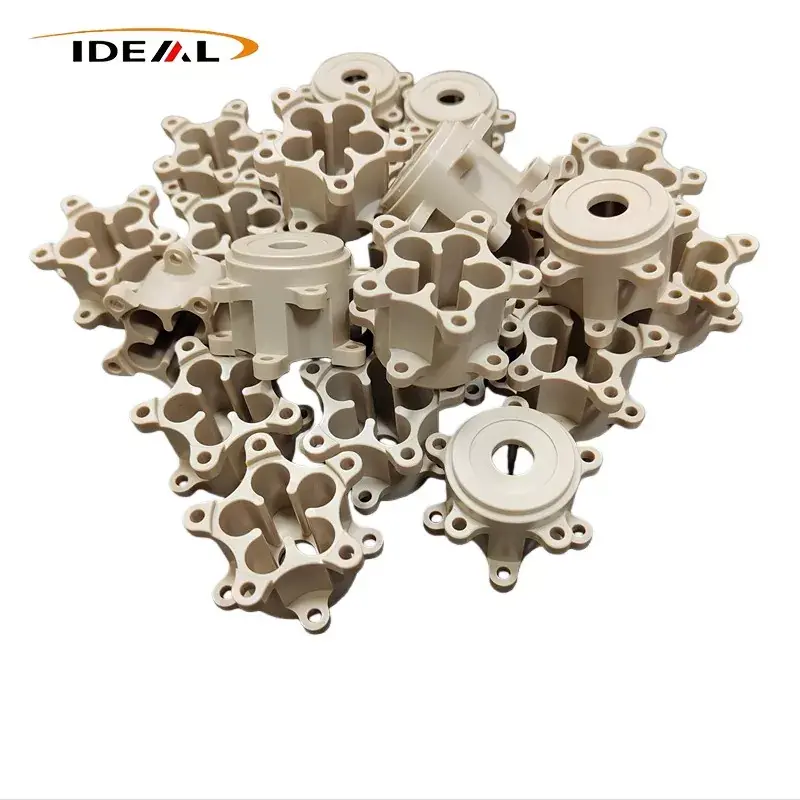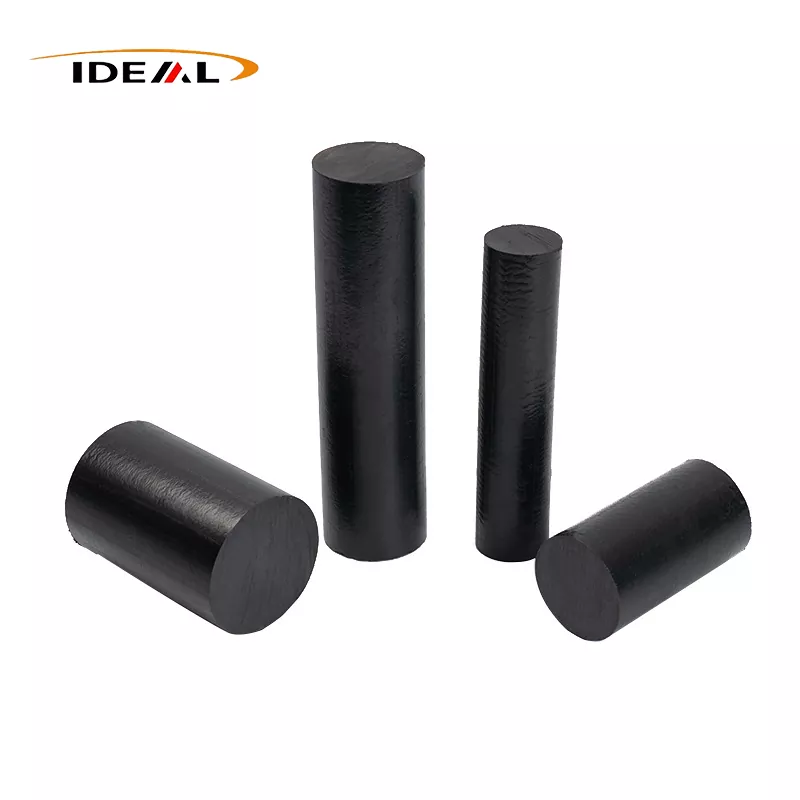
Polyimide (PI) rods are exceptional high-performance polymer components known for their extreme thermal stability, mechanical strength, and chemical resistance. This comprehensive guide delves into the properties, manufacturing process, diverse applications, and selection criteria for PI rods. We explore why they are the material of choice in aerospace, semiconductor, and automotive industries, and how they outperform traditional materials like PTFE, PEEK, and metals in demanding environments. Whether you're an engineer, designer, or procurement specialist, this article provides the essential insights needed to leverage PI rods for your most challenging applications.
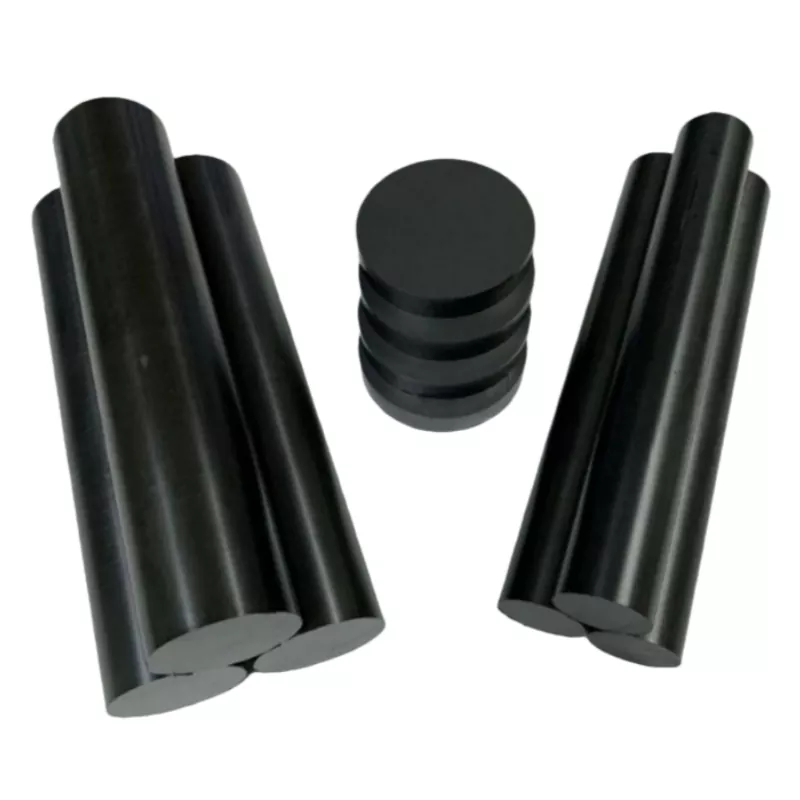
Polyimide (PI) rods are solid, cylindrical stock shapes manufactured from polyimide polymers—a class of high-performance plastics characterized by imidazole rings in their backbone chain. This unique chemical structure is the source of their extraordinary capabilities. Unlike common engineering plastics, polyimides are typically synthesized via a polycondensation reaction, resulting in materials that can withstand conditions where others fail. PI rods are supplied as machinable blanks, ready to be precision-turned, milled, or ground into final components such as bushings, insulators, bearings, and thermal spacers.
The development of polyimides dates back to the mid-20th century, driven by the aerospace and electronics industries' need for materials that could perform in extreme environments. Today, companies like Ideal Plastic Technology have refined the production of PI rods to offer consistent quality, making them accessible for both prototyping and high-volume production.
The dominance of PI rods in critical applications is no accident. It's a direct result of a combination of properties rarely found together in a single material.
Quality PI rods don't just happen; they are the product of controlled, sophisticated processes. Ideal Plastic Technology utilizes advanced manufacturing techniques to ensure premium-grade rods.
The unique property profile of PI rods unlocks solutions in the world's most technologically advanced sectors.
| Industry | Application Examples | Key Property Utilized |
|---|---|---|
| Aerospace & Aviation | Thrust washers, bushings in control systems, thermal and electrical insulators in engines, satellite components. | High temp stability, low outgassing, lightweight, wear resistance. |
| Semiconductor & Electronics | Wafer handling pins, test sockets, insulating carriers for plasma etching, coil bobbins. | Ultra-cleanliness, dielectric strength, chemical & thermal resistance. |
| Automotive (Performance & EV) | Seals and bushings in transmissions, bearing cages for high-speed motors, components in battery management systems. | Heat resistance in under-hood environments, electrical insulation, durability. |
| Industrial Machinery | Wear strips, guide rings for high-temperature presses, bushings for dry-running applications, insulators. | Self-lubrication, low coefficient of friction, resistance to deformation under load. |
| Medical & Food Processing | Components for autoclave equipment, guides in packaging machines (meeting FDA compliance). | Sterilizability (steam, gamma radiation), non-toxicity, corrosion resistance. |
Selecting the right material is about trade-offs. Here’s how PI rods compare to other common high-performance options.
| Material | Max Continuous Use Temp | Tensile Strength (MPa) | Key Advantages | Key Limitations vs. PI |
|---|---|---|---|---|
| Polyimide (PI) Rods | 260°C (500°F) | 90-120 | Best all-around thermal, mechanical, electrical combo; lowest outgassing. | — |
| PEEK (Polyetheretherketone) | 250°C (482°F) | 90-100 | Excellent mechanicals, easier to process/inject mold, good chemical resistance. | Lower thermal & oxidative stability above 250°C; higher outgassing. |
| PTFE (Teflon®) | 260°C (500°F)* | 20-35 | Best chemical resistance, very low friction. | Very low strength, high creep (cold flow), poor wear resistance unless filled. |
| Vespel® (High-Perf PI) | 300°C+ (572°F+) | 70-90 | Similar to PI; some grades offer even higher temp performance. | Significantly higher cost; proprietary material. |
| Aluminum | ~200°C (392°F)** | 70-500 | High strength-to-weight, good thermal conductivity. | Corrodes, conductive (not an insulator), can gall. |
According to a recent review in Progress in Polymer Science, "Aromatic polyimides remain the benchmark for thermal stability and combined property profiles among processable polymers, justifying their use in extreme environment applications."
Follow this decision framework to specify the optimal PI rod:
The evolution of PI rods is focused on enhancing processability and tailoring properties for next-generation technologies. Research is active in developing soluble polyimides that are easier to process while retaining high-temperature performance. The integration of nanofillers like graphene or carbon nanotubes is creating composites with unprecedented thermal conductivity for heat sinks or enhanced EMI shielding properties. Furthermore, the drive for sustainability is prompting investigations into bio-based or more readily recyclable polyimide precursors, aiming to maintain performance while reducing environmental impact. As industries like electric aviation, quantum computing, and advanced robotics push boundaries, the demand for precisely engineered PI rod solutions will only grow.
Yes, PI rods are readily machinable using standard metalworking tools (carbide or diamond tipped are recommended). However, their high heat resistance requires proper speeds and feeds to avoid work-hardening. Coolant is often used to achieve the best surface finish and tight tolerances.
Vespel® is a branded, high-performance polyimide from DuPont. Generic PI rods offer a comparable and often more cost-effective solution for many applications within their temperature range. Vespel may have specific formulations for extreme conditions, but premium PI rod suppliers like Ideal Plastic Technology provide materials that meet or exceed the requirements for most industrial uses.
Certain grades of polyimide can be compliant with FDA regulations for repeated food contact. It is essential to confirm with your supplier that the specific PI rod grade you are purchasing has the necessary certifications and testing documentation for your application.
Cracking is often due to internal stresses or overheating during machining. Sourcing stress-relieved rods from a reputable supplier is the first step. During machining, use sharp tools, appropriate cutting parameters, and consider a final annealing step as recommended by the manufacturer.
Standard diameters range from 5mm (0.2") up to 150mm (6") or more, with standard lengths of 500mm to 1000mm. Custom diameters and lengths can be produced by manufacturers like Ideal Plastic Technology based on order volume.
PI rods represent the pinnacle of polymer material science for extreme environments. Their unparalleled combination of thermal resilience, mechanical robustness, and electrical integrity makes them an indispensable engineering solution where failure is not an option. From the vacuum of space to the heart of a semiconductor fab, they enable innovation and reliability.
Ready to push the limits of your application? The engineering team at Ideal Plastic Technology possesses deep expertise in high-performance polymers and is ready to support your project from material selection to prototyping and production. Contact us today for a technical consultation or to request a quote for premium-grade PI rods tailored to your specifications.