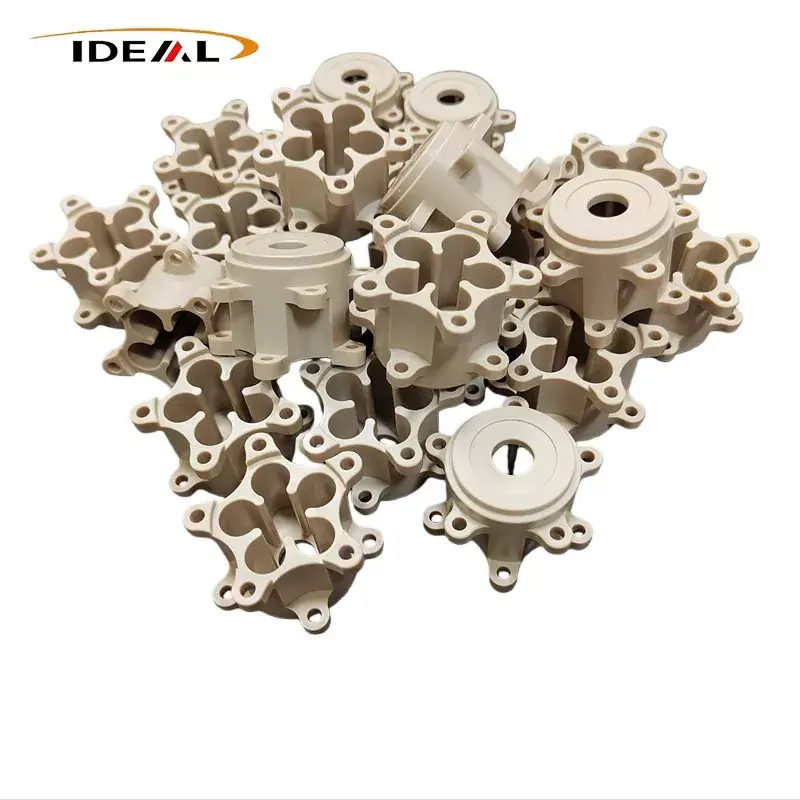
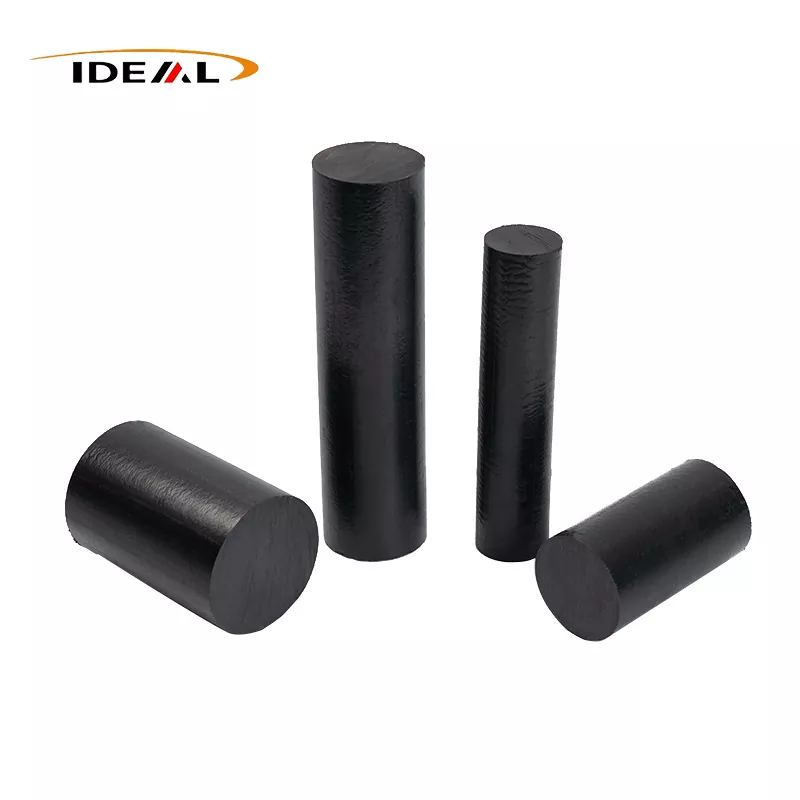
What is polyamideimide Torlon PAI material?
Polyamideimide Torlon PAI is a new type of thermoplastic amorphous polymer engineering plastic containing amide groups. It is formed by the polycondensation of phenyltricarboxylic anhydride and diisocyanate in a DMF solution. Its glass transition temperature (Tg) is typically 280°C, and depending on the type, it can safely operate at temperatures between -196°C and 260°C for extended periods. Due to the highly stable aromatic heterocyclic structure within the polyimide molecule, it exhibits heat and low-temperature resistance unmatched by other polymer materials. It exhibits excellent mechanical properties and dimensional stability even in high-temperature environments. It is commonly used in the manufacture of precision parts for high-tech equipment and in applications requiring extremely high wear resistance. 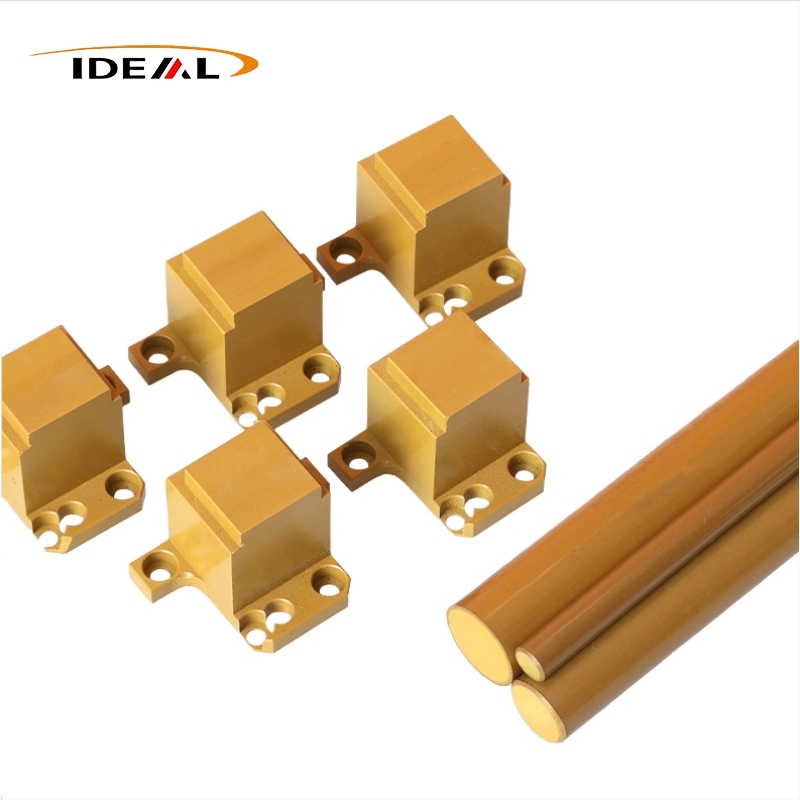
What are the properties of polyamideimide Torlon PAI?
polyamideimide Torlon PAI plastic's molecular structure dictates its excellent high-temperature resistance and exceptional dimensional stability.
1. Excellent Thermal Stability: PAI material exhibits exceptional high-temperature resistance, with a heat deflection temperature typically above 250°C, and some even reaching around 300°C. This allows for extended use in high-temperature environments. Mechanical properties degrade slowly at high temperatures, and it retains a significant degree of rigidity at 280°C.
2. Excellent Mechanical Properties: PAI plastics possess exceptionally high strength and rigidity. They offer excellent impact resistance, withstanding significant external forces without cracking or deforming. They also exhibit excellent tensile and flexural strength.
3. Fatigue and Creep Resistance: PAI plastics demonstrate significant advantages in fatigue resistance, maintaining extremely low creep rates even at high temperatures. 30% glass fiber-reinforced grades exhibit the best creep resistance, a result of their unique molecular structure. The aromatic heterocyclic backbone (benzene/imide rings) provides rigid support, inhibiting molecular chain slip under cyclic stress; amide bonds impart moderate flexibility, absorbing localized stress concentrations and reducing crack initiation.
4. Low Coefficient of Friction: Due to its unique molecular structure, PAI plastics exhibit outstanding tribological properties, with a coefficient of friction typically ranging from 0.2 to 0.5, significantly lower than that of metals and most engineering plastics.
5. Radiation Resistance: Torlon products exhibits excellent resistance to high-energy radiation, such as gamma rays and X-rays, with minimal degradation of mechanical properties and chemical stability under radiation exposure. The regular arrangement of amide and imide groups in its molecular structure enhances resistance to radiation degradation.
6. Excellent Electrical Performance: PAI plastic has a dielectric constant (ε) of 3.0–4.0 (at 1000Hz). This low dielectric constant reduces signal transmission latency. The dielectric loss (tanδ) is 0.004–0.007 (at 1000Hz), resulting in extremely low energy loss at high frequencies. The insulation meets Class H insulation standards (long-term temperature resistance of 180°C), with short-term temperature resistance up to 260°C, and dielectric strength retention exceeding 90%.
GuangZhou IDEAL is a Chinese manufacturer with over 14 years of experience producing polyamideimide Torlon PAI-related products. Our product line includes Torlon rods, plates, tubes, and other profiles, as well as Custom Torlon PAI parts produced through CNC machining or injection molding. Our products offer high precision, superior performance, a wide variety of specifications, competitive pricing, short lead times, and excellent after-sales service. We look forward to establishing a cooperative relationship with you.
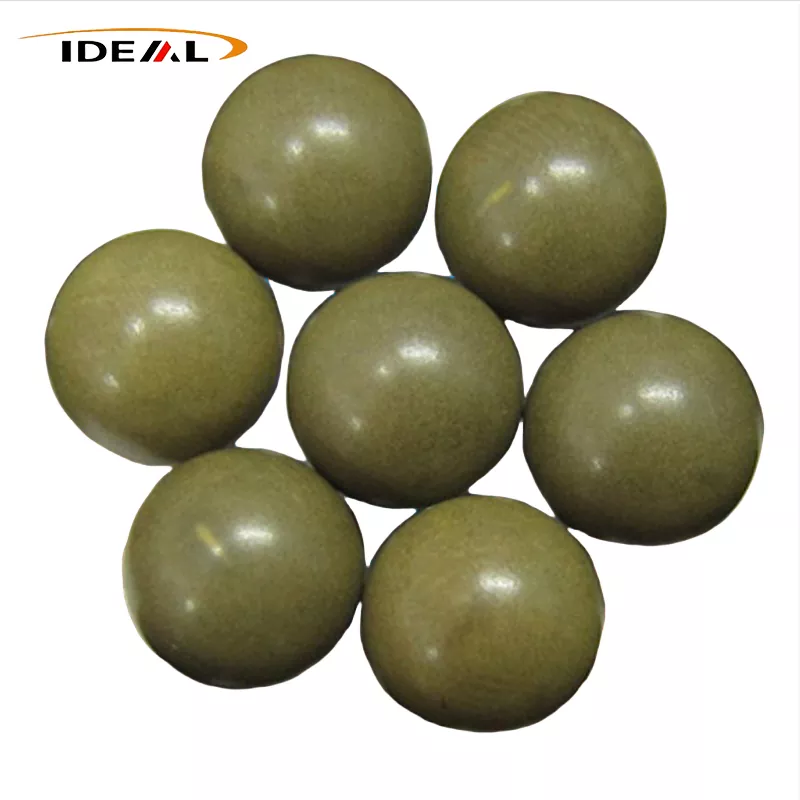
Torlon injection parts is a PAI product manufactured through injection molding. PAI, which stands for Polyamide-imide, is a non-crystalline material that can handle really high temperatures. Its molecular structure has both amide and imide groups lined up in a regular, alternating pattern. It's mainly produced by reacting trimellitic anhydride with different kinds of aromatic diamines. Essentially, PAI material brings together the toughness you'd expect from polyamide and the serious heat resistance of polyimide, making it one of the top-performing engineering plastics out there.
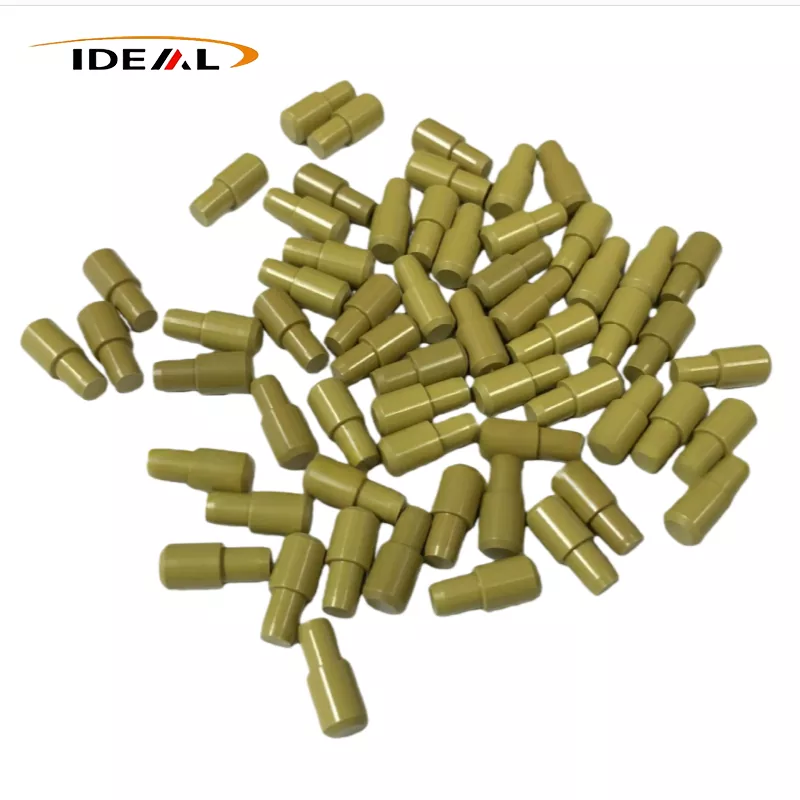
Okay, so here's the deal with the Torlon machined parts process. Basically, you start with ready-made stuff like plates and bars. Then, you use cutting and grinding to turn those into the final parts. Now, PAI is this really tough engineering plastic, a kind of thermoplastic polyimide. What's special about it is its molecular chain—it's got both amide and imide bonds lined up. That means it gets the best of both worlds from polyamide and polyimide, which makes it a top performer.
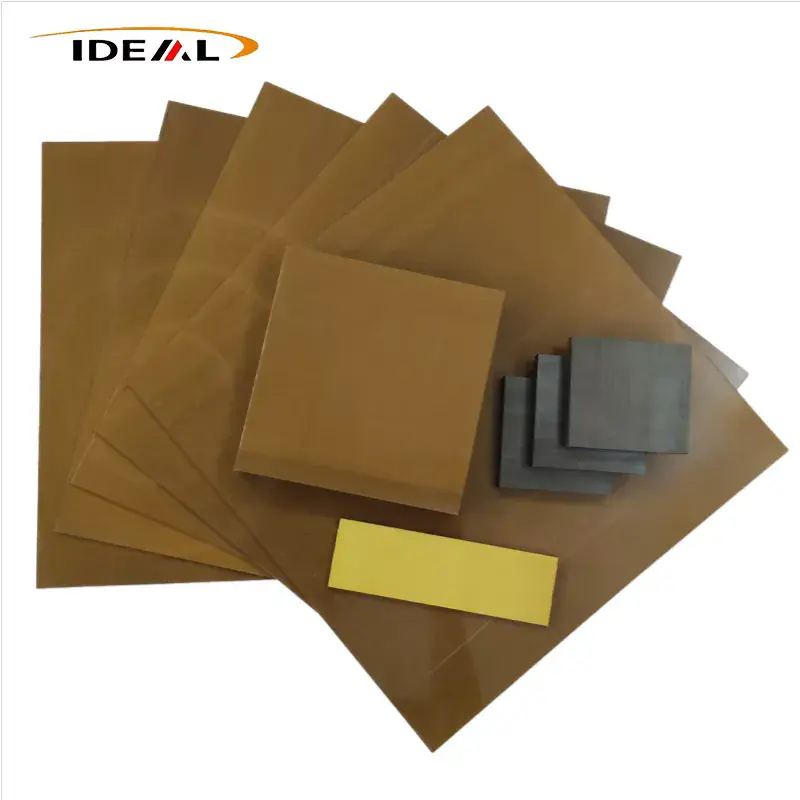
Torlon sheets is a PAI plastic profile made from PAI resin—that’s polyamide-imide, an amorphous plastic. Basically, it takes the heat resistance and strength of a polyimide and blends it with the easier processing and toughness of a polyamide. Its key features are pretty clear: great heat resistance (works continuously at 250 °C), high resistance to heat deformation (load bending temp of 279 °C), solid mechanical performance—especially tensile strength and impact resistance—along with excellent fatigue life, flame retardancy, and wear resistance. It also handles high-pressure rupture well.
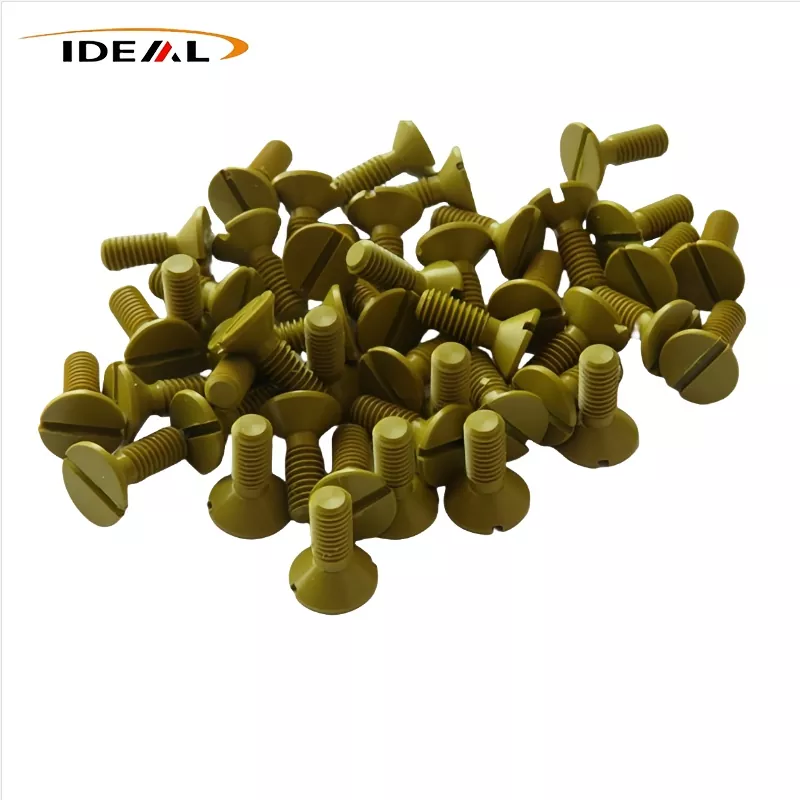
Torlon CNC parts is a PAI product manufactured from PAI plastic rods, plates, and tubes as starting materials, using CNC machines for processing. PAI (Polyamide‑Imide) is a high‑hardness, semi‑crystalline thermoplastic engineering plastic. It’s easy to work with and can handle especially high operating temperatures in air—up to 250 °C. It offers great UV resistance, excellent resistance to high‑energy radiation like gamma rays and X‑rays, plus good wear and friction properties.
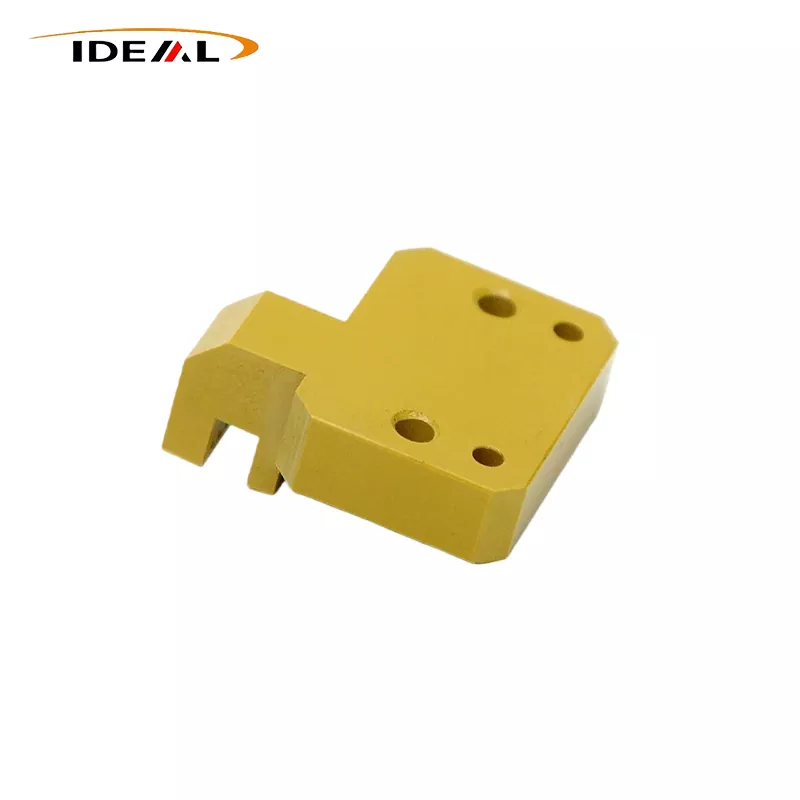
Torlon parts is a product made from PAI plastic. It can be produced using CNC machining, injection molding, or compression molding. PAI is a thermoplastic engineering plastic that’s really hard, has good crystallinity, is easy to work with, and can handle long-term use at high temperatures up to 250°C. It also resists UV and radiation (like gamma and X-rays) really well, wears slowly, and even has a self-lubricating effect.
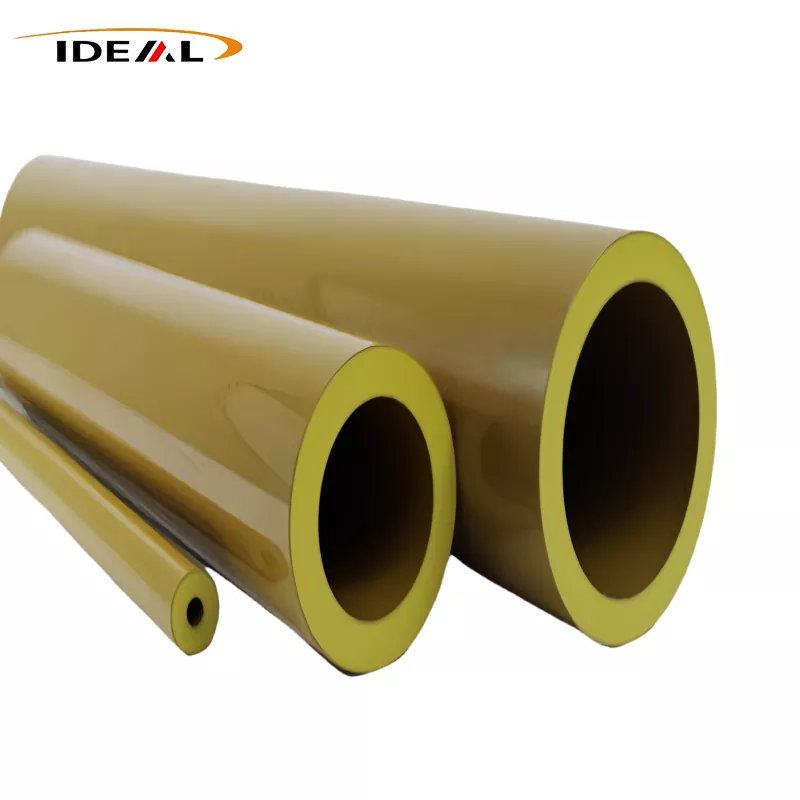
Torlon tubes is a bit of a specialty plastic profile, usually made by extruding PAI resin pellets. PAI stands for polyamide-imide. Thanks to a really stable aromatic heterocyclic structure in its molecules, it handles heat and cold much better than most common plastics. Even at high temperatures, it keeps its strength and shape stable, and can work long-term in air at 250°C with very little change in size. It’s also wear-resistant, low-friction, UV and radiation resistant, doesn’t burn easily, and has high strength, good insulation, corrosion resistance, and a self-lubricating effect. Its thermal expansion is really low too.