Summary: PAI Rods, or Polyamide-Imide rods, are premium engineering plastics known for their exceptional mechanical strength, heat resistance, and versatility. Widely used in aerospace, automotive, electronics, and industrial applications, these rods offer a unique combination of toughness, thermal stability, and chemical resistance. This comprehensive guide explores the advantages, grades, applications, and key considerations for using PAI Rods effectively.

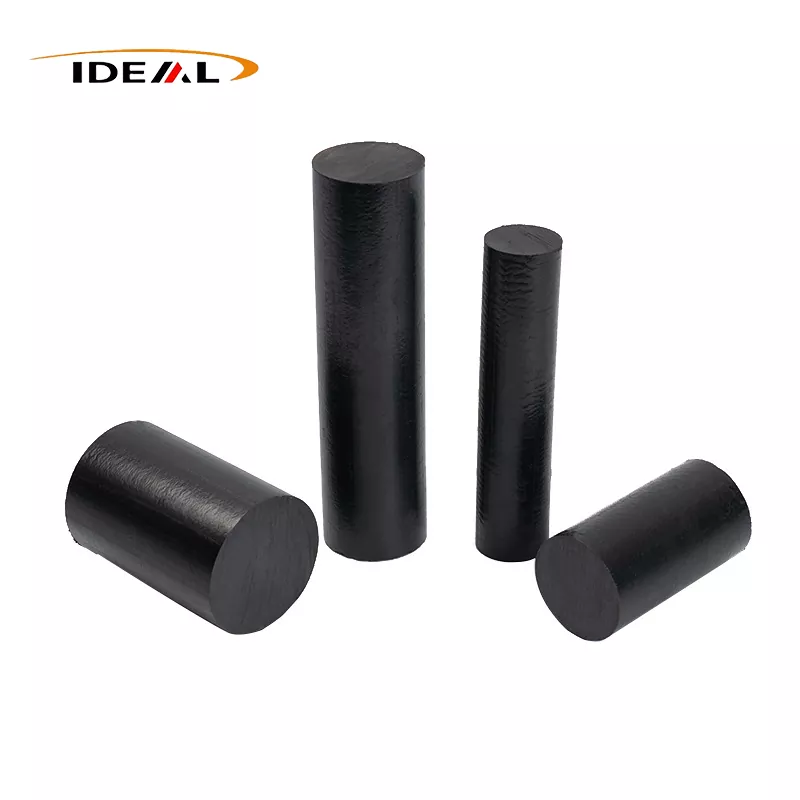
PAI, short for Polyamide-Imide, is an advanced polymer combining the toughness of polyamide and the heat resistance of polyimide. Torlon PAI rods, produced by companies like IDEAL, are widely regarded for their high mechanical performance and thermal stability.
PAI Rods are manufactured using extrusion, thermoforming, and injection molding techniques. They feature a molecular structure with alternating imide rings and amide bonds, providing a unique balance of flexibility, strength, and resistance to harsh environments.
| Property | Value |
|---|---|
| Specific Gravity | 1.42 - 1.61 g/cm³ |
| Maximum Service Temperature | 260°C |
| Tensile Strength | 150 - 180 MPa |
| Impact Strength | High |
| Coefficient of Friction | 0.15 - 0.25 (with PTFE/graphite) |
PAI rods are available in several grades, each optimized for specific applications:
Due to their unique properties, PAI rods are widely used in:
PAI rods can be processed through standard machining techniques, including turning, milling, and drilling. Key considerations include:
| Property | PAI Rods | PEEK Rods | Polyimide Rods |
|---|---|---|---|
| Maximum Temperature | 260°C | 250°C | 300°C |
| Tensile Strength | 150 - 180 MPa | 90 - 120 MPa | 130 - 160 MPa |
| Impact Resistance | High | Moderate | Moderate |
| Wear Resistance | Excellent | Good | Good |
| Chemical Resistance | Excellent | Good | Good |
PAI rods offer higher mechanical strength and superior wear resistance at elevated temperatures compared to PEEK rods, making them suitable for extreme engineering applications.
Yes, PAI rods exhibit excellent chemical resistance against oils, fuels, and many aggressive chemicals.
PAI rods are widely used in aerospace, automotive, electronics, and industrial machinery.
Yes, reinforced grades include PTFE/graphite or glass fiber, which enhance wear resistance, thermal stability, and mechanical strength.
Use sharp tools, slow feed rates, and consider post-machining annealing for optimal results.
PAI rods from IDEAL represent a premium engineering material for high-temperature, high-strength, and wear-resistant applications. Whether in aerospace, automotive, or industrial machinery, their unique combination of toughness, heat resistance, and chemical stability ensures long-term performance and reliability.
Contact us today to learn more about IDEAL PAI rods and how they can optimize your high-performance applications.