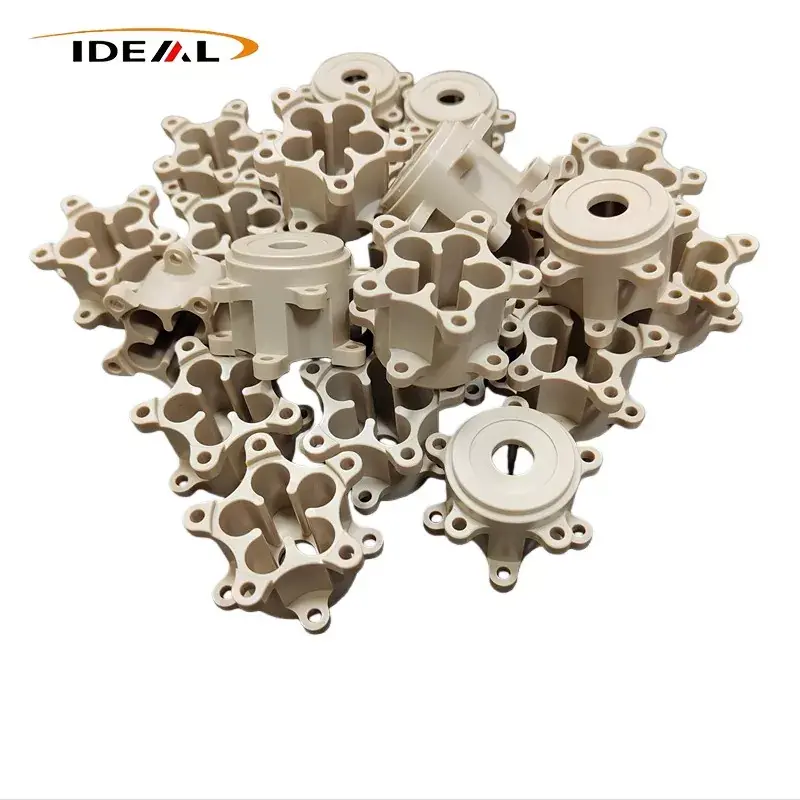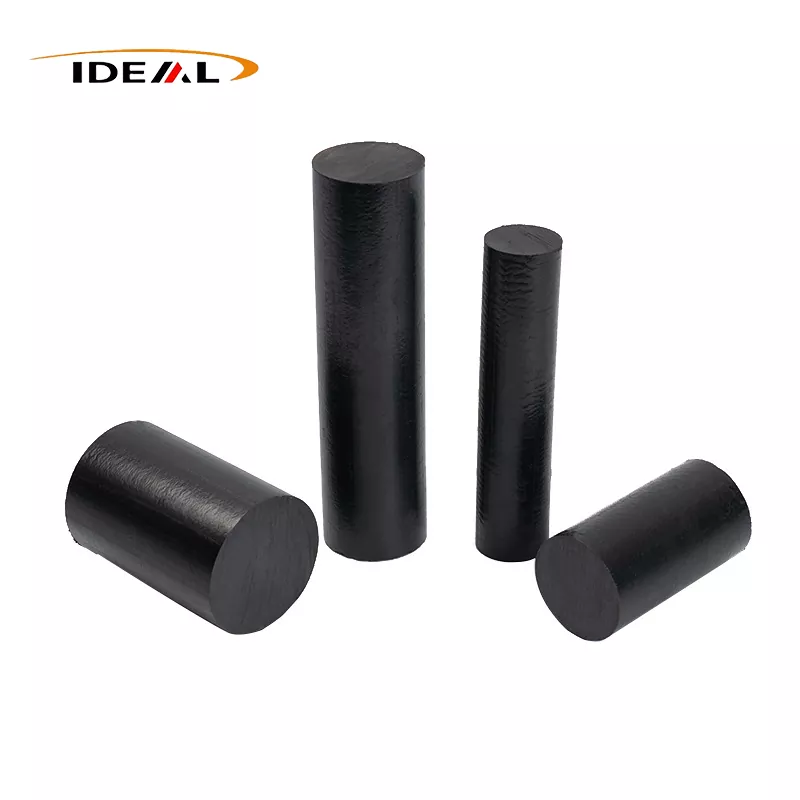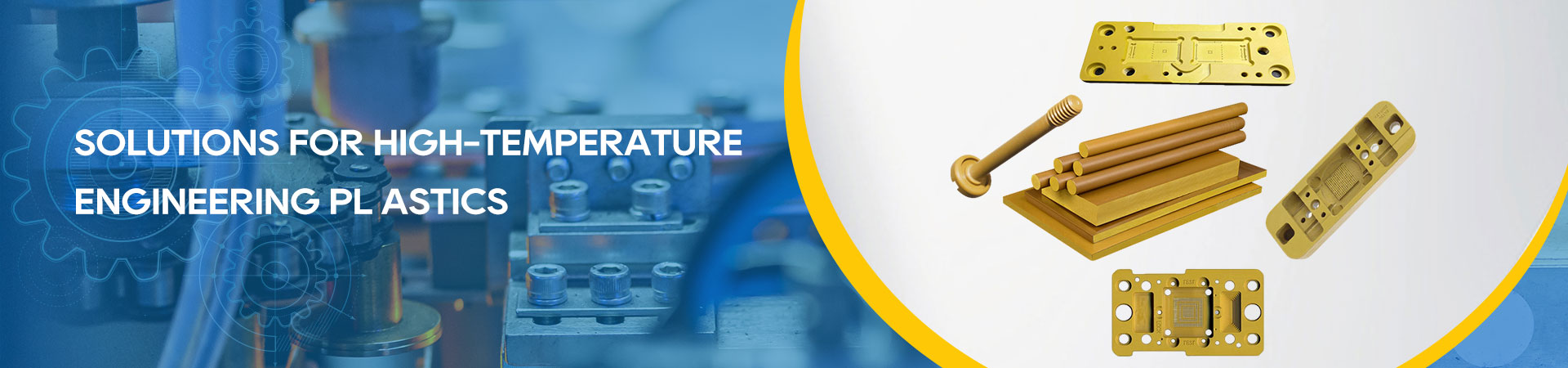
PAI Customized Products have become a critical solution for industries that operate under extreme mechanical, thermal, and chemical conditions. Unlike standard polymer components, polyamide-imide (PAI) materials offer exceptional strength, thermal stability, wear resistance, and dimensional accuracy. When these properties are combined with customized design and precision manufacturing, PAI Customized Products unlock performance levels that traditional materials simply cannot achieve.
In this in-depth article, we explore what PAI Customized Products are, why they matter, how they are designed and manufactured, and which industries rely on them the most. We also discuss the advantages of working with a professional supplier like Ideal, and how customized PAI solutions can improve reliability, efficiency, and long-term cost control in demanding applications.
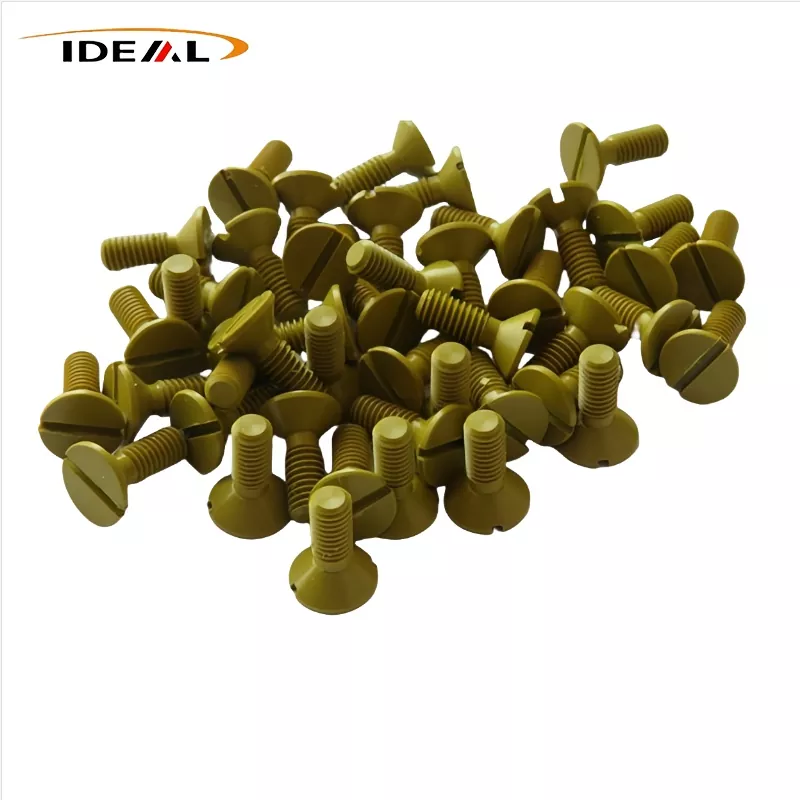
PAI Customized Products are precision-engineered components manufactured from polyamide-imide materials and tailored to meet specific application requirements. Unlike off-the-shelf plastic parts, these products are designed based on real-world operating conditions such as temperature, pressure, friction, chemical exposure, and dimensional tolerances.
PAI is known for its exceptional mechanical strength and thermal endurance. When customization is applied, engineers can fine-tune part geometry, tolerances, surface finishes, and reinforcement options to achieve optimal performance. This makes PAI Customized Products a preferred choice in industries where failure is not an option.
For a detailed overview of material options and processing capabilities, you can explore PAI Customized Products provided by Ideal.
Polyamide-imide stands out among high-performance polymers due to its balanced combination of thermal, mechanical, and chemical properties. It performs reliably in environments where standard plastics soften, deform, or wear rapidly.
These inherent material advantages form the foundation of PAI Customized Products, allowing them to replace metals in many applications while reducing weight and maintenance requirements.
The development of PAI Customized Products begins with a detailed analysis of application requirements. Engineers evaluate load conditions, operating temperatures, wear mechanisms, and environmental factors before selecting the appropriate PAI grade.
Manufacturing typically involves CNC machining from molded or extruded PAI stock shapes. This process allows for extremely tight tolerances and consistent quality. In some cases, post-processing steps such as annealing or surface treatment are applied to further enhance performance.
| Advantage | Description |
|---|---|
| High Temperature Resistance | Maintains mechanical integrity under extreme heat |
| Wear Resistance | Ideal for sliding, rotating, and friction-heavy components |
| Design Flexibility | Custom geometries for complex assemblies |
| Cost Efficiency | Reduces downtime and maintenance over the product lifecycle |
PAI Customized Products are widely used across multiple high-tech industries. Their reliability and longevity make them essential in applications where operational stability is critical.
Standard plastic or metal components are often designed for general use, which can lead to inefficiencies or premature failure in demanding environments. PAI Customized Products, by contrast, are purpose-built for specific operating conditions.
Customization allows engineers to reduce unnecessary material, optimize stress distribution, and extend service life—benefits that directly impact performance and cost control.
Ideal combines material expertise, precision machining, and strict quality control to deliver high-performance PAI Customized Products. By working closely with customers, Ideal ensures that each component meets both functional and regulatory requirements.
From prototyping to full-scale production, Ideal focuses on consistency, traceability, and performance validation—key elements for mission-critical applications.
Yes. PAI materials are specifically engineered to perform under continuous high temperatures while maintaining mechanical strength and dimensional stability.
In many cases, yes. PAI Customized Products can replace metal components to reduce weight, noise, and wear while maintaining performance.
Service life depends on application conditions, but customized PAI components often last significantly longer than standard plastic or metal alternatives.
Choosing the right PAI Customized Products can transform the reliability and efficiency of your engineering systems. If you are looking for precision, performance, and long-term value, working with an experienced supplier makes all the difference. To explore tailored solutions designed for your specific application, contact us at Ideal today and discover how customized PAI components can elevate your project.