PAI rods are among the highest-performing engineering plastic materials available today. Known for their exceptional mechanical strength, thermal stability, and wear resistance, Polyamide-Imide (PAI) rods are widely used in industries where extreme temperatures, high loads, and aggressive environments are common. This article provides a comprehensive overview of PAI rods, including their material properties, manufacturing process, industrial applications, comparisons with other high-performance plastics, and guidance on selecting the right PAI rods for precision engineering needs.

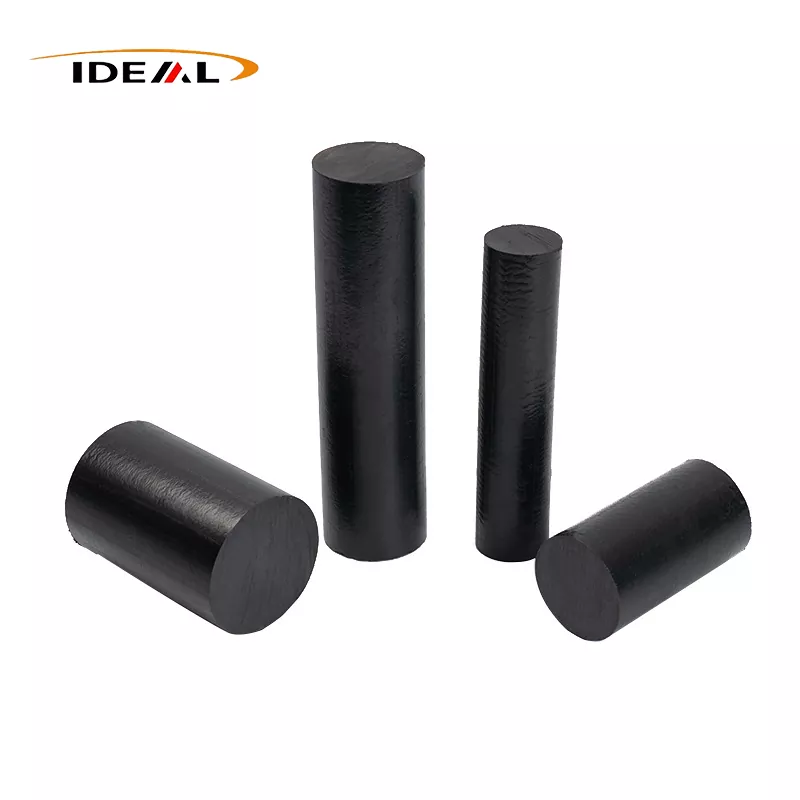
PAI rods are solid cylindrical profiles made from Polyamide-Imide (PAI), a high-performance thermoplastic known for its outstanding combination of strength, stiffness, thermal resistance, and chemical stability.
Unlike conventional plastics, PAI rods are engineered to perform reliably under extreme conditions, such as continuous exposure to temperatures exceeding 250°C, high mechanical loads, and corrosive chemicals. This makes them a preferred choice for critical components in aerospace, semiconductor manufacturing, oil & gas, and advanced industrial equipment.
Companies like Ideal supply precision-grade PAI rods designed for machining into tight-tolerance parts. For technical specifications and product forms, you can explore detailed material information through PAI rods product resources.
PAI rods stand out because they combine properties rarely found together in a single polymer. Below are the most important characteristics:
| Property | Typical Value | Unit |
|---|---|---|
| Tensile Strength | 160 – 190 | MPa |
| Continuous Use Temperature | 250 – 260 | °C |
| Heat Deflection Temperature | >280 | °C |
| Coefficient of Thermal Expansion | Low | - |
| Wear Resistance | Excellent | - |
PAI rods are typically produced through compression molding or extrusion followed by a controlled curing process. Unlike standard thermoplastics, PAI requires a post-curing stage to fully develop its thermal and mechanical properties.
This complex process ensures that PAI rods maintain consistent performance even under the most demanding conditions, which is why they are often selected for mission-critical components.
When selecting materials for extreme environments, engineers often compare PAI rods with PEEK, PI, and PPS. The table below highlights the differences:
| Material | Max Continuous Temp (°C) | Mechanical Strength | Wear Resistance |
|---|---|---|---|
| PAI | 260 | Excellent | Excellent |
| PEEK | 250 | Very Good | Good |
| PI | >300 | Excellent | Excellent |
| PPS | 220 | Good | Moderate |
PAI rods offer one of the best overall balances between processability and performance, especially where tight tolerances and wear resistance are required.
Thanks to their unique properties, PAI rods are widely used across multiple high-tech industries:
In many cases, PAI rods are chosen to replace metal components, reducing weight while maintaining strength and reliability.
When selecting PAI rods, engineers should consider:
Working with an experienced supplier like Ideal ensures that the selected PAI rods meet both performance and compliance requirements.
PAI rods offer significantly higher thermal resistance, mechanical strength, and wear performance than standard engineering plastics.
Yes, PAI rods can operate continuously at temperatures up to 260°C without significant loss of performance.
Absolutely. PAI rods are widely used for CNC machining of tight-tolerance industrial parts.
If you are looking for reliable, high-performance PAI rods tailored to your application needs, Ideal provides expert material support and precision solutions. Contact us today to discuss your project requirements and discover how PAI rods can elevate your engineering performance.