PAI Sheets are among the most advanced high-performance engineering plastic materials available today. Known for their exceptional mechanical strength, thermal stability, and wear resistance, PAI sheets are widely used in industries where traditional plastics and even metals fail. In this in-depth guide, we will explore what PAI sheets are, their properties, applications, advantages, and how to choose the right grade for demanding environments.
PAI sheets, made from Polyamide-Imide resin, are engineered for extreme industrial conditions involving high temperatures, heavy loads, and aggressive wear. This article explains the material’s composition, key properties, comparison with other high-performance plastics, real-world applications, processing considerations, and buying tips. It is designed to help engineers, designers, and procurement professionals make informed material decisions.
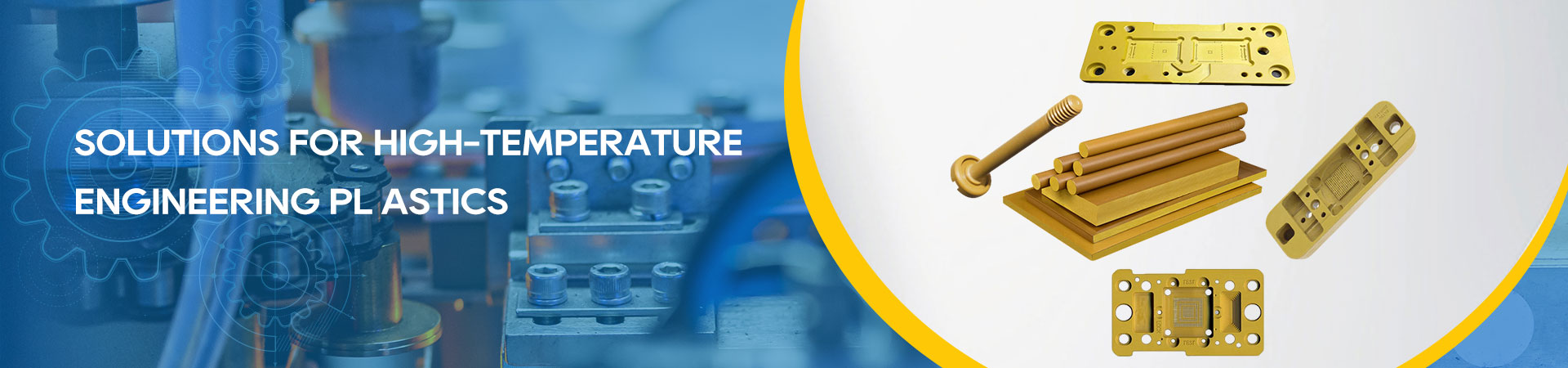
PAI Sheets are semi-finished plastic sheets manufactured from Polyamide-Imide (PAI) resin, a thermoplastic known for its outstanding strength at elevated temperatures. Unlike standard engineering plastics, PAI retains its mechanical integrity well above 250°C, making it suitable for continuous high-temperature service.
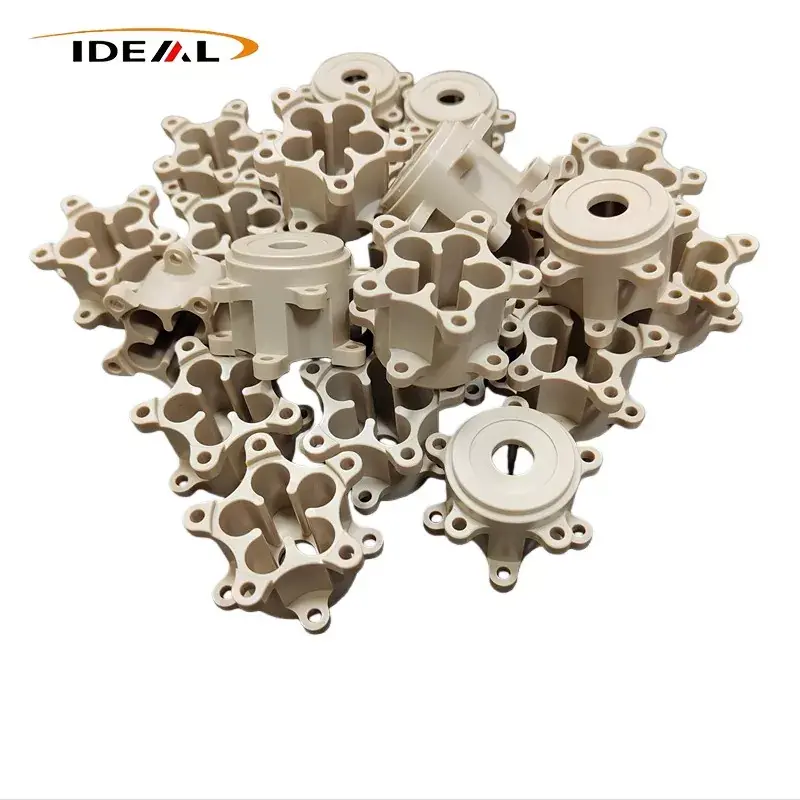
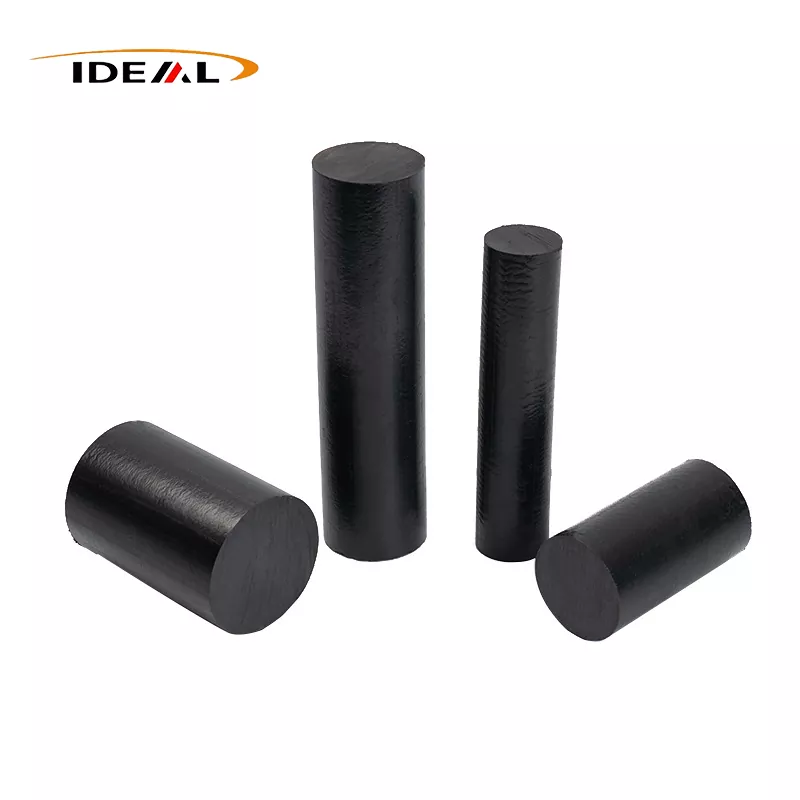
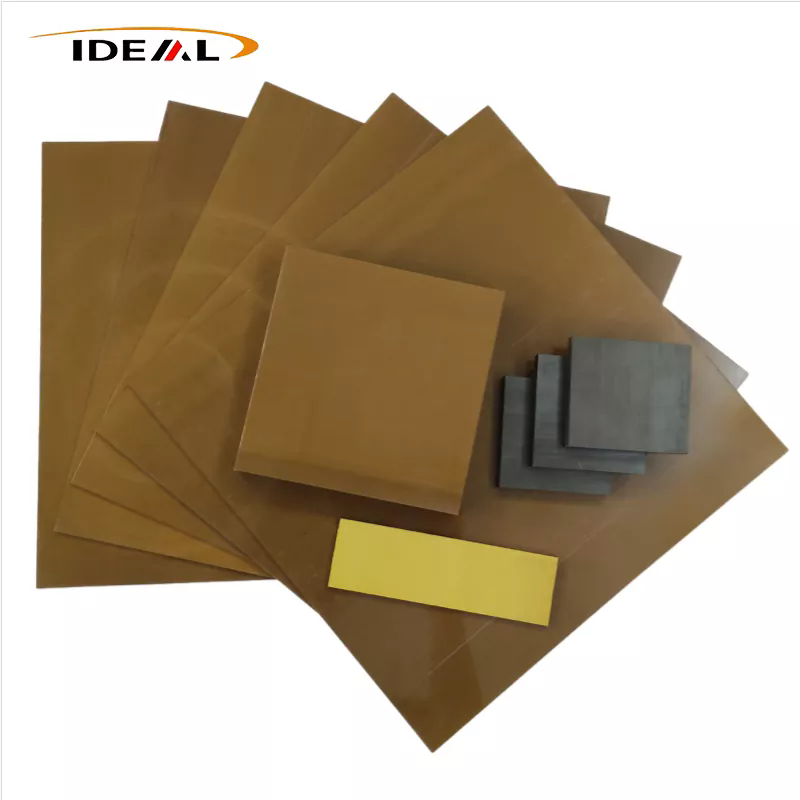
PAI sheets are typically used as stock materials for machining precision components such as bearings, seals, bushings, and structural parts that require exceptional dimensional stability.
Learn more about PAI sheet specifications to understand available sizes and grades.
PAI is synthesized through the polymerization of aromatic diamines and trimellitic anhydride, resulting in a rigid molecular backbone. This structure gives PAI its remarkable resistance to heat, creep, and chemical attack.
Because of its complex chemistry, PAI is more difficult to process than standard thermoplastics, but the performance benefits far outweigh this limitation in critical applications.
| Property | PAI Sheets |
|---|---|
| Continuous Use Temperature | Up to 260°C |
| Tensile Strength | Excellent |
| Wear Resistance | Outstanding |
| Creep Resistance | Very High |
| Chemical Resistance | Resistant to fuels, oils, and solvents |
These properties make PAI sheets ideal for applications where mechanical stress and high temperature occur simultaneously.
| Material | Max Temp | Wear Resistance | Cost Level |
|---|---|---|---|
| PAI | 260°C | Excellent | High |
| PEEK | 250°C | Very Good | High |
| PI | 300°C+ | Excellent | Very High |
| PTFE | 260°C | Moderate | Medium |
Compared with PEEK and PTFE, PAI sheets provide superior load-bearing and wear performance, especially in unlubricated environments.
Many precision parts supplied by Guangzhou Ideal Plastic Technology Co., Ltd. are machined from PAI sheets to meet extreme performance requirements in these industries.
PAI sheets are primarily processed by CNC machining rather than injection molding. Key considerations include:
Proper processing ensures dimensional accuracy and long-term reliability of PAI components.
When selecting PAI sheets, consider:
Working with an experienced supplier like Guangzhou Ideal Plastic Technology Co., Ltd. helps ensure the correct grade and specification for your application.
Yes, PAI sheets can operate continuously at temperatures up to 260°C while maintaining mechanical integrity.
In many applications, PAI sheets can replace metal components, reducing weight while maintaining strength and wear resistance.
PAI offers excellent resistance to oils, fuels, and many industrial chemicals.
They are supplied as semi-finished sheets for CNC machining into custom components.
PAI sheets are a premium solution for extreme industrial applications where temperature, wear, and mechanical load exceed the limits of conventional plastics. Their superior performance makes them indispensable in aerospace, semiconductor, and high-precision engineering fields.
If you are looking for reliable, high-quality PAI sheet solutions, partner with Guangzhou Ideal Plastic Technology Co., Ltd. to get expert material support and customized solutions — contact us today to discuss your project requirements.