PI Rods, also known as Polyimide Rods, are among the most advanced high-performance engineering plastics available today. They are widely used in extreme environments where high temperature resistance, excellent mechanical strength, electrical insulation, and chemical stability are required. This article provides an in-depth overview of what PI Rods are, their key properties, manufacturing processes, applications across industries, and how they compare with other high-performance materials. If you are searching for reliable materials for aerospace, semiconductor, or precision engineering applications, this guide will help you make an informed decision.

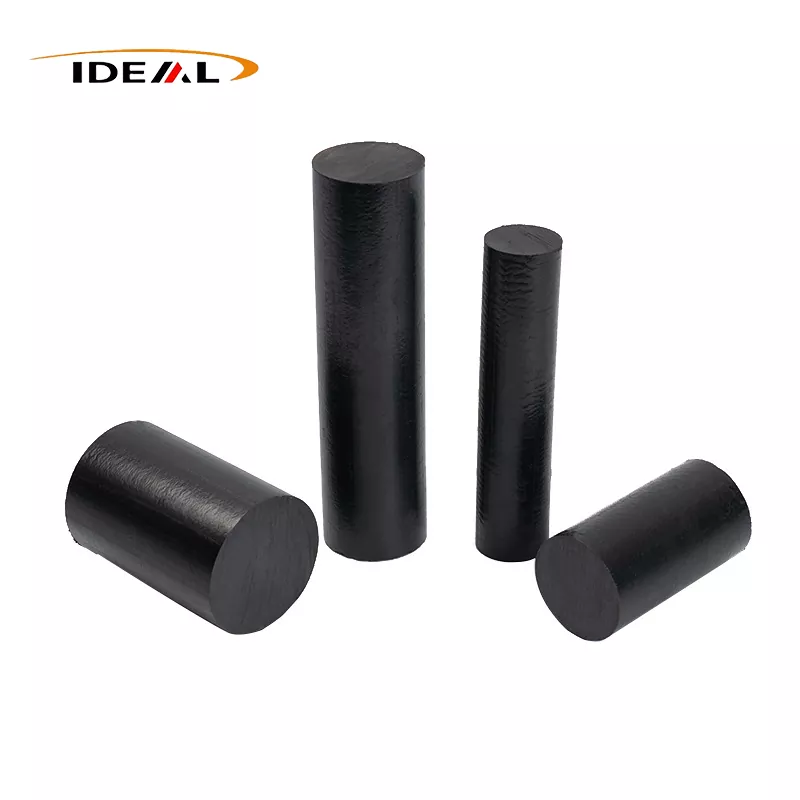
PI Rods are solid cylindrical products made from polyimide (PI), a high-performance polymer known for its exceptional thermal stability and mechanical performance. Unlike conventional plastics, polyimide materials maintain their strength and dimensional stability at temperatures exceeding 260°C, making them ideal for extreme operating conditions.
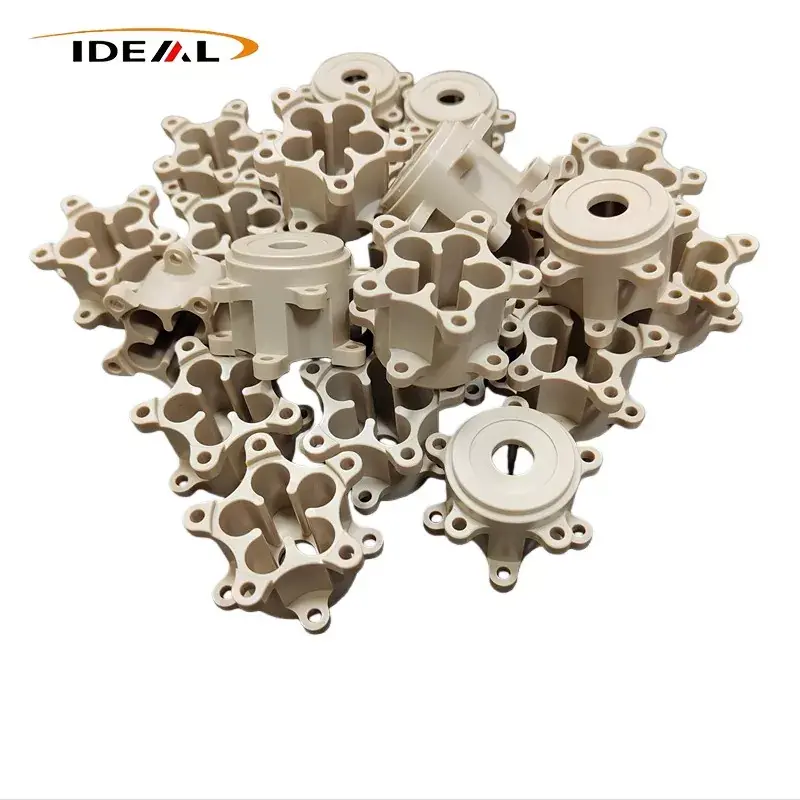
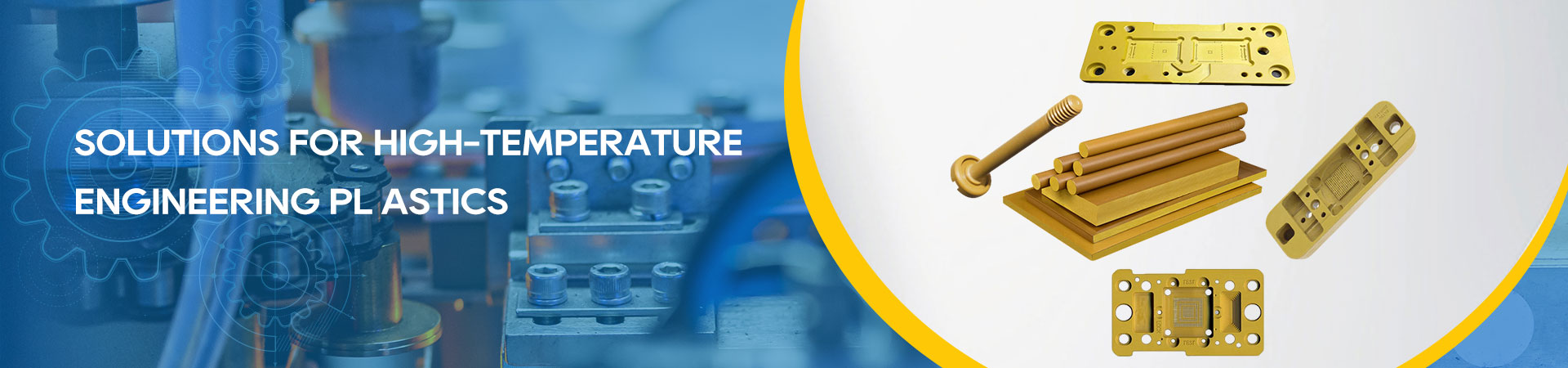
PI Rods are typically used as semi-finished materials that can be machined into bushings, insulators, bearings, structural components, and precision parts. Manufacturers such as Guangzhou Ideal supply high-quality PI Rods designed to meet demanding industrial standards.
The outstanding performance of PI Rods comes from the intrinsic molecular structure of polyimide. Below are the most important properties that make PI Rods stand out:
| Property | PI Rods | Typical Value |
|---|---|---|
| Continuous Working Temperature | Excellent | 260°C |
| Tensile Strength | High | 90–120 MPa |
| Electrical Insulation | Outstanding | >10¹⁶ Ω·cm |
| Wear Resistance | Excellent | Low friction coefficient |
The production of PI Rods is a highly controlled process that directly affects their final performance. Unlike standard thermoplastics, polyimide materials are typically processed using compression molding and sintering.
This complex manufacturing process results in PI Rods with exceptional internal structure and minimal defects, ensuring consistent performance even in critical applications.
One of the main reasons PI Rods are widely used is their ability to perform reliably in extreme heat. Unlike many plastics that soften or degrade, PI Rods retain their properties under continuous thermal stress.
These advantages make PI Rods ideal for aerospace components, semiconductor manufacturing equipment, and high-temperature insulation systems.
| Material | Max Working Temp | Mechanical Strength | Cost Level |
|---|---|---|---|
| PI Rods | 260°C+ | Very High | High |
| PEEK Rods | 250°C | High | Medium–High |
| PTFE Rods | 200°C | Low | Medium |
While PI Rods are more expensive, their performance advantages often result in longer service life and lower total cost of ownership.
Thanks to their exceptional properties, PI Rods are widely used in the following industries:
Components such as bearings, bushings, spacers, insulation sleeves, and structural parts are commonly machined from PI Rods supplied by experienced manufacturers like Guangzhou Ideal.
When selecting PI Rods for your application, consider the following factors:
Working with a reliable supplier ensures material traceability, consistent quality, and technical support throughout your project lifecycle.
Yes, PI Rods can operate continuously at temperatures up to 260°C without significant loss of performance.
PI Rods can be machined using standard CNC equipment with appropriate tooling and parameters.
PI Rods offer higher temperature resistance and better dimensional stability, while PEEK rods provide easier processing and lower cost.
Yes, PI Rods provide excellent electrical insulation and are widely used in electronic applications.
PI Rods represent the pinnacle of high-performance engineering plastics. Their unmatched thermal stability, mechanical strength, and reliability make them indispensable in industries where failure is not an option. Whether you are designing aerospace components or semiconductor equipment, PI Rods offer long-term performance and peace of mind.
If you are looking for premium-quality PI Rods with reliable technical support, Guangzhou Ideal is your trusted partner. Contact us today to discuss your application requirements and receive expert guidance.