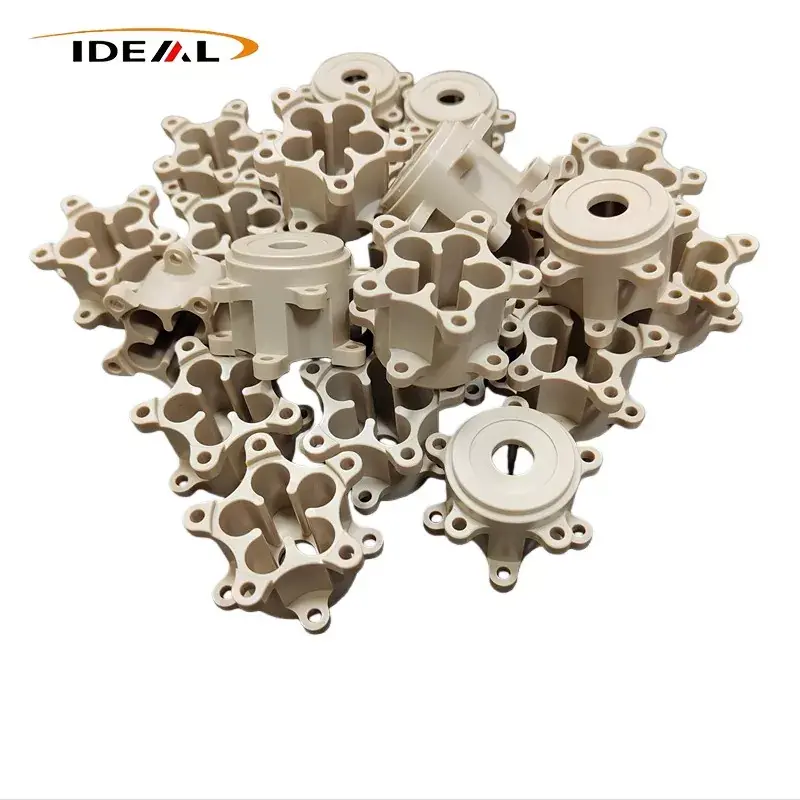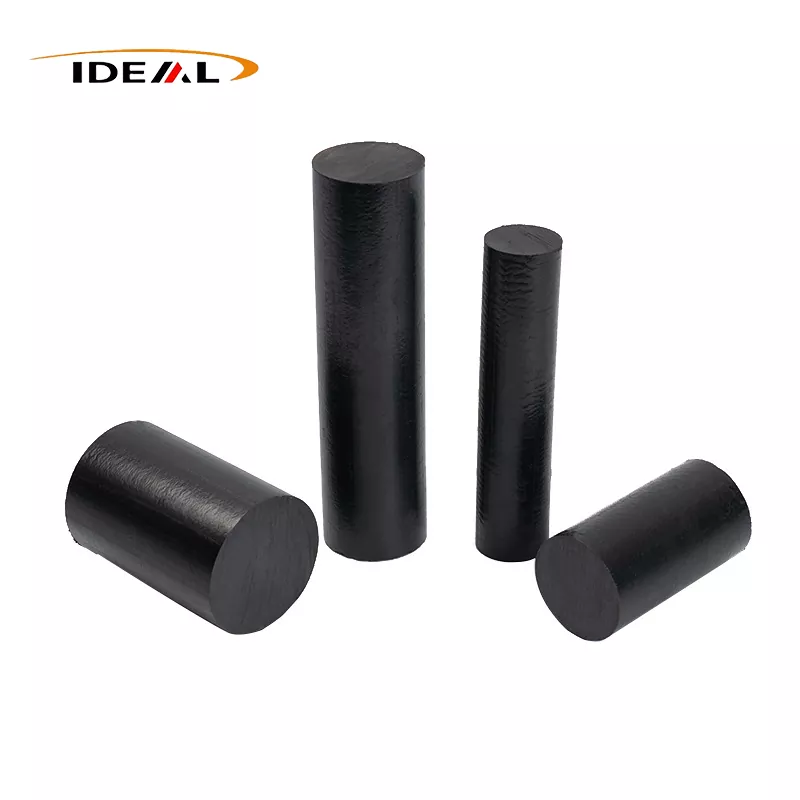
PAI Tubes (Polyamide-Imide Tubes) are among the most advanced high-performance engineering plastics available today. Designed for extreme thermal, mechanical, and chemical environments, PAI tubing solutions are widely used in aerospace, semiconductor, automotive, and precision industrial sectors.
In this comprehensive guide, we explore the material properties, advantages, manufacturing processes, application scenarios, and comparisons with alternative materials like PEEK and PTFE. Whether you're an engineer, procurement specialist, or R&D professional, this article will help you determine whether PAI tubes are the right solution for your high-performance application needs.
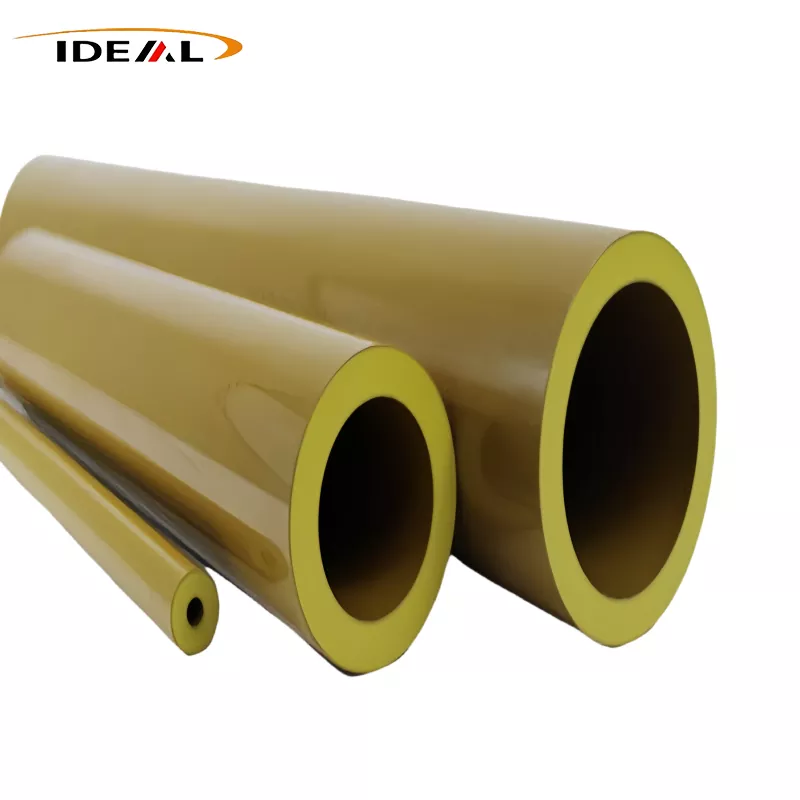
PAI Tubes are cylindrical components manufactured from Polyamide-Imide (PAI), a high-performance thermoplastic known for exceptional mechanical strength, thermal stability, and chemical resistance. PAI materials combine the processing advantages of thermoplastics with the performance characteristics typically associated with thermosets.
Compared to standard engineering plastics, PAI tubing offers superior compressive strength, excellent creep resistance, and remarkable dimensional stability even under continuous exposure to temperatures exceeding 250°C.
Companies like Guangzhou Ideal specialize in manufacturing precision PAI tubes for demanding industries where performance reliability is non-negotiable.
Understanding material performance is crucial when selecting high-performance polymer tubing. Below is a technical overview of typical PAI tube properties:
| Property | Typical Value | Performance Advantage |
|---|---|---|
| Continuous Use Temperature | 250°C – 260°C | Excellent high-temperature stability |
| Tensile Strength | 190 MPa | Superior structural integrity |
| Compressive Strength | 350 MPa | High load-bearing capability |
| Wear Resistance | Excellent | Long service life in friction systems |
| Chemical Resistance | High | Resistant to oils, fuels, solvents |
| Dimensional Stability | Very Low Creep | Precision tolerance retention |
These properties make PAI tubes particularly valuable in mission-critical engineering applications.
PAI tubing is ideal for bushings, sleeves, and rotating systems where friction reduction and long-term wear resistance are essential.
| Property | PAI Tubes | PEEK Tubes | PTFE Tubes |
|---|---|---|---|
| Max Continuous Temperature | 260°C | 250°C | 200°C |
| Mechanical Strength | Very High | High | Low |
| Wear Resistance | Excellent | Good | Moderate |
| Dimensional Stability | Outstanding | Very Good | Low |
While PEEK and PTFE are widely used engineering plastics, PAI tubes outperform them in extreme load-bearing and high-temperature structural applications.
PAI tubes can be produced through extrusion, compression molding, or precision machining from PAI rods. Customization options include:
As a trusted manufacturer, Guangzhou Ideal provides tailored PAI tube solutions to meet industry-specific performance standards.
High-performance PAI tubing must undergo strict quality inspections:
Manufacturers adhering to international standards ensure product consistency, traceability, and long-term reliability.
PAI tubes can operate continuously at temperatures up to 260°C without significant degradation.
For extreme load-bearing and wear-intensive applications, PAI generally offers superior mechanical strength and creep resistance.
Yes. Custom diameters, lengths, reinforcements, and machining services are widely available.
Yes. Their thermal and chemical stability make them suitable for high-purity and high-temperature semiconductor processes.
PAI Tubes represent the pinnacle of high-performance thermoplastic tubing. With exceptional strength, high-temperature endurance, wear resistance, and dimensional stability, they are the preferred solution for industries operating under extreme conditions.
If your application demands uncompromising reliability, precision engineering, and long-term durability, PAI tubes are the strategic material choice.
Looking for customized high-performance PAI tube solutions? Guangzhou Ideal provides expert engineering support, strict quality control, and tailored manufacturing services. Contact us today to discuss your project requirements and discover how our advanced PAI tubing solutions can enhance your industrial performance.