Industrial environments are becoming increasingly demanding. High temperatures, aggressive chemicals, mechanical stress, and strict dimensional requirements can quickly reduce the service life of conventional plastic components. PEEK Plastic Plates offer an advanced material solution by combining outstanding mechanical strength, thermal stability, chemical resistance, and excellent machinability. Understanding their properties and applications helps engineers and purchasing professionals make more reliable material decisions.
PEEK Plastic Plates, manufactured from polyether ether ketone, are high-performance engineering plastic sheets designed for applications that require long-term reliability under challenging operating conditions. This article explores their essential material characteristics, advantages, available grades, industrial applications, machining considerations, and purchasing factors. It also explains how to evaluate material specifications and select suitable PEEK plates for demanding engineering projects.
PEEK stands for polyether ether ketone, a semi-crystalline thermoplastic belonging to the polyaryletherketone (PAEK) family. It is widely recognized as one of the most advanced engineering plastics because of its ability to maintain useful mechanical properties under demanding environmental conditions.
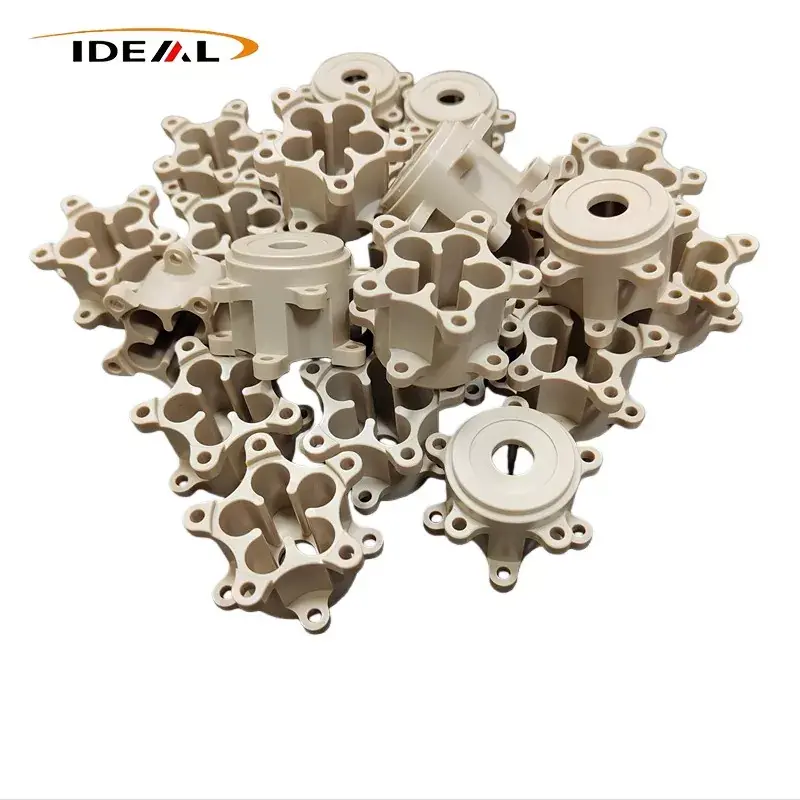
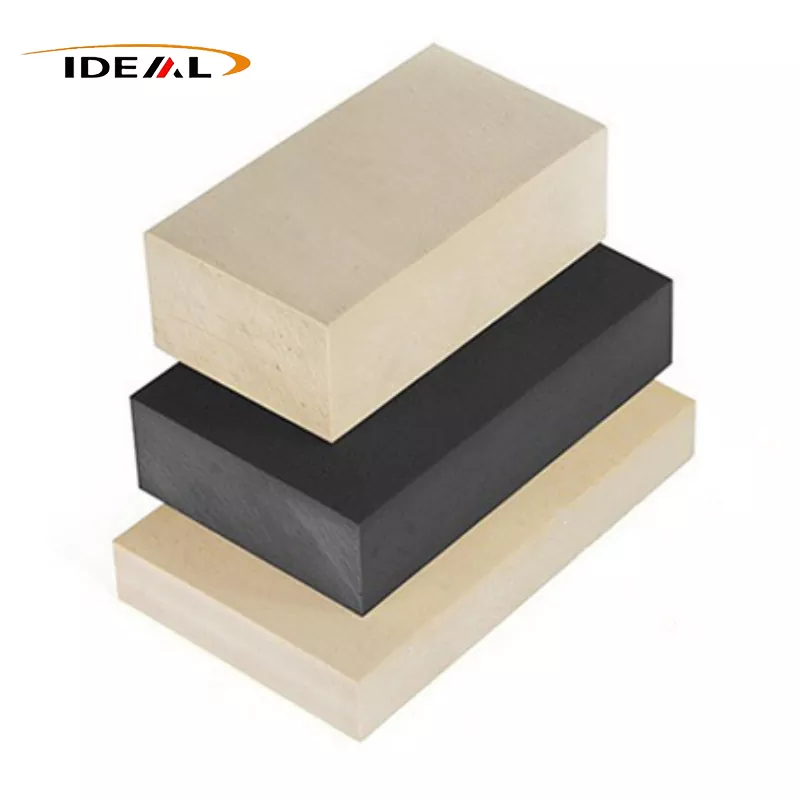
PEEK Plastic Plates are flat, semi-finished material products manufactured from PEEK resin. They can be supplied in different thicknesses, dimensions, and material grades to accommodate various industrial manufacturing requirements. Through CNC milling, drilling, cutting, and other machining processes, these plates can be transformed into precision components, structural parts, insulation panels, and equipment accessories.
Unlike ordinary plastics that may soften, deform, or lose strength when exposed to elevated temperatures, PEEK offers a combination of thermal resistance and mechanical performance that makes it suitable for challenging applications.
These characteristics make PEEK an attractive alternative to conventional engineering plastics and, in selected applications, certain metal components. However, its performance depends on the material grade, manufacturing process, temperature, mechanical loading, and actual service environment.
Material failure can result in equipment downtime, increased maintenance costs, production interruptions, and potential safety risks. Choosing an appropriate engineering material is therefore essential for manufacturers operating in industries where reliability and precision are critical.
Temperature resistance is one of the most important reasons engineers select PEEK. Standard plastics may experience softening, deformation, or reduced mechanical strength when exposed to prolonged heat. PEEK can maintain useful performance at significantly higher operating temperatures.
Unfilled PEEK commonly has a continuous service temperature of approximately 250°C, with some material references specifying values up to 260°C. Its glass transition temperature is approximately 143°C, while its melting temperature is around 343°C.
These characteristics make PEEK plates suitable for equipment exposed to elevated temperatures, thermal cycling, and certain sterilization processes. Nevertheless, the maximum temperature rating should not be confused with the temperature at which a component can carry its full design load. Engineers should evaluate creep, stress, exposure duration, and environmental conditions before finalizing a specification.
PEEK combines high tensile strength, stiffness, toughness, and fatigue resistance. This balance allows manufacturers to produce durable components that can withstand repeated mechanical loading and demanding operating conditions.
In selected applications, PEEK can replace metal parts while reducing component weight and avoiding problems associated with corrosion. This is particularly valuable for precision machinery, transportation equipment, and aerospace-related components.
Its mechanical properties also make it suitable for machining load-bearing brackets, support plates, gears, bushings, and other customized components. Reinforced grades can provide additional stiffness when the design requires improved rigidity.
Chemical exposure is a major challenge in chemical processing, pharmaceutical production, and semiconductor manufacturing. Some conventional plastics can deteriorate when exposed to oils, solvents, cleaning agents, or aggressive industrial fluids.
PEEK provides excellent resistance to many common chemicals, including numerous organic solvents, hydrocarbons, oils, and alkaline solutions. It also demonstrates excellent resistance to hot water and steam under suitable conditions.
However, PEEK is not universally resistant to every chemical. Concentrated sulfuric acid, strong oxidizing agents, certain halogen-containing substances, and some aggressive chemicals at elevated temperatures may cause degradation. Chemical compatibility should always be verified against the actual concentration, temperature, and exposure time.
Precision equipment requires components that retain their dimensions during operation. Excessive moisture absorption or thermal expansion can affect tolerances, alignment, and overall equipment performance.
PEEK has relatively low moisture absorption compared with many conventional engineering plastics. Its dimensional stability, combined with good stiffness and wear resistance, makes it suitable for precision mechanical components, sliding parts, and equipment fixtures.
For applications involving continuous friction, modified PEEK grades containing carbon fiber, graphite, or PTFE may offer improved wear and friction characteristics. The appropriate formulation depends on contact pressure, speed, lubrication, and the properties of the mating surface.
PEEK also provides useful electrical insulation properties, making it suitable for selected electrical and electronic applications. Its low flammability and ability to meet UL 94 V-0 classifications in specified grades and thicknesses can provide additional design benefits.
These properties are particularly valuable in electronic equipment, electrical connectors, insulation components, and industrial systems where thermal and electrical performance must be considered together. Actual certification requirements should be confirmed for the selected material grade and finished component.
Not all PEEK Plastic Plates have identical characteristics. Different formulations are developed to address specific requirements involving strength, stiffness, friction, wear, and dimensional stability. Understanding these variations helps buyers avoid selecting an unnecessarily expensive or unsuitable material.
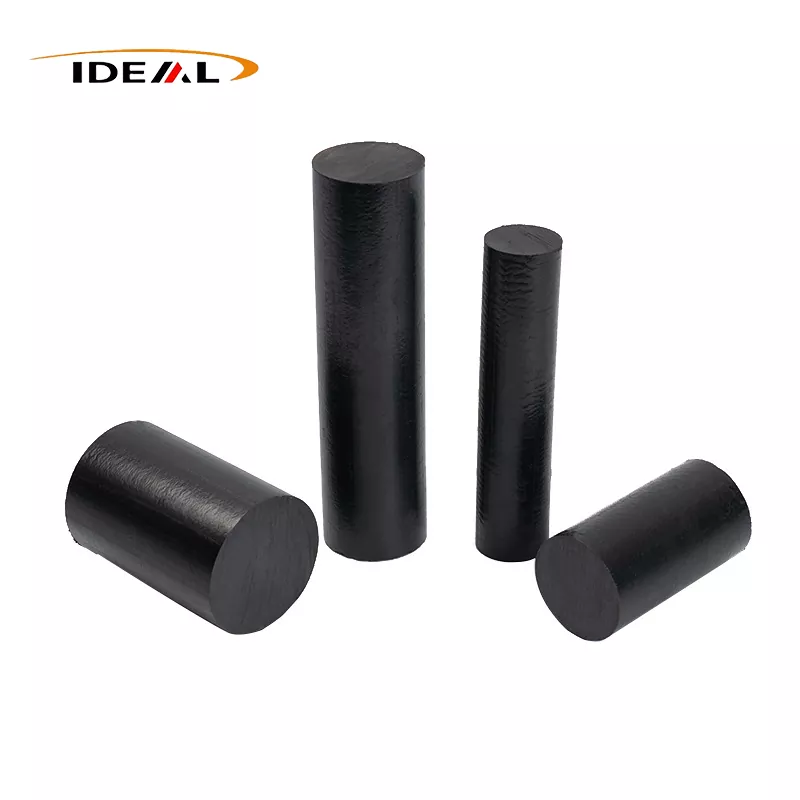
Virgin PEEK plates are made from unfilled PEEK resin. They provide a balanced combination of mechanical strength, toughness, chemical resistance, and thermal stability.
This grade is suitable for general-purpose high-performance engineering applications, particularly where chemical resistance, electrical insulation, and toughness are important.
Glass fiber reinforced PEEK typically contains approximately 30% glass fiber. The reinforcement improves stiffness, reduces thermal expansion, and enhances dimensional stability under mechanical loading.
These plates are often considered for structural components, machine fixtures, and applications requiring greater rigidity. However, their increased stiffness may come with reduced elongation and different wear characteristics compared with virgin PEEK.
Carbon fiber reinforced PEEK offers improved stiffness and strength-to-weight performance. It can also provide better thermal conductivity and reduced thermal expansion compared with unfilled material.
This grade is useful for aerospace components, precision machinery, and demanding mechanical applications. Its electrical conductivity and potential galvanic interaction with certain metals should be considered during component design.
Modified PEEK grades may incorporate graphite, PTFE, carbon fibers, or other additives to improve friction behavior, wear resistance, or application-specific performance.
| PEEK Grade | Main Characteristics | Typical Applications |
|---|---|---|
| Virgin PEEK | Balanced strength, toughness, and chemical resistance | General engineering, insulation parts |
| Glass-Filled PEEK | Higher stiffness and improved dimensional stability | Structural parts, machine fixtures |
| Carbon-Filled PEEK | High stiffness, strength, and reduced thermal expansion | Aerospace and precision machinery |
| Modified PEEK | Enhanced friction and wear characteristics | Bearings, bushings, sliding components |
When purchasing PEEK plates, buyers should confirm the exact grade, resin formulation, manufacturing method, and technical documentation rather than relying on a general product name.
The combination of thermal stability, mechanical performance, chemical resistance, and precision machinability allows PEEK plates to serve a wide range of industries.
Weight reduction and structural reliability are important considerations in aerospace engineering. PEEK can be used to manufacture brackets, clips, insulation components, structural supports, and specialized mechanical parts.
Compared with many metals, PEEK offers lower density while retaining useful mechanical strength. Reinforced grades can further improve stiffness for demanding designs.
PEEK is used in selected medical instruments, equipment components, and applications involving repeated sterilization. Its chemical resistance and ability to tolerate certain high-temperature sterilization conditions make it valuable in this field.
However, industrial-grade PEEK should not automatically be regarded as medical-grade material. Medical applications require appropriate material traceability, biocompatibility evaluation, processing controls, and regulatory documentation.
Semiconductor production requires high-precision equipment and materials that can perform reliably in controlled manufacturing environments. PEEK plates can be machined into wafer-handling components, insulating fixtures, equipment supports, and specialized parts.
Their low moisture absorption, dimensional stability, and resistance to many chemicals are useful in applications where contamination control and manufacturing consistency are important. Specific semiconductor-grade requirements should be assessed separately.
Pumps, valves, fluid handling equipment, and chemical processing systems frequently encounter aggressive operating conditions. PEEK plates can be fabricated into seals, support components, valve parts, and wear-resistant machine elements.
Their resistance to many industrial fluids and good mechanical properties can help extend component service life when the selected grade is compatible with the operating environment.
PEEK is also used in selected food processing machinery, conveyor components, bearings, and equipment accessories. Its temperature resistance and wear characteristics make it useful in applications requiring durable mechanical components.
For direct food-contact applications, buyers should verify the relevant food-contact compliance documentation for the specific grade and finished product.
PEEK plates offer good machinability and can be processed using conventional industrial machining equipment. Nevertheless, high-performance materials require appropriate tooling, cutting parameters, and temperature management to achieve consistent results.
Although PEEK is relatively easy to machine compared with some advanced engineering materials, incorrect processing may cause dimensional inaccuracies, internal stress, or surface defects.
Working with an experienced PEEK material supplier can help manufacturers identify suitable stock dimensions and grades before beginning machining operations.
Selecting the right material is not simply a matter of comparing prices. Purchasing professionals and engineers should evaluate the actual operating environment, product requirements, and long-term production costs.
Start by identifying the operating temperature, chemical exposure, mechanical loads, friction conditions, and environmental factors. A material that performs well in one application may not be suitable for another.
Virgin PEEK is suitable for many general engineering applications. Glass-filled and carbon-filled grades may be preferable when greater stiffness and dimensional stability are required. Modified grades are worth considering for sliding and wear-related applications.
Buyers should provide the required plate length, width, thickness, dimensional tolerances, and any special flatness requirements. Custom cutting may reduce material waste and simplify subsequent manufacturing operations.
Reliable material sourcing requires more than a product description. Buyers should request technical data sheets, material grade identification, batch traceability, inspection records, and relevant compliance documents when necessary.
PEEK is generally more expensive than conventional engineering plastics. However, its longer service life, reduced maintenance requirements, and ability to replace selected metal components may provide cost advantages over the complete product lifecycle.
| Purchasing Factor | Questions to Confirm | Why It Matters |
|---|---|---|
| Material Grade | Virgin, glass-filled, carbon-filled, or modified? | Determines application suitability |
| Temperature | What are the continuous and peak temperatures? | Prevents thermal performance issues |
| Chemical Compatibility | Which chemicals and concentrations are involved? | Reduces material degradation risks |
| Dimensions | What thickness, width, and length are required? | Ensures production compatibility |
| Quality Documentation | Are technical data and inspection records available? | Supports consistent procurement |
| Supply Capability | Can the supplier support repeat orders and customization? | Improves supply chain reliability |
Even high-performance materials can encounter problems when specifications or processing methods are inappropriate. Identifying potential issues before production helps reduce unnecessary costs and improve component reliability.
Possible cause: The component is exposed to excessive temperature or mechanical stress, or the selected grade does not provide sufficient stiffness.
Practical solution: Review the actual operating load and temperature. Consider reinforced PEEK grades and evaluate creep performance under long-term loading.
Possible cause: Excessive cutting heat, residual stress, inappropriate tooling, or inadequate dimensional inspection.
Practical solution: Optimize machining parameters, consider intermediate stress relief, and establish controlled inspection procedures.
Possible cause: The actual chemical concentration, operating temperature, or exposure duration exceeds the material's compatibility limits.
Practical solution: Verify chemical resistance using application-specific compatibility data and conduct testing under representative operating conditions.
Possible cause: Incorrect grade selection, excessive material dimensions, or unnecessary performance specifications.
Practical solution: Work with a knowledgeable supplier to select the appropriate material grade, optimize plate dimensions, and evaluate the total cost of ownership rather than focusing exclusively on the initial purchase price.
Standard unfilled PEEK generally supports continuous operating temperatures of approximately 250–260°C, depending on the manufacturer and material grade. Actual performance under load may be lower, so engineers should evaluate thermal aging, creep, and mechanical stress.
Yes. PEEK offers excellent resistance to many organic solvents, oils, fuels, alkaline solutions, hot water, and steam. However, it is not resistant to every chemical, particularly certain concentrated strong acids and aggressive oxidizing agents. Compatibility testing is recommended for critical applications.
In selected applications, yes. PEEK provides a useful combination of strength, stiffness, wear resistance, and lower density than many metals. However, the replacement decision should consider load capacity, temperature, creep, fatigue, and the mechanical design of the component.
Virgin PEEK provides balanced mechanical strength, toughness, and chemical resistance. Glass-filled PEEK generally offers higher stiffness and improved dimensional stability, making it suitable for applications involving greater structural requirements. Its toughness and wear characteristics differ from those of unfilled material.
Yes. PEEK plates can be processed through CNC milling, drilling, sawing, and other conventional machining methods. Appropriate tooling, temperature control, and stress management are important for achieving precise dimensions and good surface quality.
PEEK is used in selected medical devices and equipment components because of its mechanical properties and ability to withstand certain sterilization processes. However, medical applications require specific grades, biocompatibility evaluation, traceability, and applicable regulatory documentation.
PEEK plates should be stored in a clean, dry environment and protected from unnecessary mechanical damage, contamination, and deformation. Proper packaging and stable storage conditions help maintain material quality before machining or further processing.
Buyers should provide the required material grade, plate thickness, length, width, quantity, dimensional tolerances, application environment, and any special certification or inspection requirements. Drawings and technical specifications can help suppliers provide more accurate quotations.
PEEK Plastic Plates provide a powerful material solution for industrial applications where conventional plastics may not offer sufficient thermal stability, chemical resistance, mechanical strength, or dimensional reliability. Their versatility makes them valuable across aerospace, medical equipment, semiconductor manufacturing, chemical processing, electronics, and precision machinery.
However, achieving the best results requires more than choosing PEEK as a material. Buyers and engineers must also consider the correct grade, manufacturing process, operating environment, dimensional requirements, and quality documentation. A well-matched material specification can help reduce component failure, improve manufacturing efficiency, and support long-term equipment performance.
Guangzhou Ideal Plastic Technology Co., Ltd. understands the importance of reliable engineering plastic materials for modern industrial applications. By focusing on material selection, product specifications, and customer requirements, the company aims to support manufacturers and purchasing professionals in finding suitable plastic material solutions for their projects.
Choosing the right engineering plastic is essential for achieving consistent product quality and long-term operational performance. Whether you need standard PEEK plates, specific material grades, customized dimensions, or professional product information, Guangzhou Ideal Plastic Technology Co., Ltd. is ready to discuss your requirements.
Contact us today to learn more about our PEEK Plastic Plates and explore suitable material solutions for your industrial applications.