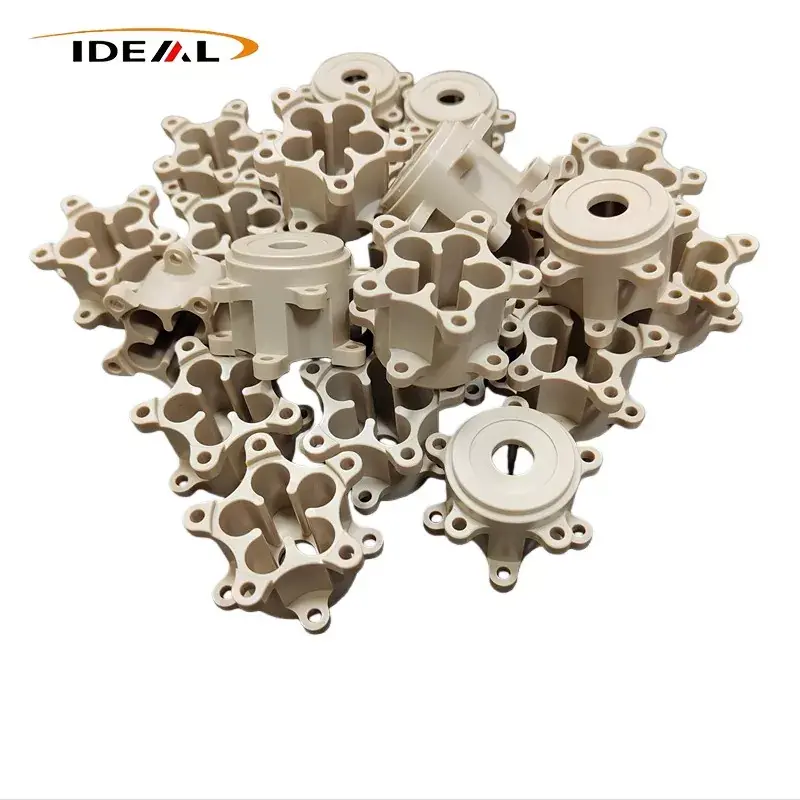
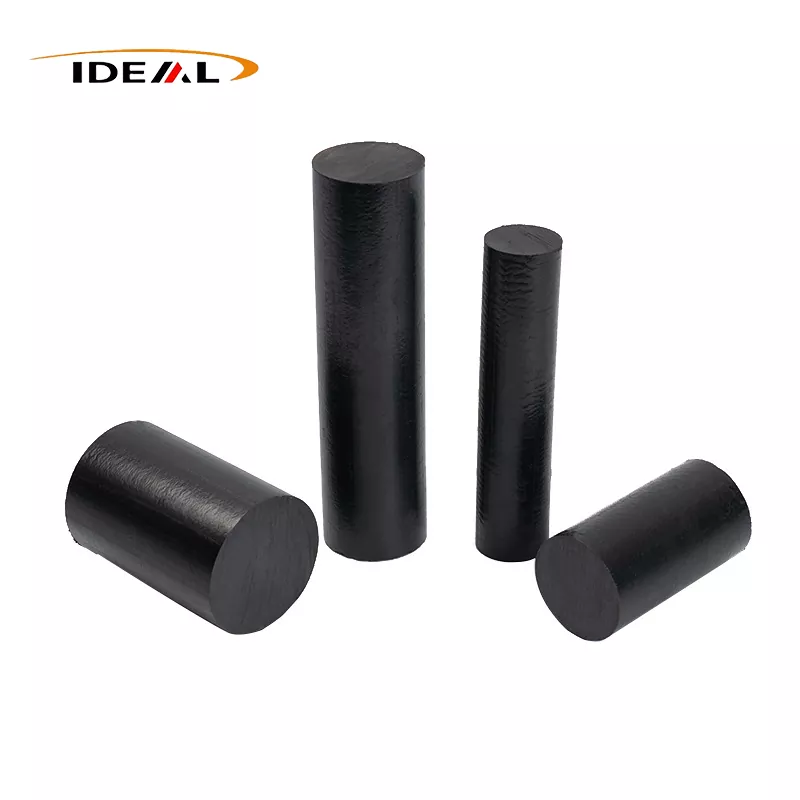
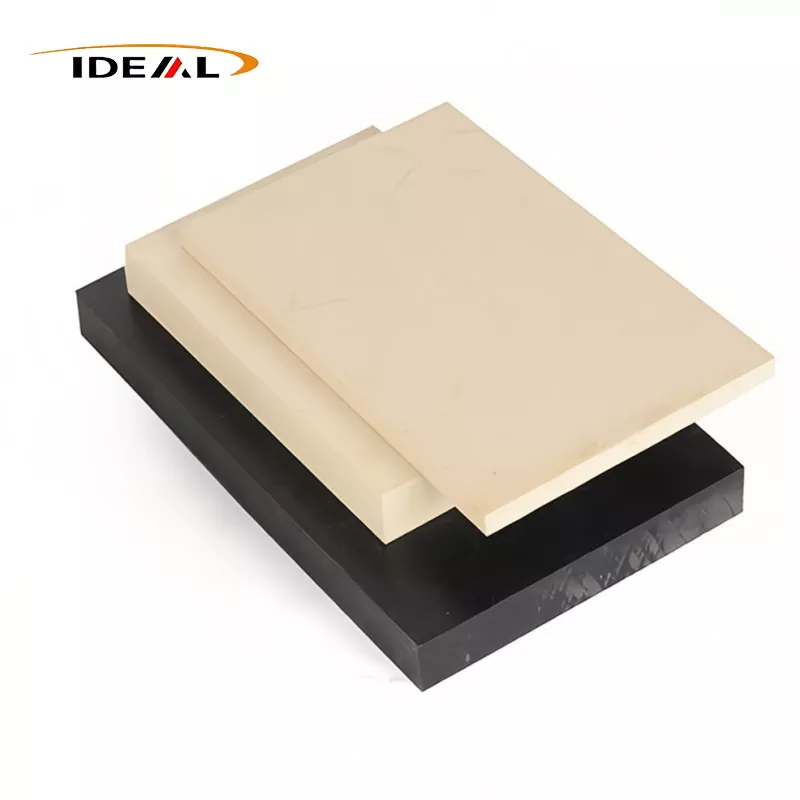
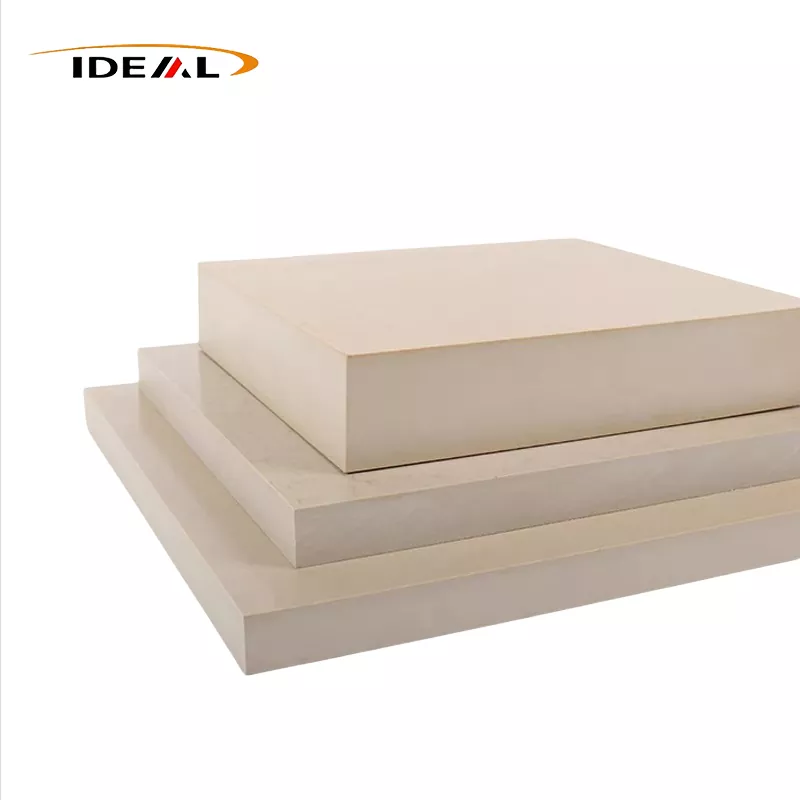
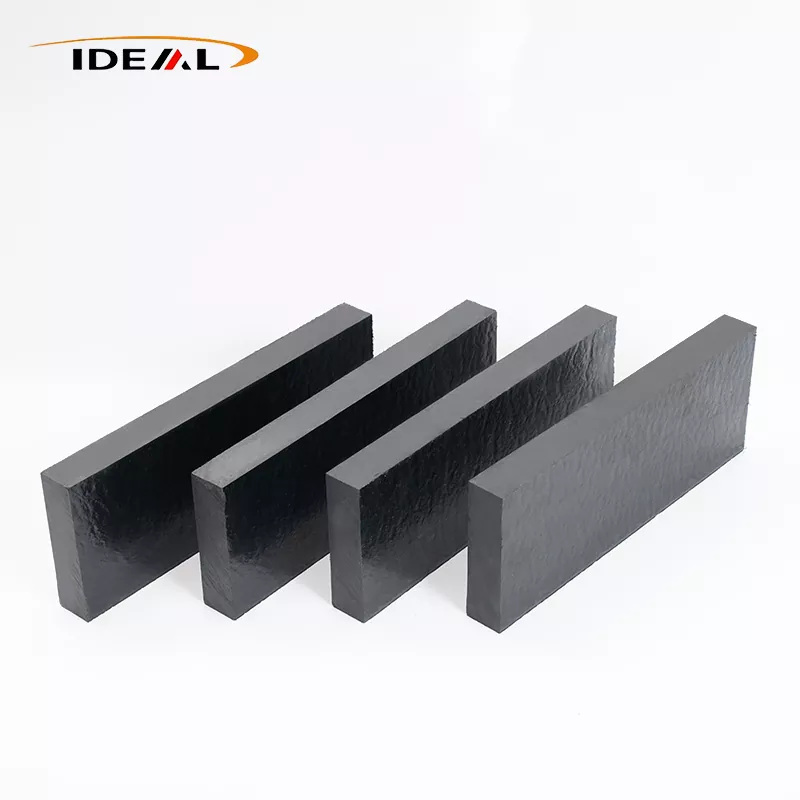
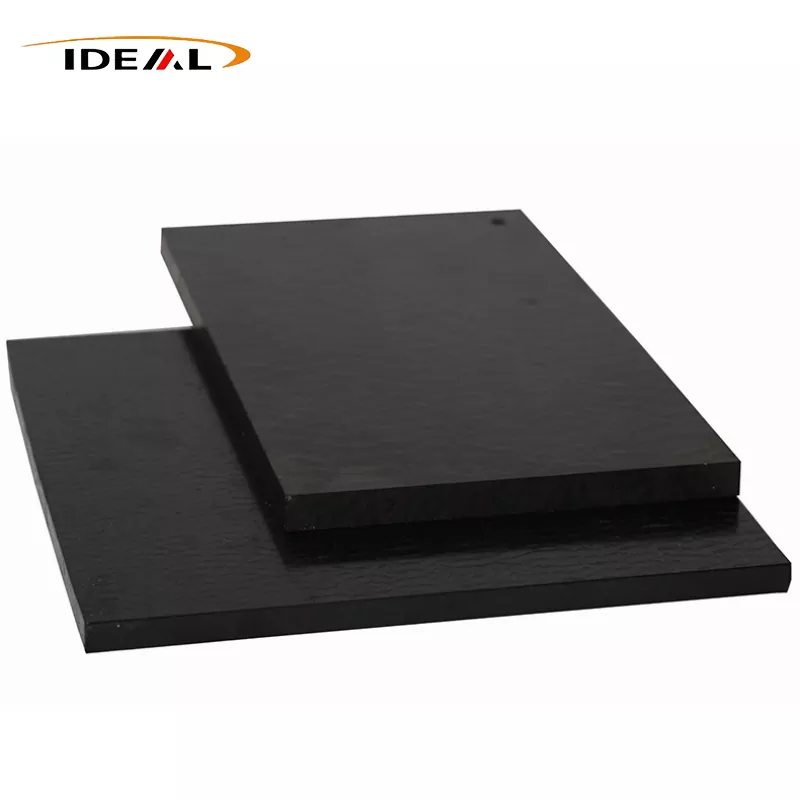
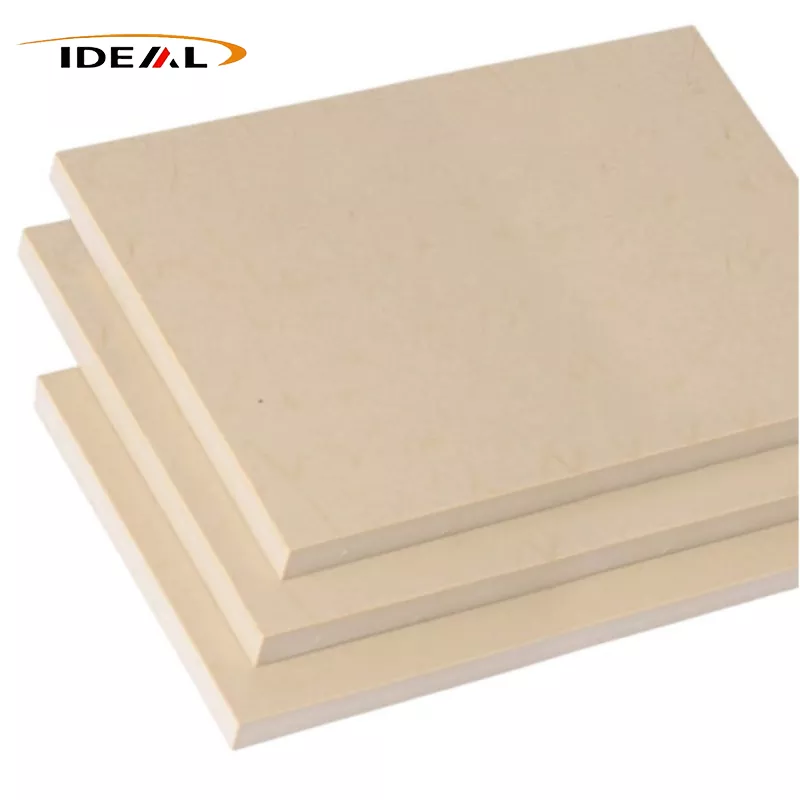
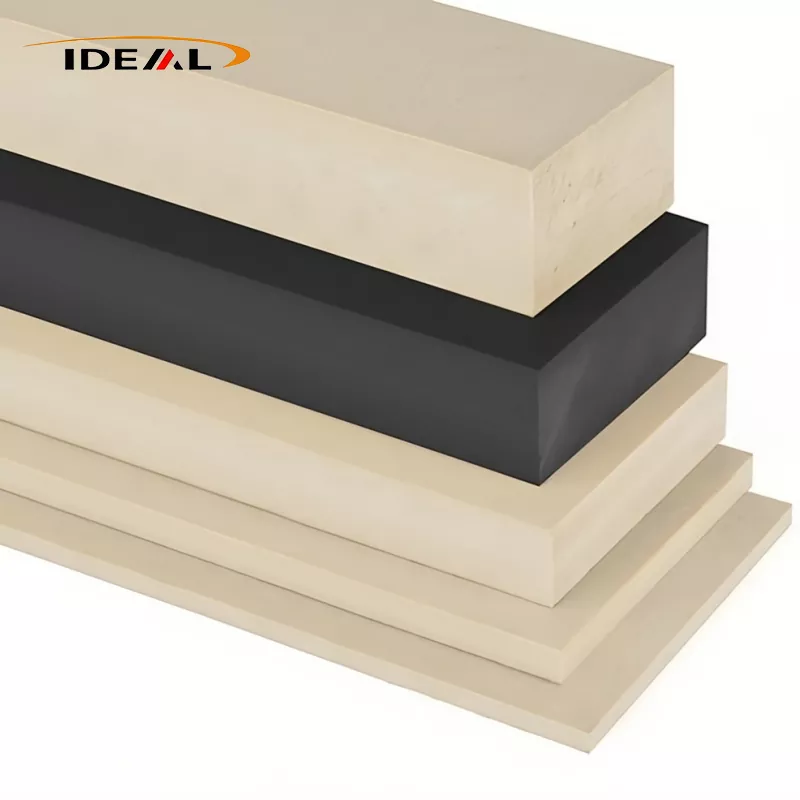
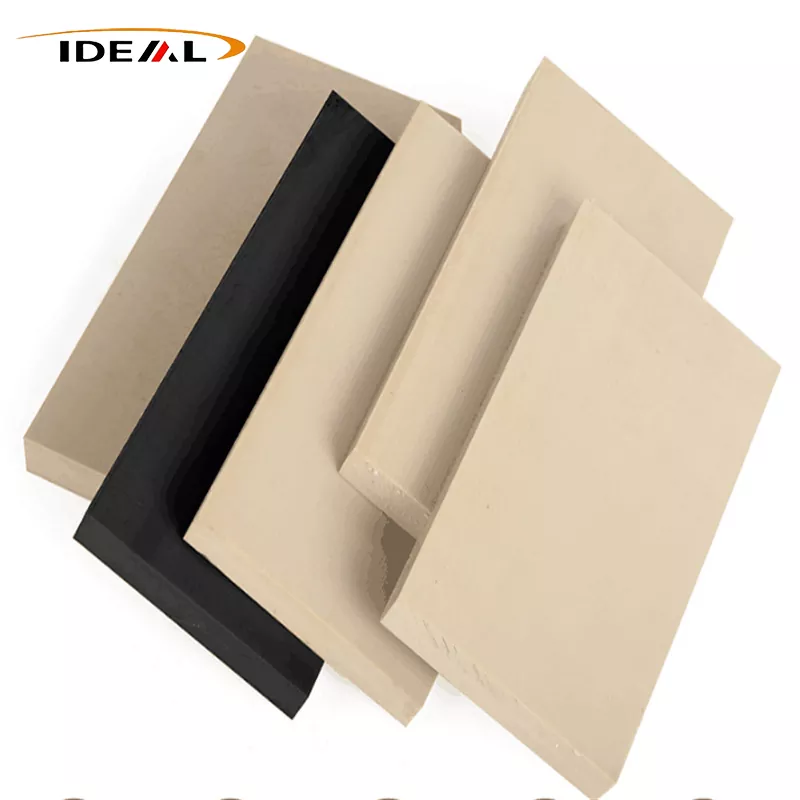
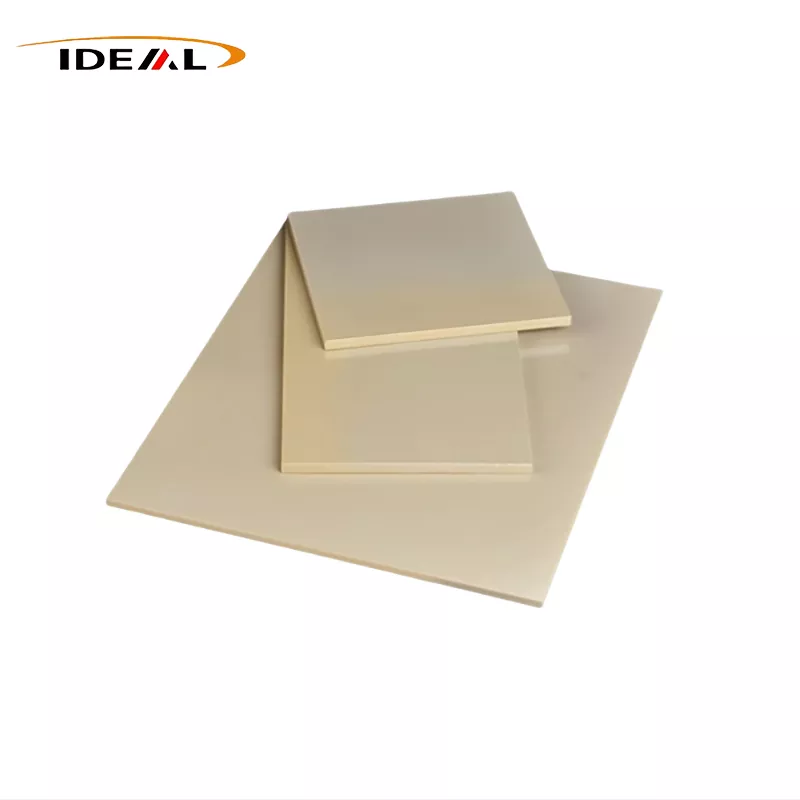
PEEK plastic plates PEEK profiles are known for their well-rounded performance and are widely used across different industries. PEEK, short for polyetheretherketone, is a semi-crystalline high-performance engineering plastic. It really excels in all sorts of areas—heat resistance, self-lubrication, chemical resistance, flame retardancy, hydrolysis resistance, wear resistance, and fatigue resistance. Thanks to ongoing improvements in synthesis and processing tech, we can further enhance certain properties of PEEK through methods like chemical modification, blending, or adding fillers. Since it's a thermoplastic, there are plenty of ways to process it: injection molding, extrusion, compression molding, and even melt spinning.
When it comes to PEEK plastic plates as a high-temperature resistant plastic profile, there are two main ways to shape it:
First, compression molding: Basically, we preheat the PEEK material, place it into the mold cavity, then close the mold under heat and pressure. After it cools down, we take it out and clean up the edges. This approach is great for custom-sized or small-batch sheet production—plus, the surface finish of the tubes made this way comes out really smooth.
Second, extrusion molding: If you need continuous lengths with a fixed cross-section, extrusion is usually the way to go. Here, an extruder pushes melted PEEK through a die under high pressure. It's efficient and cost-effective. The key during extrusion is to carefully balance the speed, temperature, and pull rate so the PEEK plate stays consistent and high-quality.
GuangZhou Ideal is a Chinese company focused on high-end engineering plastics, handling everything from R&D and manufacturing to sales and service. Since 2011—that’s over ten years now—we’ve been producing, selling, and doing precision cutting for PEEK plastic sheet. The products we deliver don’t just meet spec; they often exceed what customers ask for across various metrics. We’ve built a solid reputation in the industry and have always maintained strong feedback from our clients.
|
Product name |
PEEK plate |
|
Material |
Pure PEEK Fiber reinforced grade, abrasion resistant grade, antistatic grade |
|
Color |
Nature,black |
|
Breadth |
600mm-1250mm |
|
Thickness |
3mm - 100mm |
|
Tolerance |
±0.02mm |
|
Certificates |
ISO9001:2008, REACH, ROHS |
|
Delivery time |
Standard sizes ship on the same day; custom sizes take 7-10 days. |
|
sample |
Free |
1.Let's talk about heat resistance. PEEK plastic plates is a semi-crystalline polymer. Its glass transition temperature is 143°C, and it doesn’t actually melt until it hits 334°C. Now, the neat resin—meaning no additives—has a heat deflection temperature that’s not super high, only about 152°C. But if you reinforce it with 30% glass fiber or carbon fiber, that heat deflection temperature jumps way up to around 300°C.
2.When it comes to mechanical properties, this material is strong and stiff. Its tensile strength is over 100 MPa, and it has really standout flexural strength and stiffness. Plus, it’s tough and impact resistant. Even in high-temperature conditions, it keeps its strength well. Overall, its mechanical performance beats other common thermoplastics.
3.Fatigue resistance is another strong point. PEEK plastic sheet holds up really well under repeated stress and doesn’t fatigue easily. Its fatigue life is way longer than plastics like PA (nylon) or POM (acetal), so it’s a great fit for high-vibration applications—think brackets in electronics or bearing cages in machinery.
4.As for creep resistance, PEEK barely budges under long-term stress, even at high temperatures. For example, under 10 MPa of load at 120°C, its creep strain is just 0.5% over 1000 hours. That’s a lot lower than materials like nylon or polyester, making it ideal for parts where dimensions really need to stay put, like precision instrument housings.
5.On chemical resistance: PEEK plate handles most chemicals and solvents just fine. Only a few really aggressive ones can damage it. To give you an idea, it can sit in solutions like 37% hydrochloric acid, 50% sulfuric acid, 20% nitric acid, or 50% sodium hydroxide at room temperature without a problem. Even after long exposure, its mechanical properties hardly change. That makes it useful for chemical equipment—valves, pipe linings, and so on.
6.Lastly, friction and wear. Pure PEEK has a coefficient of friction against steel in the range of 0.3–0.4. But if you add lubricants like PTFE or graphite into the mix, you can get that down below 0.1. It’s also very wear-resistant. Because of that, it works really well in parts that need to slide or move without oil lubrication—things like bearings, gears, and various sliding components.
1.Aerospace:
PEEK plastic plates material really holds up against tough weather and high heat, which is why you’ll often find it in aircraft radar parts, antenna covers, and engine components. Even under extreme conditions, it’s reliable and doesn’t give out.
Besides that, carbon-fiber or glass-reinforced PEEK is also used to make things like door handles, cabin panels, control levers, and helicopter tail fins for planes and spacecraft. Using it has made these parts noticeably stronger and longer-lasting.
2.Energy Sector:
Industries like nuclear power and oil & gas equipment need materials that perform under pressure—literally. PEEK fits the bill because it stands up to radiation, keeps its electrical properties at high temps, and has great mechanical strength.
3.Electronics:
The electrical and electronics sector takes up a big slice of the global PEEK market. PEEK plastic sheet plays a key role in parts like chip packaging, printed circuit boards, and photoresists—basically, it keeps a lot of our gadgets running.
4.IT & Semiconductor Manufacturing:
In semiconductor production, PEEK is now the go-to for CMP fixing rings. They used to use PPS rings, but PEEK lasts about twice as long thanks to better wear resistance. That means fewer breakdowns, less downtime, and more output.
5.Industrial Applications:
In machinery, PEEK plate is often used for compressor valve plates, piston rings, seals, and parts for chemical pumps and valves. It’s also common to swap stainless steel for PEEK in vortex pump impellers. Plus, PEEK resin fittings can handle high temperatures and bond well with adhesives—so don’t be surprised if it starts popping up in connectors everywhere.
6.Food Industry:
PEEK is chemically stable, barely absorbs moisture, and meets food safety standards, so it’s a solid pick for food and beverage equipment like conveyor chains, valves, and seals.
At GuangZhou Ideal, our PEEK plastic plates products come in all sorts of sizes and specs. Whether you’re ordering in bulk or just want to try a few, we’ve got you covered—and the quality is always solid. Even if it’s just a single piece, we’ll ship it out, no problem. With so many options available, you’re sure to find what fits. No need to shop around—you can get the right products right here.
1. So, what does your company actually do?
We’re Guangzhou Ideal Plastic Technology Co., Ltd. We started in Hong Kong in 2011, and our main factory is in Huangpu, Guangzhou. Basically, we specialize in developing and manufacturing semi-finished profiles from special engineering plastics—stuff like PEEK, PAI, PI, PPS, PPSU, PEI, and similar high-performance materials. On top of that, we offer CNC machining and injection molding services to help our customers turn those materials into finished parts.
2. Is the performance of your products reliable?
Absolutely. We source all our raw materials from well-known brands, both locally and internationally. Every batch comes with its own material report, so you know exactly what you’re getting. Our product performance is top-tier in the industry, and we can provide detailed property sheets if you need them.
3. How do payments work?
We usually ask for a partial deposit upfront before we begin production. Once everything’s finished, you pay the remaining balance. As soon as we receive the final payment, we’ll arrange shipping right away. You can pay into our HSBC Hong Kong account, or through your own freight forwarder if you prefer.
4. Do your products come with any certifications?
Yes—our company is ISO9001:2008 certified for quality management. Our products also hold SGS, CE, and RoHS certifications, and they meet environmental standards like REACH and EN71, among others.
5. What’s your policy on returns or exchanges?
If there’s a quality problem, something we messed up, or any issue that makes the product unusable, just let us know as soon as possible. Once we verify the situation, we’ll arrange a return or exchange and cover the shipping costs ourselves.
If you simply ordered the wrong thing or changed your mind—especially with raw profiles—we can still help as long as the material is in resalable condition. In that case, we’d ask you to cover the return shipping.