
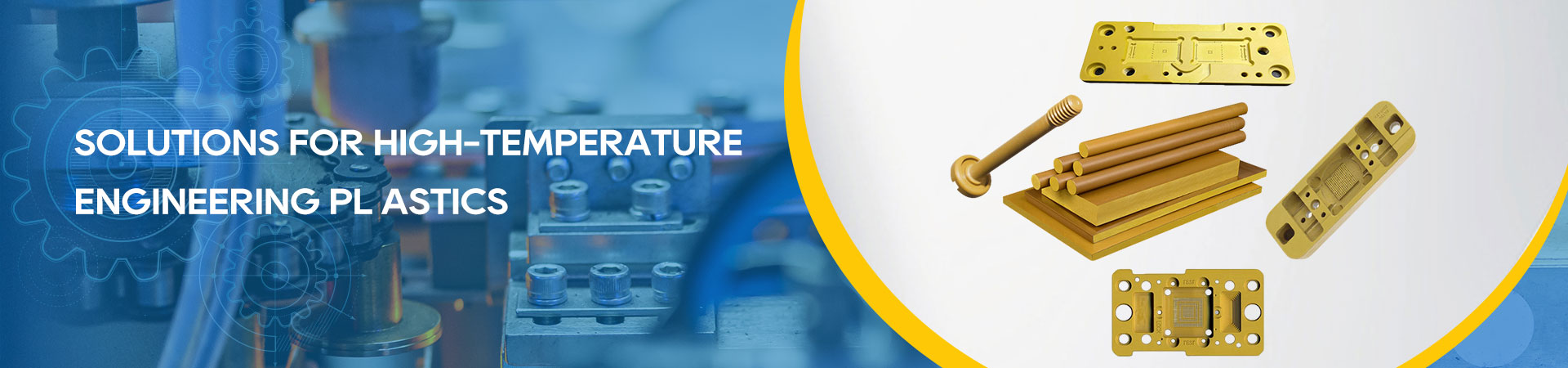


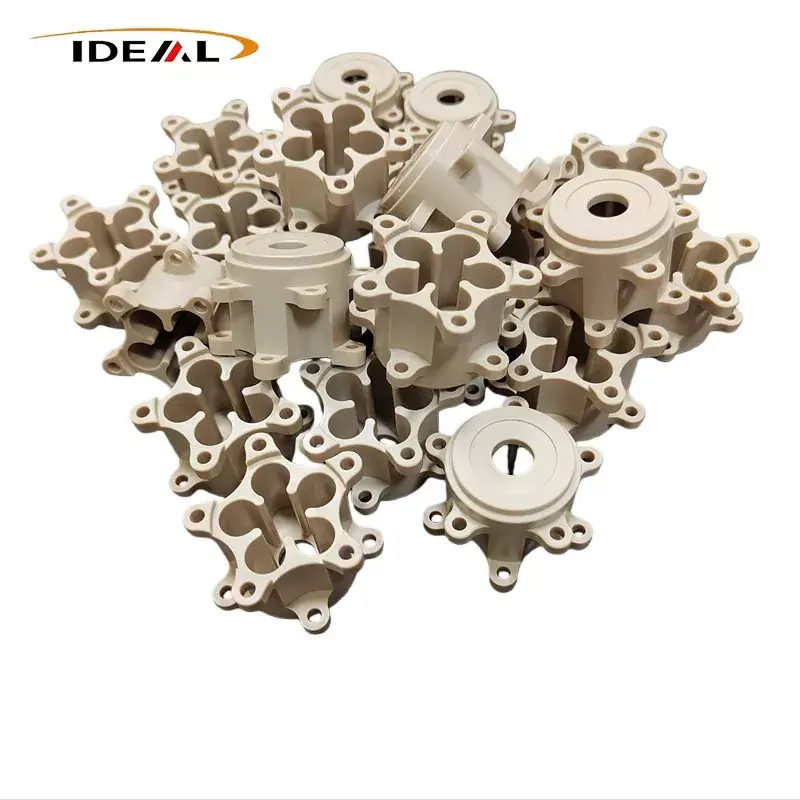
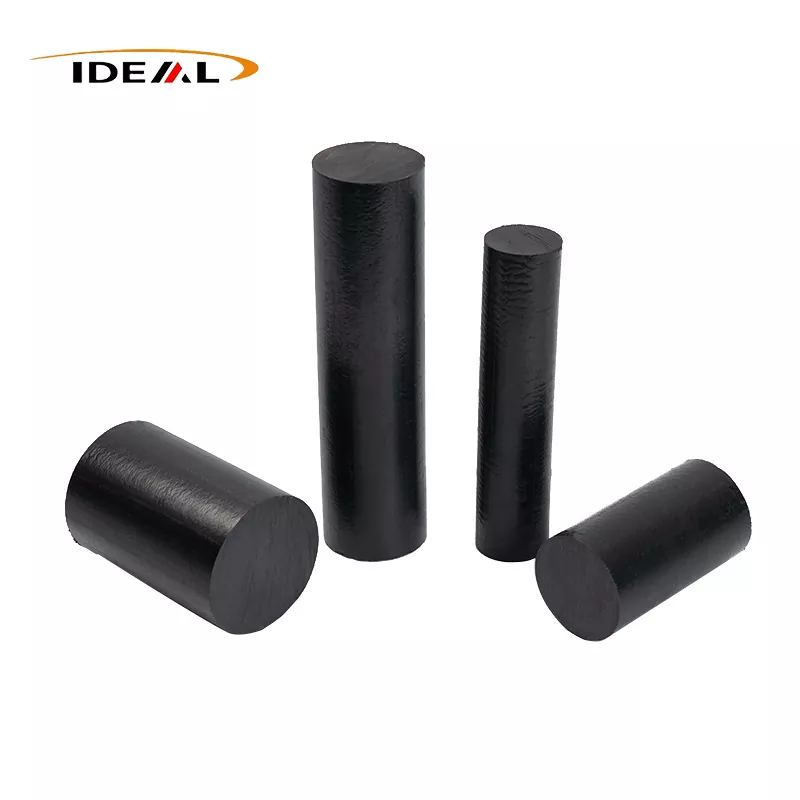
Polyetheretherketone PEEK Rod is a high-performance engineering plastic stock shape designed for applications that demand a combination of mechanical strength, thermal stability, chemical resistance, and dimensional reliability. From precision-machined bushings to chemical processing components, PEEK rods offer engineers an alternative to conventional plastics and, in selected applications, metal parts.
However, choosing the right material involves more than checking its maximum service temperature. Operating loads, chemical exposure, friction, dimensional tolerances, and machining requirements all influence long-term performance. This guide explains the essential characteristics of PEEK rod, its industrial applications, available material grades, and the practical considerations that help buyers make informed purchasing decisions.
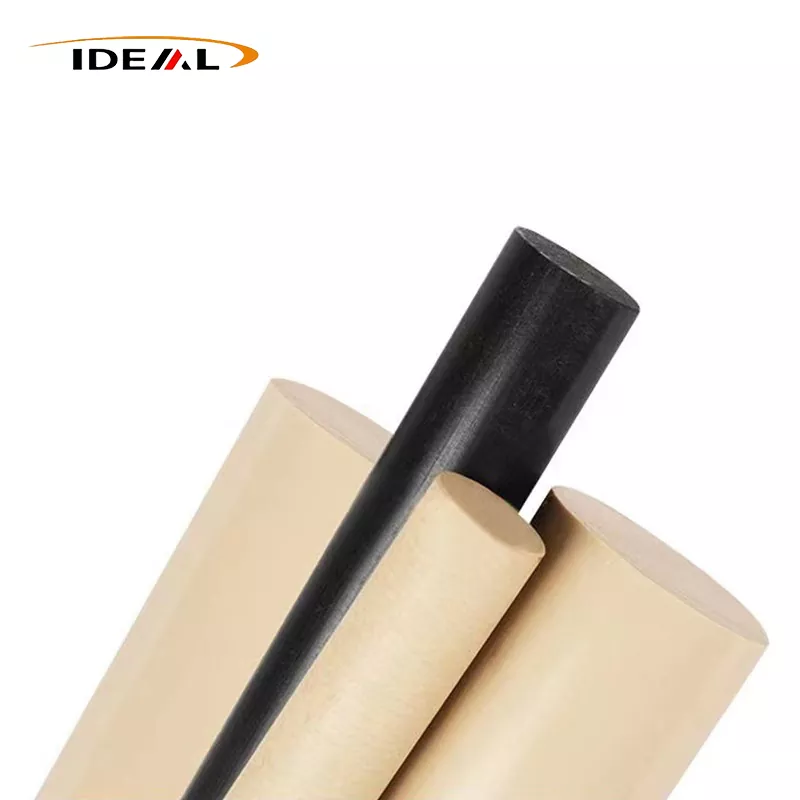
Table of Contents
- What Is Polyetheretherketone PEEK Rod?
- Key Properties and Performance Characteristics
- Which PEEK Rod Grades Are Available?
- Industrial Applications of PEEK Rod
- PEEK Rod Compared with Other Engineering Plastics
- How to Select the Right PEEK Rod
- Machining and Quality Control Considerations
- What Should Buyers Check Before Ordering?
- Frequently Asked Questions
- Conclusion and Next Steps
1. What Is Polyetheretherketone PEEK Rod?
Polyetheretherketone, commonly known as PEEK, is a semi-crystalline thermoplastic belonging to the polyaryletherketone family. Its molecular structure contributes to its high mechanical strength, resistance to many chemicals, and ability to retain useful properties in demanding thermal environments.
A PEEK rod is a solid cylindrical stock shape manufactured from this material. Depending on the production process and product specification, it can be supplied in different diameters, lengths, colors, and material grades. Manufacturers and machining workshops use these rods as starting materials for producing precision-engineered components.
Typical manufacturing operations include turning, milling, drilling, boring, and threading. These processes transform a standard rod into parts designed for specific equipment, mechanical assemblies, and industrial operating conditions.
Why Do Engineers Choose PEEK Rod?
Conventional engineering plastics can become unsuitable when a component must withstand sustained heat, repeated mechanical loading, aggressive process fluids, or demanding dimensional requirements. PEEK addresses many of these challenges through a balanced combination of properties rather than reliance on a single performance advantage.
- Thermal stability: Suitable grades can withstand sustained elevated temperatures.
- Mechanical performance: Provides substantial strength and stiffness for precision components.
- Chemical resistance: Resists many industrial chemicals, although compatibility must be checked for the exact environment.
- Dimensional reliability: Low moisture absorption helps limit dimensional changes in many applications.
- Machinability: Supports the production of complex shapes and close-tolerance parts when suitable processing methods are used.
For industrial buyers, the main advantage is the ability to obtain a material that can satisfy several demanding requirements within one component. The final suitability still depends on the specific grade, design, and operating environment.
2. Key Properties and Performance Characteristics
Understanding the material's technical properties helps engineers determine whether PEEK rod is appropriate for an application. The following values are indicative of common unfilled PEEK grades and are provided for preliminary reference only.
| Property | Typical Reference Value | Engineering Significance |
|---|---|---|
| Density | Approximately 1.30–1.32 g/cm³ | Supports lightweight component design. |
| Tensile strength | Approximately 90–100 MPa | Indicates resistance to tensile loading under specified test conditions. |
| Tensile modulus | Approximately 3.5–4.0 GPa | Helps assess stiffness and elastic deformation. |
| Melting temperature | Approximately 343°C | Describes melting behavior, not a recommended operating temperature. |
| Long-term service temperature | Often around 250°C for suitable grades | Provides a reference for high-temperature material selection. |
| Water absorption | Generally low; often below 0.1% after 24 hours under specified conditions | Helps reduce moisture-related dimensional variation. |
2.1 High-Temperature Performance
PEEK has a melting temperature of approximately 343°C, while many unfilled grades are used for continuous service at temperatures around 250°C under appropriate conditions. These figures should not be treated as interchangeable. Actual load-bearing capability depends on temperature, exposure duration, component geometry, and the material grade.
For a continuously heated component, engineers should assess creep, deformation, thermal expansion, and the temperature of the surrounding equipment. A rod that performs well in an unloaded laboratory test may behave differently when subjected to a constant load at elevated temperature.
2.2 Mechanical Strength and Dimensional Stability
PEEK combines strength with relatively low density, making it useful when reducing component weight without sacrificing the required mechanical performance. Its dimensional stability also supports applications that require accurately machined surfaces, holes, threads, and mating features.
Nevertheless, dimensional stability is not absolute. Temperature fluctuations, residual machining stress, wall thickness, and material orientation can affect the final component. Critical dimensions should therefore be evaluated under realistic operating conditions.
2.3 Chemical and Wear Resistance
PEEK offers resistance to many oils, hydrocarbons, solvents, acids, and alkaline substances. Its performance depends on the particular chemical, concentration, temperature, exposure time, and applied stress. Concentrated sulfuric acid, for example, is incompatible with ordinary PEEK in many conditions.
For moving parts, wear behavior and friction are equally important. PEEK may be suitable for bushings, guide elements, and sliding components, but performance depends on contact pressure, surface finish, lubrication, counterface material, and operating speed.
3. Which PEEK Rod Grades Are Available?
Not every PEEK rod is made for the same purpose. Unfilled material is often selected for general precision machining, while reinforced and modified grades can improve stiffness, dimensional behavior, or tribological performance. Selecting the wrong grade may increase material costs without delivering a meaningful benefit.
| Grade | Main Characteristics | Potential Applications |
|---|---|---|
| Unfilled PEEK | Balanced mechanical, thermal, and chemical properties | General precision parts, insulating components, machined fittings |
| PEEK GF30 | Glass-fiber reinforcement increases stiffness and can improve dimensional stability under load | Structural supports, housings, load-bearing components |
| PEEK CF30 | Carbon-fiber reinforcement improves stiffness and can reduce thermal expansion | Rigid structural parts and demanding mechanical assemblies |
| PEEK HPV / Bearing Grade | Modified formulation designed to improve friction and wear behavior | Bushings, bearings, sliding elements, wear-resistant components |
Unfilled PEEK for Versatile Machining
Unfilled PEEK is often a practical starting point when the application requires a balance of strength, chemical resistance, electrical insulation, and machining flexibility. It can be appropriate for precision parts that do not require the additional stiffness or specialized friction characteristics of modified grades.
Reinforced PEEK for Higher Rigidity
Glass-fiber and carbon-fiber reinforcement can improve stiffness and reduce thermal expansion, depending on the formulation. These grades may also introduce trade-offs, including greater abrasiveness during machining, directional properties, and changes in electrical behavior. Carbon-fiber-filled materials, in particular, should not automatically be assumed to provide the same electrical insulation as unfilled PEEK.
Bearing Grades for Friction and Wear
Bearing-grade formulations are intended for applications where sliding friction, wear, and component life are central concerns. Before specifying a grade, evaluate the load, speed, lubrication conditions, contact surfaces, and heat generated by friction. Supplier wear data should be reviewed against the actual operating conditions.
4. Industrial Applications of PEEK Rod
The versatility of Polyetheretherketone PEEK Rod makes it useful in several industries. Its value is particularly clear when ordinary plastics cannot satisfy the combined requirements of temperature, mechanical loading, chemical exposure, and precision.
4.1 Aerospace and Transportation
Weight reduction is an important consideration in aerospace and transportation equipment. Properly selected PEEK grades can be machined into clips, bushings, spacers, insulators, and structural components. Applications must comply with the relevant design, qualification, and traceability requirements of the industry.
4.2 Medical and Laboratory Equipment
PEEK may be used for selected instrument components, equipment fixtures, and precision parts. However, using PEEK does not automatically make a component suitable for medical implantation or direct patient contact. Such applications require the correct material grade, validated manufacturing processes, and appropriate regulatory and biocompatibility evidence.
4.3 Chemical Processing and Industrial Machinery
In pumps, valves, analytical equipment, and fluid-handling systems, PEEK rods can be machined into valve seats, seals, spacers, and other components exposed to demanding process conditions. Chemical compatibility should be established using the actual process fluid and operating temperature rather than a general material description.
4.4 Electronics and Semiconductor Equipment
PEEK offers electrical insulation in unfilled grades and can retain useful mechanical properties in elevated-temperature environments. Machined fixtures, insulating supports, and equipment components are potential applications. Where contamination control is important, buyers should verify cleanliness, outgassing, extractables, and material handling requirements for the intended process.
4.5 Automotive and Precision Automation
PEEK components can help reduce weight and maintenance needs in selected moving assemblies, sensors, automation systems, and high-temperature equipment. For repeated motion, engineers should assess fatigue, creep, vibration, wear, and the consequences of dimensional changes over the component's service life.
Across all these industries, the most suitable material is the one that meets the actual performance requirements at an acceptable total cost—not necessarily the grade with the highest specifications.
5. PEEK Rod Compared with Other Engineering Plastics
Choosing between engineering plastics requires balancing performance, processing requirements, and budget. PEEK provides strong overall performance, but it is not automatically the best solution for every component.
| Material | Relative Temperature Capability | Key Strength | Important Consideration |
|---|---|---|---|
| PEEK | Very high | Balanced strength, heat resistance, and chemical resistance | Higher material cost |
| PTFE | High | Very low friction and broad chemical resistance | Lower stiffness and greater creep under many loading conditions |
| POM / Acetal | Moderate | Good machinability and dimensional performance for general components | Less suitable for sustained high-temperature service |
| Nylon | Moderate | Good mechanical performance and broad availability | Moisture absorption can affect dimensions and properties |
| PPS | High | Chemical resistance and dimensional stability | Mechanical and processing suitability depends on grade and application |
These comparisons are qualitative. Exact performance varies by formulation, reinforcement, test method, and operating environment.
When Is PEEK Worth the Investment?
PEEK can justify its higher initial material cost when it extends service life, reduces replacement frequency, supports more demanding operating conditions, or enables a lighter component design. For example, replacing a frequently failing component with a properly specified PEEK part may reduce downtime and maintenance expenditure.
On the other hand, if a component operates at low temperatures, experiences limited mechanical stress, and has no unusual chemical exposure, a less expensive material may provide sufficient performance. Buyers should compare expected service life and processing costs rather than purchase price alone.
6. How to Select the Right PEEK Rod
Correct material selection begins with a clear description of the application. Sharing the following information with a supplier helps reduce specification errors, unnecessary costs, and delays during production.
Step 1: Define the Operating Environment
- Continuous and peak operating temperatures.
- Applied loads, impact forces, vibration, and expected service life.
- Contact chemicals, concentrations, and exposure duration.
- Friction, sliding speed, lubrication, and mating surfaces.
- Moisture, cleaning procedures, and other environmental factors.
Step 2: Specify Dimensions and Tolerances
Provide the required rod diameter, length, quantity, and dimensional tolerance. If the rod will be machined into a precision part, distinguish between the raw stock dimensions and the finished component dimensions. Allowances for machining and finishing may be necessary.
Step 3: Confirm the Material Grade
State whether unfilled, glass-fiber-reinforced, carbon-fiber-reinforced, or bearing-grade PEEK is required. If the design already specifies a particular grade or equivalent material, provide the relevant technical documentation so that substitutions can be assessed appropriately.
Step 4: Establish Quality and Documentation Requirements
Depending on the application, request a technical data sheet, batch identification, dimensional inspection records, material traceability, and applicable compliance documentation. For regulated or safety-critical components, verify that the documents apply to the exact material and intended use.
Step 5: Evaluate Total Project Cost
Compare the cost of the material, machining, finishing, inspection, packaging, transportation, and expected maintenance. A supplier that provides accurate stock sizes and reliable documentation may help reduce waste and production risk, even if the initial unit price is not the lowest.
7. Machining and Quality Control Considerations
Although PEEK can be machined using conventional CNC equipment, achieving consistent results requires appropriate tooling, workholding, cutting parameters, and inspection procedures.
Managing Heat During Machining
Excessive cutting heat can affect surface quality, dimensional accuracy, and residual stress. Sharp tools, suitable cutting conditions, and effective heat management help reduce these risks. The correct machining strategy depends on the grade, part geometry, and equipment used.
Controlling Dimensional Accuracy
Thin walls, long unsupported features, and tight internal tolerances may present challenges because plastic components can deform under clamping or cutting forces. Appropriate workholding and staged machining can help maintain the required dimensions. Critical parts should be inspected using a method suitable for the specified tolerance.
Preventing Contamination and Handling Damage
For semiconductor, laboratory, and other contamination-sensitive applications, storage, cutting, cleaning, and packaging procedures can be as important as the base material. Buyers should communicate cleanliness requirements before production rather than treat them as an afterthought.
Checking the Finished Product
- Verify material identity and grade against the order.
- Measure diameter, length, straightness, and specified tolerances.
- Inspect surface finish, cracks, visible defects, and machining damage.
- Review batch records and agreed documentation requirements.
- Confirm packaging protects the rods during storage and transportation.
Consistent inspection helps buyers establish repeatable production quality and detect problems before the material enters a critical assembly.
8. What Should Buyers Check Before Ordering?
Industrial purchasing teams should evaluate the supplier's ability to meet both technical requirements and delivery commitments. A competitive quotation is useful, but it does not replace clear specifications and documented quality expectations.
- Product range: Can the supplier provide the required diameter, length, color, and grade?
- Specification clarity: Are tolerances, material identification, and applicable test methods clearly stated?
- Customization: Can the supplier support cut-to-length orders, machining, or application-specific requirements where available?
- Quality assurance: Can the supplier provide relevant inspection records and material documentation?
- Supply continuity: Are lead times, production capacity, minimum order quantities, and repeat-order arrangements transparent?
- Technical support: Can the supplier help clarify grade selection and identify information needed for a reliable quotation?
Guangzhou Ideal Plastic Technology Co., Ltd. provides a point of contact for buyers researching engineering plastic materials, including Polyetheretherketone PEEK Rod. When evaluating a potential supply arrangement, buyers should communicate the intended application, target dimensions, material grade, quantity, and quality requirements to determine whether the available products and services match the project.
Preparing a complete specification at the quotation stage helps both parties clarify expectations, avoid unsuitable substitutions, and establish a more efficient purchasing process.
9. Frequently Asked Questions
9.1 What is Polyetheretherketone PEEK Rod used for?
PEEK rod is used as a machining stock material for producing bushings, valve seats, seals, spacers, electrical insulators, precision fixtures, and other industrial components. It is particularly useful when the application requires a combination of heat resistance, mechanical strength, and chemical resistance.
9.2 What temperature can a PEEK rod withstand?
Many suitable PEEK grades can support continuous service around 250°C under specified conditions, and the polymer has a melting temperature of approximately 343°C. The melting point is not a safe operating limit. The maximum usable temperature depends on load, duration, grade, and the surrounding environment.
9.3 Is PEEK rod resistant to chemicals?
PEEK resists many oils, hydrocarbons, solvents, and selected acids and alkalis. Compatibility varies with chemical concentration, temperature, exposure time, and applied stress. Verify the exact chemical environment before specifying the material.
9.4 Can PEEK rods be machined into custom components?
Yes. PEEK rods are commonly machined using CNC turning, milling, drilling, boring, and threading. The achievable dimensions and surface quality depend on the material grade, component geometry, tooling, machining process, and inspection method.
9.5 What is the difference between virgin PEEK and reinforced PEEK?
Virgin, or unfilled, PEEK provides a balanced set of properties. Glass-fiber-reinforced grades generally offer greater stiffness, while carbon-fiber-reinforced grades can provide increased rigidity and lower thermal expansion. Reinforced grades may have different wear, electrical, and machining characteristics, so selection should follow the application's requirements.
9.6 Is PEEK rod better than PTFE rod?
Neither material is universally better. PEEK generally offers greater stiffness and load-bearing capability, while PTFE is known for very low friction and broad chemical resistance. The right choice depends on temperature, load, wear, chemical exposure, dimensional requirements, and budget.
9.7 How can buyers obtain the correct PEEK rod specifications?
Provide the supplier with the required grade, diameter, length, tolerances, quantity, operating conditions, and any applicable quality or compliance requirements. Request the current technical data sheet and relevant inspection documents before confirming the order.
9.8 Is PEEK suitable for medical or food-contact applications?
Some specific PEEK grades may be suitable for particular medical or food-contact uses, but the generic material name alone is not sufficient evidence. Confirm the exact grade, intended use, applicable regulatory requirements, and relevant testing or certification before approval.
10. Conclusion: Making a More Informed PEEK Rod Decision
Polyetheretherketone PEEK Rod is a valuable engineering material for applications that demand high-temperature capability, mechanical strength, chemical resistance, and dependable dimensional performance. Its versatility across industrial machinery, electronics, laboratory equipment, transportation, and precision manufacturing makes it an important option for demanding component designs.
The most effective selection process starts with the operating environment and works backward to the appropriate grade, dimensions, tolerances, and processing requirements. Comparing technical documentation, validating critical performance requirements, and reviewing the total cost of ownership can help buyers avoid unnecessary expenses and improve long-term component reliability.
Whether you are sourcing standard PEEK rod stock or evaluating material for a custom-machined component, clear specifications and communication with a qualified supplier are essential to achieving a suitable result.
Looking for Polyetheretherketone PEEK Rod?
Discuss your material requirements with Guangzhou Ideal Plastic Technology Co., Ltd. Share your required dimensions, preferred PEEK grade, estimated quantity, and intended application to help establish the appropriate product specifications.
For technical questions, product availability, or a quotation, contact us to discuss your project requirements and identify a suitable engineering plastic solution.