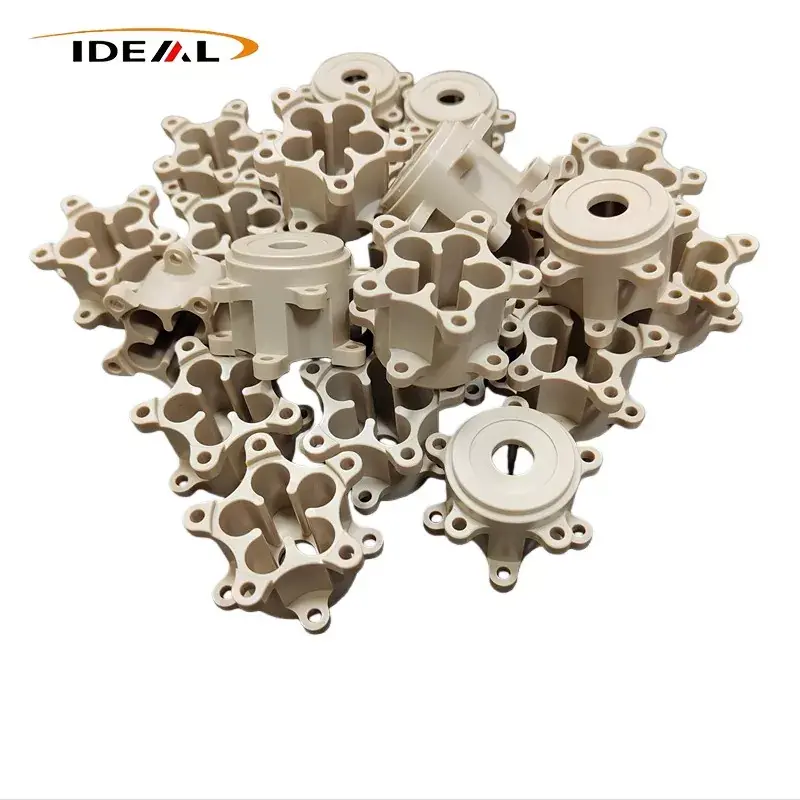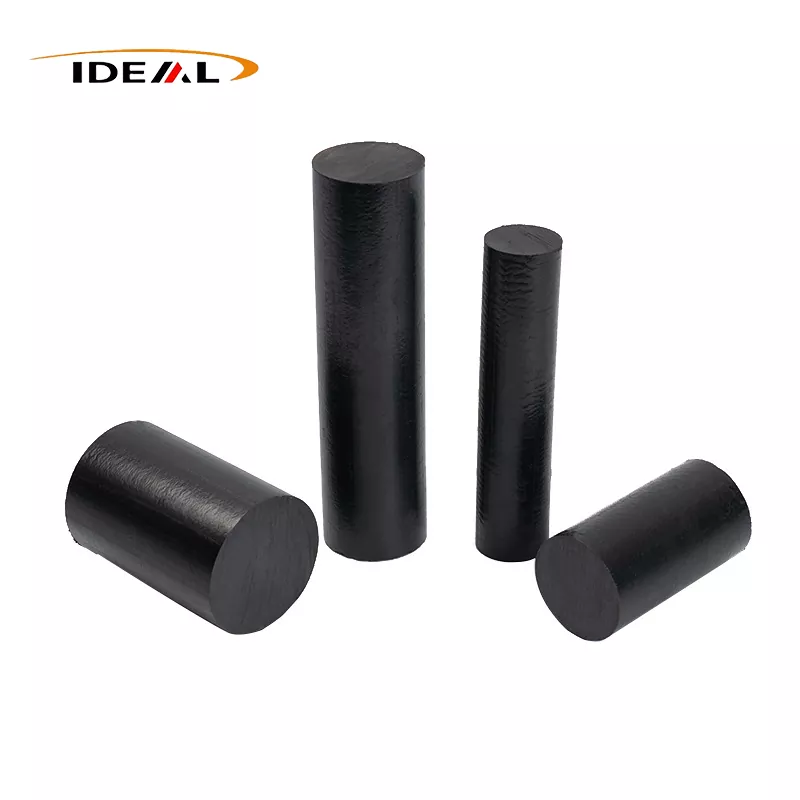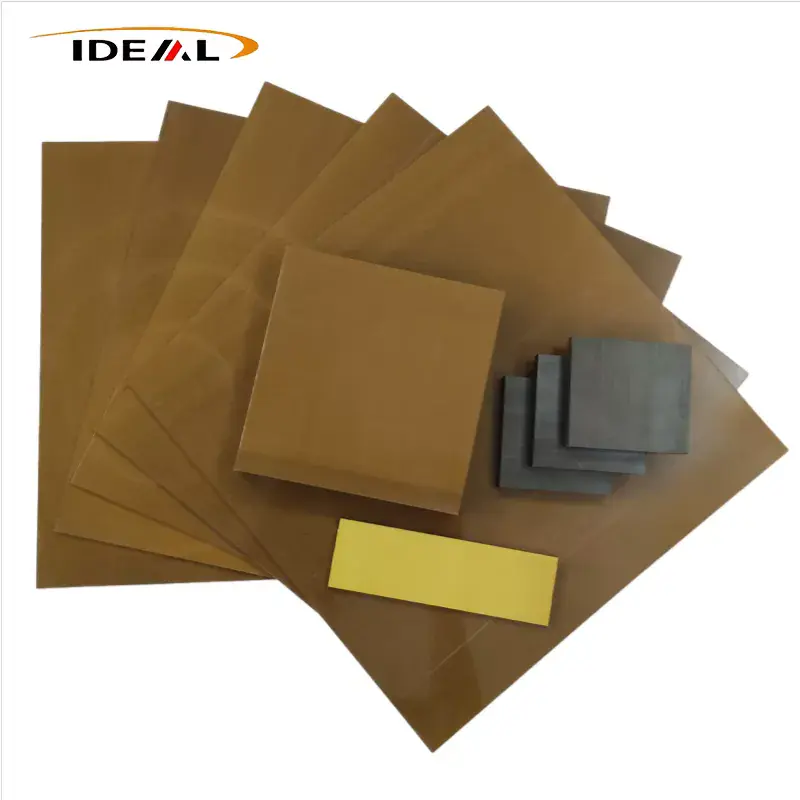


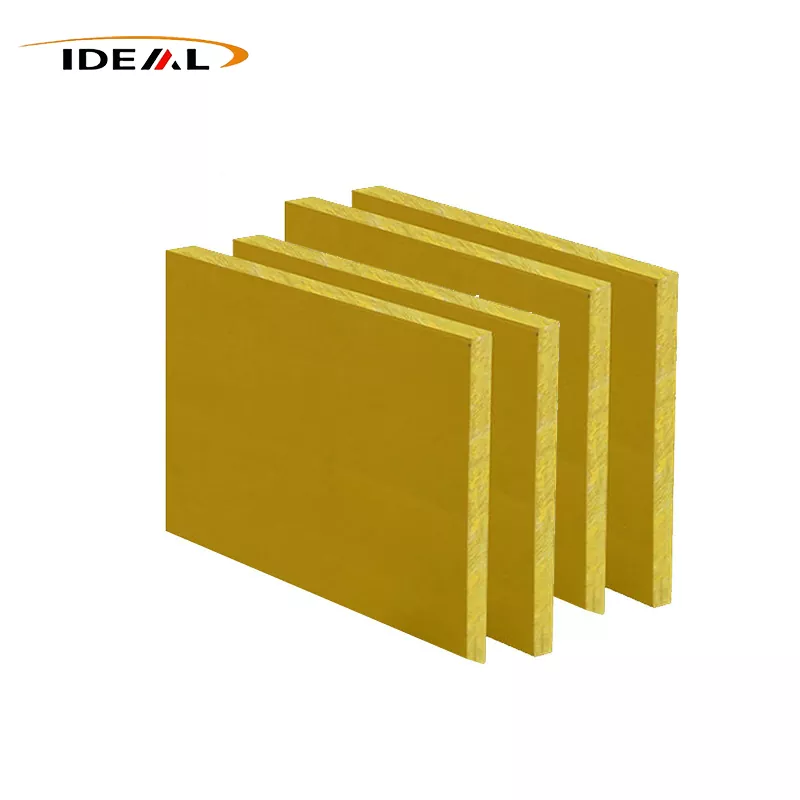
Torlon sheets is a PAI plastic profile made from PAI resin—that’s polyamide-imide, an amorphous plastic. Basically, it takes the heat resistance and strength of a polyimide and blends it with the easier processing and toughness of a polyamide. Its key features are pretty clear: great heat resistance (works continuously at 250 °C), high resistance to heat deformation (load bending temp of 279 °C), solid mechanical performance—especially tensile strength and impact resistance—along with excellent fatigue life, flame retardancy, and wear resistance. It also handles high-pressure rupture well.
PAI resin has a high melting point and strong thermal stability, which makes Torlon sheets trickier to process. You need special equipment and know-how, so production costs go up and the technical bar is higher.
First off, the injection molding requirements are particularly tough. When molding, you have to control temperature, pressure, and other parameters really precisely. Even a small slip can cause warping or defects. The molding shrinkage runs between 0.5% and 0.7%, so molds have to be designed very accurately and you need to build in compensation during processing.
Second, post-processing is pretty involved too. While PAI is relatively straightforward to finish, some precision parts might need secondary machining or surface treatment, which adds steps. Also, if you want to weld it or combine it with other materials, you’ll have to use special methods—that can limit design options.
GuangZhou Ideal has been selling Torlon plate for over ten years. We usually produce PAI plastic sheets in three ways: injection molding, compression molding, and extrusion.
Injection molding typically uses free-flowing grades like Torlon 4203 and 4301. It’s only suitable for small to medium sheets under 50 mm thick and with a fairly simple shape. This method is fast, has a short cycle time, and offers high accuracy—within ±0.1 mm.
Extrusion molding works for making continuous-length PAI sheets, usually no thicker than 5 mm, or for producing strips. It’s relatively efficient and the accuracy is decent (±0.25 mm), but the mechanical properties are a bit lower than molded parts.
Compression molding is the go-to for high-glass-fiber reinforced grades like TORLON 5530, or for Torlon PAI sheet sheets that are large-area and over 50 mm thick. Parts made this way have very tight dimensional accuracy and a smooth surface finish, high material density, few internal defects, and stable mechanical properties. The downside is it’s on the slower side production-wise.
|
Product name |
Torlon sheets |
|
Material |
Grades 4203, 4301, and 5530 |
|
Color |
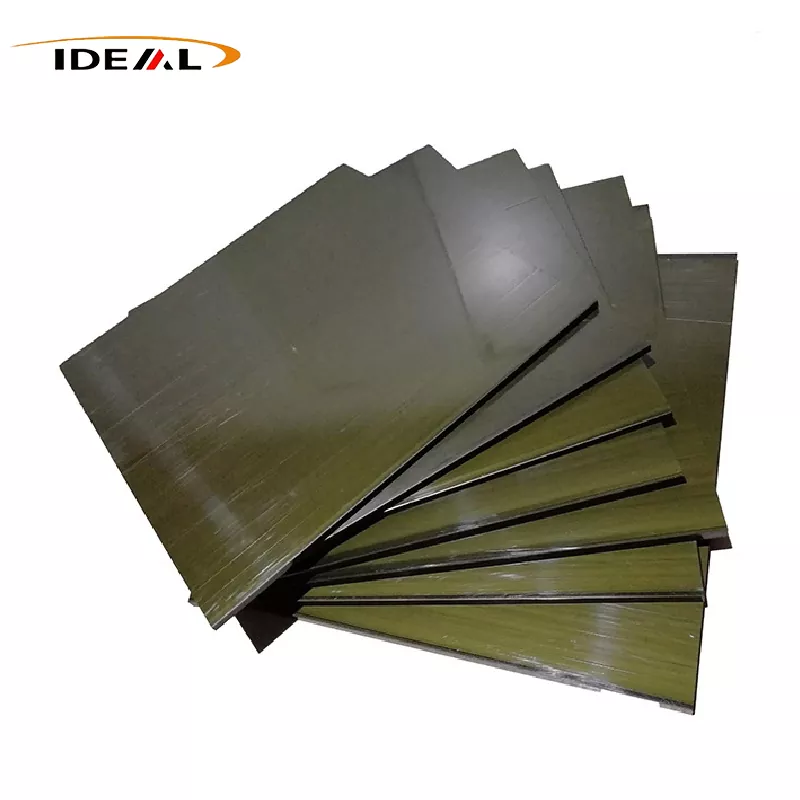
Yellowish-brown, military green, dark green, black |
|
Thickness |
3mm~80mm |
|
Widths |
300mm, 500mm, 1000mm |
|
Tolerance |
±0.02mm |
|
sample |
Free |
|
Minimum order quantity |
1 piece |
|
Certificates |
ISO9001:2008, REACH, ROHS |
1. Great heat resistance
Torlon sheets keeps most of its strength even at high temperatures. Around 200°C, it retains about 70–80% of its original tensile strength, about 85% of its bending strength, and its stiffness barely changes.
Around 250°C is considered the safe limit for long-term use—that’s where it holds its shape and properties best.
Short term, it can handle up to 300°C, but if left too long at that heat, it weakens. Tensile strength can drop to around 50–60%, though some special blends do better.
2. Super wear resistant
PAI’s molecules have polar groups that help create a protective layer during rubbing, which cuts down on wear. If you mix in PTFE or graphite, you can get the friction coefficient as low as 0.08–0.12.
The glass-filled version (like TORLON 5530, with 30% fiberglass) wears over three times slower, with weight loss kept below 1.5 mg. Carbon fiber versions are even tougher, handling PV values up to 0.8 MPa·m/s—good enough for high-speed bearings.
3. Really tough & impact resistant
Torlon plate is a tough material and doesn’t crack easily under impact.
Basic grades (like 4203) have a notched impact strength around 60 kg·cm/cm, which is high for an unreinforced plastic.
Reinforced grades (like 5530) can reach 200–270 kg·cm/cm—that’s seriously strong.
4. Doesn’t expand much with heat
Thanks to its tight, cross-linked molecular structure filled with aromatic rings, PAI resists stretching when heated. Bonds between molecules also hold things together, so from -200°C up to 280°C, it hardly expands at all.
5. Self-lubricating
Torlon PAI sheet’s molecular chain is packed with rigid aromatic and imide structures. When rubbing happens, these form a hard, smooth film on the surface that reduces friction.
Also, during use, tiny amounts of lubricating components (like free amide groups) come to the surface, forming a PTFE-like transfer film. This keeps the friction coefficient low—as little as 0.15–0.25.
6. Handles radiation well
PAI plastic (polyamide-imide) stands up to high-energy radiation and UV exposure without breaking down. That makes it a reliable choice for applications where radiation resistance matters.
1. Aerospace: Jet engine components, aircraft structural parts
2. Electronics & Electrical: Chip sockets, insulating components, circuit board substrates
3. Automotive Industry: Turbocharger components, transmission system parts
4. Industrial Equipment: Bearings, seals, chemical equipment components
5. Medical Devices: Sterilization equipment components, surgical instrument components
Hey folks! Come check out Torlon sheets at GuangZhou Ideal – great quality and really reasonable prices. We've been in the PAI plastics business for years and have built up a solid reputation. With all the experience we've gathered, top-notch equipment, and a full quality management system, we're well-equipped to offer you professional and efficient service. You can count on the quality, no doubt.
We handle everything from start to finish, even after you buy. Really looking forward to working with you!
1.Can I return or exchange items?
If you receive something with a quality issue, if the size isn’t right, or if there’s anything else that makes it hard to use—whether it’s semi-finished or customized—just get in touch with us right away. If it’s actually our fault, we’ll handle the return or exchange and cover shipping both ways. If you ordered the wrong thing yourself or want to return it for another personal reason (especially with profile blanks), that’s usually fine as long as we can still sell it. In that case, you’d just need to pay for the shipping.
2.What after-sales services do you offer?
If you run into any issues while using our products, just reach out anytime. We’ll use what we know and do everything we can to sort it out for you.
3.Is there a minimum order quantity?
For semi-finished profiles, you can start with a small order. If you want custom parts, we’ll need to chat about the specifics—you know, how they’re going to be made, the size, all that stuff—then we can decide what makes sense.
4.What certifications do your products have?
Our company is certified to ISO9001:2008 for quality management. Our products also come with SGS, CE, and RoHS certificates, and they meet environmental standards like REACH, EN71, and others.
5.Can I get samples?
Sure! If we’ve got the semi-finished profiles in stock, we can send samples free—you’d just cover the shipping cost. And don’t worry—the samples will be spot-on with what you get in your actual order.