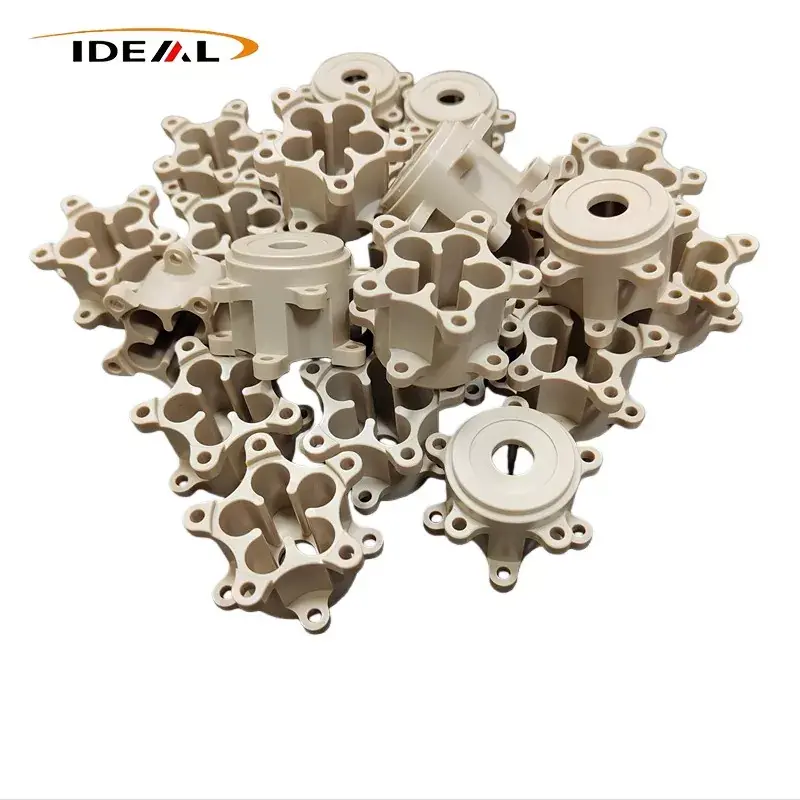
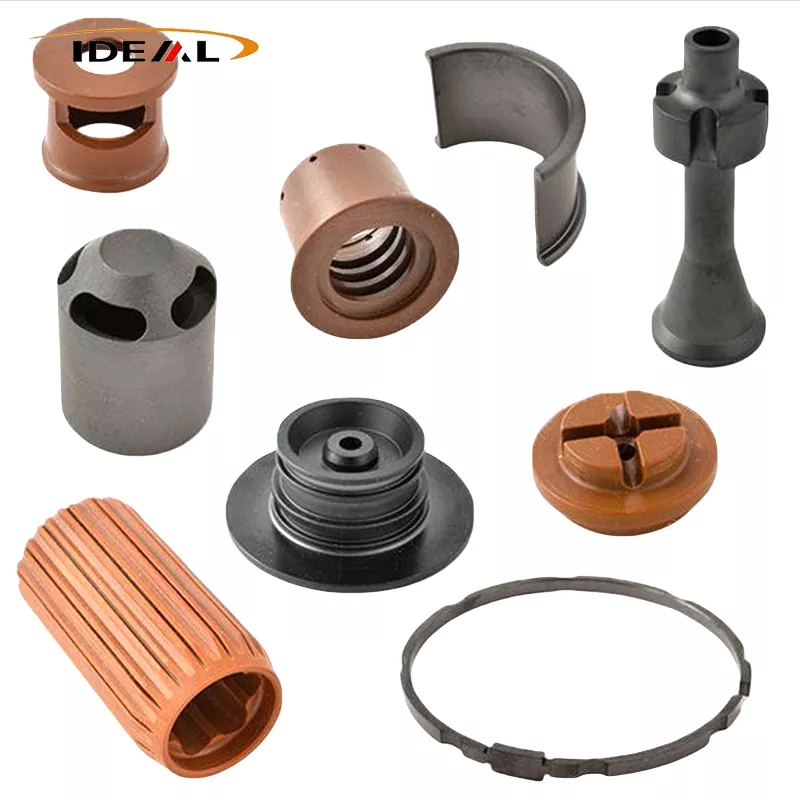
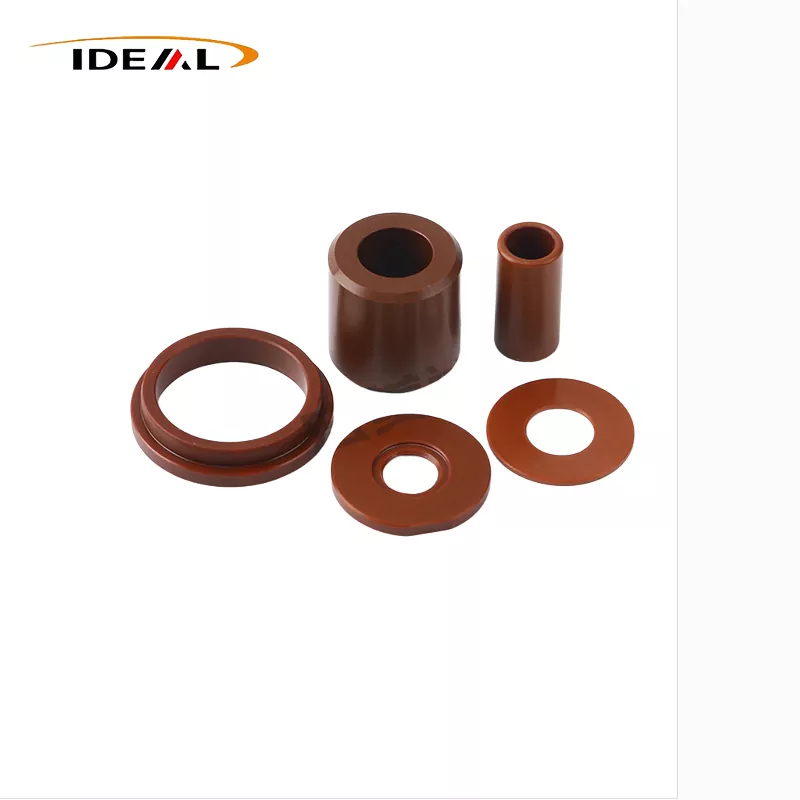
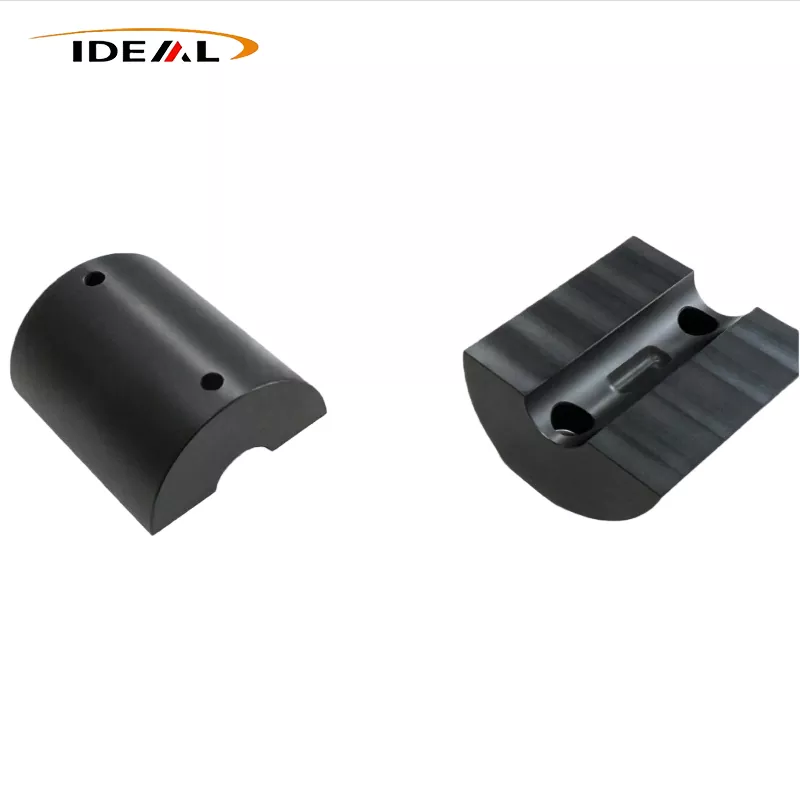
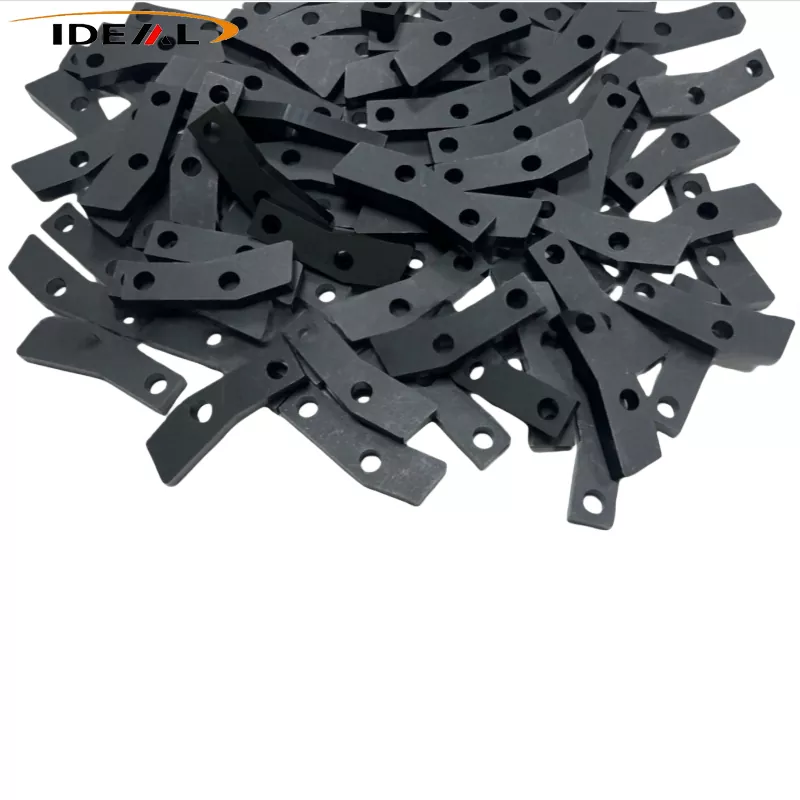
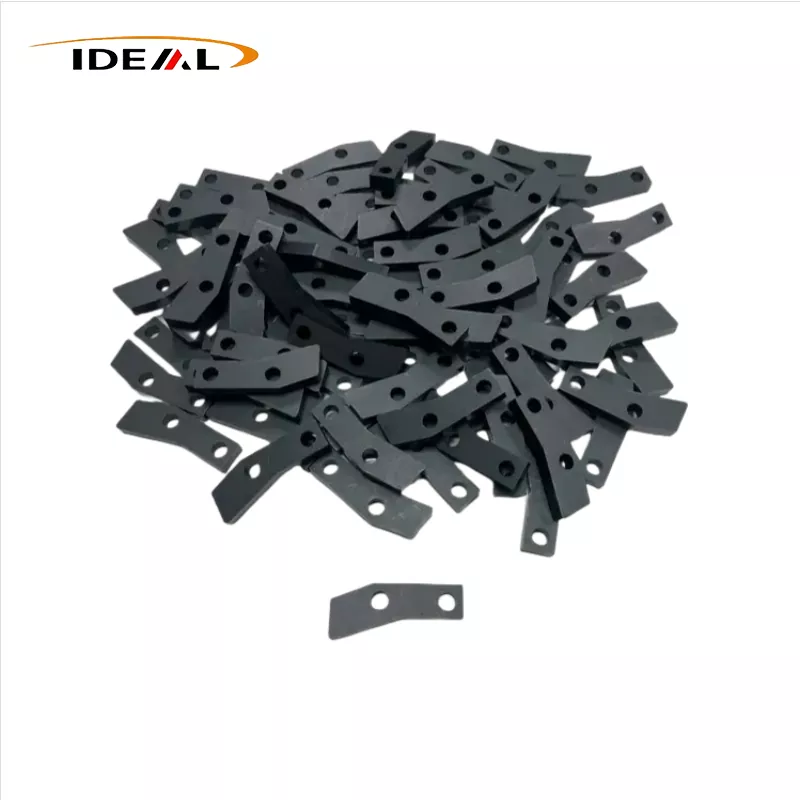
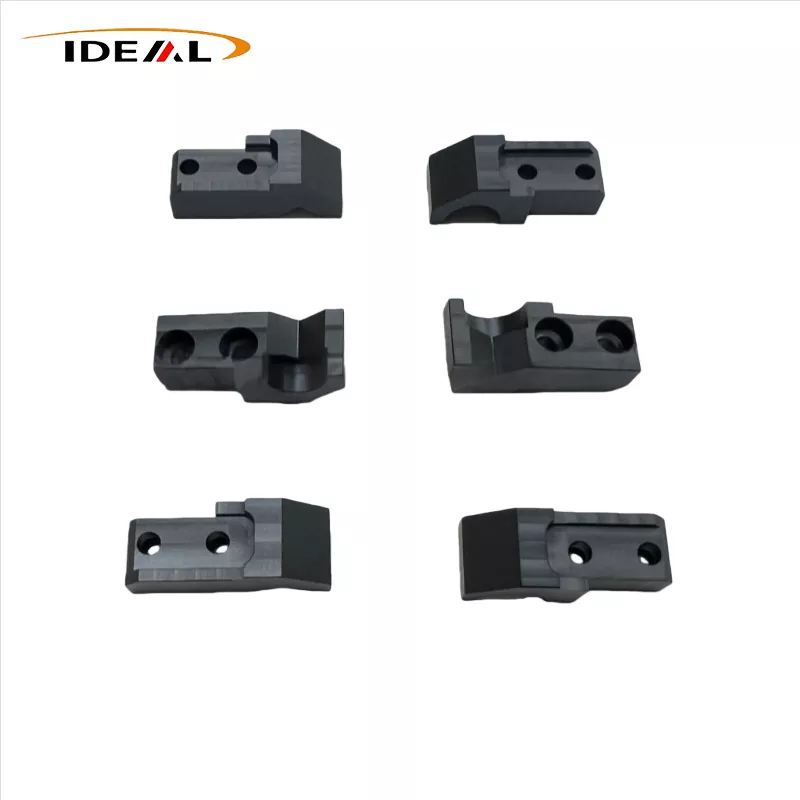
Vespel parts is a real all-rounder. Whether you need it as a seal, a structural part, for thermal insulation, or in a high-friction application—this material has you covered. It's a type of polyimide (PI), which means its molecular chain has a special "imide ring" backbone. Picture a ladder-like structure made of benzene rings and nitrogen-containing rings, which makes it incredibly stable. It also handles heat like a champ, working perfectly fine for the long haul even above 300°C. On top of that, it keeps its electrical insulation and mechanical strength really well.
Even if you throw strong acids at it, Vespel parts stays tough—excellent corrosion resistance and hardly any smoke. And get this: it won't even break after hanging out in liquid helium at -269°C for a while.
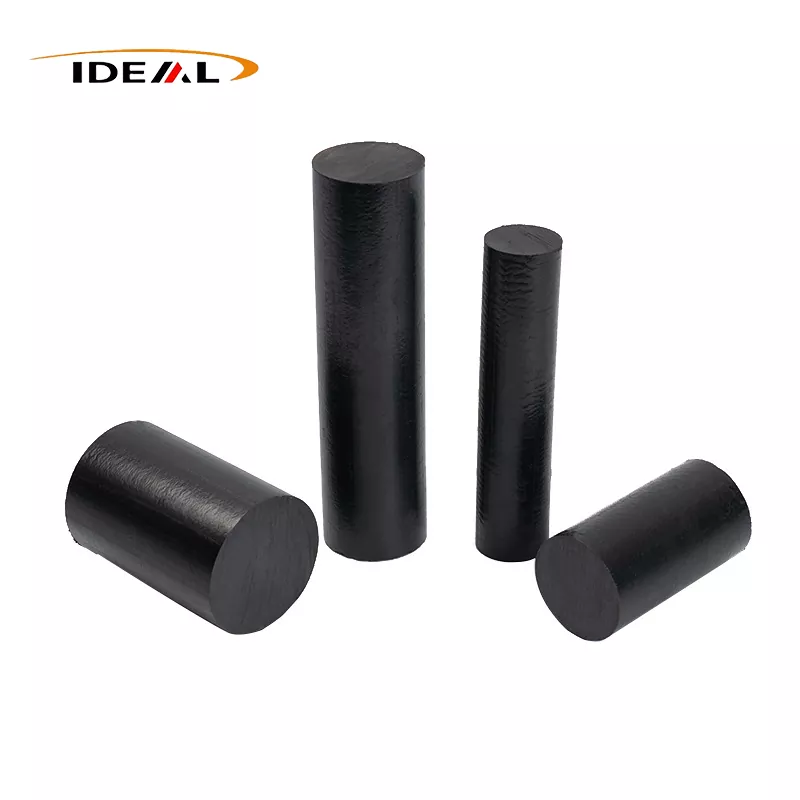
So how do we make it? Usually, we start with hot pressing and then do some machining. That's because PI is mostly a thermosetting material—it doesn’t melt or flow when heated. So, the typical process goes like this: first we hot press it into basic shapes like sheets or rods, then we machine them using milling, grinding, drilling, or turning to get the final part. Of course, if the design allows, we can also press it into shape directly with a custom mold in one go.
Here at GuangZhou Ideal, we've got top-notch equipment and a skilled team who really know their stuff. We use PI powder from well-known international brands, follow a proven production process, and bring it all together through molding and CNC machining. The result is Vespel PI part—reliable quality at a competitive price.
Along the way, our tech team has also solved some common PI processing headaches. You see, PI is hard, not very tough, and tends to chip or burr during cutting, plus it wears down tools pretty fast. By choosing the right tools and fine-tuning how we machine it, we make sure the parts come out accurate, with a great surface finish, and we waste less material in the process.
|
Product name |
Vespel product |
|
Material |
Basic type, graphite, PTFE, reinforced type |
|
Color |
Brown, Black |
|
Processing Type |
Die Compression and Machining |
|
Size |
OEM/ODM/Drawing |
|
Tolerance |
±0.02mm |
|
sample |
Negotiation |
|
Minimum order quantity |
1 piece |
|
Certificates |
ISO9001:2008, REACH, ROHS |
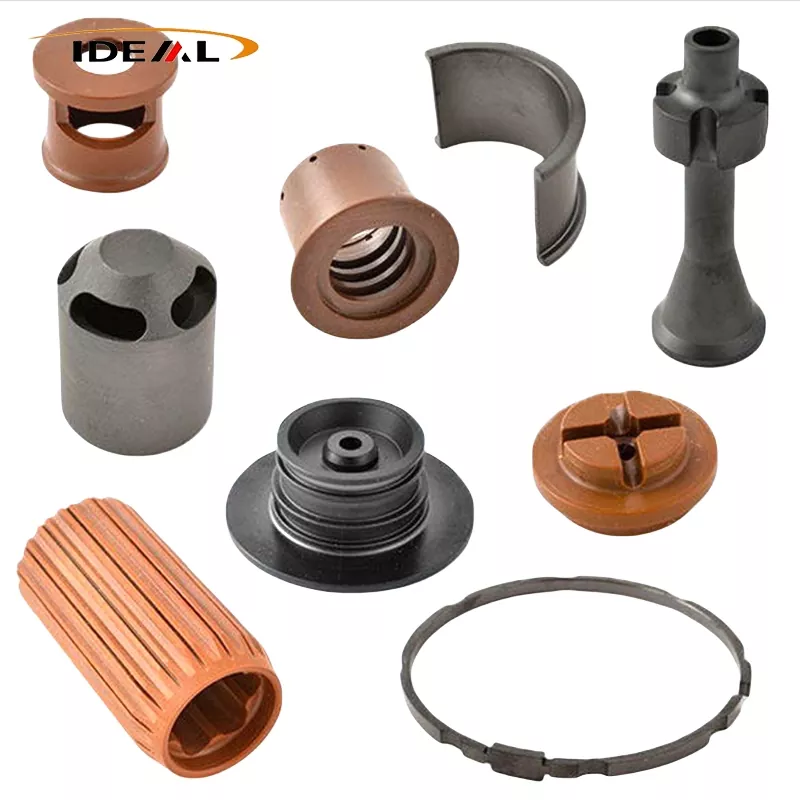
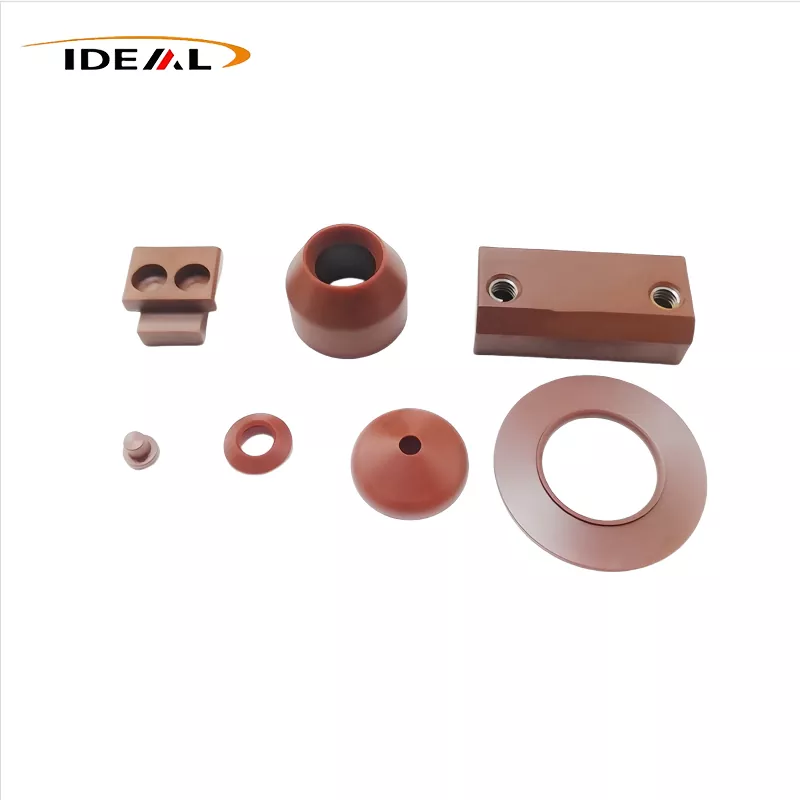
1.Alright, so when we talk about how Vespel parts materials handle high temperatures, most of them don't really have a sharp melting point. That's because they're amorphous—kind of like glass in that way. But some tweaked versions can start to soften when things get hot, usually around 300 to 400°C. For long-term use, you're looking at a range from really cold, like minus 200°C, all the way up to about 300°C. Short bursts? No problem—it can handle above 400°C for a little while. Things really only start to break down when the heat gets serious, around 500 to 600°C, and that's when thermal decomposition kicks in.
2.Now, why is this stuff such a great insulator? It all comes down to what it's made of. Vespel parts is a polyimide plastic, and its molecules have these acyl imine links (that’s the -CO-NR-CO- part) that build up into rigid aromatic rings. Think of it like a super-stable molecular scaffolding—that's what gives it top-notch insulation.
3.Chemicals? No big deal. Vespel PI part laughs at most of them. Strong acids, strong bases, solvents—you name it, it usually shrugs them off. That's why you see it everywhere in tough environments like chemical plants and oil refineries, in things like pipes, valves, and pumps.
4.About keeping its shape across temperatures: the thermal expansion of regular polyimide is pretty low, usually around 2 to 3 × 10⁻⁵ per degree Celsius. The thermoplastic kind sits near 3 × 10⁻⁵/°C. The biphenyl type is even steadier, getting down to about 10⁻⁶/°C, and some special grades can hit 10⁻⁷/°C—crazy stable.
5.Water and steam? Even in a high-humidity, high-heat steam environment, Vespel product holds up. It doesn’t easily break down or get hydrolyzed. Why? Again, that rigid aromatic ring structure and the stable network from the imide groups lock things down. They basically block water molecules both physically and electronically.
6.Last thing: wear resistance. Those rigid aromatic rings and imide bonds make the material hard—we’re talking Rockwell hardness around R120 to 130. Plus, its surface energy is relatively low (about 40 mN/m), so there’s less actual surface contact when something rubs against it. Inside, there’s also a dense hydrogen bonding network (roughly 3.5 × 10²¹ bonds per cubic centimeter) that keeps the molecular chains from sliding around easily. This means less micro-cracking during wear and tear, so it just lasts longer under friction.
Vespel parts is a type of high-performance plastic that’s used in a lot of advanced tech areas—think aerospace, microelectronics, LCD screens, and laser systems.
(1) It’s a good fit for parts that need to run fast and under high pressure, while also having low friction and holding up well against wear.
(2) It also works well for components that require really good self-lubrication or perform best with oil lubrication.
(3) You can use it in parts that need to be strong against bending, stretching, and impact.
(4) This material can handle long-term use above 300 ℃, and even short-term exposure from 400 ℃ up to 450 ℃.
(5) Besides that, Vespel PI part is used in microelectronic packaging, as protective stress-buffering coatings, for insulation between layers in multi-layer circuits, as dielectric films, and for chip surface passivation.
GuangZhou Ideal, we're always fine-tuning how we make things and how we work. When you tell us you need tight tolerances on Vespel parts, we listen—really listen. That's why we use top-notch precision tools and have skilled folks running them. It's all about getting every dimension spot-on, exactly how you need it. We know you're looking for high precision, and we're here to make sure you get it.
We’re Guangzhou Ideal Plastic Technology Co., Ltd. We started up in Hong Kong in 2011, and our main factory is located in Huangpu, Guangzhou. We specialize in developing and producing semi-finished profiles from special engineering plastics—things like PEEK, PAI, PI, PPS, PPSU, PEI, and more. We also offer CNC machining and injection molding services to help turn those materials into finished parts for our customers.
1. Where do you get your PI plastic raw materials from?
Our PI plastic powder comes from DuPont through official channels. It’s a trusted brand, so the quality is always solid.
2. What kinds of PI plastic products do you make?
We manufacture PI plastic profiles—rods, sheets, and tubes—and we also do custom-made PI plastic parts based on what you need.
3. What does your company do?
(See first section above—"About Us.")
4. What’s your return or exchange policy?
If there’s a quality problem, something we messed up, or anything else that stops you from using the product, just let us know as soon as possible. Once we check and confirm what happened, we’ll arrange a return or exchange and cover the shipping costs ourselves. If you ordered the wrong thing or just changed your mind—especially with raw profiles—we can still help as long as the product is in resalable condition. In that case, you’d need to take care of the return shipping.
5. How does customization work?
You can send us files in all the usual formats—STEP, STP, STL, you name it. If it’s easier, just mail us a physical sample and we’ll work from that. Have your own ideas or want to adjust the design? That’s fine too—we’ll help design or tweak the product so it fits exactly what you’re looking for.