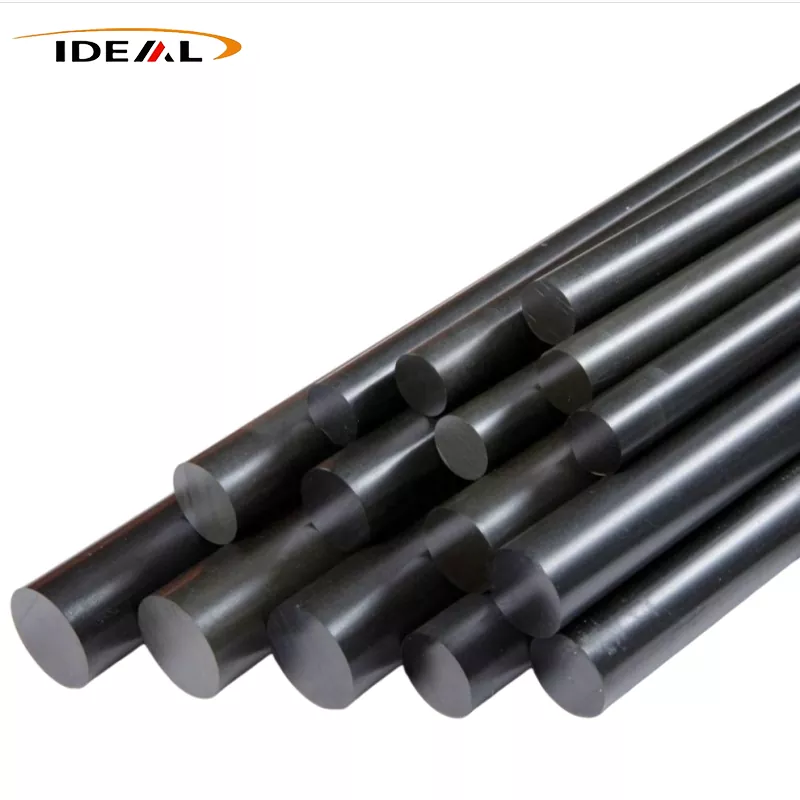
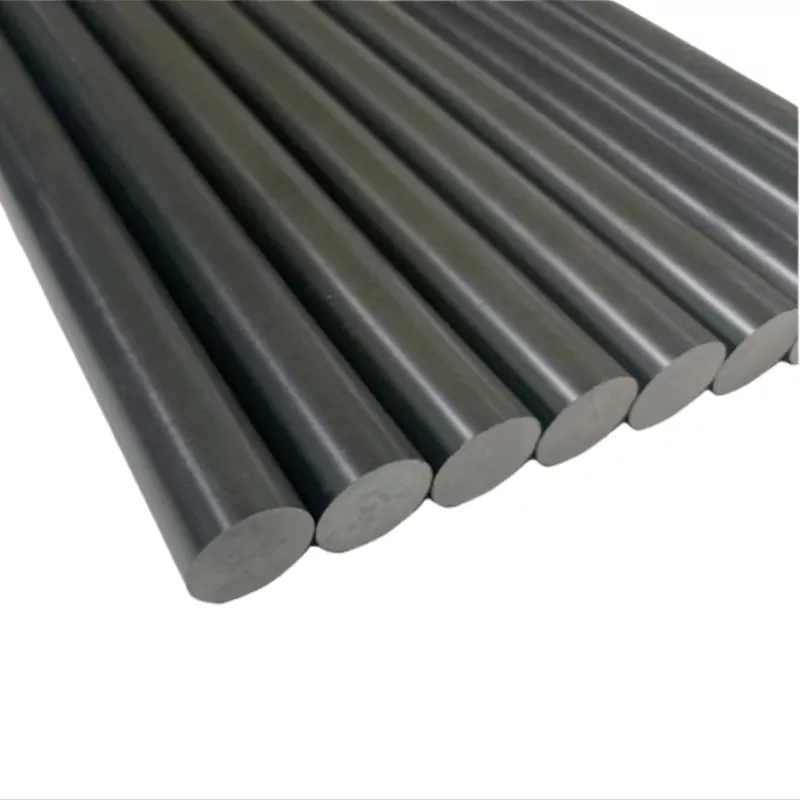
Vespel rods is a top-grade engineering plastic profile with really impressive physical and chemical properties. Polyimide, or PI for short, is a newer type of high-temperature resistant, heat-setting engineering plastic. It keeps its strength and mechanical performance across a huge temperature range from -269°C to 400°C, and can even operate long-term in air between -240°C and 260°C. On top of that, it offers a full package of benefits like oxidation resistance, radiation resistance, corrosion resistance, moisture and heat tolerance, high strength and stiffness, and great dielectric properties.
The way Vespel rods is shaped is pretty special—because its melting point and decomposition temperature are almost the same, you can’t process it with normal melt-based methods used for thermoplastics. Also, most PI plastics are thermosetting, so they’re usually formed by hot pressing. You can also boost PI’s mechanical properties and wear resistance by adding fillers or blending it with other materials. Even with all its advantages, PI plastic isn’t perfect: it’s tricky to process and tends to be more expensive.
Here are a few common issues you might run into when working with Polyimide PI rod:
Tough to process: PI materials usually don’t dissolve or melt easily, so you need special equipment and know-how, which can drive up production time and cost.
Picks up moisture: In damp conditions, it absorbs water, which can hurt its performance—so keeping it dry is key.
Doesn’t stick well: PI has relatively low surface energy, so it doesn’t bond strongly with other materials. You often have to treat the surface or use a special adhesive.
On the brittle side: Compared to some other engineering plastics, PI rods are more likely to crack under high stress.
GuangZhou Ideal starts with internationally recognized brand-name resin pellets. Through heating and pressure, the polyamide acid (PAA) precursor cross-links and cures right in the mold, forming a 3D network structure. That’s how we end up with Polyimide rod products that have high dimensional stability, good heat resistance, and strong mechanical performance. As a factory-direct source, we guarantee quality, offer competitive prices, hold all required certifications, and have a professional team ready to provide free technical support.
|
Product name |
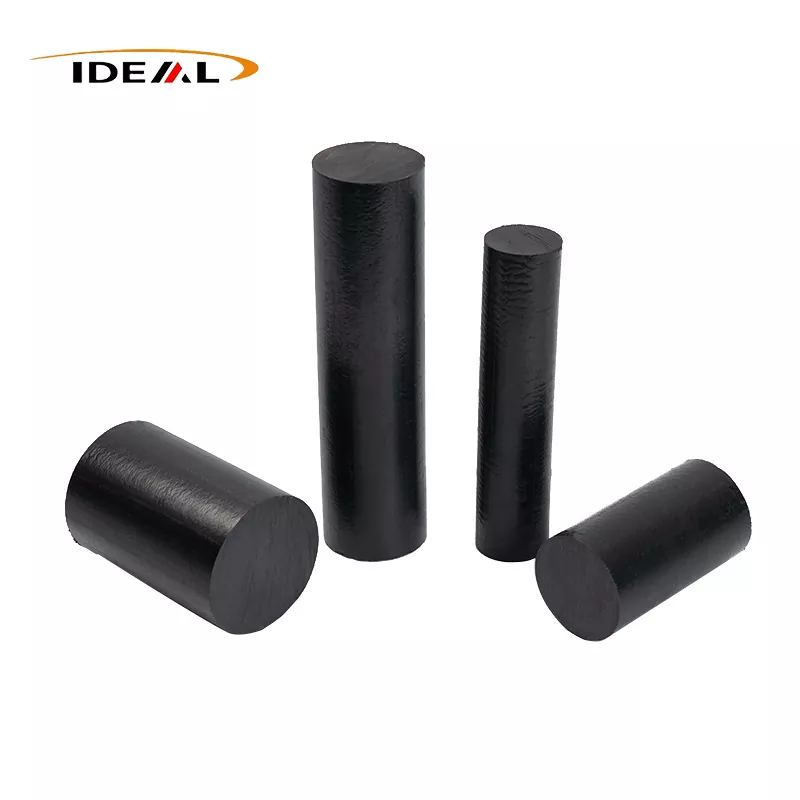
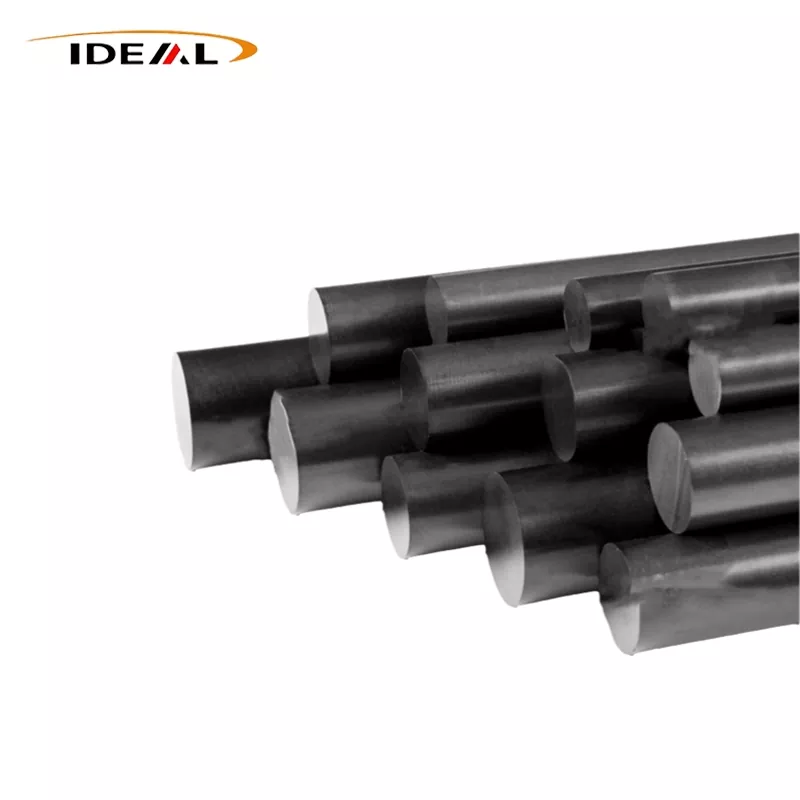
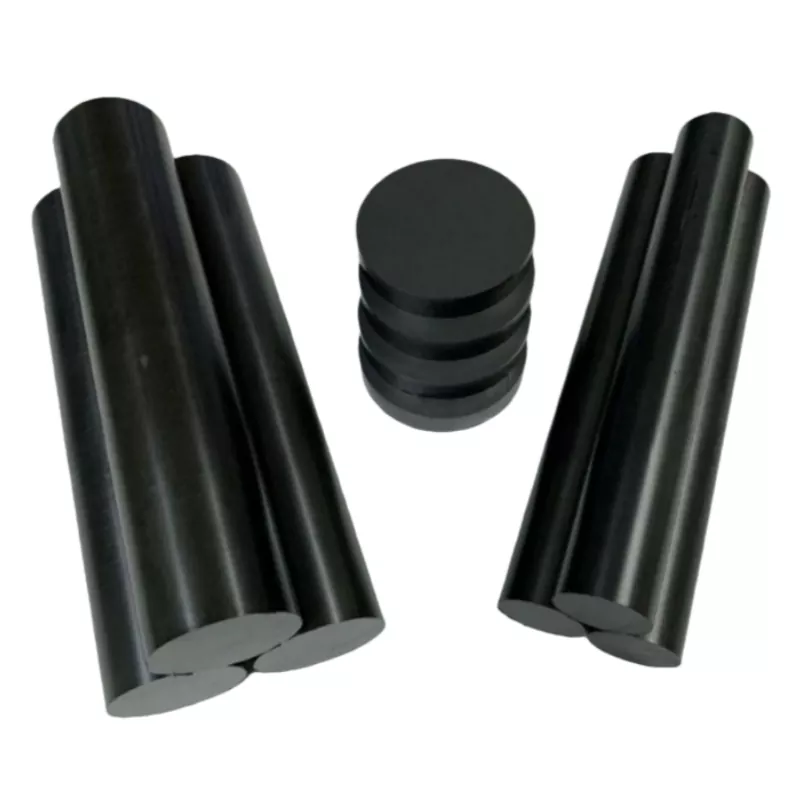
Vespel rods |
|
Material |
Basic type, graphite, PTFE, reinforced type |
|
Color |
Brown, Black |
|
Dia |
5-150mm |
|
Length |
1000mm |
|
Tolerance |
±0.02mm |
|
sample |
Negotiation |
|
Minimum order quantity |
1 piece |
|
Certificates |
ISO9001:2008, REACH, ROHS |
|
Additional services |
Secondary processing can be provided. |
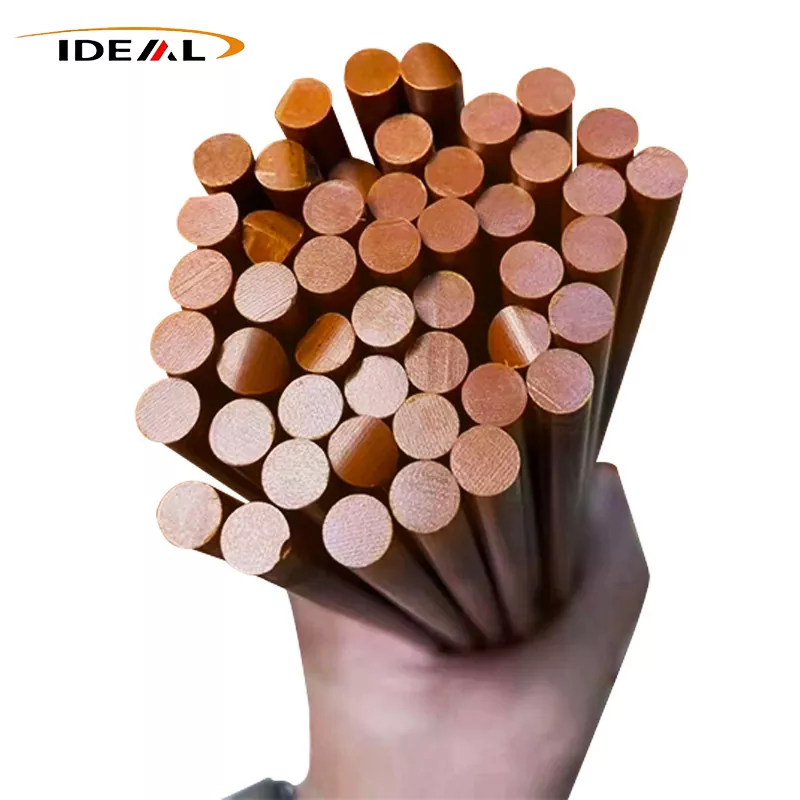
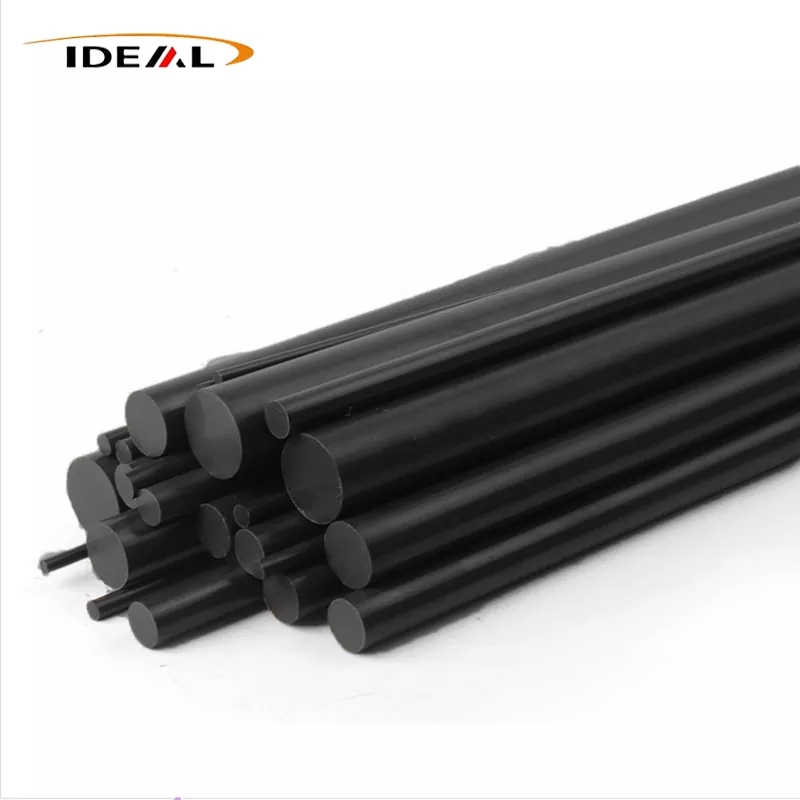
Vespel rods is really tough when it comes to heat. It can keep working like normal for ages in crazy temperature swings, from as cold as minus 200 degrees to over 300 degrees hot, without any drop in performance. That’s why polyimide is a go-to material in aerospace, cars, electronics, and electrical gear. For example, in aerospace, it’s used for parts inside planes, outer structures, and engine components. In cars, you’ll find it in high-performance brake pads, bearings, and gears.
Polyimide PI is also a beast mechanically—it’s strong, hard, and can take a hit without giving up. This makes it super useful in mechanical engineering and for sports equipment. Because it handles impacts so well, PI is often used to make things like helmets and all sorts of protective gear.
Polyimide PI rod is top-notch at insulating electricity too. No matter how much the temperature shifts or how wide the frequency range gets, it keeps its insulation on point. It’s got a low dielectric constant, high insulation strength, and is especially good at resisting corona discharge. So, it’s everywhere in electronics and electrical stuff, like in circuit boards, insulators, cables, and so on.
PI plastic doesn’t let water bother it much. Its molecular structure is super stable—the aromatic ring and imide group lock together into a steady system that blocks water molecules from getting in, thanks to both physical barriers and electronic effects.
Chemical stability is another big win for Polyimide rod. It stands up strong to most chemicals, whether it’s strong acids, strong bases, or different solvents, without getting messed up. That’s why in the chemical and oil industries, it’s a common pick for making equipment like pipes, valves, and pumps.
Polyimide PI plastic is slick and doesn’t wear down easily. Its friction coefficient is really low, only about 0.1 to 0.3, similar to PTFE. And its performance doesn’t budge with changes in humidity or temperature—it stays lubricated steadily, and wear is minimal. Under high-speed conditions, like in bearings and seals, its fatigue strength can hit 40% to 50% of its tensile strength, way tougher than most ordinary engineering plastics.
4.Where can you actually use this stuff?
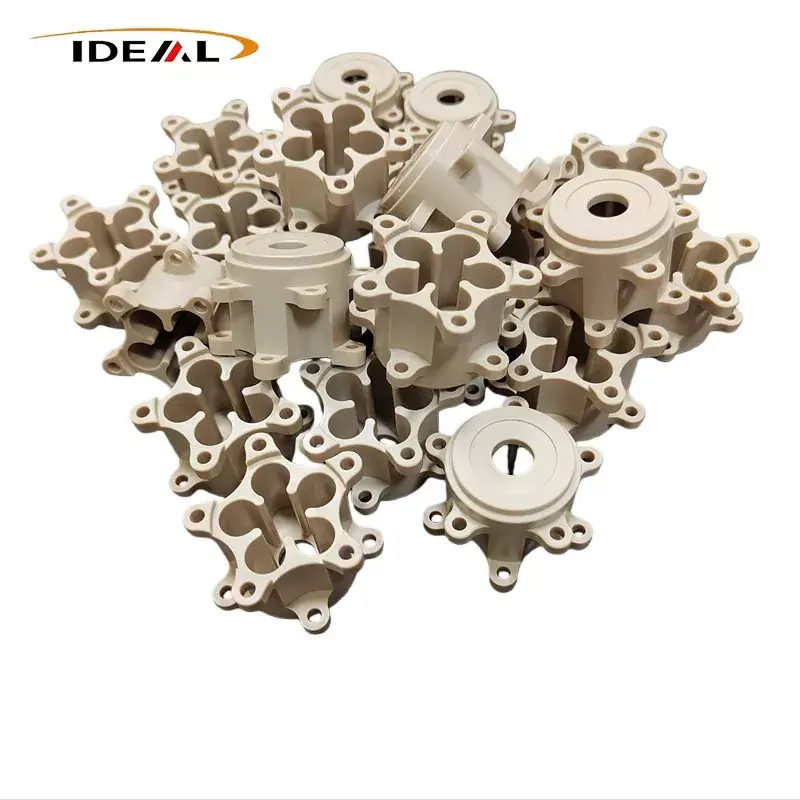
Vespel rods is ready to use as-is, or you can shape it into all kinds of parts through secondary processing. It fits into loads of different applications, like:
(1) Parts that need to handle high speed and high pressure with low friction and good wear resistance;
(2) Parts that resist creeping or deforming over time;
(3) Parts with great self-lubrication or oil-lubrication performance;
(4) Seals for liquids under high temperature and high pressure conditions;
(5) Parts that can take bending, stretching, and impact really well;
(6) Parts that hold up against corrosion, radiation, and rust.
GuangZhou Ideal ship Vespel rods straight from our factory—no middlemen. That means we can keep prices low for everyone. Plus, since we make it ourselves, we have full control over quality, so you can buy with confidence.
From the moment you order, our team will be with you every step of the way. We’re here to make sure everything goes smoothly and to take care of you after your purchase—so you can relax and enjoy a worry-free experience.
1.So, what does your company do?
We're Guangzhou Ideal Plastic Technology Co., Ltd. Our company was actually founded in Hong Kong in 2011, and our factory is located in Huangpu, Guangzhou. We mostly work on developing and producing semi-finished profiles using special engineering plastics—things like PEEK, PAI, PI, PPS, PPSU, PEI, and some others. Besides that, we also do CNC machining and injection molding to help customers turn those materials into finished parts.
2.What's your minimum order quantity?
For semi-finished profiles, we can take pretty small orders to get started. If you need custom parts, just give us the details—like how they'll be made and their size—and we can work out a flexible arrangement together.
3.How do you ensure good quality?
We've got a full quality control system in place, along with advanced testing equipment and our own lab. Our team checks every stage—from raw materials right through to the finished product—so customers always end up with reliable, high-quality items.
4.Can I get samples?
Sure! If we have the semi-finished profiles available in stock, we can send samples over free of charge—you'd just need to cover shipping. And no worries—the samples will be exactly the same as what you’d receive in your actual order.
5.How long does delivery take?
If it’s an item we keep in stock, we can ship it out as soon as payment is confirmed. For custom orders, the timing really depends on the quantity and manufacturing process—so just let us know what you need, and we’ll give you a clear timeframe.