



A shaft sleeve is a small part with an outsized effect on rotating equipment. If its bore fit is wrong, it can creep on the shaft. If its outside diameter is poorly controlled, the bearing housing may distort it during assembly. If the sleeve material does not suit the actual duty cycle, you may see heat marks, scoring, vibration, or a shaft that needs replacing far earlier than planned.
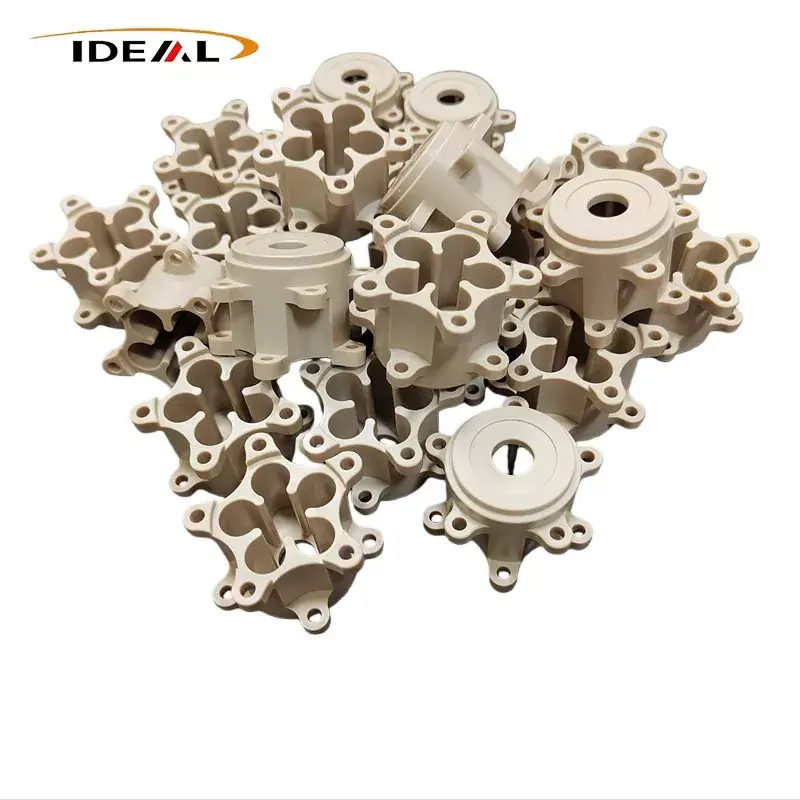
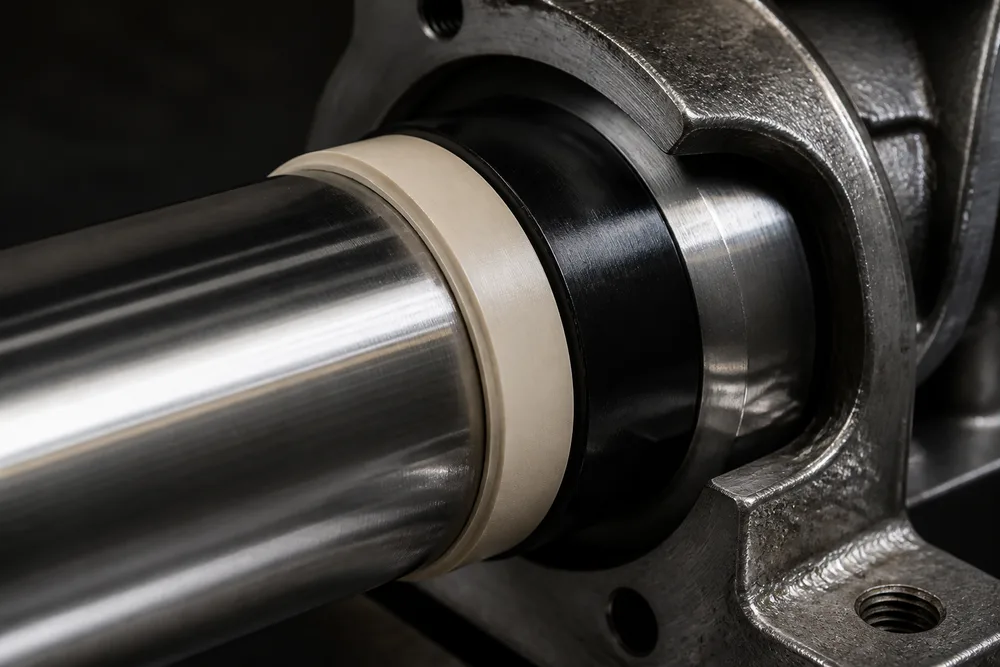
Ideal Plastic supplies a custom PEEK shaft sleeve as a continuous cylindrical part fitted between a shaft and bearing housing. The purpose is straightforward: reduce friction at the interface and protect the shaft. The practical work lies in translating your shaft, housing, bearing arrangement, and operating conditions into a sleeve that can be made and inspected consistently.
Key Takeaways for Selecting and Ordering a PEEK Shaft Sleeve
- Start with the shaft and housing interface, not material preference alone.
- Choose among pure PEEK, CF30 PEEK, and HPV PEEK only after confirming load, speed, lubrication, temperature, and media exposure.
- Put bore and outside-diameter tolerances, concentricity expectations, and inspection points on the drawing.
- Ideal Plastic accepts drawing-based OEM/ODM requirements for machined or injection-molded sleeve production.
- Confirm quantity early because minimum order quantities are negotiated by the project.
The most useful buying document is not a generic material request. It is a clear interface definition. State what the sleeve locates against, whether it is retained by fit or another feature, and which dimension governs the assembly. Engineers often specify a nominal bore and OD but omit the relationship between them. That omission becomes expensive if the sleeve must run concentrically with a shaft-mounted component.
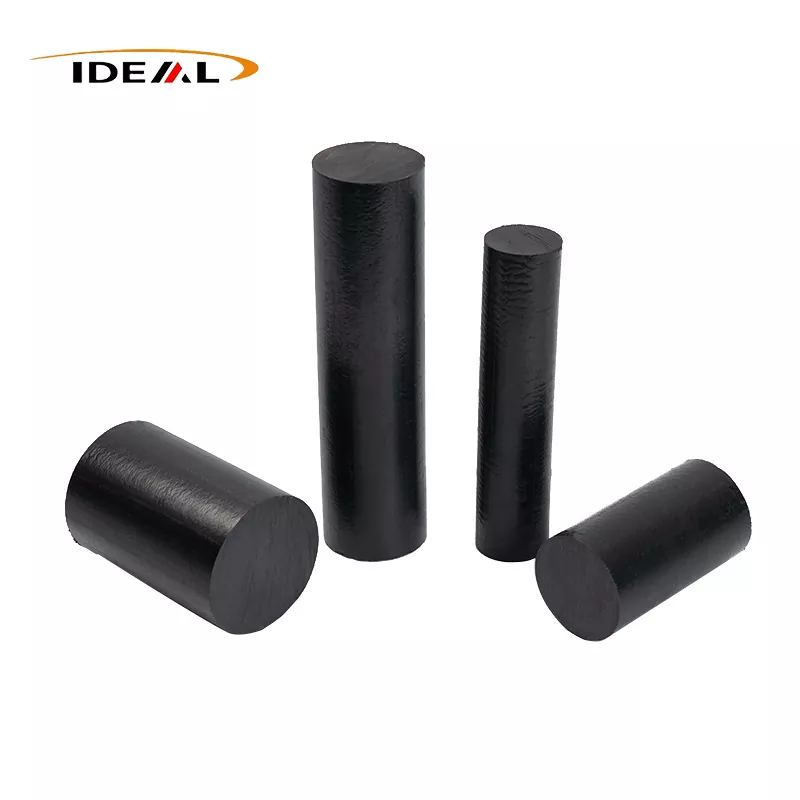
Material is a selection decision, not a shortcut around incomplete application data. Ideal Plastic offers pure PEEK, CF30 PEEK, and HPV PEEK, in natural and black. These are distinct options; do not assume that a filled grade will solve every wear issue or that an unfilled grade is automatically the right answer for a sensitive fit. Give the supplier the duty conditions, then review the proposed material against the actual interface.
Virgin PEEK vs CF30 PEEK vs HPV PEEK Shaft Sleeves: Selection Factors for a Comparison Table
“Virgin” is commonly used in purchasing language for pure PEEK. It is one of three material options named for this PEEK shaft sleeve range, alongside CF30 PEEK and HPV PEEK. The right choice depends on the complete tribological and mechanical situation: load direction, rotational movement, contact pressure, lubricant presence, start-stop frequency, surrounding medium, and allowable dimensional change in service.
Do not select by a single label on a past purchase order. A sleeve that performed well in a clean, lubricated housing may not suit an intermittently dry interface, and a material change can affect machining behaviour, fit strategy, and inspection planning. Use the table as a specification checklist, then ask Ideal Plastic to assess the drawing and operating data before release.
| Material option | What to confirm before selection | Drawing and production attention |
|---|---|---|
| Pure PEEK | Fit requirements, media, temperature range, load and lubrication state | Define critical diameters and surface requirements clearly |
| CF30 PEEK | Reason for specifying the carbon-fibre-filled grade and the interface duty | Review tolerance, mating material, and inspection requirements with the supplier |
| HPV PEEK | Wear, friction, lubrication and motion conditions driving the grade choice | Identify running surfaces, contact zones, and acceptance criteria |
Colour should also be recorded, even if it seems secondary. Natural and black are available options. For procurement continuity, list the material designation and colour on the controlled drawing or purchase specification rather than relying on a photograph or an informal description.
Specify a Manufacturable PEEK Shaft Sleeve From a Drawing, Sample, or Application Data
A sample can establish form, but it rarely explains intent. It may have worn in service, been measured after assembly, or contain undocumented changes. A controlled drawing remains the strongest basis for a custom sleeve quote. If you only have a sample, provide its measured dimensions, photographs of both ends, mating-part details, and an explanation of where it sits in the assembly.
Drawing-Based OEM/ODM Process is Ideal Plastic’s practical route for converting buyer-provided geometry and application requirements into a production part, either machined or injection-molded. It is not simply “send a file and receive a price.” The process requires review of the part’s continuous cylindrical geometry, material option, toleranced interfaces, manufacturing route, and order quantity so the quoted part matches the function you need rather than a nominal look-alike.
Share Shaft and Housing Dimensions, Fits, Tolerances, and Concentricity Requirements
Give both mating dimensions, not just the sleeve dimensions. Identify the shaft diameter, housing bore, sleeve length, entry chamfers or radii, shoulders, grooves, and any feature that controls axial location. Mark which fits are functional and state tolerance limits rather than writing “standard tolerance.” If runout or concentricity matters to bearing behaviour, identify the datum scheme and the feature relationship to be controlled. This is where otherwise credible sleeve quotations most often become incomplete.
Confirm Temperature, Load, Speed, Lubrication, Media Exposure, Quantity, and Drawing Format
Describe operating conditions in the language your maintenance and design teams use: continuous or intermittent operation, rotating or oscillating motion, expected load, lubrication type or dry-running condition, temperature exposure, and any chemical or process media. Include annual demand, prototype quantity, and target delivery needs. Ideal Plastic negotiates minimum order quantities, so early volume information avoids a mismatch between a one-off trial and a repeat-production request. Send a current PDF drawing and, where available, a native CAD file with revision control.
Ideal Plastic’s Drawing-Based OEM/ODM Process for Machined or Injection-Molded PEEK Sleeves
Ideal Plastic manufactures semi-finished specialty engineering-plastic profiles and custom machined or injection-molded components. For a sleeve project, the manufacturing route should follow the geometry, tolerance demand, order volume, and your release plan. Do not dictate injection molding solely because the part is cylindrical; a low-volume or tightly controlled requirement may call for a different conversation than a recurring program.
- Send the design package. Provide the drawing, material preference if known, colour, application description, quantity, and destination.
- Review interfaces and manufacturability. Confirm critical bore and OD requirements, length, concentricity expectations, and any unclear drawing notes.
- Align material and production route. Compare pure PEEK, CF30 PEEK, or HPV PEEK against the stated application and decide between machining or injection molding.
- Approve the commercial and technical basis. Confirm negotiated MOQ, inspection expectations, revision level, and shipment requirements before production release.
This approach supports buyers across China, Europe, the United States, the Middle East, Japan, South Korea, and Southeast Asia. International teams should name the drawing revision in every purchase document and state packaging or identification needs upfront. A sleeve that arrives without reliable lot or revision identification can create needless receiving delays, even if the dimensions are correct. Review the available PEEK sleeve material and customization options before sending your request.
PEEK Shaft Sleeve FAQ for Engineers and International Procurement Teams
What information is needed for a PEEK shaft sleeve quotation?
Send the drawing or sample information, required material option, colour, quantity, destination, and application conditions. The most valuable technical data are shaft and housing dimensions, tolerances, length, fit intent, load, speed, lubrication, temperature, and media exposure. If any item is unknown, say so rather than guessing. The supplier can then identify the open point before it becomes a production assumption.
Can Ideal Plastic make sleeves from a customer drawing?
Yes. Ideal Plastic states that drawing-based ODM/OEM sizing is available for its PEEK shaft sleeves. Provide a revision-controlled drawing and clarify which dimensions are critical to function. If you need a machined part or are considering injection molding, include expected volume so the manufacturing discussion starts on the right footing.
Are pure PEEK, CF30 PEEK, and HPV PEEK interchangeable?
No. They are separate material options and should be reviewed against the application, especially the mating surfaces and operating conditions. A part number that only says “PEEK” leaves too much open to interpretation. Specify the selected grade on the drawing or ask for a recommendation based on complete duty data.
What causes a sleeve to fail prematurely in service?
Common causes include an unsuitable fit, misalignment, missing concentricity control, unexpected dry contact, contaminants at the running surface, and selecting material before defining the duty. Inspect the shaft and housing as well as the removed sleeve. A scored sleeve may be reporting a problem elsewhere in the assembly, not just a component-material issue.
Request a Custom PEEK Shaft Sleeve Quote: Upload Your Drawing at
Prepare one concise request package: drawing revision, material option or application data for material review, natural or black colour requirement, quantity, destination, and the contact surfaces that matter most. If you are replacing an existing sleeve, attach photos of the worn part and its mating shaft or housing. That evidence often reveals details absent from an old drawing, such as a damaged lead-in edge or a contact band outside the intended running area.
For a new program, flag prototype and production quantities separately. For an existing program, state the annual call-off pattern and any documentation needed at receiving. You can submit the details through Ideal Plastic’s custom PEEK shaft sleeve inquiry page and use the drawing as the single source of truth for the quotation review.
Send the sleeve drawing before the shaft protection problem becomes a shutdown
Share your drawing, material preference or duty data, required quantity, and destination with Ideal Plastic for a drawing-based PEEK shaft sleeve review.
Visit Official Website →