With the rapid iteration of the high-end intelligent manufacturing industry, the accelerated commercialization of humanoid robots, and the continuous upgrading of aerospace equipment, these two trillion-dollar sectors are ushering in a structural material revolution. Lightweight, high-rigidity, extreme-environment-resistant, long-life, and highly stable composite materials have become the core key to breakthroughs in the performance of high-end equipment. Traditional metal sheets and ordinary engineering plastics, due to their performance shortcomings, can no longer meet the harsh operating conditions of the new generation of precision equipment. The industry urgently needs a high-strength composite material with balanced comprehensive performance to lay a solid foundation for industrial upgrading.
In recent years, China's commercial aerospace, deep space exploration, civil aviation, and humanoid robot industries have entered a phase of rapid mass production and technological iteration. Equipment development has moved from "prototype" to "commercial deployment," placing new and stringent requirements on structural materials, highlighting the shortcomings of traditional materials.
In the aerospace field, satellites, space exploration equipment, and precision aviation components constantly face extreme conditions such as sudden changes in high and low temperatures, strong radiation, vacuum corrosion, and high-intensity loads. This demands that structural materials possess multiple properties, including lightweight, deformation resistance, radiation resistance, corrosion resistance, and flame retardancy, while ensuring long-term trouble-free and zero-pollution operation.
In the humanoid robot field, robot joints, transmission structures, load-bearing skeleton components, and sliding parts require high-frequency dynamic operation. Traditional materials suffer from problems such as excessive weight, insufficient rigidity, easy wear, fatigue, and high frictional noise, directly affecting the robot's accuracy, endurance, and lifespan, thus hindering the commercialization of the equipment.
Overall, the selection of materials for high-end equipment no longer solely pursues high strength, but requires an integrated balance of lightweight, high mechanical performance, environmental adaptability, aging resistance, and low maintenance. This has become the core entry standard for high-end composite panels.
Currently, mainstream metal materials and ordinary PEEK sheets both have significant performance bottlenecks, making it difficult to meet the needs of in-depth upgrades in high-end industries:
- Metal sheets: High strength but extremely heavy, significantly increasing equipment load and energy consumption; lightweighting is difficult; prone to corrosion and oxidation, easily deformed and rusted under long-term extreme working conditions, resulting in high maintenance costs; and lacking anti-static and radiation-resistant properties.
- Pure PEEK sheets: Excellent basic stability, high-temperature resistance, and corrosion resistance, but insufficient rigidity, tensile strength, and wear resistance; significant degradation of mechanical properties under high-temperature environments, unable to withstand the high-strength loads and high-frequency operation requirements of high-end equipment.
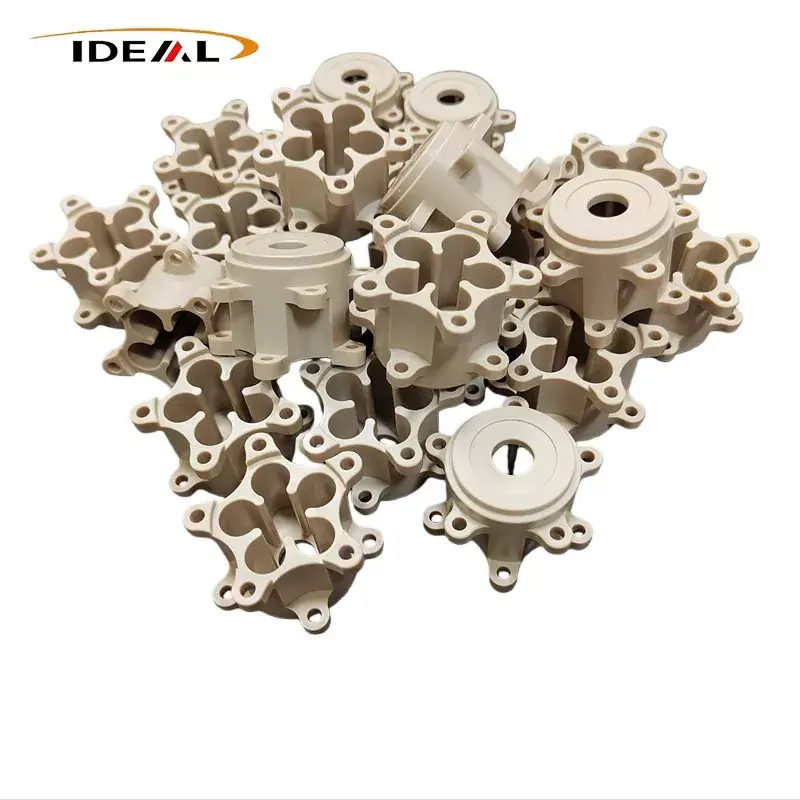
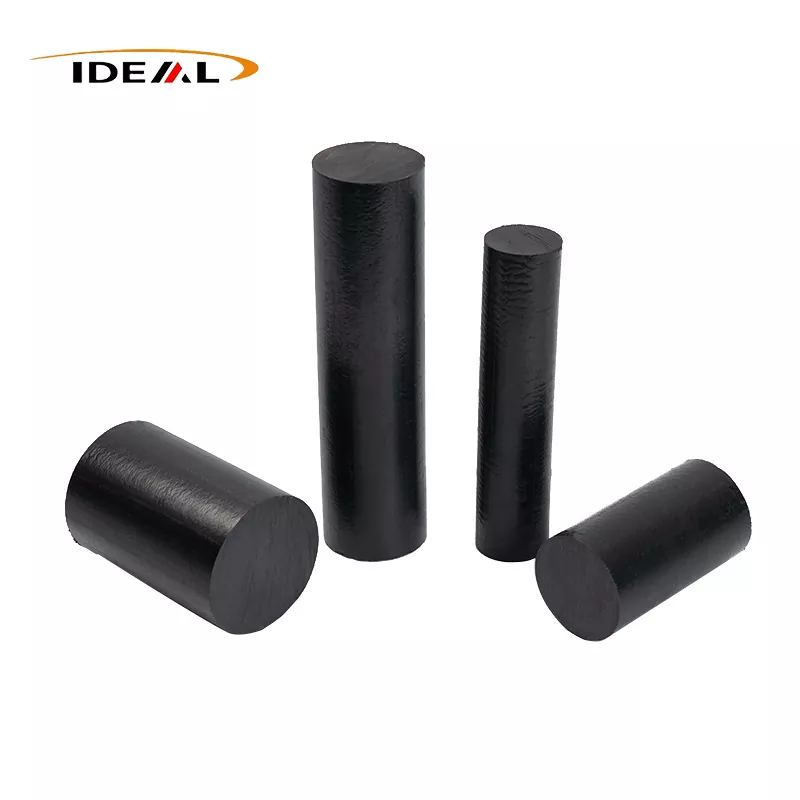
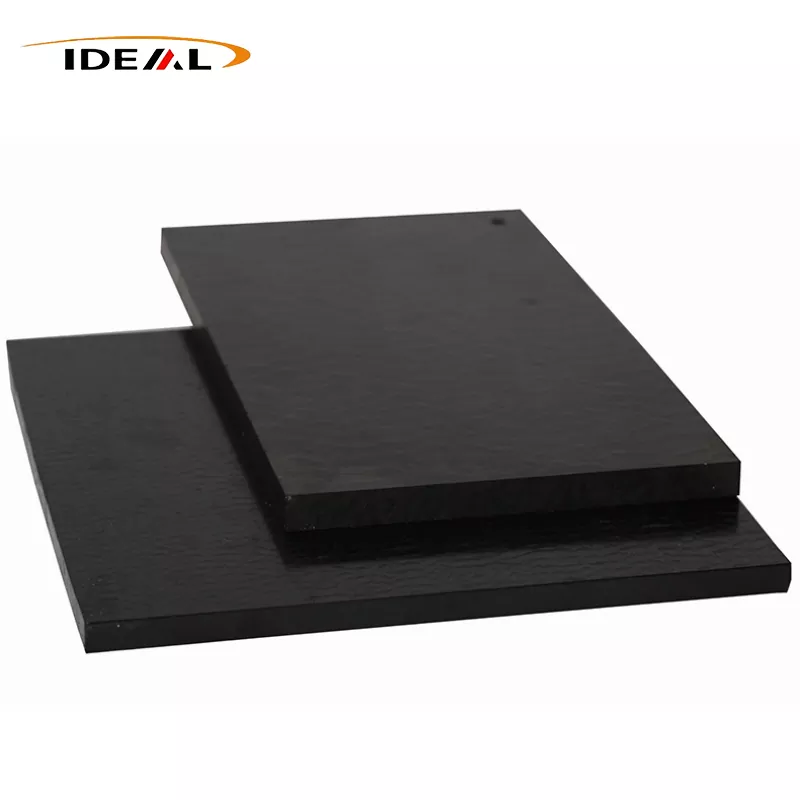
Addressing the pain points of material selection in high-end equipment, Carbon Fiber Reinforced PEEK Sheets, through modified composite technology, combine the stability of the PEEK substrate with the high strength of carbon fiber, becoming a core alternative material in humanoid robots and aerospace, perfectly matching the material selection standards of high-end industries. Taking Ideal Plastic's self-developed product, with 14 years of experience in high-performance engineering plastics, as an example, its 30% short carbon fiber modified PEEK sheet achieves a comprehensive performance breakthrough, precisely adapting to demanding high-end working conditions.
Through carbon fiber reinforcement modification, the product's mechanical properties are significantly enhanced: the tensile strength at room temperature is twice that of pure PEEK, and the tensile strength at 150℃ can reach three times that of pure PEEK, with comprehensive upgrades in flexural strength, rigidity, and fatigue resistance. The sheet's heat distortion temperature exceeds 300℃, making it resistant to deformation and creep under high-temperature and high-pressure conditions, stably bearing the high-intensity operational requirements of aerospace precision structures and robot load-bearing joints.
Compared to metal materials, Carbon Fiber Reinforced PEEK Sheets are significantly lighter, effectively reducing the overall load on equipment and improving robot endurance and aerospace equipment load efficiency. Simultaneously, a high-hardness, wear-resistant protective layer forms on the material surface, offering excellent wear and crack resistance. It is less prone to aging and wear under high-frequency friction, significantly reducing equipment failure rates and replacement costs, making it perfectly suited for robot transmission, sliding, and joint core components.
Continuing the excellent corrosion resistance, temperature resistance, and radiation resistance of the PEEK substrate, it can withstand strong acid and alkali corrosion, rapid high and low temperature changes, and gamma ray and electron beam radiation, with a radiation tolerance of up to 1100 Mrad. It is suitable for extreme environments such as aerospace vacuum, high-altitude radiation, and harsh chemical environments. Furthermore, the material has inherent anti-static and conductive properties, solving the problem of static electricity accumulation in ordinary insulating materials and ensuring the safe operation of precision equipment.
The product possesses natural flame-retardant properties, producing no dense smoke or toxic gases during combustion, meeting high safety standards for aviation and rail transportation. It has passed ISO9001, REACH, and RoHS certifications, ensuring no oil stains or pollutant release throughout the process, making it suitable for high-end clean production environments. A full range of sheet specifications are available, with thicknesses from 3mm to 100mm and widths from 600mm to 1250mm customizable, with tolerances precisely controlled within ±0.02mm. It supports precision CNC machining and can quickly adapt to mass production needs.
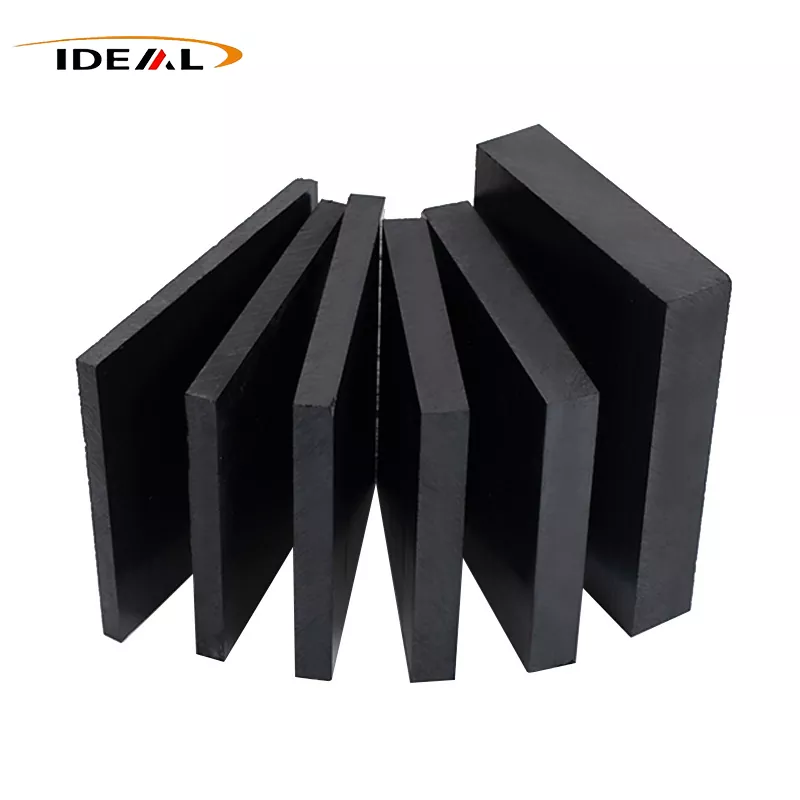
Leveraging its comprehensive performance advantages, Carbon Fiber Reinforced PEEK Sheets have fully penetrated two high-end core sectors and are suitable for multiple high-end industrial scenarios:
- Humanoid Robot Manufacturing: Used for core components such as robot skeletons, joint connectors, transmission gears, and sliding rails, achieving lightweight, low-noise, high-precision, and long-life operation of equipment.
- Aerospace Equipment: Applied to precision aerospace components, space exploration equipment, and satellite structural parts, suitable for extreme working conditions such as high altitude, radiation, and extreme temperatures.
- Broad High-End Industrial Sector: Covering scenarios such as food and pharmaceutical equipment, chemical corrosion-resistant parts, precision machinery, and new energy equipment, replacing traditional inefficient materials and helping industries upgrade and improve quality.
The continuous upgrading of humanoid robots and the aerospace industry is essentially an iterative upgrade of high-end material technologies. Traditional single materials can no longer meet the diversified and stringent performance requirements of high-end equipment. Carbon fiber reinforced PEEK composite sheets, with their core advantages of high strength, lightweight, high stability, and resistance to extreme environments, have become a core material required by the high-end intelligent manufacturing industry.
Relying on mature modification production processes, a stable quality control system, and comprehensive after-sales capabilities, Ideal Plastic's domestically produced carbon fiber reinforced PEEK sheets break the monopoly of imported materials. With their advantages of high cost-effectiveness, customizability, and fast delivery, they provide one-stop material solutions for domestic high-end equipment manufacturing enterprises, continuously helping the domestic high-end intelligent manufacturing industry achieve high-quality breakthroughs.