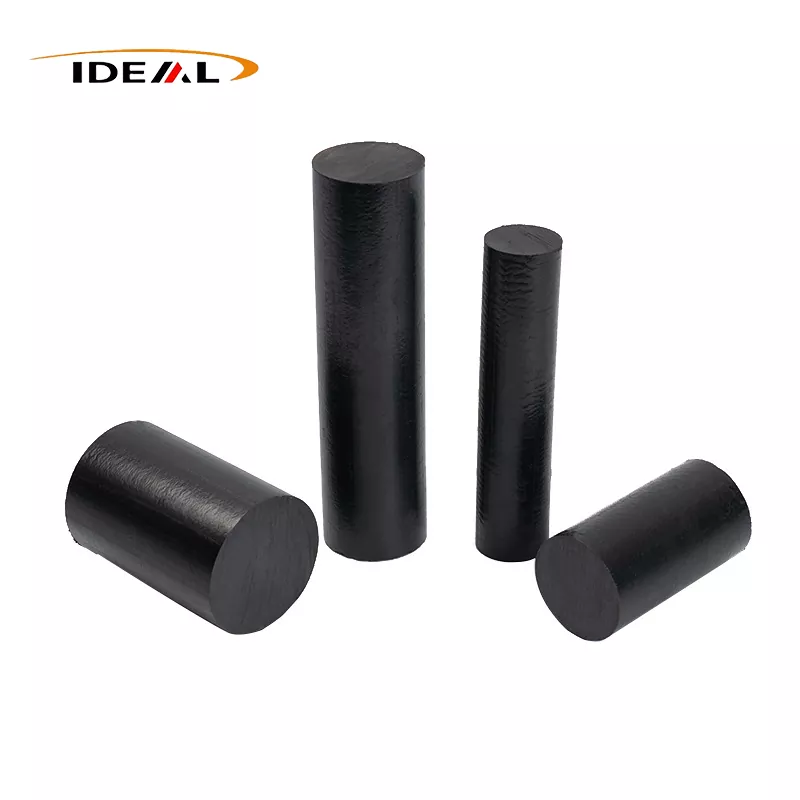
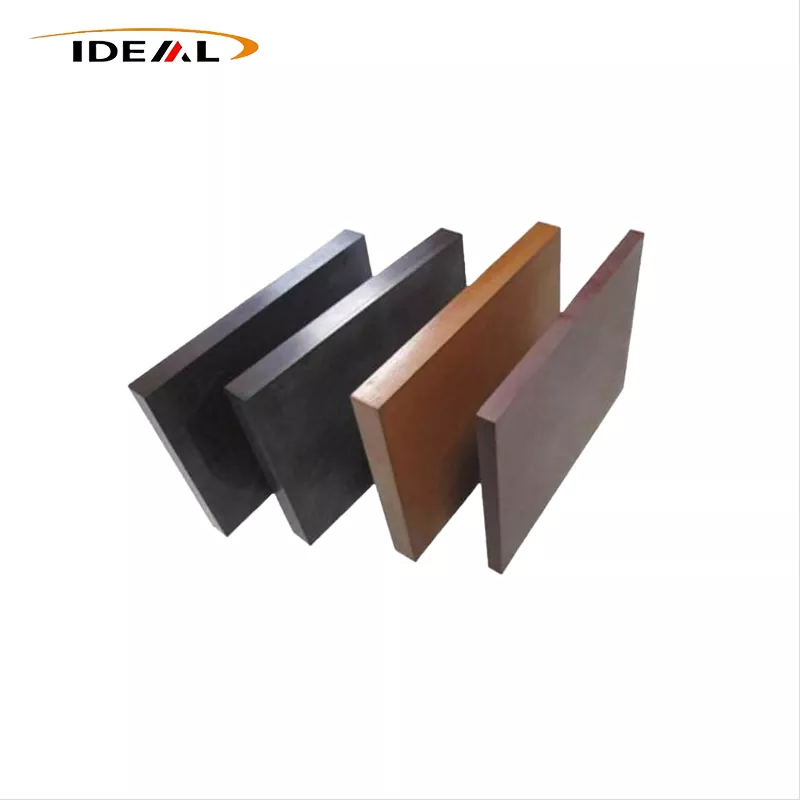
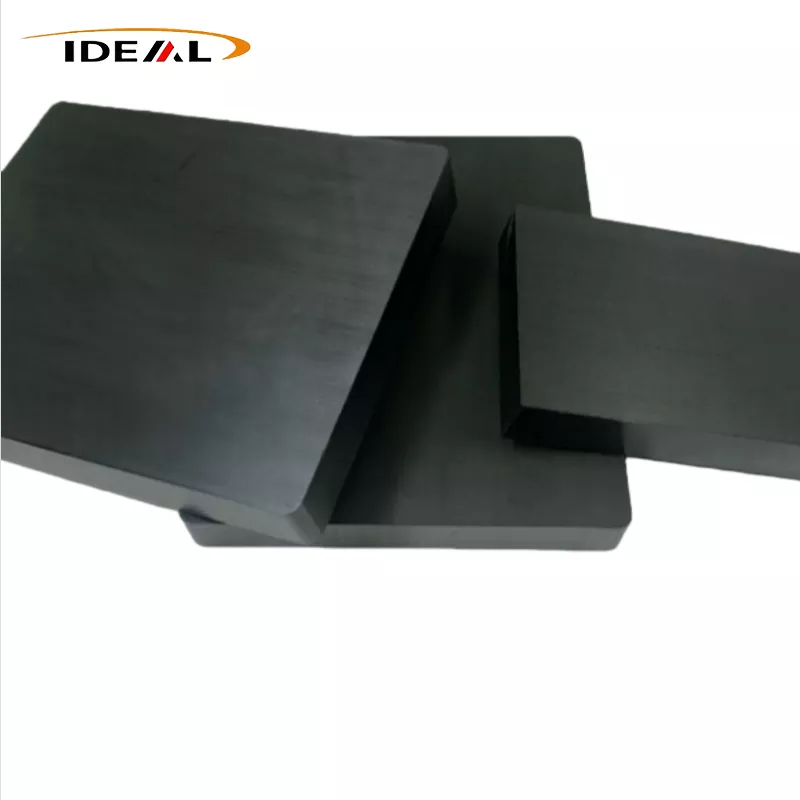
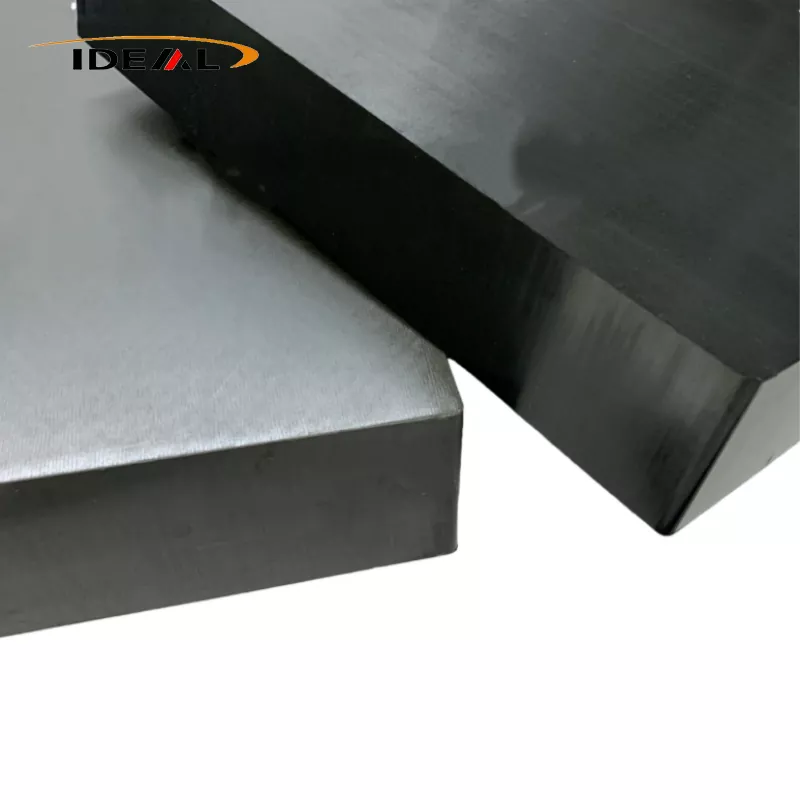
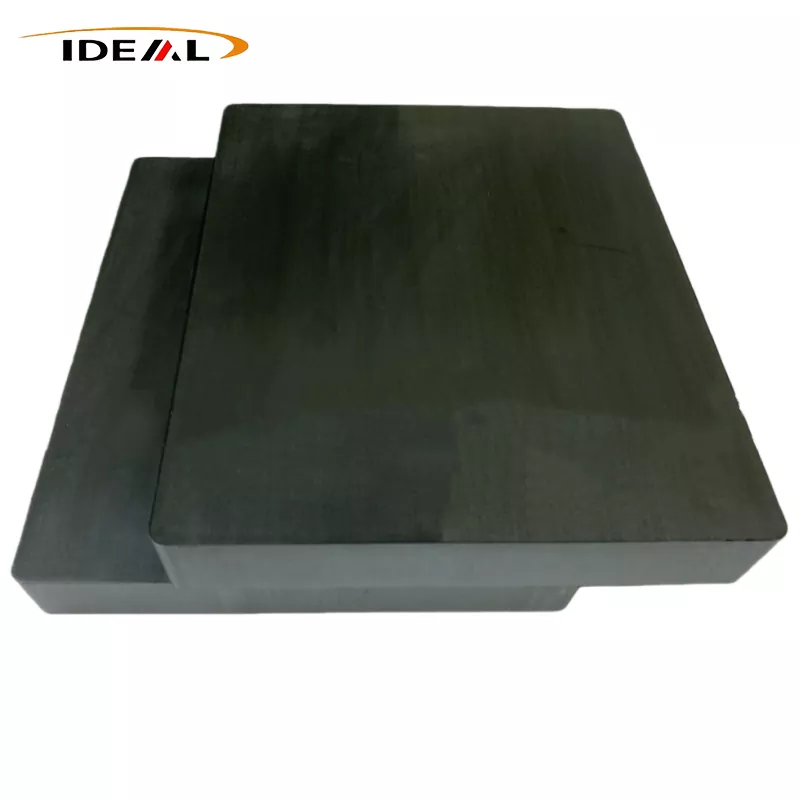
Buy Vespel SP-211 Plates from Ideal Plastic to eliminate mechanical stick-slip. Our specialized high-temperature thermoset plates resolve the thermal softening issues common in traditional melting polymers. Formulated by blending a non-melting polyimide base with 15% graphite and 10% PTFE lubrication fillers, these black structural shapes provide excellent friction control and high wear resistance for heavy-load, unlubricated sliding interfaces.
Source Vespel SP-211 Plates from Ideal Plastic to safeguard your high-vacuum and dry-running mechanisms against structural failure. Unlike standard thermoplastics that flow under pressure, this specific grade features an infusable polymer network with a calculated density of 1.55 g/cm³. We maintain an exact ±0.02mm thickness tolerance across our full stock inventory, allowing machine shops to achieve flat, stress-free blanks perfect for high-speed CNC routing, precise lathed components, and tight-tolerance custom seals.
| Physical Property | Value | Evaluation Details |
|---|---|---|
| Product Name | Vespel SP-211 Plates | Vespel SP-211 Grade Stock |
| Material Base | Thermoset Polyimide + 15% Graphite + 10% PTFE | Homogeneous Internal Matrix |
| Color | Black | Uniform Phase Distribution |
| Material Density | 1.55 g/cm³ | Standard Baseline Value |
| Friction Coefficient | 0.05 to 0.15 | Dynamic Dry Sliding |
| Wear Rate Limit | 5 × 10⁻⁷ mm³/N·m | High-Velocity Mechanical Evaluation |
| Continuous Thermal Limit | 300°C | Long-Term Hot Air Exposure |
| Stock Width Selections | 600mm, 1000mm | Flat Extruded Configuration |
| Thickness Dimensions | 5mm to 100mm | In-Stock Selection |
| Dimensional Tolerance | ±0.02mm | Verified Across Full Plate |
| Regulatory Approvals | ISO 9001:2008, REACH, ROHS | Certified Third-Party Compliance |
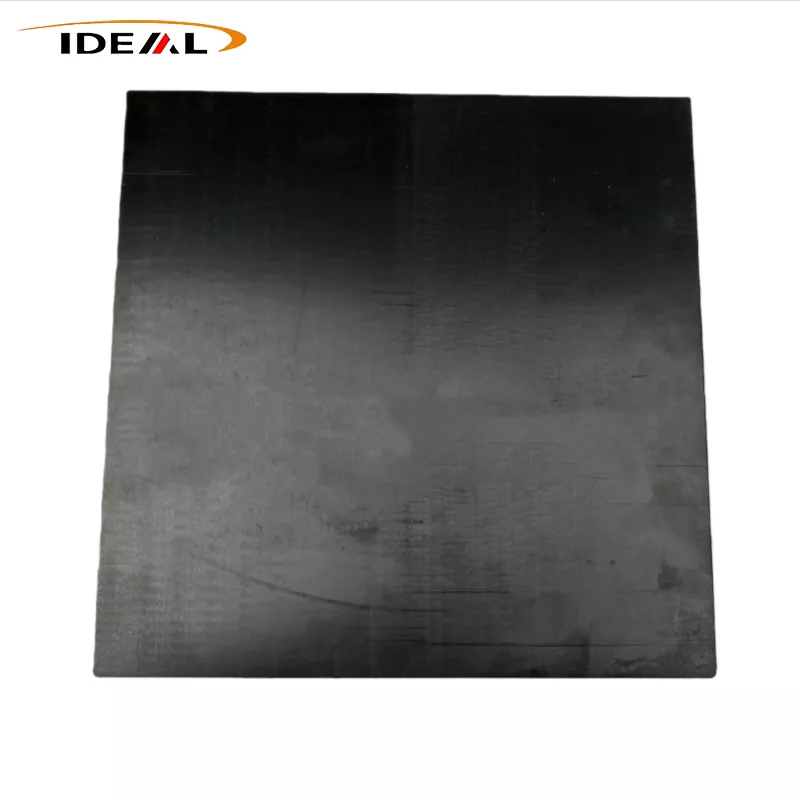
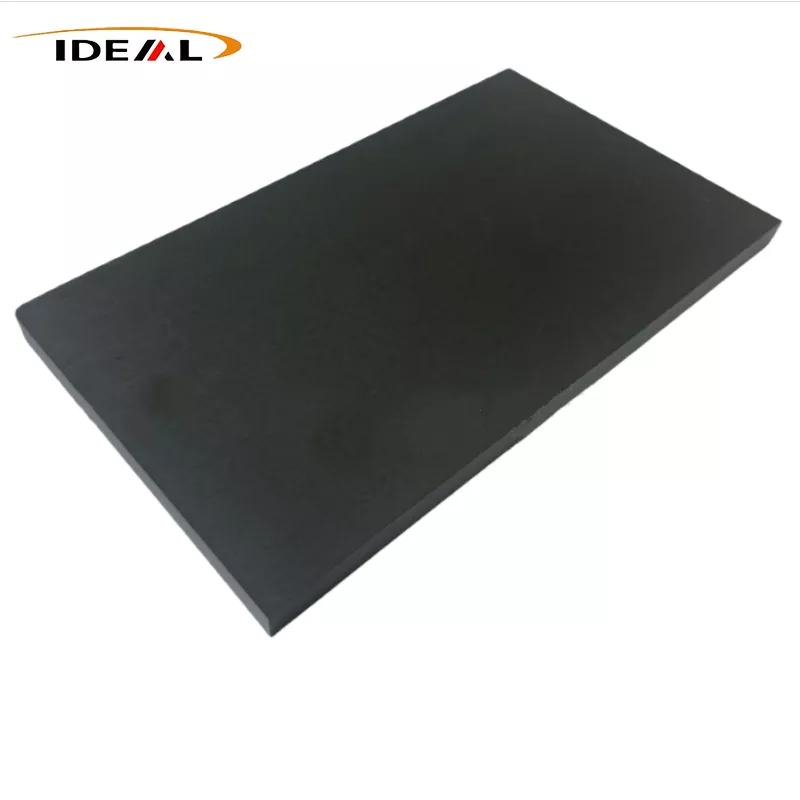
When systems run dry at high speeds, traditional polymers experience localized melting, surface scoring, and high drag. Vespel SP-211 Plates counteract these issues through an internal lubrication system that operates independently of external oil or grease:
• Dynamic Friction Reduction: Incorporating 10% polytetrafluoroethylene (PTFE) creates a slick, low-energy contact surface. This drops the dynamic friction coefficient down to 0.05 to 0.15, preventing the erratic jerky movements typical of dry metal-to-metal contact.
• Thermal Structural Shielding: The addition of 15% graphite protects the underlying material against high-temperature abrasion. This combination allows machined bushings and wear strips to run continuously at 300°C and survive short-term thermal spikes.
Application Note: The addition of PTFE slightly increases the material's thermal expansion coefficient and causes minor micro-particle shedding over time. For this reason, this grade is an excellent choice for atmospheric or sealed dry-running environments, whereas ultra-high vacuum applications may benefit from our unfilled variations.
The product's non-melting polyimide backbone contains a dense internal hydrogen bond network, delivering up to 3.5 × 10²¹ bonds per cm³. This structural matrix locks the polymer chains in position, preventing surface micro-cracking and shedding under heavy loads. As a result, the material maintains a very low wear rate of 5 × 10⁻⁷ mm³/N·m, providing longer service life than high-grade polymers like PEEK under dry sliding conditions.
When exposed to direct flame, the dense aromatic ring structure undergoes localized carbonization rather than melting or dripping. This reaction creates a stable char layer that shields the underlying material and blocks the escape of flammable gases. At the same time, the material releases inert gases like CO₂ and N₂ to naturally dilute surrounding oxygen.
The acyl imine rings (—CO—NH—CO—) positioned along the polymer backbone form a highly stable, conjugated chemical structure. This arrangement acts as an electronic shield that blocks water molecules from penetrating the core matrix, keeping fluid absorption below 1%. This provides reliable protection against industrial acids, alkalis, organic solvents, and intense ionizing radiation fields.
Thanks to its low wear rate and dry-running capabilities, this material excels where traditional lubricants fail:
• Semiconductor & Packaging Lines: Long-lasting track guides, component positioning fixtures, and non-contaminating wear plates.
• Glass & Hot-Plastic Handling: Heated transfer clamps, non-marring alignment pads, and vacuum components that handle hot glass without scratching or marking delicate surfaces.
• Aerospace Propulsion & Control: Lightweight thrust washers, linkage bushings, and actuator guides used as dependable metal replacements in aircraft systems to simplify maintenance.
Sourcing high-performance polyimides demands strict production control to prevent internal material voids and stress. Ideal Plastic provides a complete, modern production pipeline at our advanced manufacturing hub:
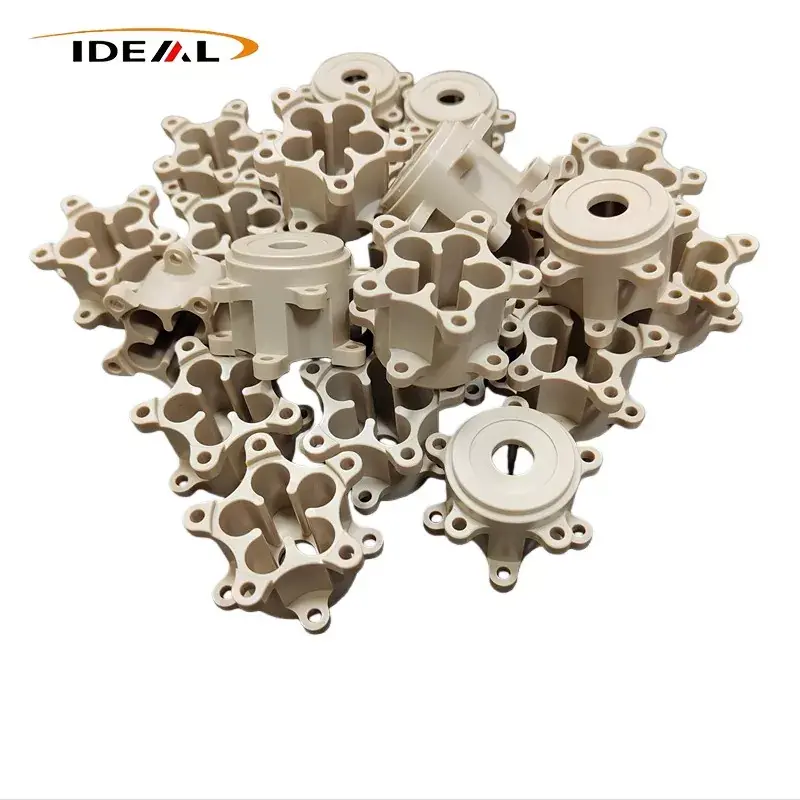
• Multi-Axis CNC Finishing Center: Our machine shop features high-speed 4-axis and 5-axis CNC machining centers, precision engraving lines, and laser cutters configured to hold exact tolerances when cutting filled polymers.
• Dust-Free Injection Molding: We run a certified 100,000-class dust-free injection molding workshop, keeping custom-molded parts completely free from particulate contamination.
• Full Customization Capabilities: We can machine parts directly from your custom design drawings, tailoring dimensions and geometries to meet your exact application requirements.
A: We support flexible ordering for standard semi-finished profiles, with a 1-piece minimum order quantity. For custom machined components, the MOQ is dynamically determined according to product dimensions, structural geometry and processing requirements.
A: We adopt a standard order payment term: an upfront deposit to initiate production, with the remaining balance settled prior to shipment once goods are finished. Payment can be made to our HSBC Hong Kong account or arranged via your appointed freight forwarder. Stock product test samples are available free of charge; clients only cover the shipping cost, and we guarantee sample quality is fully consistent with mass-produced goods.
A: Should any verified quality defect or specification discrepancy impair product usability, please inform us promptly. We will conduct complimentary returns or replacements and bear all relevant shipping expenses. For returns arising from personal ordering errors or updated customer requirements, standard products may be accepted provided they are kept intact, clean and resalable. In such circumstances, the buyer shall be responsible for all return shipping fees.