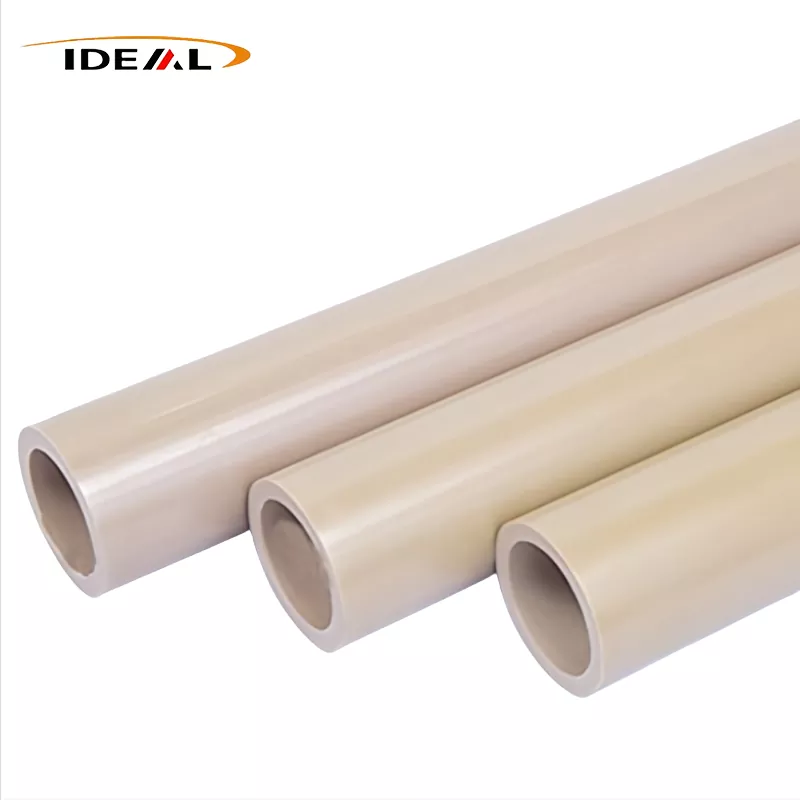
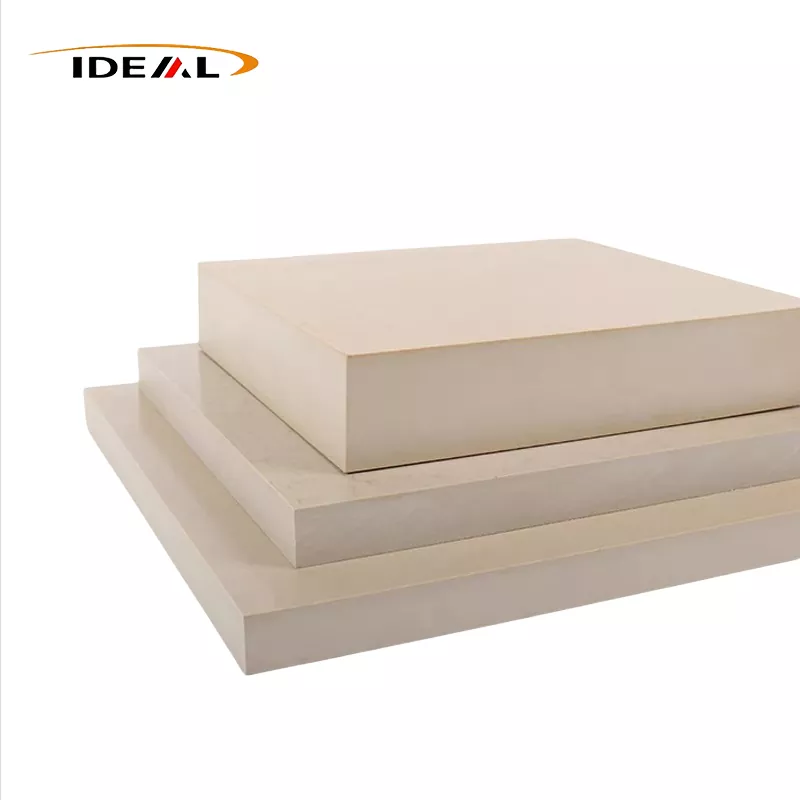
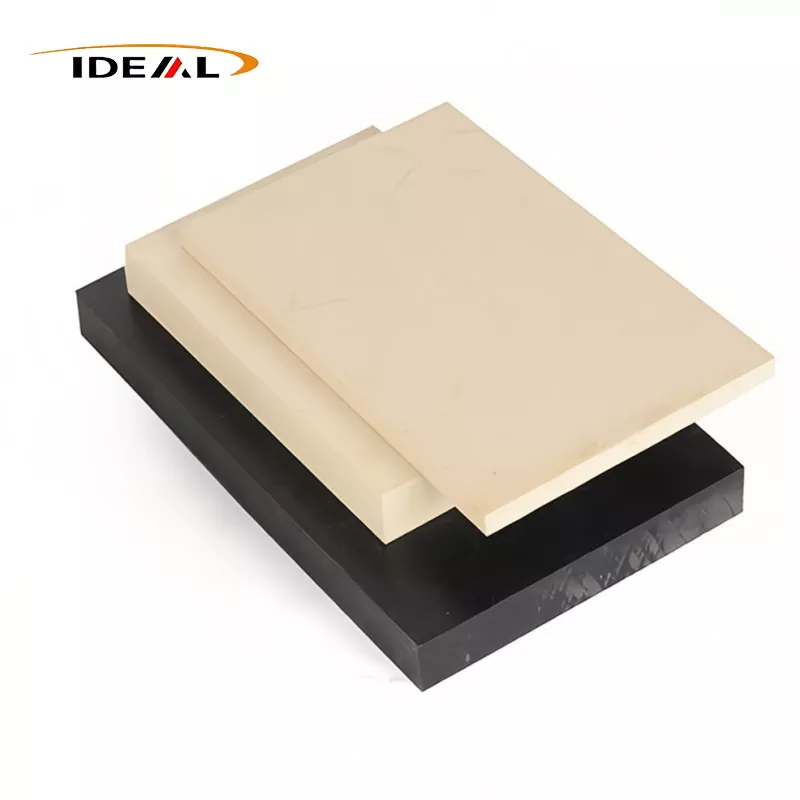
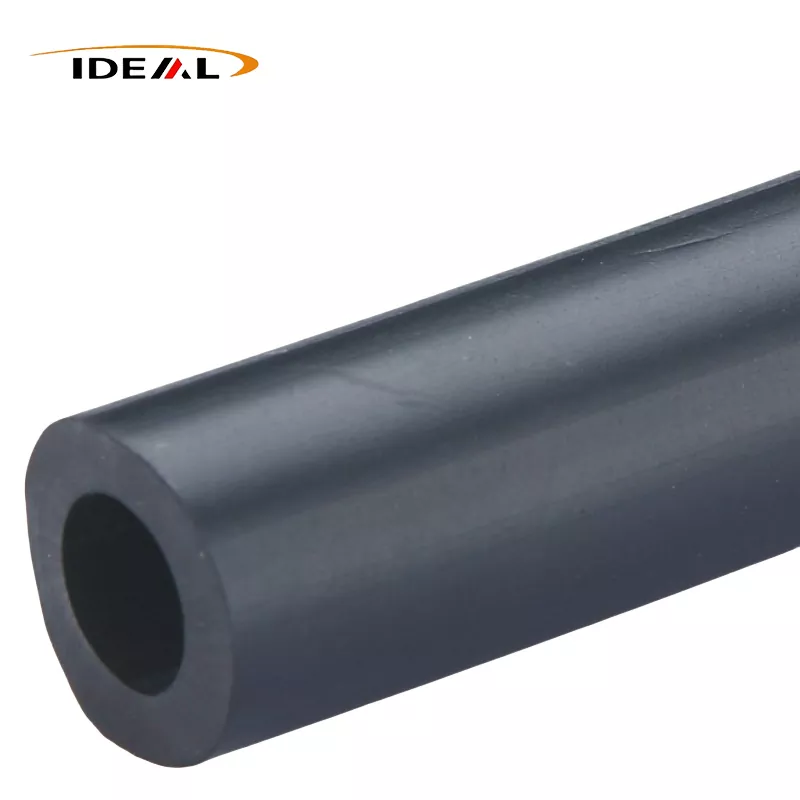
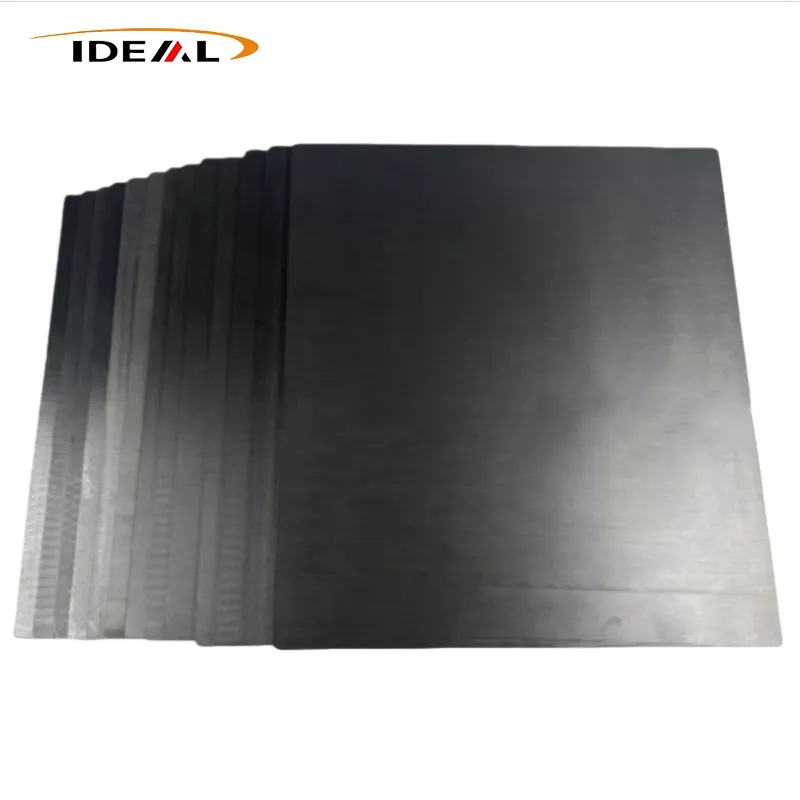
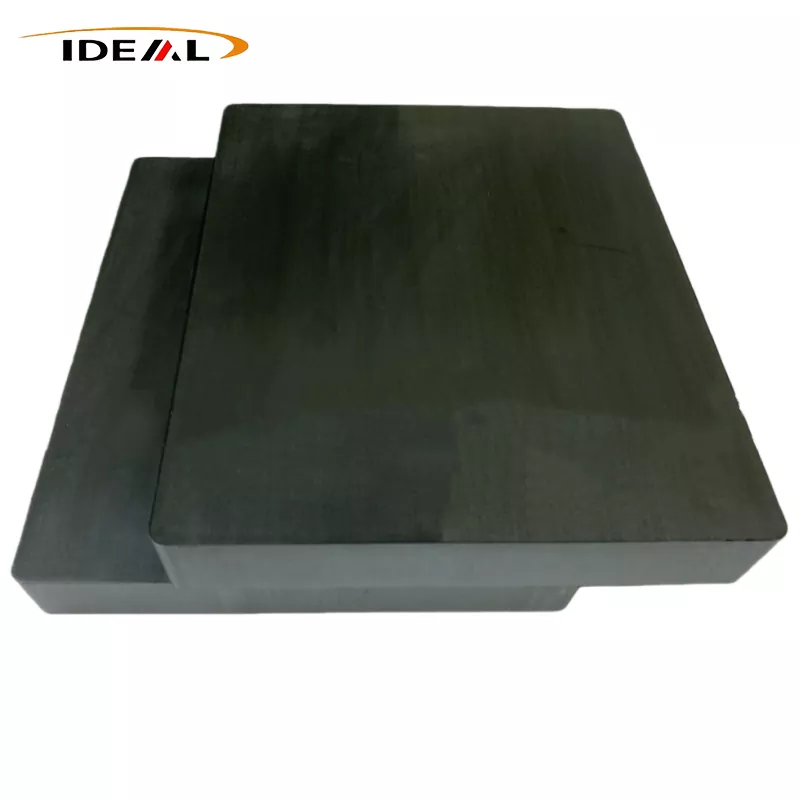
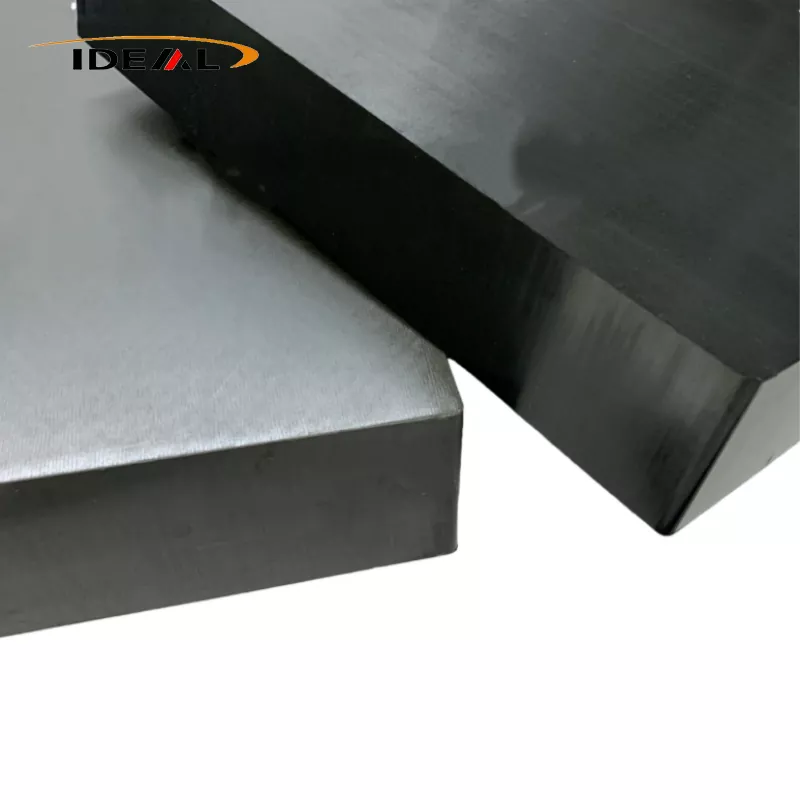
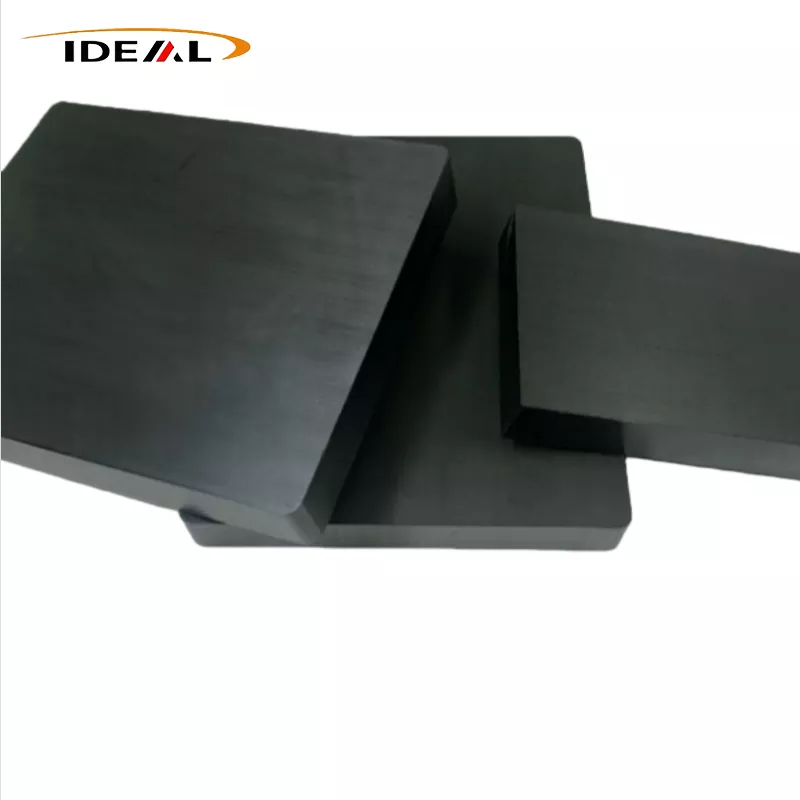
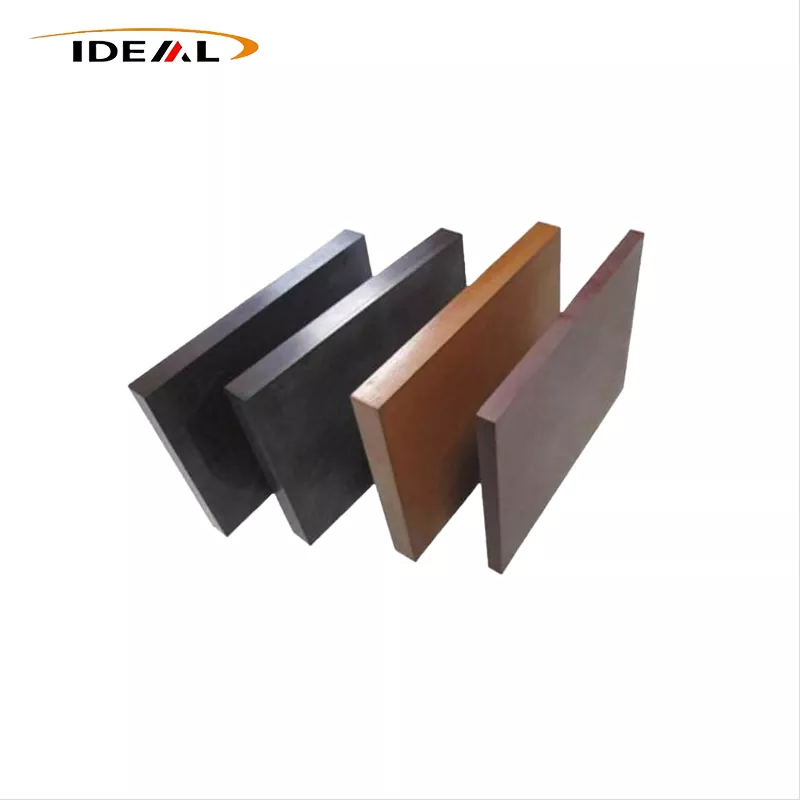
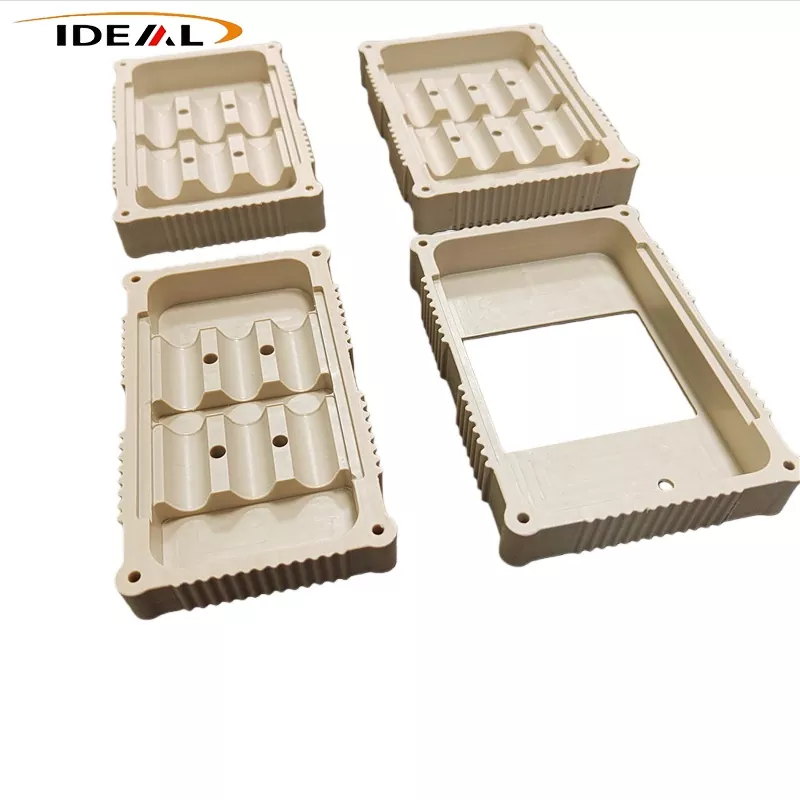
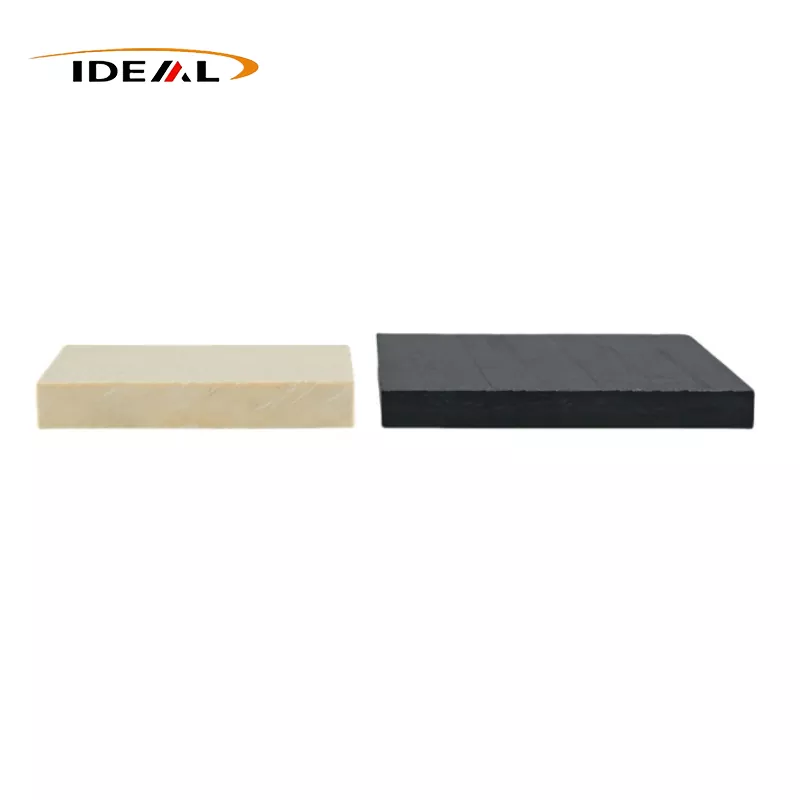
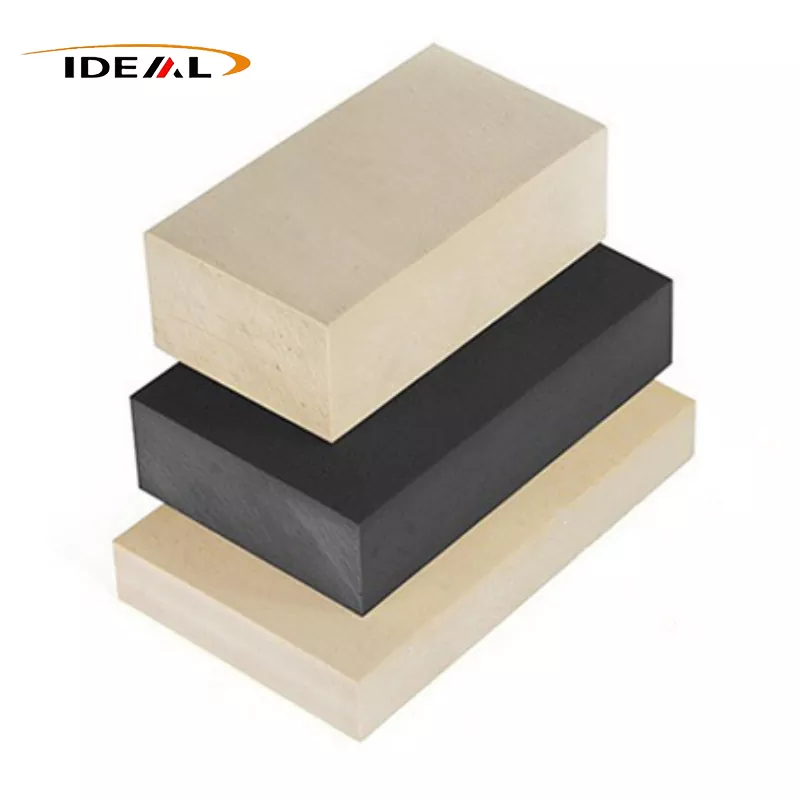
Polyimide plate

We emphasize enhancement and introduce new solutions into the market just about every year for Polyimide plate,Vespel plate,Polyimide PI plate,PI sheet, We generally hold the philosophy of win-win, and build long-term cooperation partnership with clients from throughout the earth.We believe that our growth base on customer's achievements, credit history is our lifetime.
Polyimide plate, We have now a dedicated and aggressive sales team, and many branches, catering to our main customers. We have been looking for long-term business partnerships, and ensure our suppliers that they will surely benefit in both short and long run.
Hot Products

  • Torlon Rods

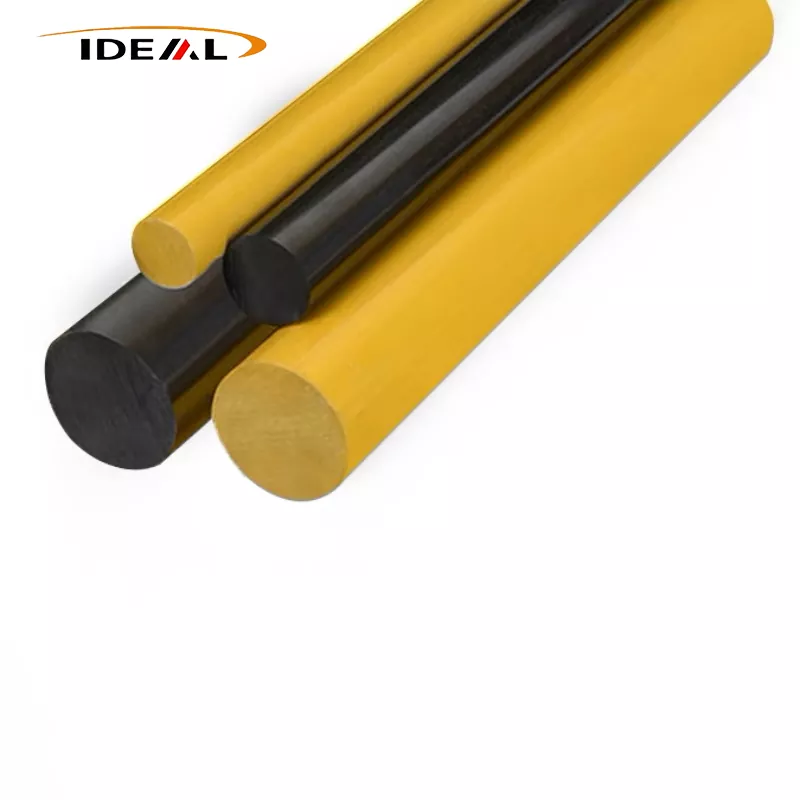
    Torlon Rods

    Torlon rods is a kind of PAI plastic profile. PAI stands for polyamide imide, an amorphous material with a glass transition temperature (Tg) of 537 °F (280 °C). It can handle continuous high-temperature and high-pressure environments up to 260 °C (500 °F) with no problem, making it a seriously tough and melt-processable plastic. Its heat resistance is especially impressive.PAI has a really low thermal expansion rate and excellent creep resistance, so it stays dimensionally stable in all kinds of conditions. Parts made from it also offer great compressive and impact strength. You’ll often find it used in things like electrical connectors, bearing cages, spindles, chip-test sockets, and labyrinth seals.
  • PEEK Plastic Plates

    PEEK Plastic Plates

    PEEK plastic plates PEEK profiles are known for their well-rounded performance and are widely used across different industries. PEEK, short for polyetheretherketone, is a semi-crystalline high-performance engineering plastic. It really excels in all sorts of areas—heat resistance, self-lubrication, chemical resistance, flame retardancy, hydrolysis resistance, wear resistance, and fatigue resistance. Thanks to ongoing improvements in synthesis and processing tech, we can further enhance certain properties of PEEK through methods like chemical modification, blending, or adding fillers. Since it's a thermoplastic, there are plenty of ways to process it: injection molding, extrusion, compression molding, and even melt spinning.
  • PEEK GF30 Tubes

    PEEK GF30 Tubes

    Okay, so the PEEK GF30 tubes material we produce is basically a composite. We make it by blending PEEK plastic with 30% glass fiber. It's a type of semi-crystalline plastic to begin with.Now, PEEK itself has a molecular structure packed with benzene rings, which is actually the secret behind a lot of its awesome properties.When it comes to producing PEEK resin, here's how it usually goes: the main raw materials are 4,4'-difluorobenzophenone, hydroquinone, and sodium carbonate. They use diphenyl sulfone as the solvent for the whole process. The reaction has to happen in a nitrogen atmosphere for protection, and the temperature is slowly increased until it hits around 320°C. That's actually really close to PEEK's own melting point, and that's when you finally get the PEEK resin.
  • PEEK GF30 Plates

    PEEK GF30 Plates

    We have a material called PEEK GF30 plates, which is a composite material with polyetheretherketone (PEEK) as the substrate and glass fiber as the reinforcement. It is semi crystalline in structure. At room temperature of about 23 ℃, its tensile modulus is almost 11800mpa, and its thermal deformation temperature can reach 328 ℃ (test condition is 1.8MPa). If we adjust the proportion of glass fiber or production process, we can further improve its mechanical properties.
  • PEEK Sheets

    PEEK Sheets

    PEEK sheets is a high-end engineering plastic with excellent comprehensive performance. Its molecular structure is dominated by an aromatic molecular skeleton, with aromatic ring groups tightly linked by ketone and ether groups. The molecule is rich in benzene rings, giving it excellent heat resistance and mechanical strength. At the crystal level, PEEK exhibits the characteristics of a two-phase semi-crystalline polymer, composed of both amorphous and crystalline phases. The typical crystallinity range of its products is between 20% and 35%. Through refined processing techniques, even wider ranges of crystallinity variations can be achieved, from as low as 0% to as high as 40%.
  • Carbon Fiber Reinforced PEEK Pipes

    Carbon Fiber Reinforced PEEK Pipes

    Ideal Plastic's quality Carbon Fiber Reinforced PEEK Pipes are high-performance composite tubes upgraded by adding carbon fiber to high-purity PEEK resin. Optimized composite structure greatly improves rigidity, dimensional stability and load capacity compared with ordinary pure PEEK pipes, ideal for rigorous industrial piping and transmission scenarios.
    1. Stable molecular structure
    2. Reasonable crystallinity design
    3. Excellent comprehensive durability
    4. Enhanced structural rigidity
    5. Resistant to deformation
    6. Strong adaptability to harsh conditions

Send Inquiry