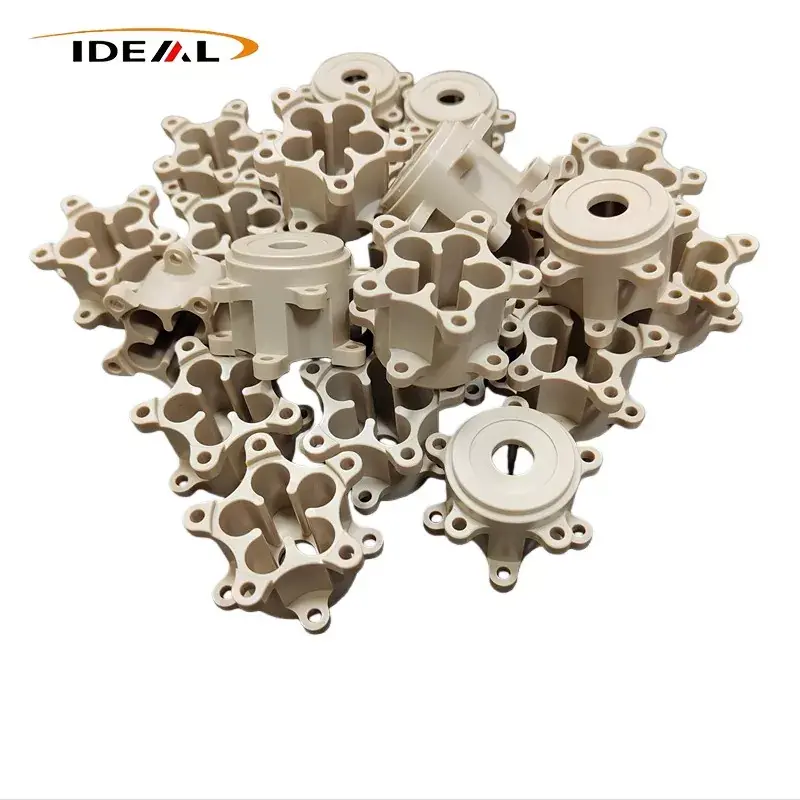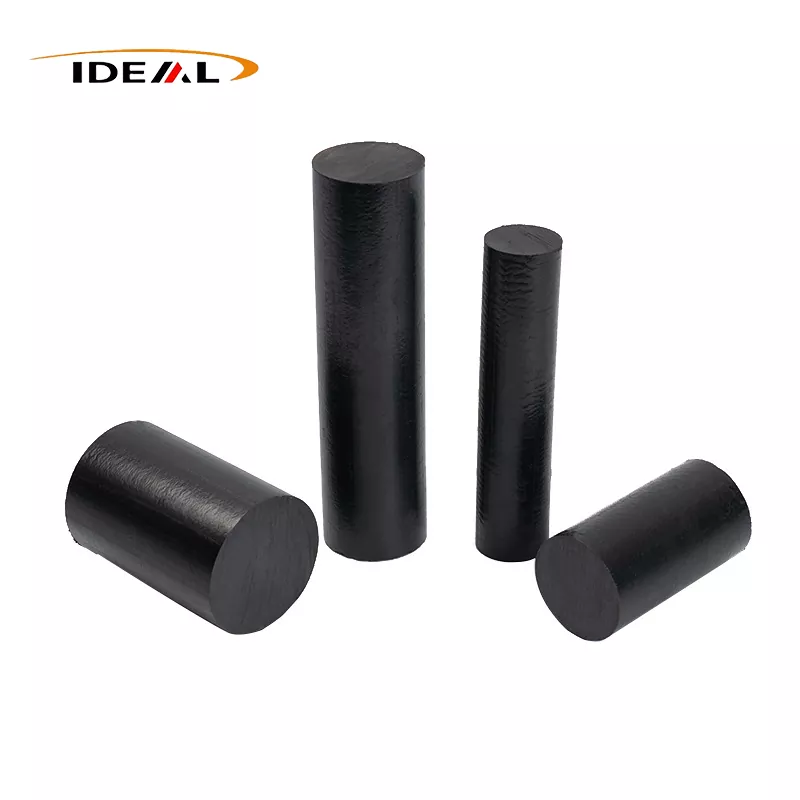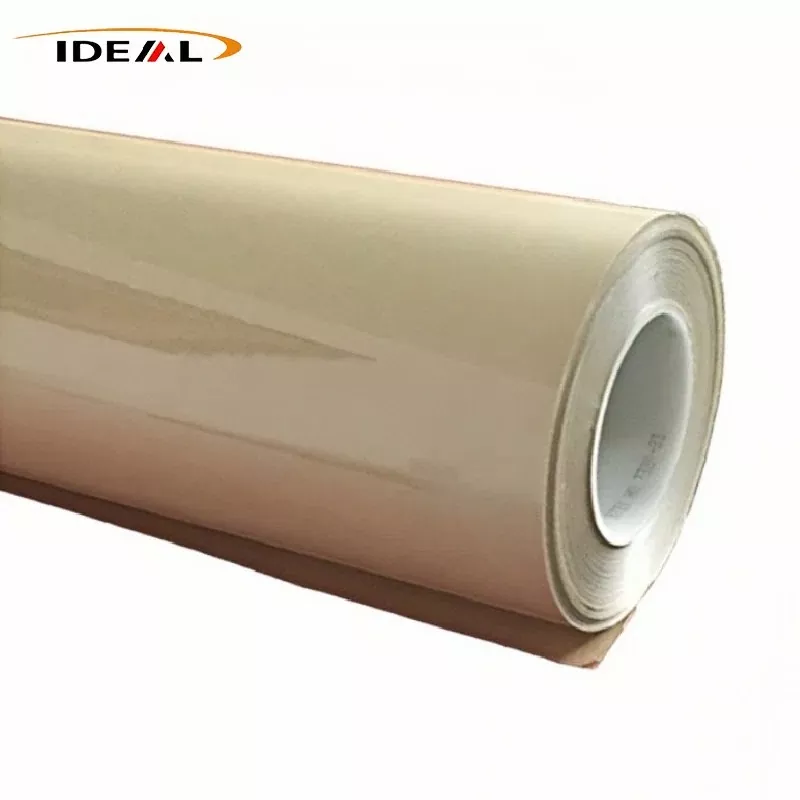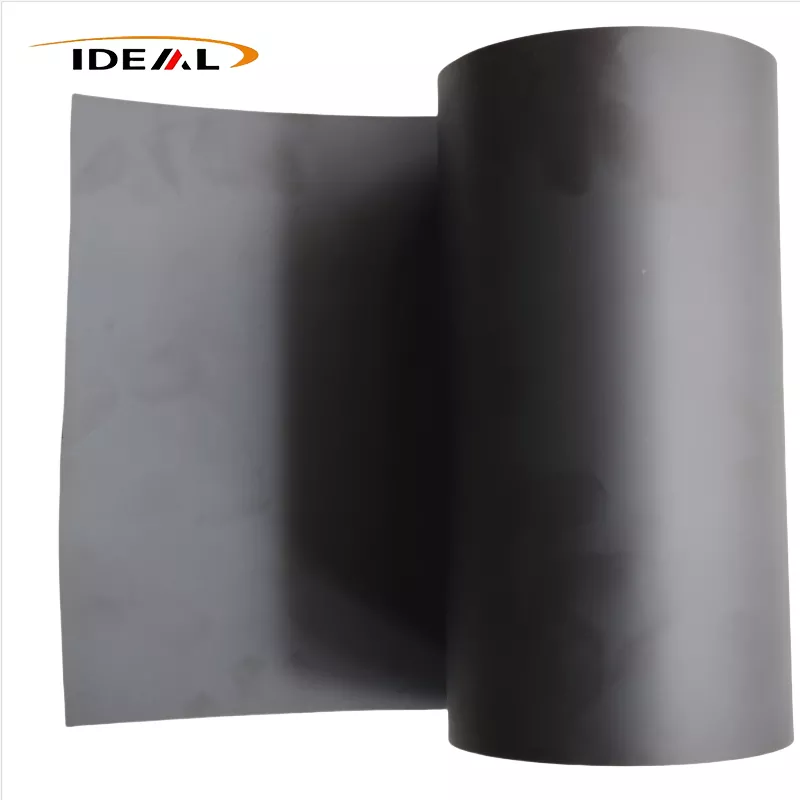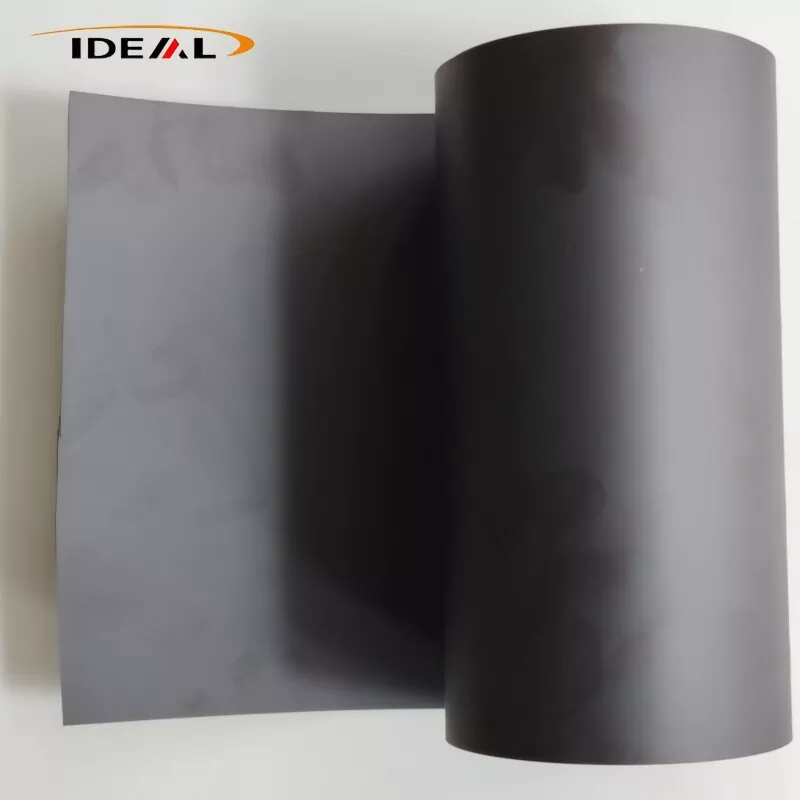
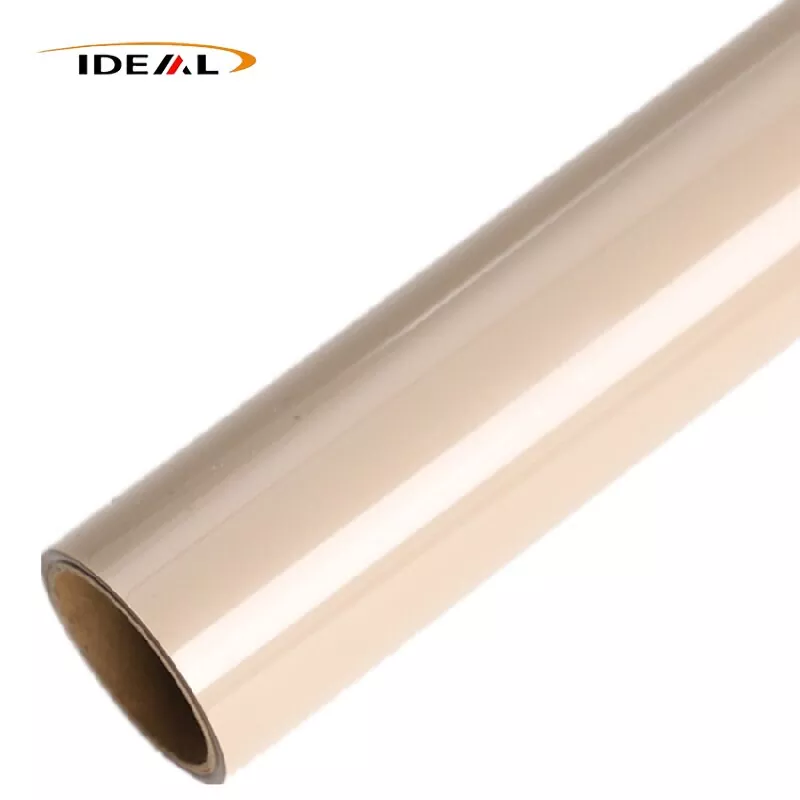
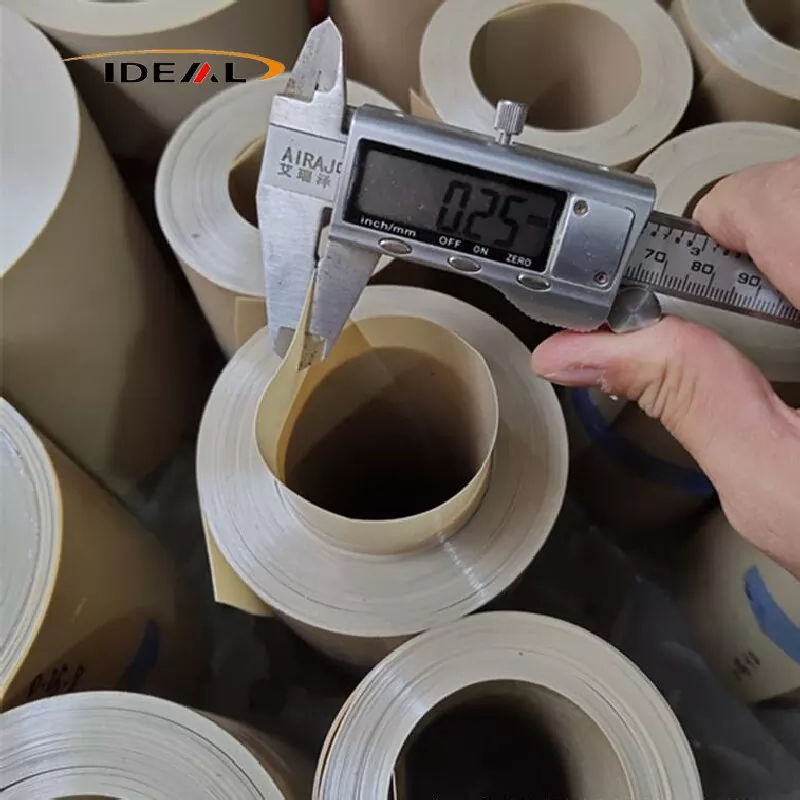
Natural PEEK Film is a 100% virgin, unfilled and non-pigmented PEEK cast film. It is mainly mass-produced via high-temperature T-die cast extrusion, while high-end ultra-thin and high-flatness products adopt the biaxially oriented BOPEEK process. Featuring low ion precipitation, ultra-high cleanliness, excellent biocompatibility and superior insulation performance, the film supports repeated high-temperature sterilization and is widely applied in IT manufacturing, precision electronics, biomedicine and other high-end industries.
Virgin PEEK Film is produced exclusively from brand-new original PEEK resin pellets, with no recycled materials or reprocessed pellets added. It is available in natural or black colors, and can be formulated as unfilled or modified with glass fiber or carbon fiber fillers.
Unfilled PEEK Film contains no modified fillers, including glass fiber, carbon fiber, graphite or PTFE. With ultra-high purity and zero filler precipitation risk, it delivers optimal toughness and fatigue resistance as well as stable insulation performance. The material resists hydrolysis and most organic solvents, and can only be corroded by hot concentrated sulfuric acid.
Natural PEEK Film:Natural PEEK refers specifically to the inherent appearance color of PEEK material. Light tan and amber beige are the original natural hues of pure PEEK resin, with no toner or black masterbatch added during production.
Natural PEEK, Virgin PEEK and Unfilled PEEK are three independent definitions and cannot be equated. Recycled PEEK can also retain a natural hue, and certain light-colored modified fillers can also present a natural visual appearance.
The Natural, Unfilled and Virgin PEEK Film described in this section refers to Guangzhou Ideal’s premium three-in-one high-purity PEEK film, which integrates virgin, unfilled and natural characteristics. This high-end film adopts 100% new original PEEK resin pellets (Virgin), contains no glass fiber, carbon fiber, graphite, PTFE or other modified fillers (Unfilled), and maintains the resin’s inherent light amber appearance without any external color masterbatch (Natural).
1. Highest purity grade with zero filler precipitation risk. No toner or fiber shedding occurs. It features extremely low outgassing in clean environments, making it suitable for vacuum and semiconductor applications.
2. Delivers exceptional toughness and fatigue resistance. It resists cracking after repeated bending and offers a longer service life under thermal cycling compared with recycled and filled PEEK films.
3. Ensures long-term stable insulation performance with low dielectric loss at high temperatures. No pigment precipitation or secondary contamination occurs without added color masterbatch.
4. Possesses outstanding hydrolysis resistance and withstands repeated high-pressure steam sterilization, meeting medical disinfection requirements.
5. The natural transparent hue allows easy visual detection of black spots and burnt impurities, facilitating fast incoming material inspection and quality screening.
1. Its rigidity and creep resistance are lower than glass fiber or carbon fiber filled PEEK films. It is prone to creep deformation under sustained high-temperature loads, so it is not suitable for long-term load-bearing sliding wear components.
2. Crystallinity brings application limitations: amorphous PEEK has poor solvent resistance and may suffer stress cracking when exposed to high-temperature solvents, while semi-crystalline PEEK provides superior chemical resistance. Crystallinity status must be confirmed during procurement.
3. It has moderate UV resistance and is not suitable for unprotected outdoor exposure.
4. It requires high procurement costs and strict precision production control standards.
The manufacturing difficulty of three-in-one high-purity PEEK film lies in full-process strict control, rather than simple extrusion molding.
1. Exclusive production line isolation
All high-purity three-in-one products are manufactured on dedicated equipment, completely isolated from filled and modified PEEK production lines to avoid cross-contamination and preserve high-purity performance.
2. Precise raw material pretreatment and drying
Raw pellet moisture content is strictly controlled at ≤0.02%. Excessive moisture will generate pinholes and micro-bubble defects on ultra-thin film surfaces.
3. Accurate extrusion temperature window control
Pure PEEK melt is highly susceptible to thermal degradation. Excessively high temperature or prolonged melt residence in the die will cause film darkening. Slight color variation does not indicate recycled material usage, as recycled re-granulated PEEK can also produce a light amber appearance. Product grade is never judged by visual color; every batch retains test samples for strict certification.
4. Cooling roller temperature control for precise crystallinity adjustment
Rapid cooling produces amorphous PEEK film with higher flexibility, suitable for FPC flexible substrates yet weak in solvent resistance and prone to high-temperature solvent stress cracking. Slow cooling produces high-crystallinity semi-crystalline PEEK film with better chemical resistance and thermal shrinkage resistance, though with reduced elongation at break.
5. Mandatory post-annealing heat setting process
Annealing releases internal orientation stress of the film, reducing the thermal shrinkage rate to ≤1.5% at 200°C for qualified finished products. Skipping annealing will cause warpage, shrinkage and deformation during customers’ subsequent hot pressing and punching processes.
Guangzhou Ideal manufactures premium virgin PEEK film via T-die cast extrusion and biaxial stretching processes. We adopt high-purity branded virgin PEEK pellets with no recycled materials, carbon fibers or color masterbatches. Dedicated production lines eliminate cross-contamination.
Our PEEK film withstands thousands of repeated bends without cracking or delamination, and supports clean stamping, laser cutting and punching without chipping. Our product grades cover general industrial grade, food contact grade, medical device grade and semiconductor vacuum grade.
| Product name | Natural PEEK Film |
| Density | 1.26~1.30 g/cm³ |
| Material | Pure PEEK |
| Color | translucent light beige / light amber |
| Crystallinity | amorphous light transparent natural film, semi-crystalline natural film |
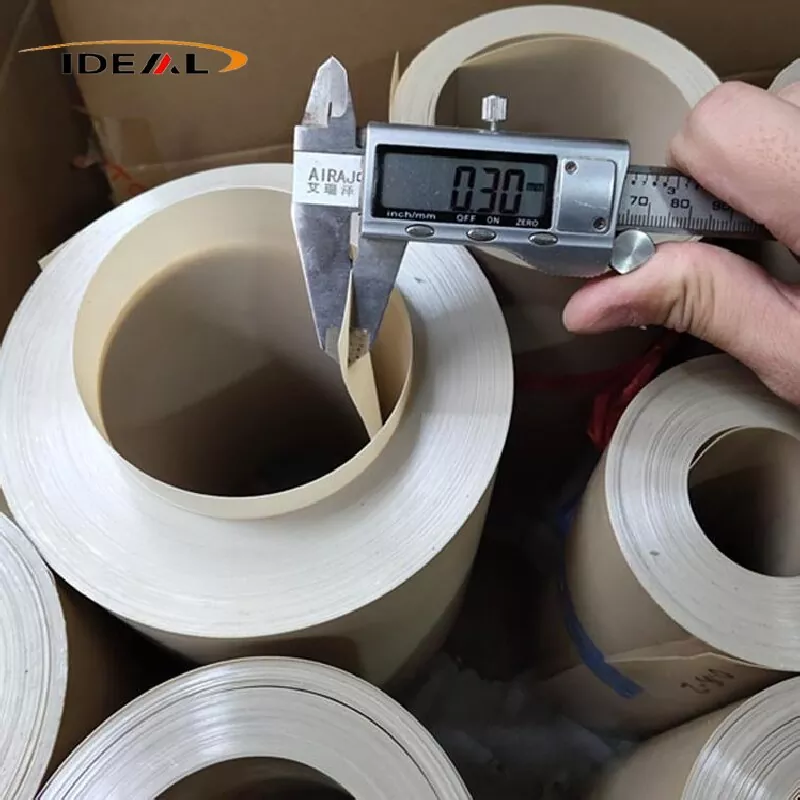
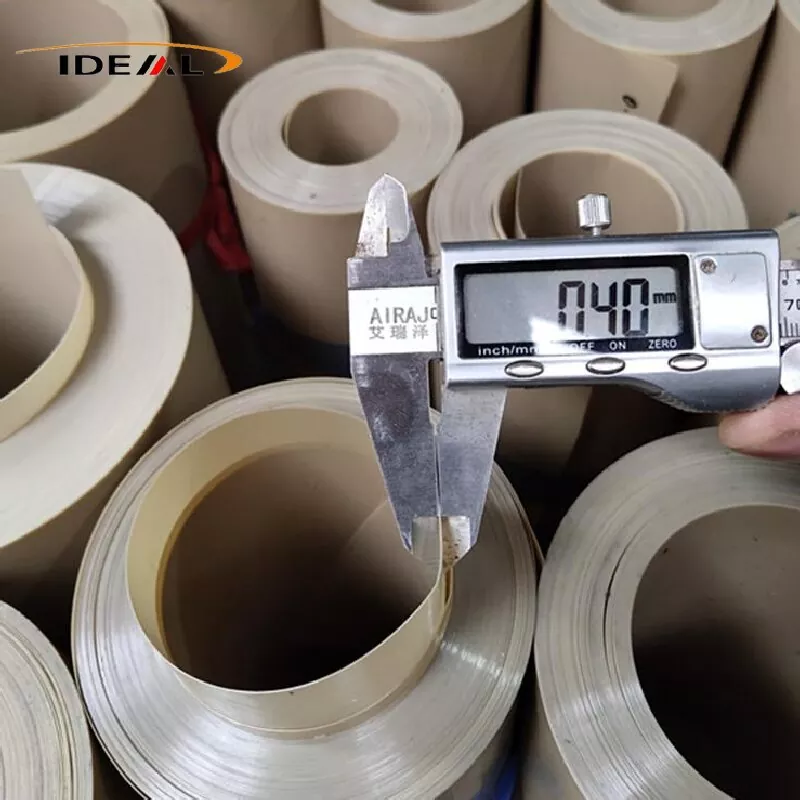
| Conventional thickness | 0.03mm, 0.05mm, 0.08mm, 0.1mm, 0.125mm, 0.15mm, 0.2mm, 0.25mm, 0.3mm, 0.4mm, 0.5mm, 0.6mm, 0.8mm, 1.0mm |
| Width | 650mm, 680mm, 1050mm, 1360mm, 1450mm |
| Length | one roll |
| Additional services | free cutting |
| sample | To be negotiated |
| Certificates | ISO9001:2012 |
Based on its mechanical, thermal, electrical insulation, chemical resistance, water absorption, dimensional stability, and clean precipitation properties, virgin PEEK film is categorized into industrial, medical, and semiconductor grades.
Test Standards: ASTM D882 (film-specific), ASTM D790, ASTM D256
A. Longitudinal tensile strength (room temperature): ≥90 MPa; BOPEEK biaxially stretched grade: ≥130 MPa
B. Elongation at break: 15%–50%. Core advantages: significantly higher than filled PEEK film. The material features excellent flexibility, withstands repeated bending without cracking, and enables chipping-free punching.
C. Flexural modulus: 3.6–4.0 GPa
D. Izod notched impact strength: ≥12 kJ/m², maintaining good toughness and low-temperature brittleness resistance.
A. Volume resistivity: ≥1×10¹⁶ Ω·m
B. Surface resistivity: ≥1×10¹⁵ Ω
C. Dielectric strength: ≥190 kV/mm
D. Dielectric constant (1MHz): 3.0–3.2, with minimal fluctuation as temperature rises
Insulation performance remains stable without significant degradation under temperatures ranging from -50℃ to 250℃ and 95% relative humidity.
A. Resistant media: most weak acids, weak bases, organic solvents, lubricating oils, high-temperature steam and hot water.
B. Non-resistant media: 98% concentrated sulfuric acid, fuming sulfuric acid, and high-temperature halogenated hydrocarbons, which cause swelling, corrosion and dissolution.
C. Hydrolysis resistance: Resists decomposition and swelling during long-term immersion in high-temperature steam and boiling water.
D. Material inertness: No ion migration, and no surface contamination to silicon wafers, metals or rubber materials.
Ultra-low precipitation and vacuum outgassing are core mandatory indicators for medical and semiconductor-grade unfilled PEEK film.
Heavy metal leaching: ≤1 ppm, compliant with FDA 21 CFR 177.2415 and GB 4806.7 standards.
Passes USP Class VI and ISO 10993 biocompatibility tests with no cytotoxicity, no skin sensitization and no hemolysis.
Total metal ion precipitation: <50 ppm; single heavy metal content of Na, K, Fe, Cu, Zn: <10 ppm.
Vacuum outgassing (ASTM E595, 200℃/24h): TML ≤1.0%, CVCM ≤0.1%.
No volatile precipitation of silicon, phosphorus or sulfur, causing no contamination to vacuum chambers, wafers and etching equipment.
1. Featuring ultra-low metal ion precipitation, low vacuum outgassing, zero filler dust, wafer scratch resistance and excellent resistance to etching and strong corrosive chemicals, natural PEEK film is widely used in semiconductor wafer manufacturing. Typical applications include wafer transfer consumables, precision fixtures for etching, coating, ion implantation, CMP polishing and wet cleaning processes.
2. With zero pigment precipitation, biological inertness, resistance to repeated 134°C steam, EO and gamma sterilization, and low heavy metal leaching, the film is suitable for medical device and biomedical fields, including implantable devices, disposable surgical consumables, and diagnostic & sterilization equipment.
3. Virgin PEEK film provides high insulation, low dielectric loss, thin flexible structure, halogen-free composition and high reflow temperature resistance. It is widely adopted in precision electronics, 5G radio frequency equipment, consumer electronics, aerospace, satellite airborne systems and high-precision analytical instruments for extreme working conditions.
A1: Price differences mainly result from production line isolation control and complete annealing heat-setting processes. Many low-cost products are produced on shared production lines without thorough deep cleaning or complete annealing treatment, which brings potential quality risks during customer downstream processing.
A2: Not recommended. Unfilled pure PEEK has a relatively high friction coefficient and generates obvious frictional heat and wear under continuous sliding operation. Graphite or PTFE-modified filled PEEK film is preferred for wear-resistant sliding scenarios.
A3: Priority should be given to base resin COC reports, finished product MFI melt flow index data and DSC thermal test reports. For high-end aerospace and semiconductor orders, low outgassing test data is additionally required. Visual color observation alone cannot verify virgin material purity.
A4: Not recommended. Unfilled PEEK features a high inherent friction coefficient and tends to generate heat and abrasive wear under continuous friction. PTFE or graphite-filled modified PEEK film is more suitable for sliding wear applications.
A5: Low-crystallinity film offers better toughness and bending resistance. High-crystallinity film delivers higher hardness and superior wear resistance. Crystallinity level is precisely controlled by cooling roller processing parameters.
A6: No. If recycled PEEK resin suffers only minimal thermal degradation, its DSC melting curve is nearly identical to that of virgin resin. Comprehensive judgment combining MFI data, tensile properties and original resin certification is required for accurate verification.