Introduction: What Makes PEEK an Engineering Game-Changer?
Key Performance Advantages and Product Parameters of PEEK
How PEEK Rods Deliver Stability, Strength, and Application Versatility
Why PEEK Sheets Are Chosen for High-Precision, High-Temperature Environments
Frequently Asked Questions About PEEK
Future Trends in PEEK Applications
Conclusion: Why More Industries Trust Ideal for Custom PEEK Solutions
Why do manufacturers, engineers, and product developers consistently turn to PEEK (Polyetheretherketone) when faced with demanding industrial conditions?
What makes this thermoplastic stand apart from traditional materials such as nylon, PVC, polycarbonate, or even certain metals?
How does PEEK maintain mechanical strength, dimensional stability, and chemical resistance even in extreme environments?
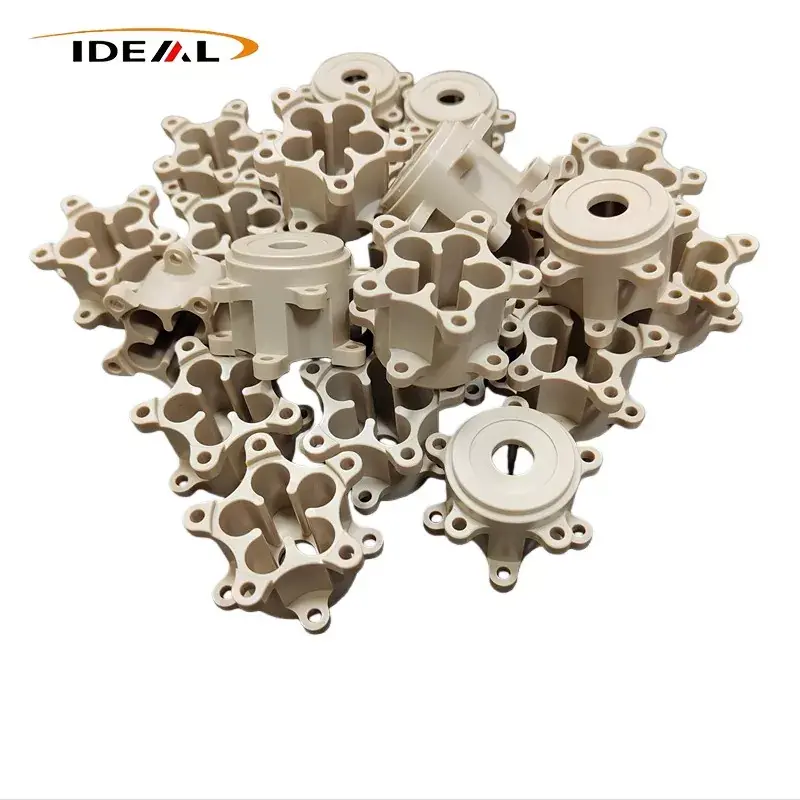
These questions highlight a universal truth: PEEK is not just another engineering plastic; it is a high-performance polymer capable of replacing metals, surviving aggressive chemicals, and maintaining precision under heavy load and high heat. Its balance of mechanical, thermal, and tribological properties has made it a preferred choice in aerospace, semiconductor, medical, automotive, and energy applications.
To support technical decision-making, the sections below break down PEEK’s advantages, product specifications, rod and sheet characteristics, and application insights in a clear, structured, and professional format.
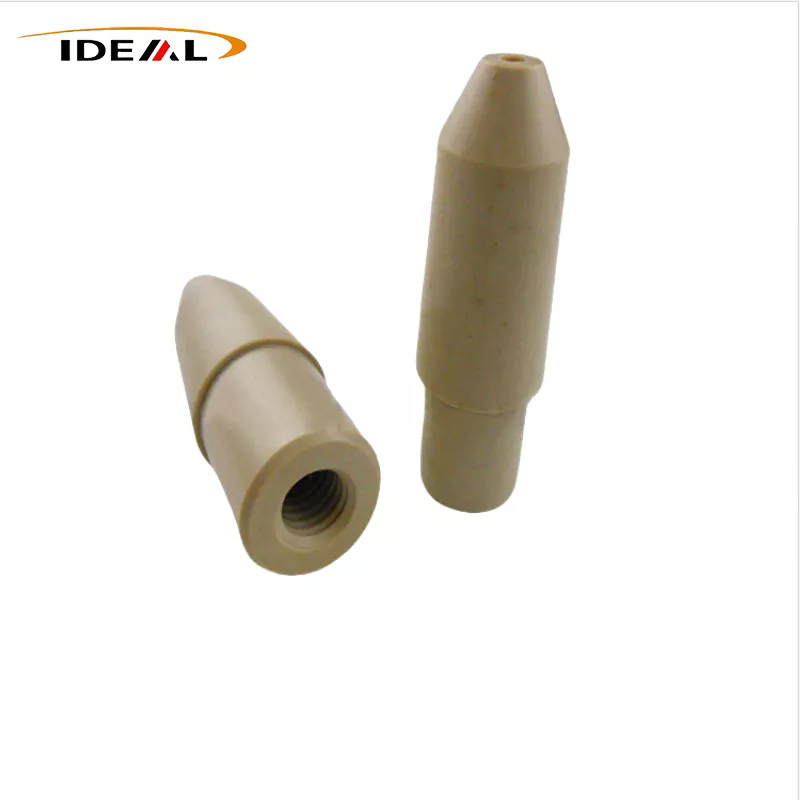
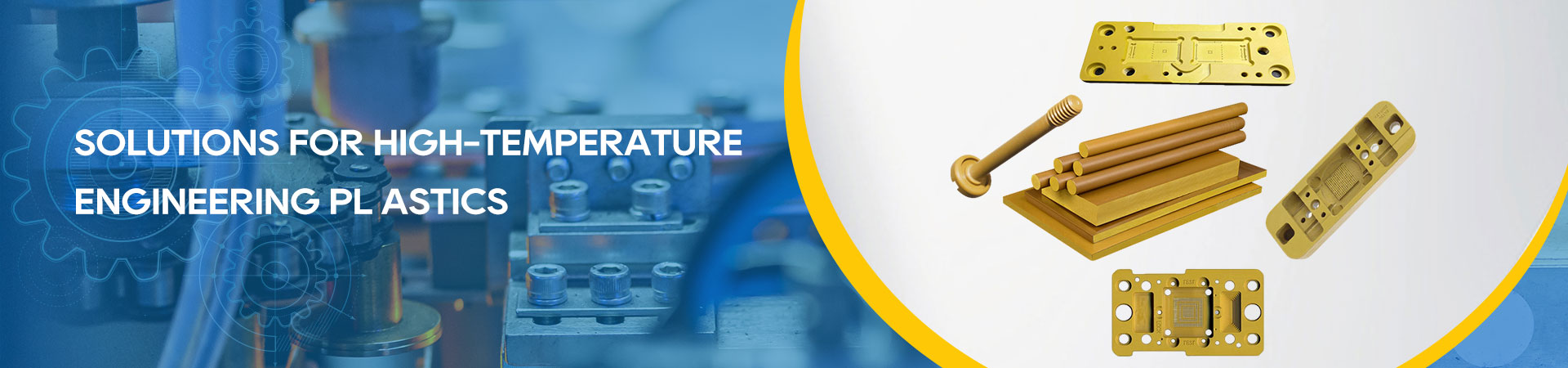
PEEK combines strength, heat tolerance, and longevity—offering a stable solution for environments traditional plastics cannot withstand. Its unique properties answer critical questions engineers face:
How to maintain product stability under high temperatures?
Why avoid metal when a polymer can deliver similar strength at lower weight?
What material endures chemicals, friction, and load over years of operation?
Outstanding Heat Resistance: Continuous operating temperature up to 260°C; short-term up to 300°C.
High Mechanical Strength: High tensile strength and stiffness even under thermal stress.
Excellent Chemical Resistance: Resistant to acids, alkalis, oils, solvents, and hydrolysis.
Wear & Friction Performance: Extremely low coefficient of friction ideal for sliding components.
Dimensional Stability: Low thermal expansion supports precision components.
Superior Electrical Properties: Excellent dielectric strength for insulation and semiconductor applications.
| Property Category | Parameter | Typical Value |
|---|---|---|
| Mechanical | Tensile Strength | 95–100 MPa |
| Flexural Strength | 150–170 MPa | |
| Elongation at Break | 20% | |
| Compressive Strength | 120–130 MPa | |
| Thermal | Melting Point | 343°C |
| Continuous Service Temperature | 250–260°C | |
| Short-Term Peak Temperature | 300°C | |
| Glass Transition Temperature (Tg) | 143°C | |
| Electrical | Volume Resistivity | 10¹⁶ Ω·cm |
| Dielectric Strength | 20–22 kV/mm | |
| Physical | Density | 1.30 g/cm³ |
| Water Absorption | <0.1% | |
| Chemical | Chemical Resistance | Excellent against fuels, oils, acids, alkalis, salts |
| Friction & Wear | Coefficient of Friction | Very low, excellent anti-wear performance |
These parameters illustrate why PEEK is frequently the preferred material when long product life, mechanical reliability, and high-temperature performance are mission-critical.
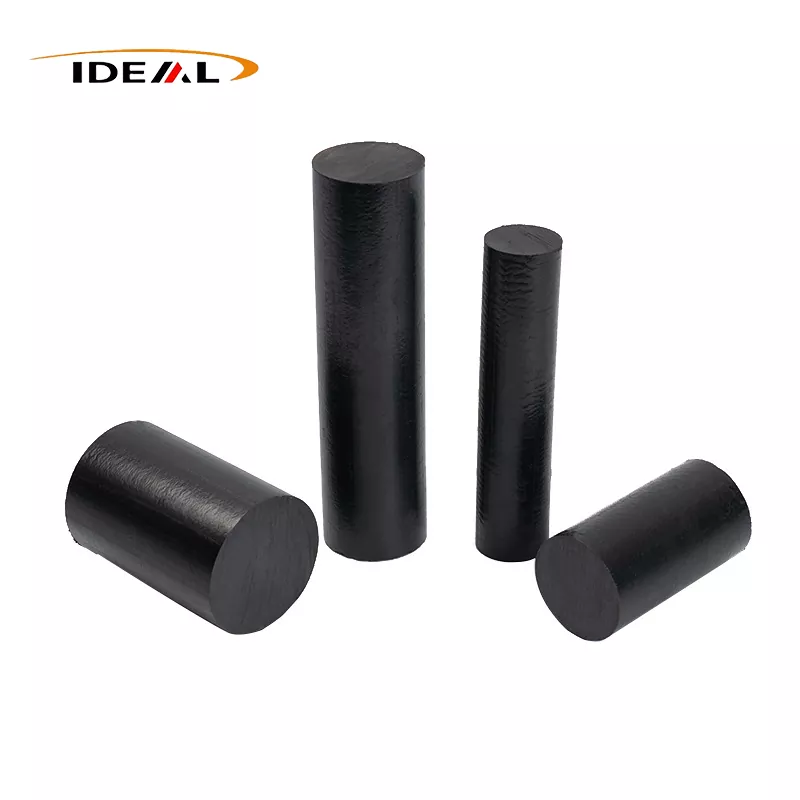
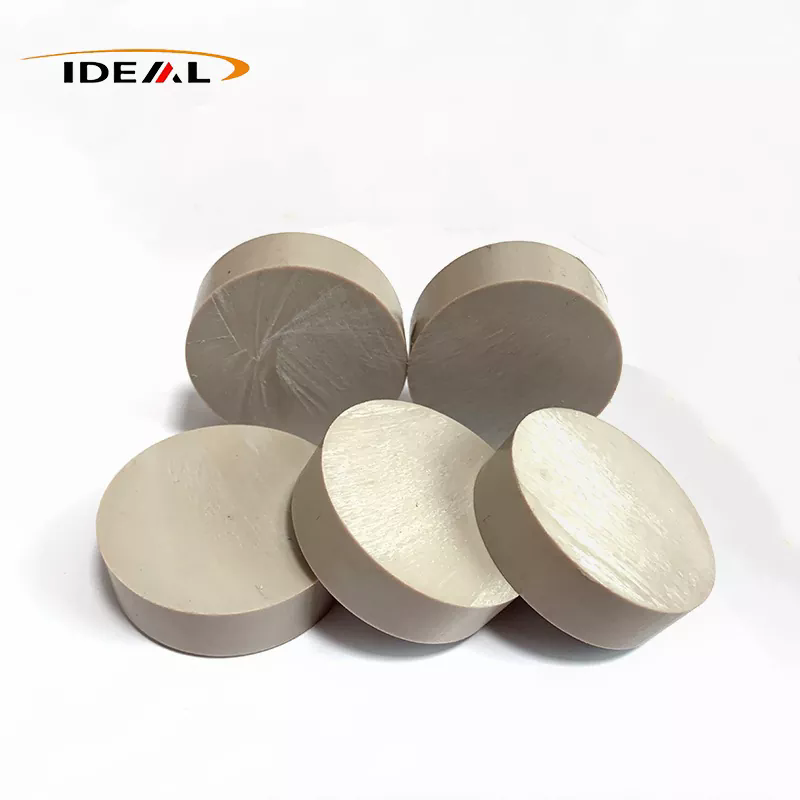
PEEK rods serve as a fundamental stock shape for machining customized parts. Engineers often question:
How do PEEK rods maintain strength during precision machining?
Why do machined components made from PEEK outperform metal alternatives in harsh conditions?
High rigidity suitable for CNC machining
Excellent creep resistance for long-term loading
Uniform density offering stability during production
High fatigue resistance under repeated mechanical stress
Smooth finish after machining, reducing secondary processing
Lightweight alternative to steel components while maintaining structural integrity
Bushings, bearings, seals
Insulation components for electrical modules
Semiconductor processing machinery parts
Medical implants (non-implant-grade rods available for industrial use)
Automotive transmission components
High-pressure pump parts
| Diameter (mm) | Length (mm) | Color | Grade Options |
|---|---|---|---|
| 6–50 | 1000 | Natural / Black | Virgin PEEK, Glass-Filled PEEK, Carbon-Filled PEEK |
| 55–150 | 1000 | Natural / Black | Virgin PEEK, Wear-Resistant PEEK |
| 160–300 | 500–1000 | Natural / Black | Custom grades available |
Custom sizes and modified grades (e.g., 30% glass fiber PEEK, 30% carbon fiber PEEK) are widely applicable for reinforcing strength, rigidity, or wear resistance depending on requirements.
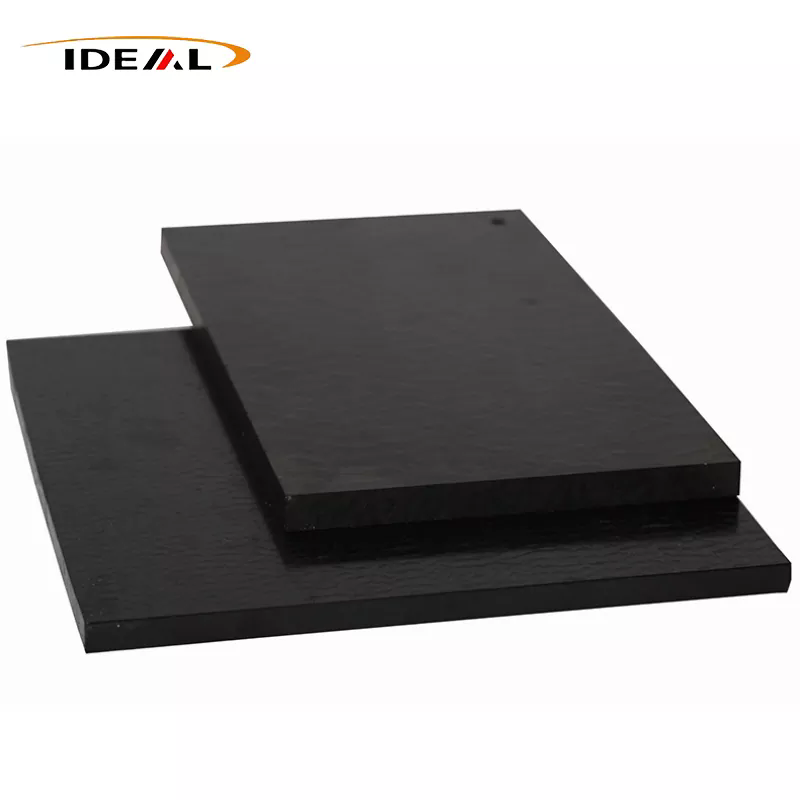
PEEK sheets offer flat, stable surfaces ideal for die-cutting, milling, and structural support applications. Professionals often ask:
What makes PEEK sheets more dimensionally stable than alternatives?
How do these sheets deliver consistent performance in elevated temperatures?
Low warpage and minimal internal stress
High stability during thermal cycling
High mechanical strength suited for load-bearing components
Excellent chemical resistance for corrosive environments
Electrical insulation properties ideal for high-frequency equipment
Semiconductor testing fixtures
High-temperature insulation plates
Pump, valve, and compressor components
Precision mechanical parts
Thermal and chemical barrier layers
Aerospace bracket structures
| Thickness (mm) | Width (mm) | Length (mm) | Color | Available Grades |
|---|---|---|---|---|
| 5–20 | 500 | 1000 | Natural / Black | Virgin PEEK, CF-filled, GF-filled |
| 22–100 | 500–620 | 1000–2000 | Natural / Black | Wear-resistant PEEK, high-purity PEEK |
| 110–200 | Custom | Custom | Natural / Black | Custom engineering grades |
PEEK sheets maintain structural performance where other plastics deform or degrade. This makes them valuable in environments where both mechanical precision and thermal resistance must coexist.
PEEK maintains structural integrity at high temperatures and under mechanical load because its polymer backbone is exceptionally stable. It also resists chemical corrosion and mechanical fatigue, allowing components to perform longer with reduced maintenance.
While lighter than metal, PEEK provides excellent tensile and compressive strength. It offers low friction, corrosion resistance, and electrical insulation—advantages metals cannot provide. In many applications, it achieves similar performance with lower weight and no risk of oxidation.
Reinforced PEEK increases stiffness, strength, and dimensional stability. Carbon-filled PEEK is ideal for wear-intensive environments, while glass-filled PEEK significantly improves rigidity and load-bearing capacity.
PEEK is positioned to expand across multiple industries due to its rare combination of performance attributes. Several trends continue to drive adoption:
As electronic and semiconductor devices shrink, high-purity PEEK offers stability and low particulate shedding—critical for advanced chip production and testing.
Automotive and aerospace industries are shifting to lighter materials for fuel efficiency and endurance. PEEK components reduce weight while resisting chemicals, heat, and mechanical stress.
Industrial automation and robotic systems increasingly rely on self-lubricating PEEK components to reduce downtime and lengthen service intervals.
PEEK’s chemical inertness makes it suitable for surgical tools, instrument housings, and analytical laboratory devices requiring precision and sterilization.
Oil, gas, and renewable power systems continue to adopt PEEK parts to withstand extreme temperatures, pressure, and corrosive fluids.
Across industries, the common requirement is durability, reliability, and precision—areas where PEEK continues to provide consistent value.
PEEK (Polyetheretherketone) offers unmatched performance in high-temperature, high-pressure, and chemically aggressive environments. Whether utilized in rod or sheet form, this engineering material delivers precise mechanical behavior, exceptional durability, and long-term stability across industrial applications. As demand grows for components that withstand heat, friction, and corrosion without compromising performance, PEEK proves to be a dependable solution.
Ideal provides a comprehensive range of PEEK rods, PEEK sheets, and custom-machined components tailored to specific engineering requirements. With a strong focus on material quality, dimensional accuracy, and customer support, Ideal continues to serve industries that rely on high-performance polymers for mission-critical operations.
For custom sizes, quotations, or technical guidance, contact us to learn how Ideal can support your project requirements with reliable and advanced PEEK material solutions.