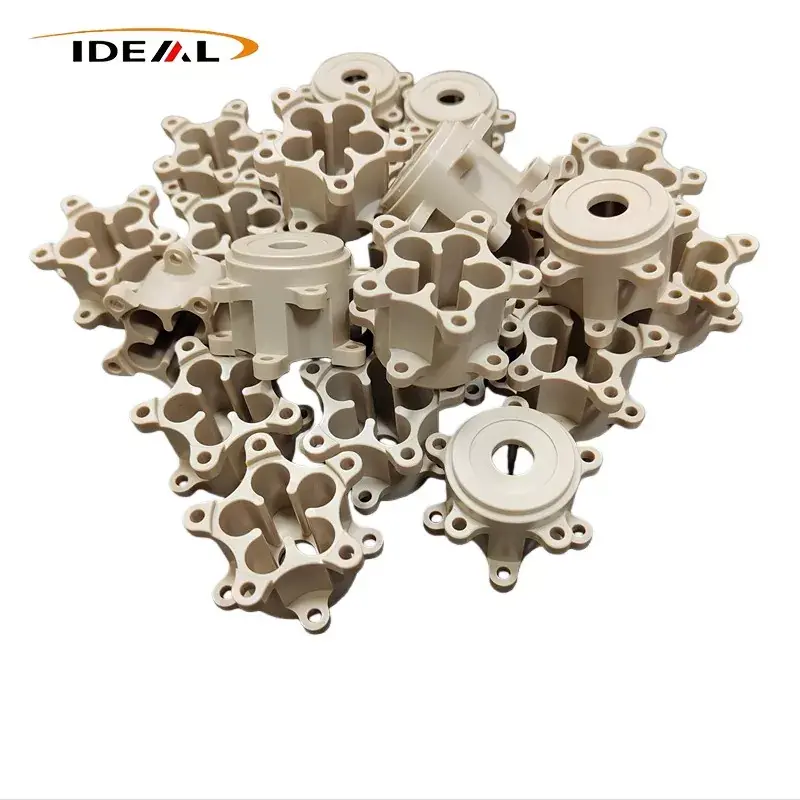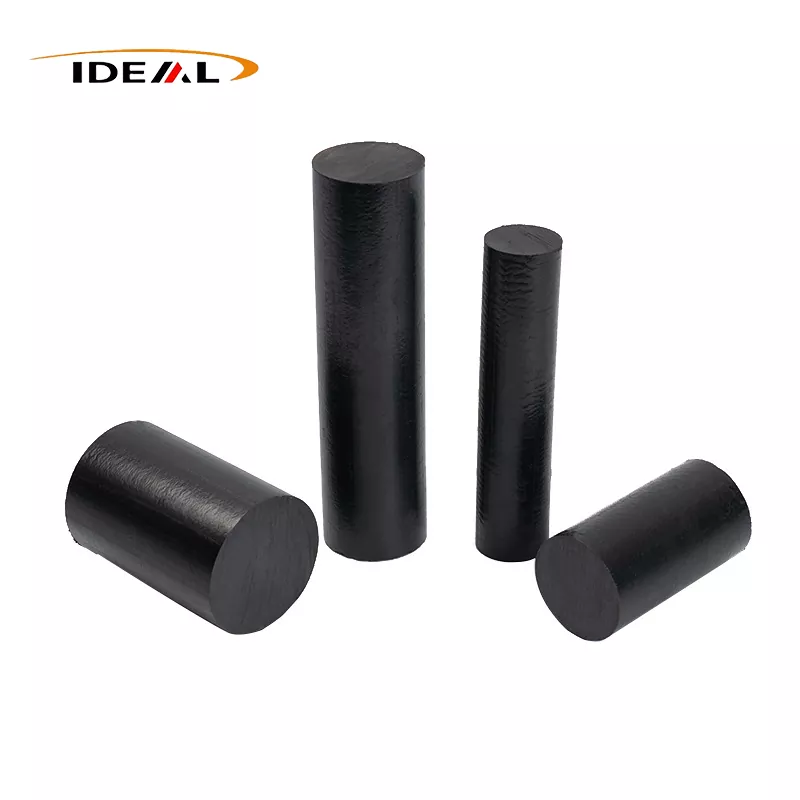
Modern mechanical assemblies operating under combined thermal, chemical and frictional loads place high expectations on sealing and backup components. Many conventional polymer components degrade rapidly under continuous cyclic stress, bringing frequent hardware maintenance and unplanned operational interruptions. Technical teams need to understand material‑specific behaviour, assembly constraints and operating‑condition matching to extend component runtime. PEEK Rings deliver balanced multi‑dimensional performance that addresses many common failure modes encountered inside complex industrial hardware.
Polyetheretherketone belongs to the aromatic thermoplastic polymer family known for stable mechanical output across broad working ranges. Base resin can be compounded with different filler materials to modify wear resistance, rigidity and thermal conductivity to match target assembly requirements. Each filler variant brings distinct trade‑offs that engineers must weigh before final specification.
Intrinsic material stability forms the foundation for extended service cycles. Low moisture absorption minimizes dimensional shift when components encounter humid air or water‑based working fluids. Flame resistance is built into the base polymer structure without additional halogen additives, which adds reliability for equipment exposed to unexpected thermal events. Thermal expansion stays comparatively low among thermoplastics, preserving dimensional consistency as hardware cycles between hot and cold operational states.
Filler options modify baseline characteristics. Carbon fiber blends boost compressive strength and thermal conductivity. PTFE powder additives further lower surface friction for dynamic contact interfaces. Glass fiber improves rigidity but can increase abrasive interaction against certain mating metallic surfaces. It is critical to match filler composition to exact media, pressure and motion parameters rather than selecting modified grades purely based on general‑specification data sheets.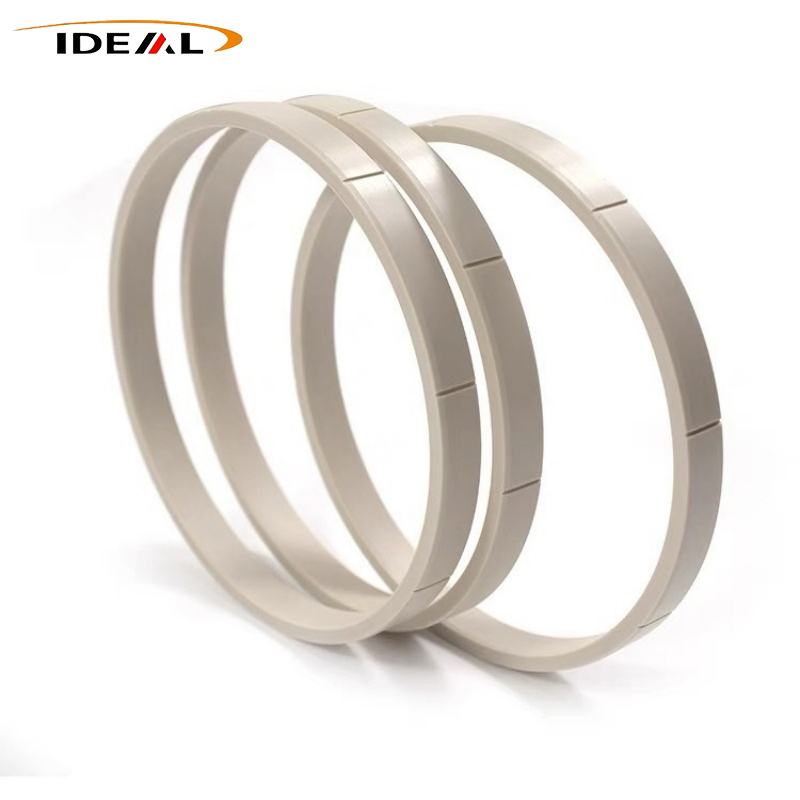
Sealing and backup components remain under constant compressive stress once installed inside gland cavities. Creep describes slow permanent deformation triggered by static compressive force over time. When creep accumulates beyond acceptable thresholds, pre‑load force drops, leakage pathways open and sealing effectiveness deteriorates. High‑quality polyetheretherketone material suppresses creep development even under elevated‑temperature operating states, helping hardware maintain proper interfacial contact force over long operating intervals.
Cyclic mechanical fatigue represents another major source of component degradation. Reciprocating, rotating or pressure‑cycling hardware subjects polymer parts to repeated loading‑unloading cycles. Many polymer materials develop micro‑cracks after millions of cyclic events, which propagate into visible surface damage and functional failure. PEEK Rings maintain stable structural performance under combined pressure‑temperature‑motion conditions, making them suitable for assemblies experiencing large‑volume cycle counts.
Friction and wear directly determine usable service life for dynamically contacting hardware. Progressive surface wear alters cross‑section geometry and breaks required interfacial contact. Unfilled polymer grades offer solid baseline tribological performance, while compounded formulations push wear‑resistance boundaries further. Reduced frictional heat slows thermally driven aging processes inside polymer matrix, creating positive feedback for extended component runtime.
Mating‑part surface finish cannot be overlooked. Even high‑quality polymer hardware will suffer accelerated abrasion when running against overly rough metallic surfaces. Engineering documentation should define acceptable roughness parameters for shafts, housings and gland surfaces alongside polymer material grade selection.
Real‑world industrial hardware rarely exposes components to only one stress source at a single time. Most operating environments stack temperature, pressure and chemical‑media exposure together, accelerating material aging compared to isolated laboratory testing conditions. General‑purpose polymers often swell, soften or develop stress‑cracking when subjected to multi‑factor working conditions.
Polyetheretherketone shows broad‑spectrum compatibility with organic solvents, mineral oils, lubricants and many aqueous chemical solutions. Only a narrow set of highly concentrated chemical agents produce measurable material degradation. Such chemical inertia preserves dimensional geometry and surface integrity after long‑term immersion inside process fluids. Material compatibility validation against each specific working medium remains necessary before final design lock‑in.
Hydrolysis resistance stands out for hot‑water and steam‑contact scenarios. Numerous high‑performance polymers experience molecular degradation under continuous hot‑steam exposure. This polymer maintains core mechanical properties under repeated steam cycles, expanding usable application scope within fluid‑processing hardware. Engineers should keep in mind that pressure amplifies chemical attack rates in many fluid‑contact assemblies, and laboratory immersion data does not always perfectly replicate field‑condition outcomes.
Even well‑specified polymer components can deliver shortened runtime when gland geometry, installation practices or clearance values are improperly configured. Material grade alone cannot compensate for poor mechanical design decisions. Technical teams should treat component specification and gland‑cavity design as linked engineering tasks rather than separate workflows.
Backup‑ring configurations represent one of the most common deployment patterns. Under high‑pressure conditions, soft elastomer sealing material can squeeze into gland gaps and sustain extrusion‑type damage. Rigid polymer backup hardware blocks extrusion pathways and preserves primary‑sealing‑element integrity. PEEK Rings frequently fulfil this backup‑ring role within high‑pressure valve and cylinder assemblies across multiple industrial sectors.
Not every sealing application requires high‑performance thermoplastic hardware. Mild‑condition static‑sealing assignments can adopt alternative polymer or elastomer solutions. Material selection should always follow full evaluation of real‑operating‑condition boundaries.
Demanding assembly requirements exist across diverse industrial domains. Each application brings its own unique combination of pressure range, temperature envelope, motion type and contacting‑media profile. Mapping actual working parameters to material capabilities supports correct component selection and predictable long‑term hardware behaviour.
Within these operational fields, component runtime improvement originates from matched material‑grade choice together with thoughtful gland‑geometry design. Field‑observed component failure often traces back to incomplete collection of operating‑condition data in early‑stage design phases. Documenting peak temperature, peak pressure, media composition and motion‑cycle volumes helps technical teams avoid avoidable component‑degradation scenarios. Ideal Plastic provides technical review support for project‑specific component configuration based on collected operating‑condition datasets.
The table below outlines key performance metrics for widely used high‑performance sealing polymers. This comparison supports preliminary material screening during engineering design workflows. Every material carries distinct strengths and limitations that must be considered against project‑specific requirements.
| Polymer Grade | Continuous Thermal Rating | Chemical Compatibility | Creep Resistance | Tribological Performance | Hydrolysis Stability |
|---|---|---|---|---|---|
| PEEK | High | Excellent | Very Good | Grade‑Dependent Good‑Excellent | Excellent |
| PPS | High | Excellent | Good | Moderate | Good |
| PI | Very High | Good | Very Good | Good | Moderate |
| PTFE | High | Excellent | Poor | Excellent | Excellent |
| PAI | Very High | Good | Very Good | Very Good | Moderate |
PTFE delivers outstanding low‑friction behaviour yet suffers notable creep weakness under sustained compressive loading. Polyimide tolerates extremely high temperature but shows limited hydrolysis stability for long‑term hot‑water exposure. PEEK Rings achieve balanced performance across thermal, mechanical, chemical and hydrolytic dimensions, which explains broad adoption for multi‑stress‑factor industrial assignments. Tabulated laboratory data serves as reference guidance; real‑condition validation testing remains essential for end‑use hardware qualification.
Manufacturing methodology shapes final component dimensional accuracy and internal stress distribution. Two mainstream production pathways exist: injection moulding and CNC machining from extruded stock shapes. Each route brings advantages for different production‑volume scenarios.
Injection moulding fits large‑volume serial production. Proper mould‑parameter control is required to minimise residual internal stress. Poorly controlled moulding conditions introduce hidden stress inside finished parts, which releases gradually after installation and creates subtle dimensional distortion. CNC‑machined components sourced from high‑quality extruded bar stock perform well for low‑to‑medium‑volume orders and custom non‑standard dimensions. Raw‑material stock quality directly defines final component consistency and repeatability.
Design engineers need to calculate thermal‑expansion behaviour into gland‑cavity dimension calculations. Proper clearance values keep appropriate contact pressure at maximum operating temperature while avoiding mechanical binding. Tolerance bands vary with manufacturing process, nominal dimension and polymer grade. Larger‑diameter components naturally carry wider achievable tolerance ranges. Early‑phase tolerance discussion between engineering and manufacturing teams reduces unexpected assembly‑related issues later in product development cycles.
Post‑processing inspection removes surface burrs and micro‑cracks created during machining operations. Unaddressed surface defects propagate under cyclic mechanical stress and shorten achievable service life. Reliable component suppliers implement controlled cutting‑tool workflows and inspection procedures to eliminate such surface imperfections for finished polymer components.
Pure‑polymer dynamic sealing under high‑pressure conditions is achievable only with strict control over surface speed, contact pressure and mating‑surface finish. In most high‑pressure configurations, they function as backup hardware paired with elastomer primary sealing elements to block extrusion damage. Project‑specific operating‑parameter limits should be cross‑checked against material‑grade property documentation.
Unfilled polymer grades generally deliver superior hydrolysis resistance under continuous hot‑steam exposure. Many filler additives create potential pathways for vapour penetration into the polymer matrix. Filled compounds may still work for intermittent steam‑contact scenarios. Complete media‑compatibility evaluation should be completed for each unique set of working‑condition parameters.
Document continuous‑and‑peak temperature values, static and cyclic‑pressure ranges, all contacting‑media compositions, motion type and cycle‑rate estimates, gland‑cavity dimensions, mating‑part material and surface‑roughness specifications. Comprehensive operating‑condition documentation forms the foundation for correct material‑grade selection and predictable component runtime.
Common observable failure modes include abrasive surface wear, extrusion‑related deformation caused by excessive gland clearance, thermally induced dimensional distortion, and crack growth driven by cyclic mechanical loading. Documenting real‑world failure observations helps refine material‑grade choices and gland‑cavity geometry for subsequent hardware iterations.
Low‑quality or recycled raw material creates inconsistent mechanical properties across component batches. Variations inside polymer matrix produce uneven wear rates and unexpected premature degradation under harsh‑environment exposure. Material traceability documentation supports validation of raw‑material source for critical industrial hardware deployments.
Additional surface coating is generally unnecessary. Compatible lubricants can be applied during assembly for certain installation scenarios, though full compatibility verification with end‑use working media is mandatory. Surface coatings tend to wear away during dynamic operation and cannot be counted on for persistent friction‑reduction effects.
Obtain targeted technical assessment for your industrial polymer‑component project requirements.
contact us