
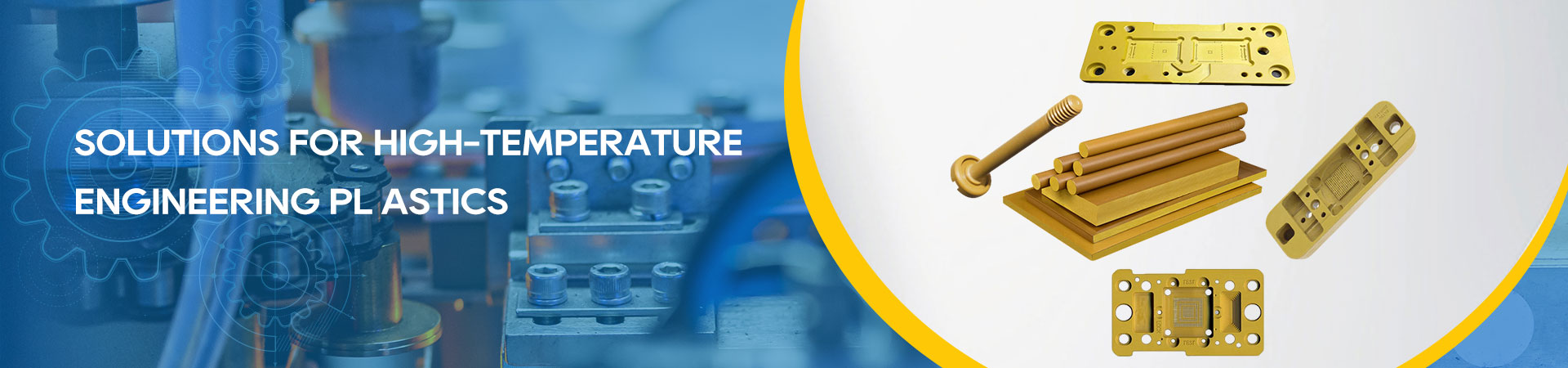


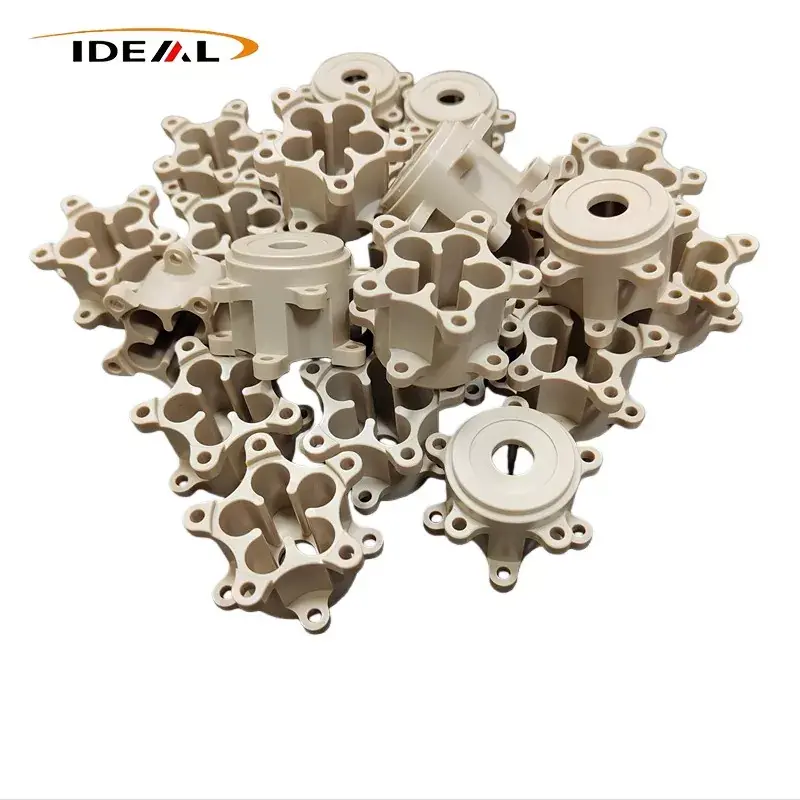
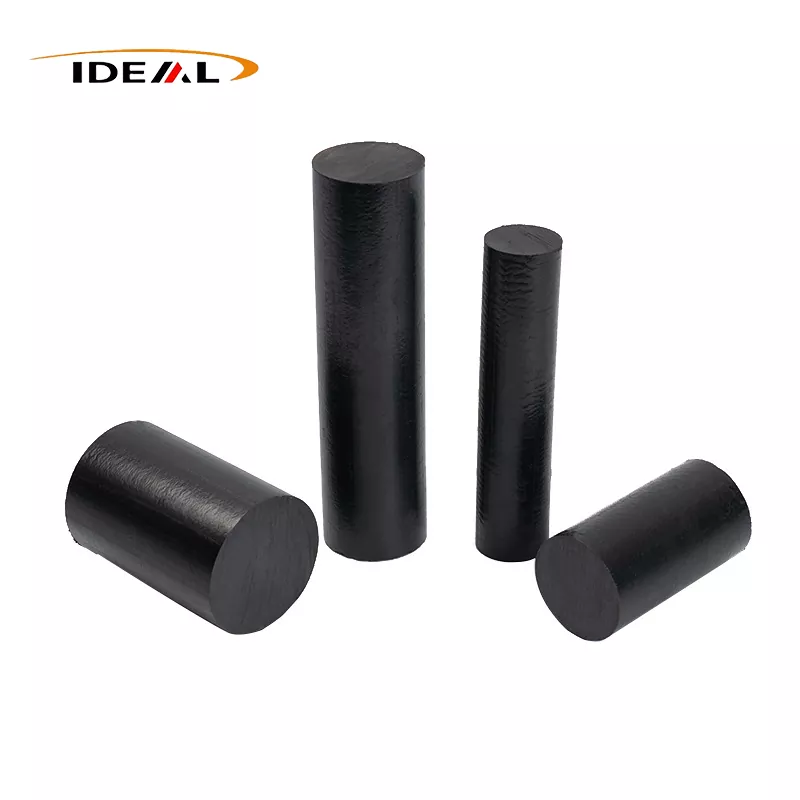
Modern engineering constantly seeks materials that balance mechanical stability, thermal endurance and chemical compatibility across harsh operational environments. Many industrial workflows push conventional polymers and even metallic components past their safe performance boundaries, driving engineers to evaluate advanced semi‑finished stock shapes for custom‑machined parts. PEEK Plastic Rods serve as a foundational starting point to manufacture bespoke components without complex molding cycles.
Table of Contents (click each item to jump to corresponding section)
- 1. Core Material Fundamentals Behind High‑Performance Semi‑Finished Polymer Stock
- 2. Key Operational Environments Where Advanced Polymer Stock Outperforms Traditional Materials
- 3. Comparative Overview Between PEEK‑Based Stock and Other Common Engineering Substrates
- 4. How Different Material Formulations Shape Component Performance Outcomes
- 5. Practical Guidance for Machining and Fabrication Workflows
- 6. Frequently Asked Questions About High‑Performance Polymer Bar Stock
1. Core Material Fundamentals Behind High‑Performance Semi‑Finished Polymer Stock
Polyether ether ketone belongs to the family of semi‑crystalline high‑temperature thermoplastics built from rigid aromatic molecular chains. These internal chemical structures create inherent resistance against thermal breakdown, hydrolytic damage from steam exposure and attack by most organic and inorganic chemicals. Semi‑finished bars are produced via extrusion or compression molding techniques, each method creating subtle differences in internal grain structure and dimensional consistency across large‑dimension stock sizes. Machine shops receive solid cylindrical bars as raw input material, and each final part geometry emerges through subtractive manufacturing processes rather than forming inside closed molds.

1.1 Essential Physical and Chemical Attributes
A wide set of material characteristics define how components behave once machined from polymer bar stock. Continuous operating temperature capability allows sustained service in environments reaching 250 degrees Celsius, while short‑term thermal excursions can tolerate even higher peak temperatures without immediate structural collapse. Mechanical strength remains largely preserved even at elevated heat levels, a trait that separates this polymer group from many competing engineering plastics that rapidly lose stiffness as temperature rises. Hydrolysis resistance enables repeated exposure to hot steam cycles, a critical property for equipment that must go through regular sterilization routines in medical, pharmaceutical and food‑processing workflows.
- Exceptional resistance to broad spectrum of acids, bases and organic solvent compounds
- Inherent flame retardant performance with low smoke emission during combustion events
- Low out‑gassing properties making it compatible with vacuum‑chamber operating conditions
- Maintains mechanical performance following repeated exposure to gamma and X‑ray radiation sources
- Self‑lubricating surface characteristics reduce wear on mating moving contact surfaces
Dimensional stability represents another critical feature. Thermal expansion coefficients stay comparatively low, so finished parts resist significant shape shift even when cycling between cold ambient conditions and high‑heat operational states. This quality gains importance for precision assemblies where tight tolerance gaps must hold steady across varying thermal scenarios. It is important to note that material performance varies depending on whether the formulation uses virgin resin, glass‑fiber fillers, carbon‑fiber additions or internal solid lubricant blends, each modification shifting property balances toward specific application priorities.
2. Key Operational Environments Where Advanced Polymer Stock Outperforms Traditional Materials
Real‑world industrial adoption spreads across multiple vertical sectors, each drawing benefit from distinct subsets of the material’s total property portfolio. Aerospace systems value lightweight alternatives to metal hardware that survive low‑pressure and broad temperature swing conditions. Medical instrument manufacturing leverages biocompatible grades that endure repeated sterilization cycles without surface degradation. Semiconductor fabrication facilities prioritize low‑contamination material options for tooling and fixture components inside clean‑room production lines. Chemical processing equipment seeks components that withstand contact with corrosive process fluids without progressive chemical degradation.
2.2 Moving Mechanical Assemblies and Tribological Applications
Bearings, bushings, sliding guides and sealing elements represent some of the most common finished parts created from high‑performance polymer bar material. When systems run without oil‑based lubrication, self‑lubricating polymer surfaces minimize friction heat build‑up and reduce rates of surface wear. This proves especially valuable for production environments where lubricant contamination cannot be tolerated, such as food manufacturing or pharmaceutical processing lines. Metal bearing components require ongoing re‑lubrication maintenance, and leaking lubricants risk contaminating product streams, creating compliance risks for regulated manufacturing operations.
Within oil‑and‑gas related equipment assemblies, components must cope with combined pressure swings, chemical exposure and temperature variance. Parts machined from PEEK Plastic Rods can maintain stable function inside these demanding down‑hole surface equipment assemblies, resisting degradation that would quickly affect ordinary polymer alternatives. Not every application is automatically suitable; design teams must still conduct proper validation testing accounting for exact pressure ranges, chemical media compositions and cyclic load patterns present inside each unique system setup.
| Application Category | Primary Required Material Traits | Example Finished Component Types |
|---|---|---|
| Medical & Life‑Science Equipment | Biocompatibility, sterilization resistance, low toxicity | Instrument handles, surgical tool internal parts, test‑fixture pieces |
| Chemical Processing Hardware | Broad chemical resistance, hydrolysis stability | Valve internal components, pump wear rings, fitting inserts |
| Aerospace Structural Sub‑Components | Light‑weighting, wide‑temperature mechanical retention | Custom spacer bushings, non‑critical actuator auxiliary pieces |
| Semiconductor Clean‑Room Tooling | Low out‑gassing, particle‑generation resistance | Wafer handling fixtures, transport mechanism guides |
3. Comparative Overview Between PEEK‑Based Stock and Other Common Engineering Substrates
Material selection workflows always involve direct comparison against competing candidate materials. Many design engineers naturally weigh options including nylon, POM, PTFE and different families of metal alloys. Each material carries its own set of strengths and inherent limitations, and no single material delivers perfect performance across every possible evaluation dimension. Nylon offers attractive cost points and good machinability but suffers significant strength loss under high‑temperature exposure and absorbs moisture that alters dimensional accuracy. PTFE delivers outstanding chemical resistance yet possesses relatively poor structural rigidity and high creep tendency under sustained mechanical load.
Metals such as stainless steel provide extreme mechanical strength, yet add substantial weight to assemblies, suffer corrosion under certain chemical conditions, and demand more complex machining workflows. The value proposition of high‑performance polymer stock emerges when multiple difficult requirements overlap simultaneously: elevated operating temperatures plus chemical exposure plus need for low‑friction sliding behavior plus controlled weight. Even with these advantages, engineers should never treat this polymer solution as universal replacement. Situations involving extremely high mechanical loads beyond polymer yield thresholds will still require metallic construction.
When evaluating bar‑stock formats specifically, manufacturability also enters consideration. Extruded polymer bars allow relatively fast subtractive machining for small‑batch custom part runs. PEEK Plastic Rods remove the requirement for expensive injection‑mold tooling when project volumes remain low, giving hardware developers flexibility to iterate part geometries multiple times without heavy upfront investment into hard tooling infrastructure. This advantage supports research‑phase hardware development, specialized equipment rebuilds and niche‑volume industrial component projects.
4. How Different Material Formulations Shape Component Performance Outcomes
Manufacturers supply multiple distinct grades of this polymer material, modified with different filler systems to shift performance profiles toward targeted application priorities. Virgin unfilled resin delivers maximum chemical resistance and biocompatibility, making it default starting point for medical‑adjacent and heavy‑chemical‑contact scenarios. Glass‑fiber reinforced variants gain improved rigidity and dimensional stability, ideal for structural components exposed to static sustained loads. Carbon‑fiber filled grades boost wear performance and thermal conductivity, well suited for dynamic friction‑heavy tribological scenarios. Special blended grades incorporate graphite and PTFE additives to further lower friction coefficients for dry‑running sliding interfaces.
Each filler addition brings trade‑offs that design teams must carefully weigh. Adding fiber reinforcements can slightly reduce chemical resistance compared against pure virgin resin stock. Fillers may also create abrasive character on mating counter‑surfaces, which becomes important when paired against soft metallic contact partners. Material specification documents from material producers detail these property shifts, and cross‑referencing datasheet values against project requirement lists represents a critical stage within material qualification processes. Rushing grade selection without reviewing these trade‑off details frequently creates avoidable field‑performance issues once finished components enter service.
It is helpful for technical teams to create requirement checklists listing temperature boundaries, chemical media types, mechanical load modes (static versus cyclic), friction conditions, cleanliness or biocompatibility rules before locking final material grade decisions. This structured approach reduces risk of picking a visually‑similar bar‑stock product that lacks necessary formulation properties for target operating conditions. PEEK Plastic Rods are available across these various modified resin families, so specification work extends beyond just selecting the base polymer name alone.
5. Practical Guidance for Machining and Fabrication Workflows
Even superior base‑material properties can be undermined by improper machining practices. Machinists working with high‑temperature thermoplastic bar stock must adapt tooling parameters compared to working with metals or softer commodity plastics. Cutting‑tool geometry, cutting speeds, feed‑rate settings and heat dissipation management all influence final finished‑part quality. Excessive heat generation during cutting operations can cause surface melting, internal residual stress build‑up or post‑machining dimensional drift. Sharp cutting tools remain essential; dull tool edges create excessive frictional heat and poor surface finish quality on polymer workpieces.
5.1 Managing Residual Stress and Post‑Machining Behavior
Compression‑molded bar stock and extruded bar stock display different internal stress profiles. Material suppliers apply controlled annealing processes to reduce internal stresses within raw bar stock prior to shipment. Still, aggressive high‑speed machining can introduce new localized stress concentrations inside finished parts. For components operating under tight dimensional tolerances, controlled post‑machining stress‑relief thermal cycles can mitigate risk of slow dimensional shift after parts go into service. Fabrication teams should consult machining guidance documentation released by material producers for detailed parameter recommendations.
Securing workpieces also deserves careful attention. Over‑aggressive clamping force can induce compressive stress marks and hidden internal deformation within polymer blanks. Fixture design should distribute clamping pressure over wider contact surfaces wherever feasible. Good‑practice machining workflows also include allowing machined components to stabilize at ambient temperature before performing final dimensional inspection measurements. Thermal gradients between machining‑process heat and room‑temperature environment will temporarily alter part geometry and produce misleading measurement readings if parts are measured immediately after cutting operations complete.
6. Frequently Asked Questions About High‑Performance Polymer Bar Stock
Can components machined from this polymer continuously survive repeated steam‑sterilization cycles?
Appropriate virgin formulations maintain mechanical integrity across large numbers of steam autoclave cycles. Fill‑modified grades require individual verification. Material datasheets outline validated cycle counts for each specific product grade intended for sterilization‑heavy workflows.
Does this polymer material resist all known chemical substances?
While chemical resistance spectrum is very broad, certain concentrated strong oxidizing agents will still degrade the material over time. Always cross‑reference chemical compatibility tables matching exact process fluid compositions, operating temperature and exposure duration.
Is every bar‑stock variant suitable for clean‑room semiconductor manufacturing environments?
Not all grades qualify. Low‑out‑gassing, low‑particle‑generating material variants must be explicitly selected for clean‑room deployment. Standard filled grades may release unwanted particulate contamination inside sensitive fabrication spaces.
What kind of surface finish quality can be achieved through CNC machining of polymer bar stock?
Precision machining with sharp tooling can deliver fine surface finishes. Final achievable surface quality depends on tool condition, feed‑speed parameters and chosen material grade. Additional polishing steps can further refine surfaces for specialized requirements.
Material science continues expanding practical boundaries for advanced thermoplastic deployment across complex industrial systems. Design teams gain significant advantage by learning not only headline material strengths but also the associated limits, trade‑offs and correct fabrication handling rules. Ideal Plastic supports engineering teams navigating material specification, grade comparison and application validation work for high‑performance polymer components across many industrial domains. Every unique system challenge demands thoughtful material evaluation before final hardware implementation.