PEEK products. It actually covers a range of products like PEEK profiles, injection molded parts, and machined components. PEEK—or polyetheretherketone, if you want the full name—is a high-performance engineering plastic known for its really stable properties. Its molecular structure isn’t simple—it's made up of benzene rings, ether bonds, and carbonyl groups linked together like a chain. And it’s exactly this unique setup that gives PEEK its ability to handle high temperatures, resist radiation and chemicals, and deliver seriously high mechanical strength.

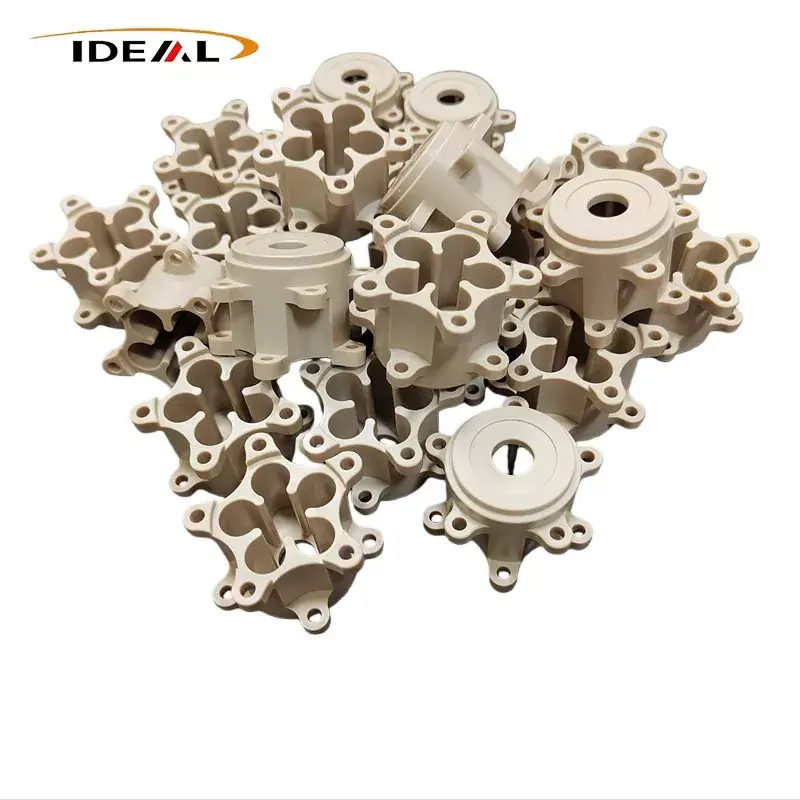
PEEK Plastic Injection Parts. We make it using top-grade PEEK plastic pellets. Here’s basically how it’s made: first, we process the raw material, then feed it into an injection molding machine where it gets heated up until it melts into something like syrup. After that, we inject that melted plastic into a mold, let it cool down and harden, then pop it out. A bit of follow-up work, and the part is done.Now, PEEK isn’t your regular plastic—it’s a special high-performance engineering plastic. If you look at its structure under a microscope, it’s pretty unique. Its molecules are full of aromatic rings and ether bonds. And it’s really that special structure that gives PEEK its natural toughness—it can handle high temperatures and resists corrosion like a champ, so it’s super stable and reliable.

The PEEK injection molded parts part made by Guangzhou Ideal Company uses PEEK material. So what’s PEEK exactly? It’s actually a high-performance specialty plastic—part of the polyaryletherketone family. You can think of it as a tough engineering plastic that’s really stable, handles high heat, stands up to chemicals and radiation, and is strong, wear-resistant, impact-resistant, and still easy to work with.

Here at Guangzhou Ideal, we're all about PEEK plastic molds and injection molding. We've been doing this for over 14 years, especially with our PEEK injection moulding parts process. So, what's PEEK? It's short for polyetheretherketone – a special kind of plastic that's seriously tough. The way its tiny building blocks are arranged is pretty unique: it's got strong benzene rings combined with flexible ether and carbonyl links. This lets the molecules bond together really tightly. In simple terms, it's a high-performance material made by reacting two raw materials in a specific solvent. Because of this, PEEK is super wear-resistant, a great electrical insulator, can handle radiation, has stable chemical properties, and withstands high temperatures. It's even safe to use inside the human body because it's biocompatible.

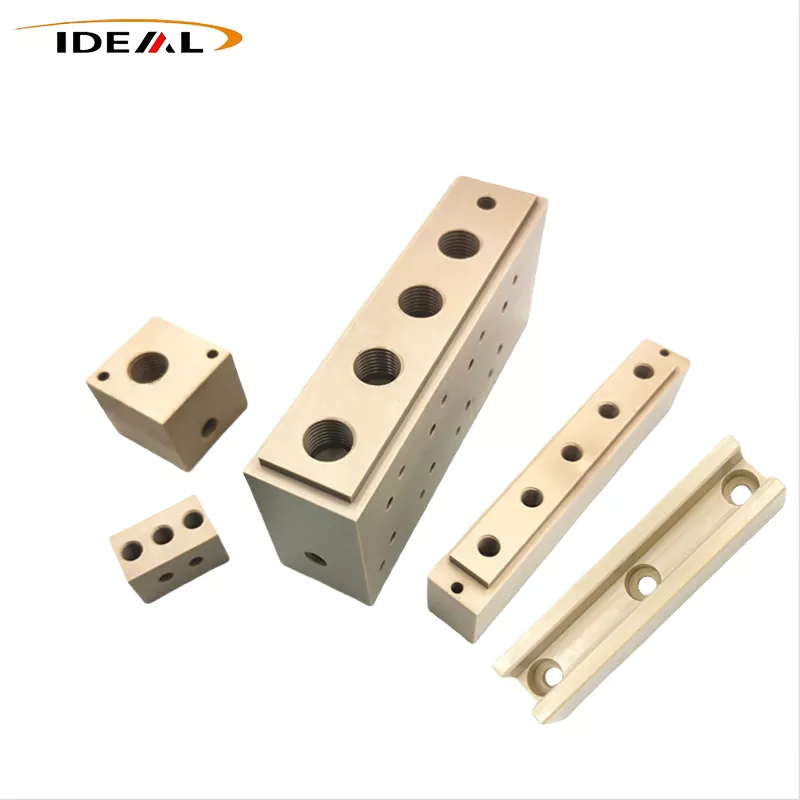
The PEEK CNC machined parts from Guangzhou Ideal really takes full advantage of what PEEK material has to offer.So, PEEK—polyetheretherketone—is basically a high-performance specialty engineering plastic. Think of its structure as made up of repeating units: "benzene ring – ketone bond – benzene ring – ether bond – benzene ring." Those rigid benzene rings act like the backbone of the material, giving it strength and heat resistance. Meanwhile, the more flexible ether and ketone bonds work like joints, letting the molecular chains move just enough to make the material easier to process and surprisingly impact-resistant. It’s this smart combo of “hard and soft” that’s helped PEEK secure its leading role among specialty engineering plastics.

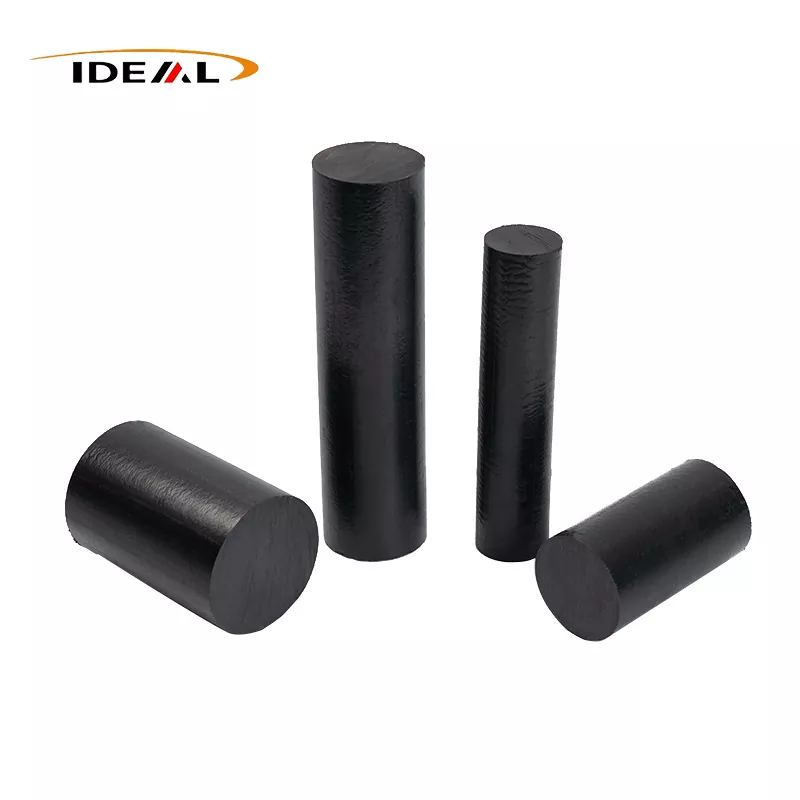
Okay, so for our product PEEK CNC parts, we start with a raw material called PEEK profile. PEEK (Polyetheretherketone) is a really high-performance engineering plastic. Think of it as a special kind of plastic – its molecular structure is semi-crystalline, with a bunch of benzene rings lined up neatly. It's got this main chain with both ether bonds and carbonyl groups, which basically means it's tough but still pretty easy to work with.Within the polyaryletherketone family, PEEK is the one you see and use the most. It's got a fantastic all-around set of properties: great heat resistance, wears well, handles fatigue, can take radiation, resists peeling, and doesn't creep much under load. Honestly, it performs well both physically and chemically.