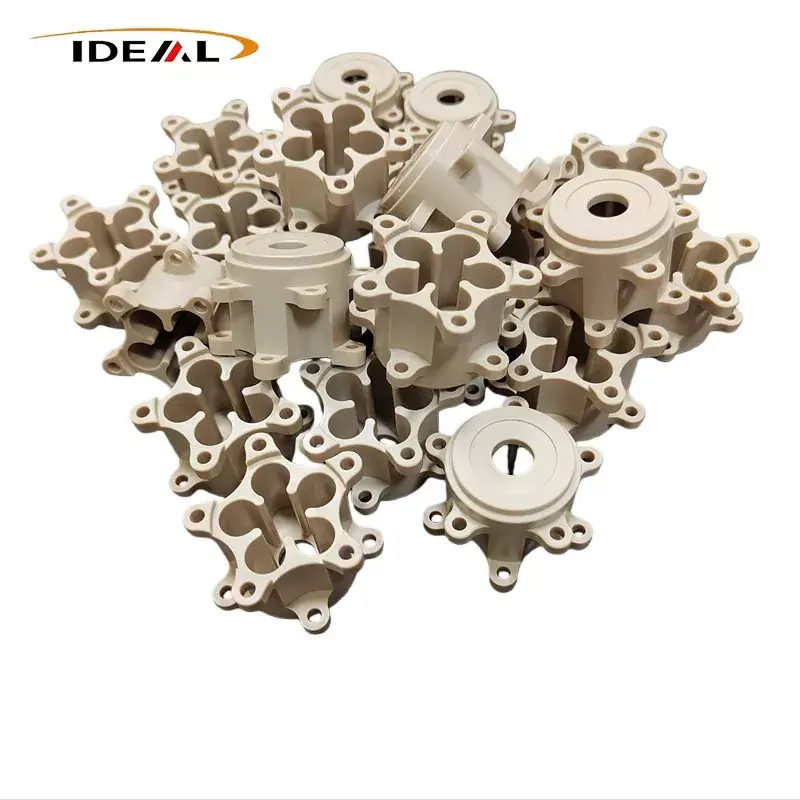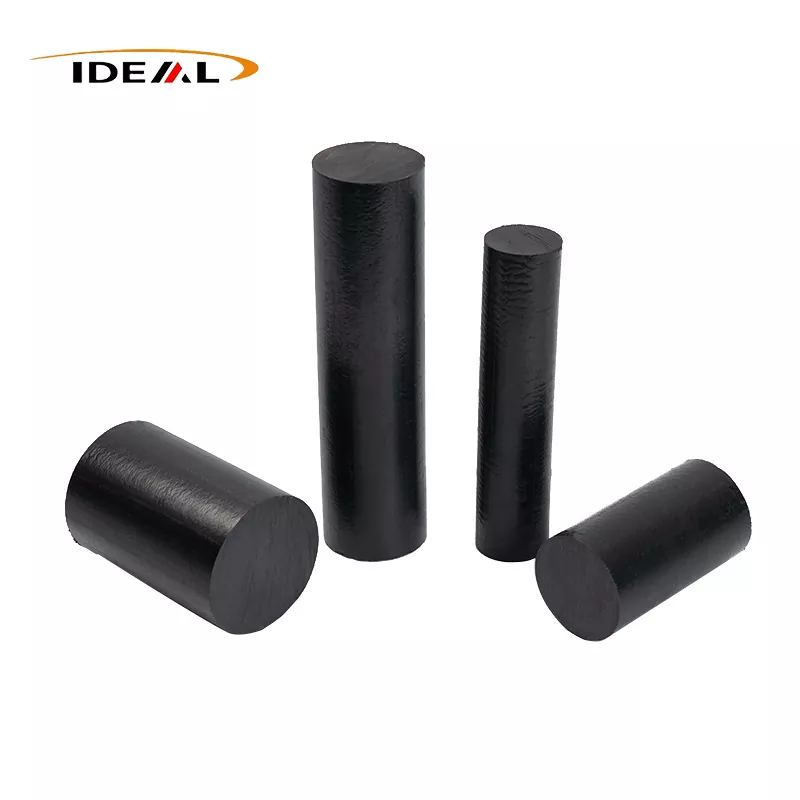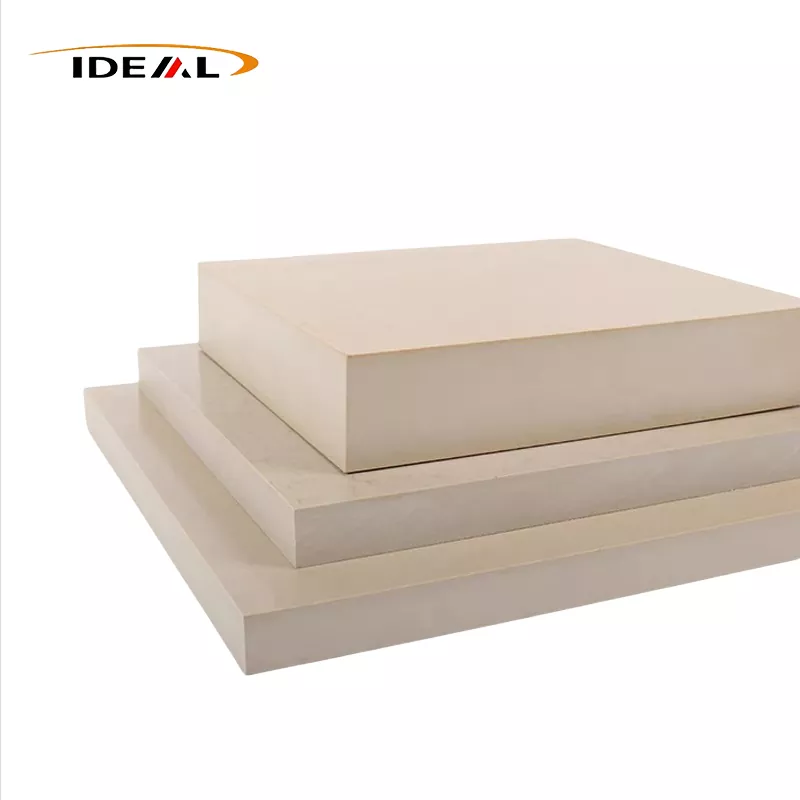
We have a material called PEEK GF30 plates, which is a composite material with polyetheretherketone (PEEK) as the substrate and glass fiber as the reinforcement. It is semi crystalline in structure. At room temperature of about 23 ℃, its tensile modulus is almost 11800mpa, and its thermal deformation temperature can reach 328 ℃ (test condition is 1.8MPa). If we adjust the proportion of glass fiber or production process, we can further improve its mechanical properties.
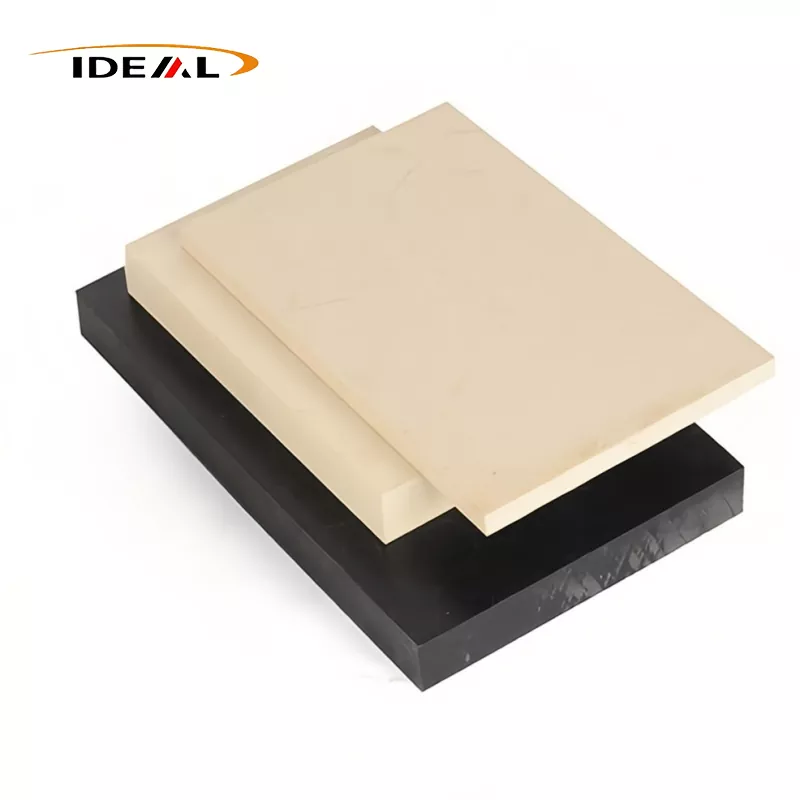
PEEK sheets is a high-end engineering plastic with excellent comprehensive performance. Its molecular structure is dominated by an aromatic molecular skeleton, with aromatic ring groups tightly linked by ketone and ether groups. The molecule is rich in benzene rings, giving it excellent heat resistance and mechanical strength. At the crystal level, PEEK exhibits the characteristics of a two-phase semi-crystalline polymer, composed of both amorphous and crystalline phases. The typical crystallinity range of its products is between 20% and 35%. Through refined processing techniques, even wider ranges of crystallinity variations can be achieved, from as low as 0% to as high as 40%.
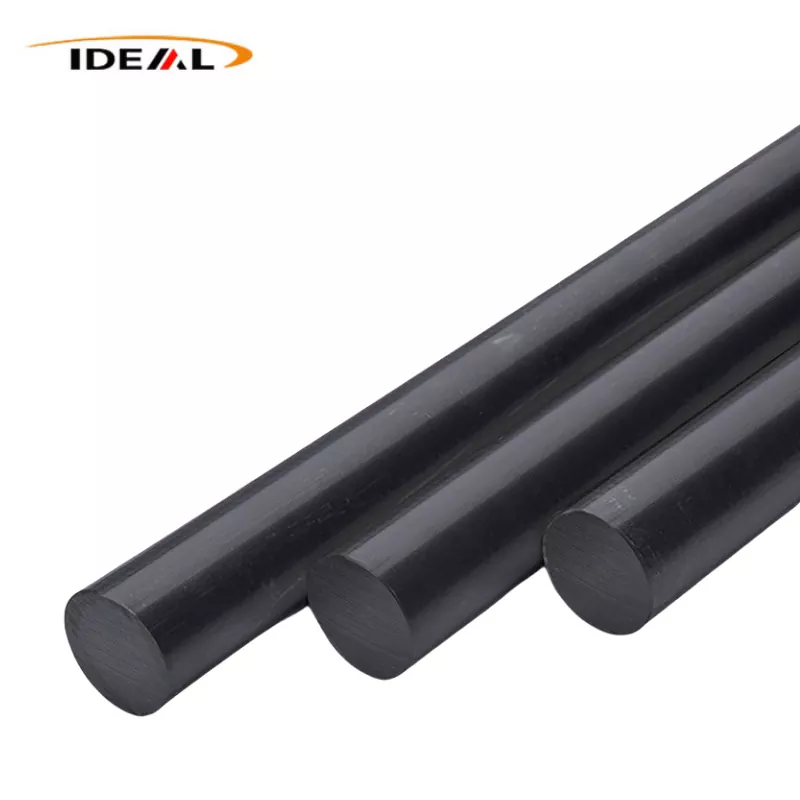
Basically, Carbon fiber Filled PEEK Rods is adding carbon fiber to PEEK resin to make it perform even better. PEEK on its own is already a high-performance engineering plastic. It has a crystalline structure—around 25% to 35%—which gives it great strength, stiffness, toughness, and resistance to fatigue, wear, and high temperatures. It also holds its shape well under stress, so it’s pretty versatile overall.

So basically, Glass Fiber Filled PEEK Rods is all about making PEEK even better by mixing in glass fiber. PEEK itself is already a high-performance engineering plastic with a special molecular structure—think alternating ether bonds, aromatic rings, and carbonyl groups. Since its molecular chain is made entirely of aromatic rings, it’s naturally super heat-resistant. It’s also really stiff and has great mechanical properties to begin with. When you add glass fiber into the mix, those properties get even stronger.
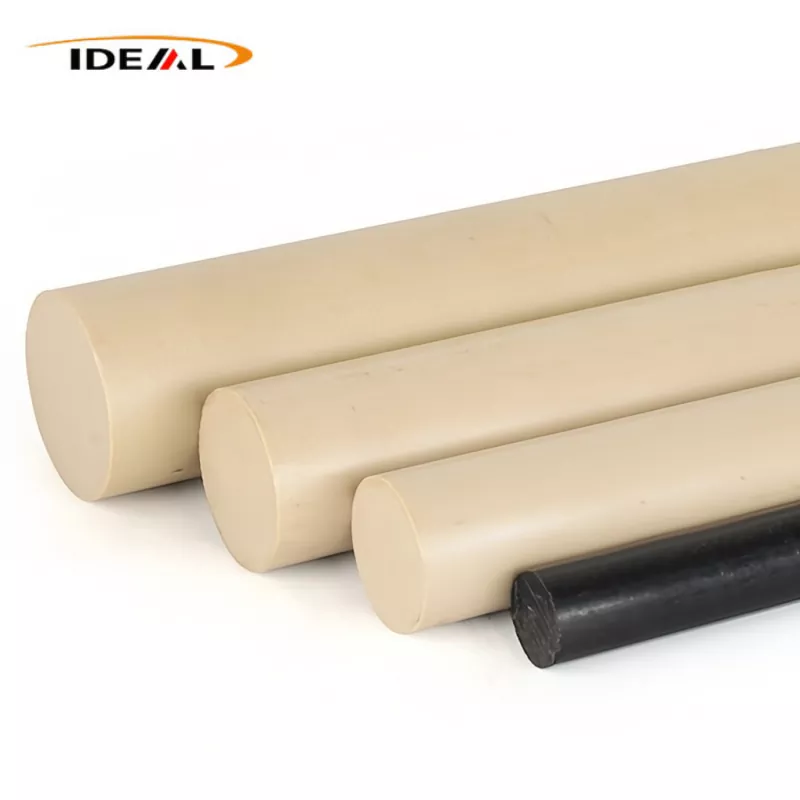
PEEK polyetheretherketone rods is made by extruding high-quality PEEK plastic pellets directly. That means it keeps almost all the awesome natural properties of PEEK—both physically and chemically. So what’s so special about PEEK? Its molecular structure includes benzene rings, ether bonds, and carbonyl groups, all connected through ether and ketone bonds. And it’s exactly this unique setup that makes it super tough: it can handle high heat, stand up to radiation, resist chemical corrosion, and it’s seriously strong mechanically.
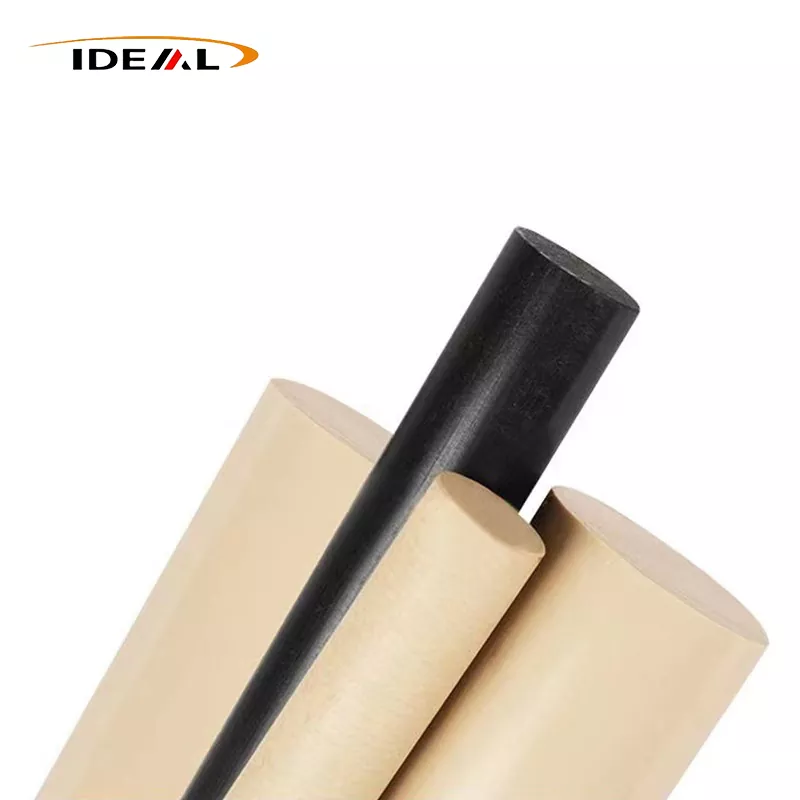
Let me tell you about our Polyetheretherketone PEEK rod at GuangZhou Ideal. We start with top-grade PEEK resin—sourced from both local and international suppliers—and extrude it into the final product. So what is PEEK exactly? It’s a semi-crystalline thermoplastic, meaning its molecular chains are built with aromatic rings and ether bonds lined up one after another. That special structure gives it a great balance of flexibility and stiffness, plus standout performance. That’s why it really shines among engineering plastics.