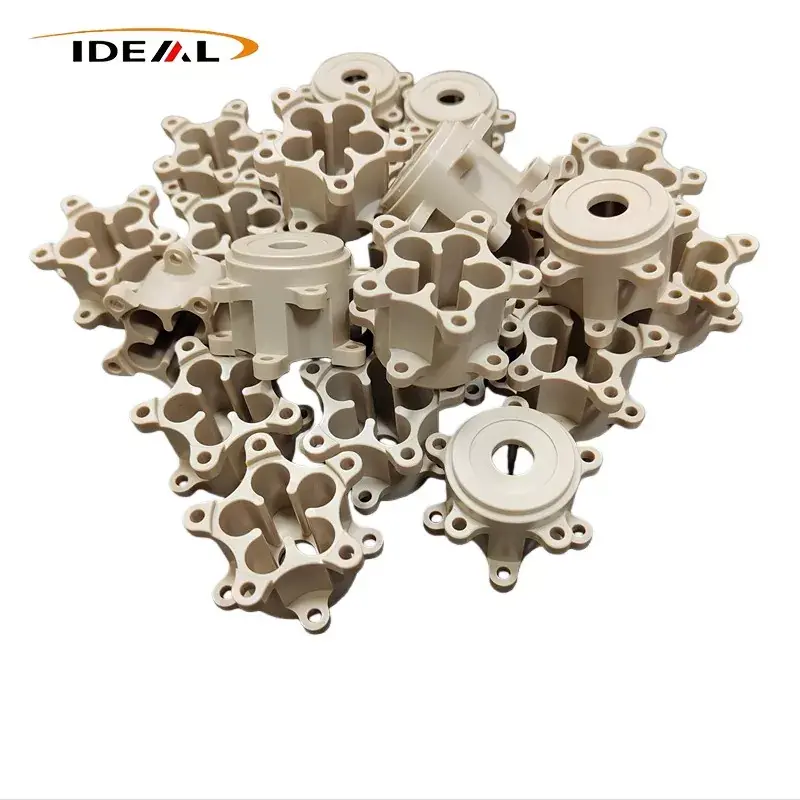
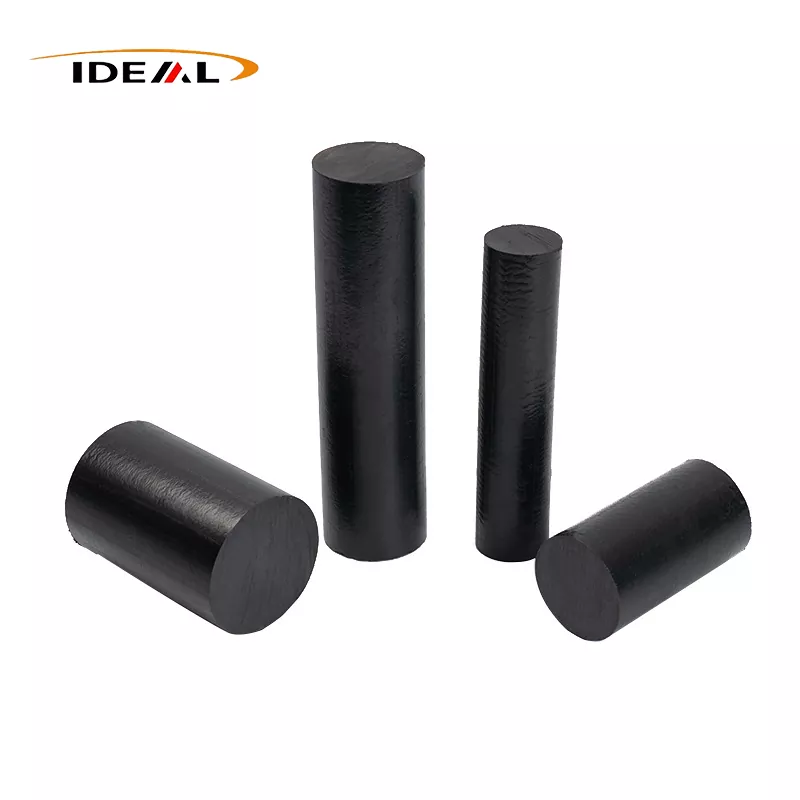
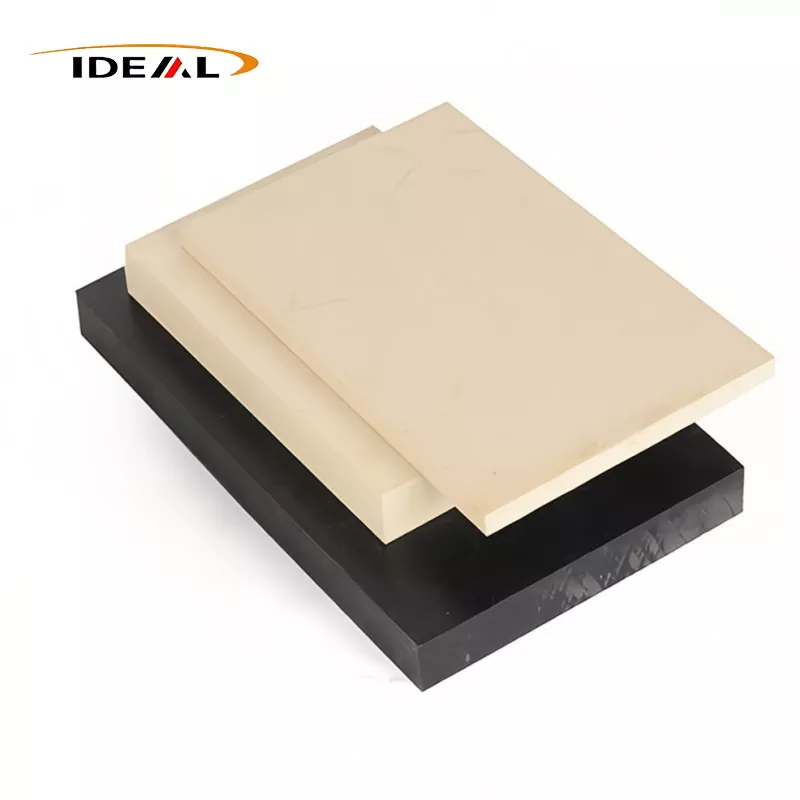
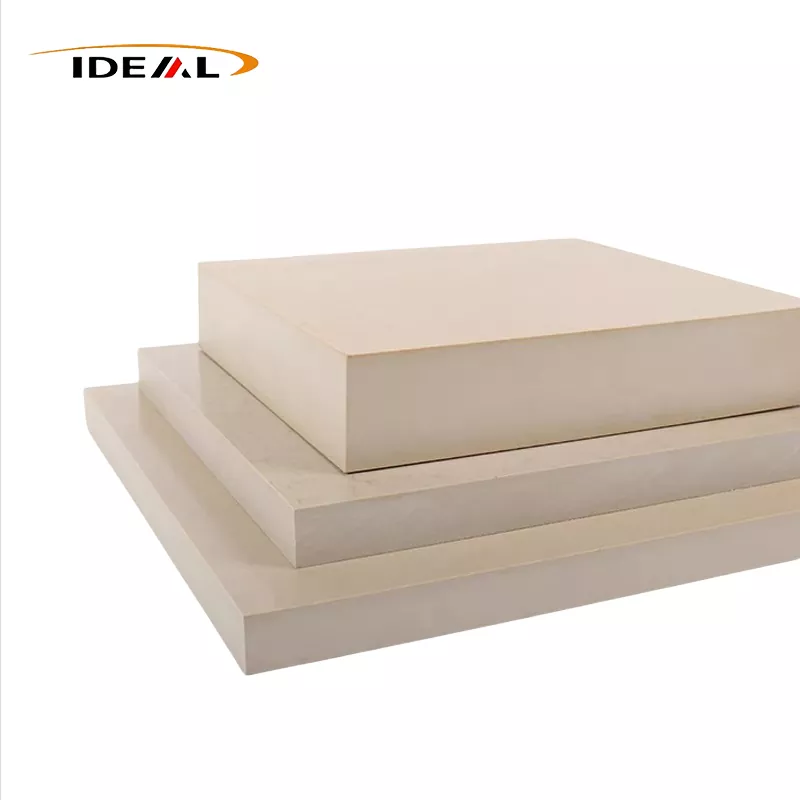
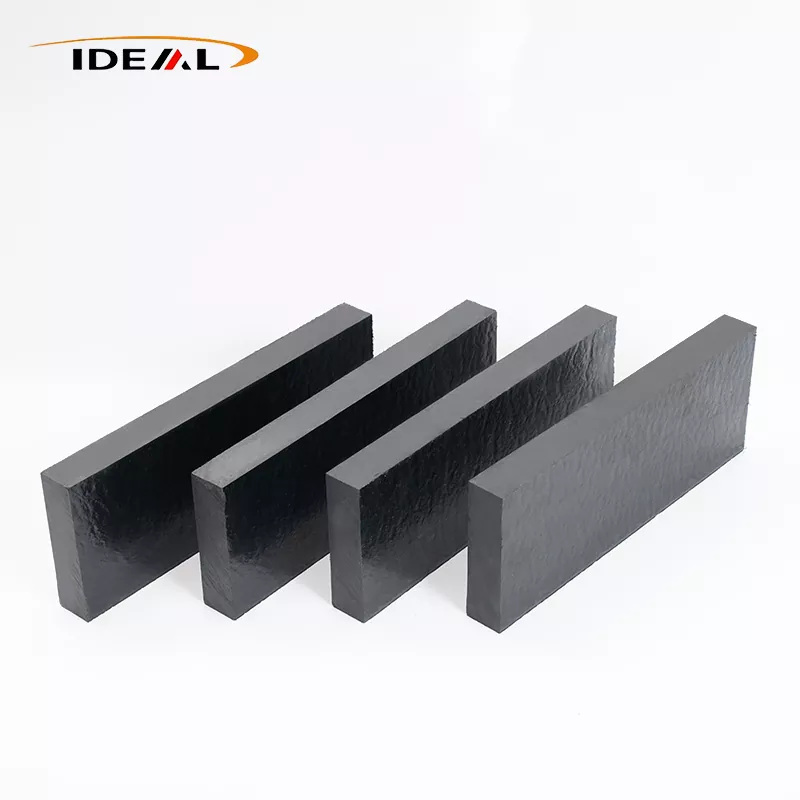
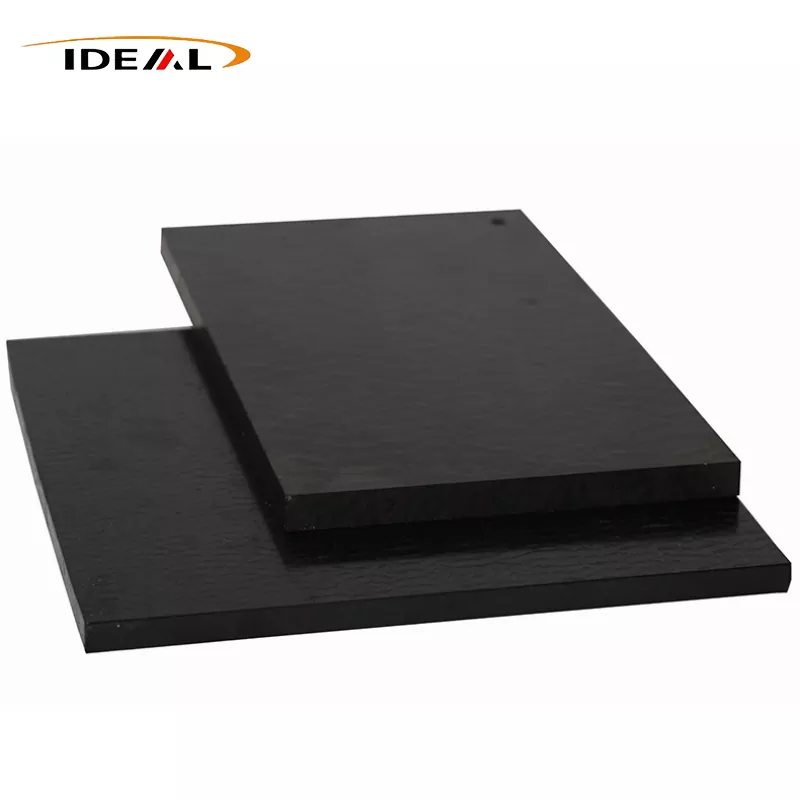
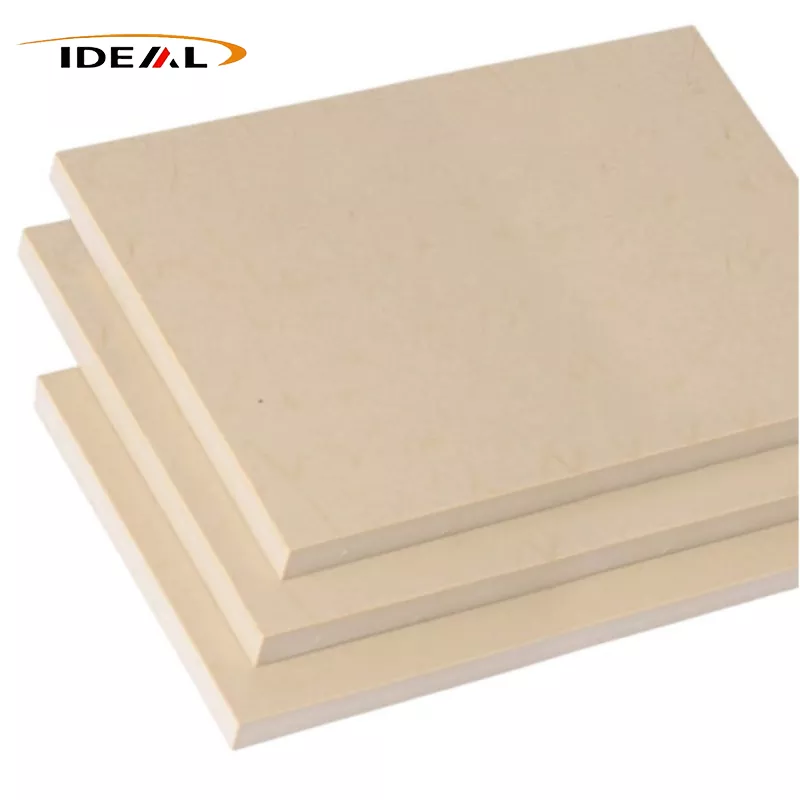
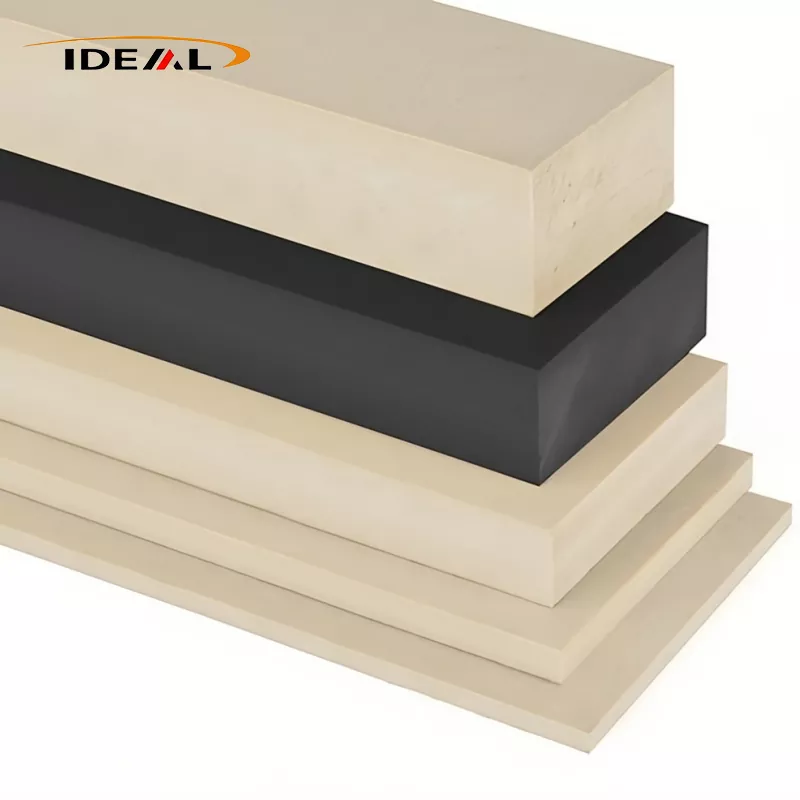
PEEK plastic sheets is a profile made from PEEK resin pellets, and it’s got some really promising uses. PEEK itself is a semi-crystalline thermoplastic engineering plastic. It has a glass transition temperature up at 143°C, can handle long-term use at 260°C, and can even take short bursts over 300°C—way better than your usual engineering plastics. The molecules in PEEK are lined up nice and neat, packed with benzene rings, ether bonds, and carbonyl groups. That gives it great stiffness, good wear resistance, and still keeps it flexible. Its tensile strength hits around 132–148 MPa, and its stiffness is close to aluminum. This “tough but not brittle” combo makes it a top choice when you’re trying to keep things light.
But in real-world use, we’ve noticed something: out of all the PEEK grades, plain PEEK plastic sheets has the best toughness and impact resistance—but it also wears down faster from friction, and it’s on the pricier side. That’s why we often modify or add fillers. Tweaking it this way can boost hardness, wear resistance, and how well it crystallizes. Plus, loading it up with fillers helps make the cost a lot more reasonable. Here are the main ways we modify it:
Carbon fiber reinforcement
Throw in some carbon fiber, and PEEK gets stronger and stiffer right away. Its thermal expansion drops, and it starts conducting heat better too.
Fiberglass reinforcement
With glass fiber added, PEEK plastic plate gets noticeably stronger and stiffer, and it holds up really well against fatigue and corrosion.
Wear-resistant modification
By mixing in PTFE, graphite, and carbon fiber, we can turn PEEK into bearing-grade material. PTFE especially helps—it cuts down the friction coefficient, boosts wear resistance, and improves load capacity, which is perfect for low-friction applications.
Conductive modification
Add conductive stuff like carbon black or metal powders, and PEEK can actually carry a bit of current. You can get the volume resistivity down to between 10² and 10⁴ Ω·cm, making it work for anti-static or EMI shielding uses.
Over here at GuangZhou Ideal, we specialize in producing PEEK profiles like PEEK sheet and machining parts from them. We’ve got mature profile production lines and all kinds of CNC machines, so we can take you from material selection right through to finished parts. Our profiles are reliable, come in a full range of specs, and have passed plenty of quality checks. For custom jobs, we make sure every dimension is spot on—even complex shapes come out just right.
|
Product name |
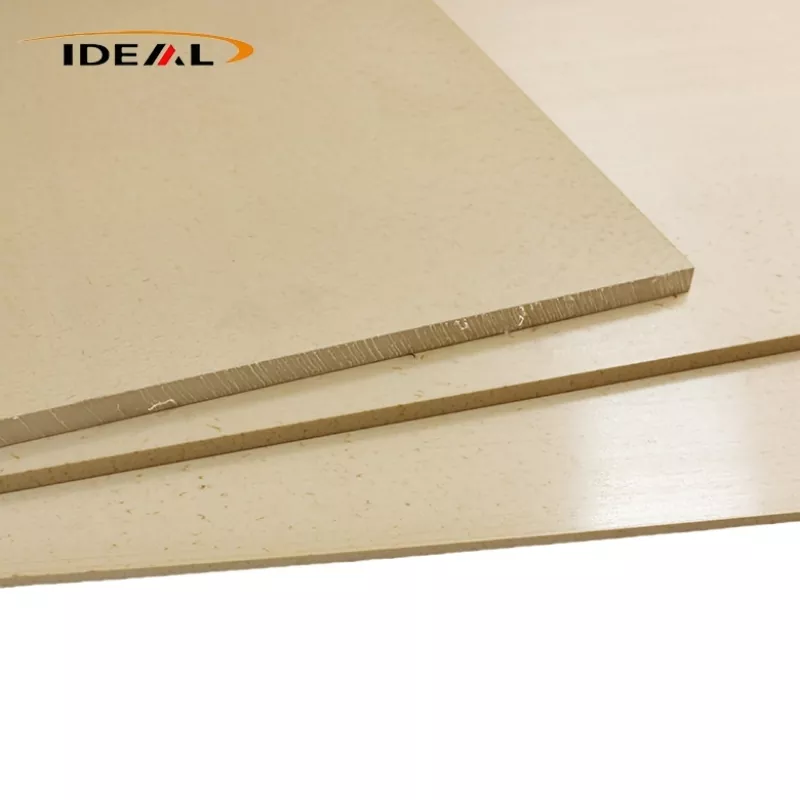
PEEK plastic sheets |
|
Material |
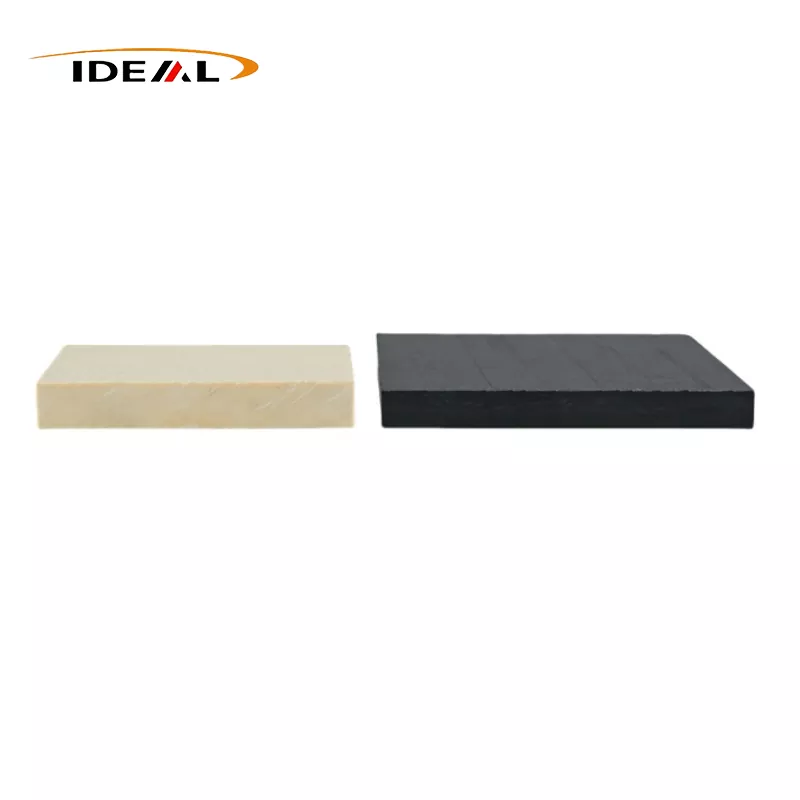
Pure PEEK, Fiber-reinforced PEEK, Abrasion-resistant PEEK, Antistatic PEEK |
|
Color |
Nature,black |
|
Breadth |
600mm-1250mm |
|
Thickness |
3mm - 100mm |
|
Tolerance |
±0.02mm |
|
Certificates |
ISO9001:2008, REACH, ROHS |
|
Delivery time |
Standard sizes ship on the same day; custom sizes take 7-10 days. |
|
sample |
Free |
1.The mechanical performance is seriously impressive. Here’s why: The ether bonds and ketone groups in PEEK make it both tough and kind of flexible. Those ketone groups pull the structure tight, so the molecules stick together really well — that means high strength and hardness. Meanwhile, the ether bonds add a bit of give to the chains, so it doesn’t just snap under pressure and is easier to work with during manufacturing.
2.It’s also super slippery and wears like iron: PEEK plastic plate has a really low friction coefficient and can basically lubricate itself. That cuts down on wear and tear in moving parts big time, saving energy and lasting way longer. The surface is crazy wear-resistant — you can run it for ages and it hardly shows any sign of rubbing off. For stuff like gears and bearings, using PEEK means better power transfer and fewer breakdowns.
3.Handles chemicals without a sweat: Thanks to its molecular structure — aromatic rings, alkyl chains, and those ketone groups formed at 240°C — PEEK can form a tight, protective oxide layer on the surface. That shields it from all sorts of corrosive chemicals.
4.Really hard to burn: PEEK sheet is naturally flame-retardant. It hits UL 94V-0 rating without adding any extra chemicals. Under normal conditions, it just doesn’t want to catch fire, and even if it does burn, there’s very little smoke or nasty fumes — honestly, less than some grades of so-called low-smoke PTFE.
5.Doesn’t get tired: PEEK’s fatigue resistance is right up there with metals. Testing shows it can handle over 10 million stress cycles without cracking. Compared to regular plastics, its fatigue life is in another league — it shrugs off vibration and repeated loading. That’s why it’s a go-to for tough jobs like compressor rotors, gears, bearing housings, and valve bodies.
6.Water and steam barely touch it: Even dunked in 260°C steam or high-pressure hot water for thousands of hours, PEEK plastic sheets pretty much stays the same. Out of all engineering plastics, PEEK handles water and steam the best, so it’s perfect for long-term use in steam environments from 200°C up to 250°C.
1.In the aerospace field, PEEK plastic is an excellent solution for weight reduction and efficiency improvement. It can replace aluminum and other metal materials in manufacturing various aircraft components. Moreover, combining PEEK with carbon fiber enhances weight reduction effects and further elevates overall performance.
2.Low-altitude economy: The low-altitude economy has now become a new stage for PEEK materials. Particularly in electric vertical takeoff and landing aircraft, materials like PEEK plastic sheets are highly suitable for manufacturing engine components and fasteners, which require exceptional performance.
3.New Energy Vehicles: In the field of new energy vehicles, PEEK and its composites are not only used in traditional automotive components but have also expanded to new areas such as battery systems, electric motors, and high-voltage electrical systems, offering novel solutions for the entire automotive industry.
4.In the field of artificial intelligence: As humanoid robots become increasingly popular, PEEK plastic plate, with its lightweight and durable properties, has emerged as an ideal material for joint linkages and gear bearings. Using PEEK for joint components can reduce weight by over 40%, significantly easing the load on motors and enhancing motion efficiency. Additionally, PEEK's inherent lubrication effect minimizes gear wear and extends service life, effectively addressing the lubrication challenges of traditional metal materials during high-speed operation.
5.Electronics and Electrical: Electronics and electrical applications are also significant areas for PEEK. This material boasts dimensional stability, high purity, strong mechanical properties, and does not generate exhaust gases during processing. Its electrical performance is also outstanding. Even in harsh environments such as high temperatures and humidity, its insulation properties remain excellent.
6.Medical industry: PEEK sheet is often used as a component in medical devices and surgical instruments due to its excellent biocompatibility and corrosion resistance. For example, it can replace traditional metal materials to reduce the weight of implants in patients or extend their service life.
Over the last fourteen years, GuangZhou Ideal has steadily grown to where we are today thanks to our dedicated technical, sales, and after-sales teams. Plus, with top-notch production equipment at our disposal, our product quality is always guaranteed.
Throughout this journey, we’ve learned a lot—how to talk with customers before a sale, how to manage production smoothly, and how to support clients after the sale. We’ve been through it all and gained real, hands-on experience. On top of that, our capabilities in R&D, design, and manufacturing keep getting better every year. It’s not just about making PEEK plastic sheets a great product; it’s also about being flexible enough to meet whatever our customers ask for. Whatever you need, we’re confident we can make it happen.
1.So, what does your company actually do?
We're Guangzhou Ideal Plastic Technology Co., Ltd. We got our start back in 2011 in Hong Kong, and these days our main factory is over in Huangpu, Guangzhou. In simple terms, we focus on developing and making semi-finished profiles from special engineering plastics—materials like PEEK, PAI, PI, PPS, PPSU, PEI, and other high-performance plastics. Besides that, we also provide CNC machining and injection molding services to help our customers turn those materials into finished parts.
2.Is your product quality guaranteed?
Absolutely. We’ve got a full quality control setup with advanced testing and lab equipment. Our team knows their stuff and keeps an eye on quality at every step—from raw materials right through to finished products—so we can deliver reliable, high-quality items every time.
3.How do payments work?
Usually, we ask for a partial deposit to get production started. Once everything’s done, you settle the remaining balance. Right after we receive the final payment, we’ll get your order shipped out. You can pay into our HSBC Hong Kong account, or if it’s easier, you can arrange payment through your own freight forwarder.
4.Do your products come with any certifications?
Yes, we’re ISO9001:2008 certified for our quality management system. Our products also carry SGS, CE, and RoHS certifications, and they meet environmental standards like REACH and EN71, among others.
5.What’s your policy on returns or exchanges?
If there’s a quality issue, something we got wrong, or any problem that makes the product unusable, just reach out to us as soon as you can. Once we confirm what happened, we’ll sort out a return or exchange and handle the shipping costs ourselves.
If you simply ordered the wrong thing or changed your mind—especially with raw profiles—we can still help as long as the material is in resalable condition. In that case, we’d ask you to cover the return shipping.