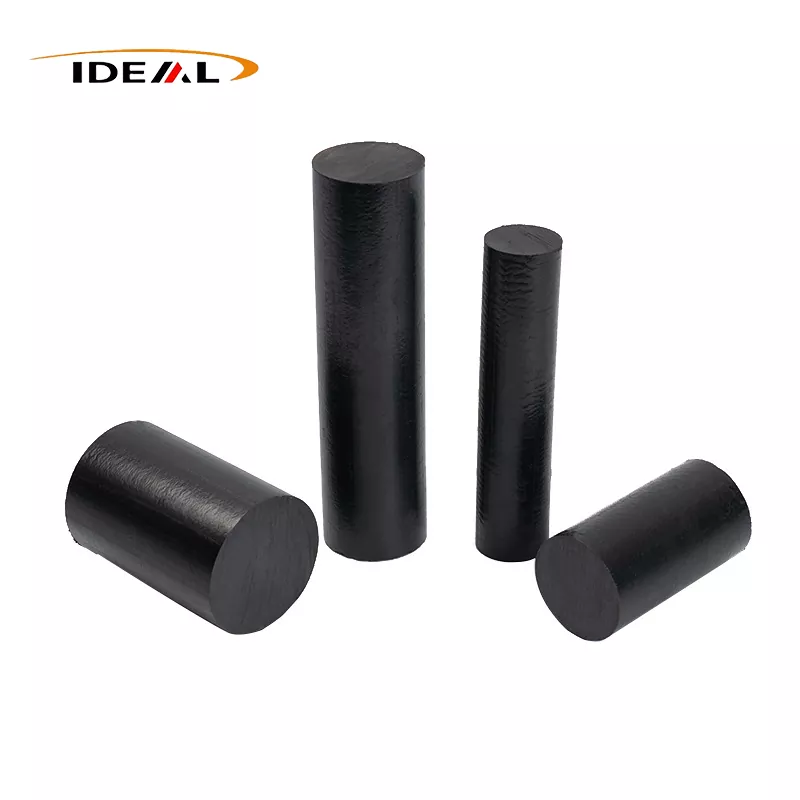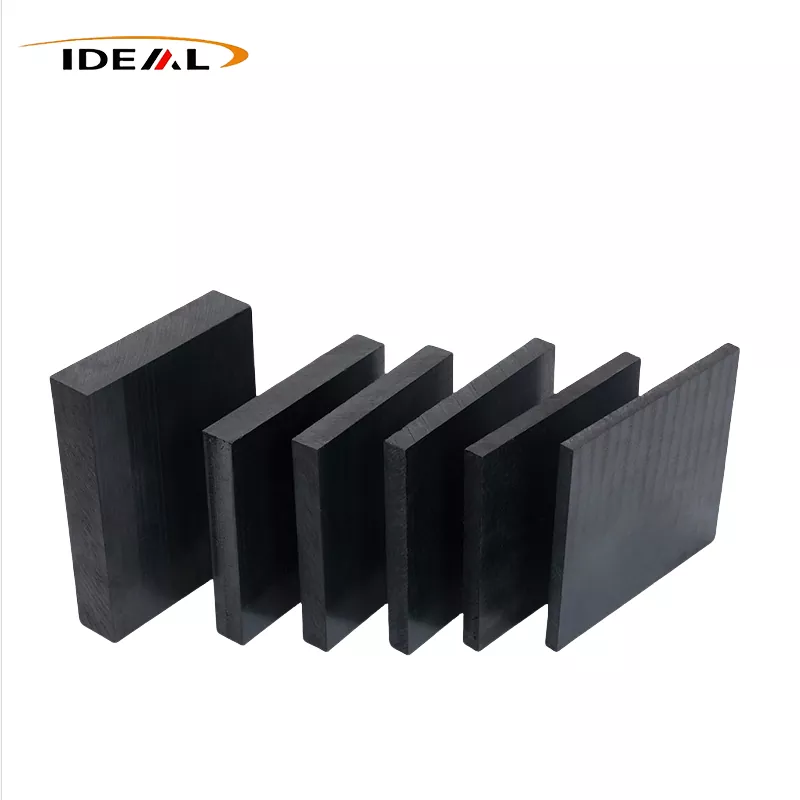
Wholesale Carbon Fiber Reinforced PEEK Plates directly from Ideal Plastic, China's premier high-tech developer of carbon-filled polyetheretherketone profiles. By compounding high-modulus carbon fibers into a highly stable PEEK matrix, we manufacture semi-finished structural sheets that bridge the gap between high-performance polymers and aerospace-grade aluminum. Our in-house extrusion lines ensure absolute material homogeneity, providing global distributors and OEMs with high-stiffness, low-wear stock shapes optimized for demanding CNC machining.
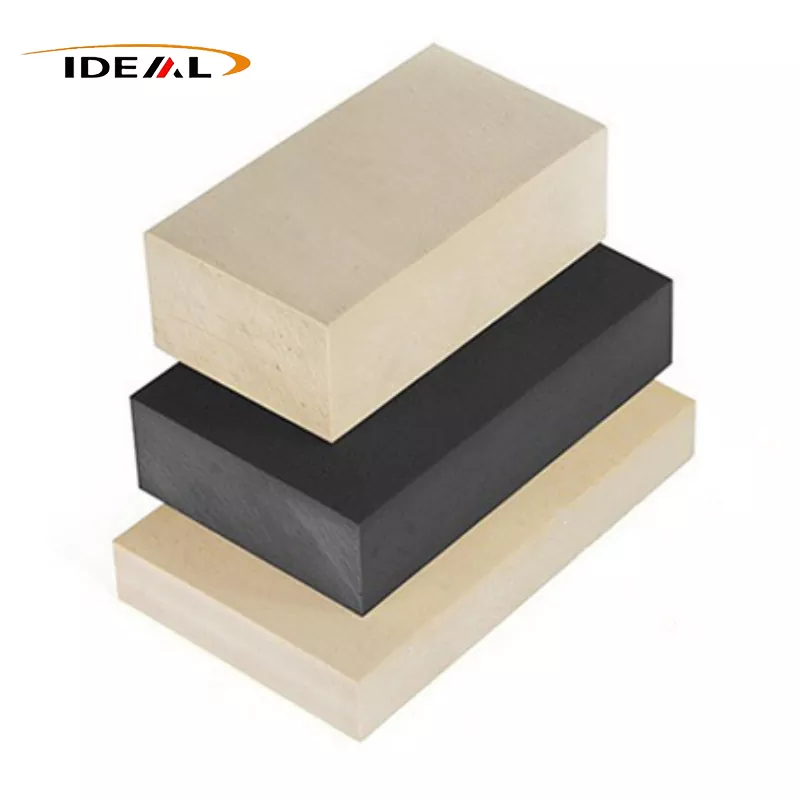
PEEK plastic plates PEEK profiles are known for their well-rounded performance and are widely used across different industries. PEEK, short for polyetheretherketone, is a semi-crystalline high-performance engineering plastic. It really excels in all sorts of areas—heat resistance, self-lubrication, chemical resistance, flame retardancy, hydrolysis resistance, wear resistance, and fatigue resistance. Thanks to ongoing improvements in synthesis and processing tech, we can further enhance certain properties of PEEK through methods like chemical modification, blending, or adding fillers. Since it's a thermoplastic, there are plenty of ways to process it: injection molding, extrusion, compression molding, and even melt spinning.
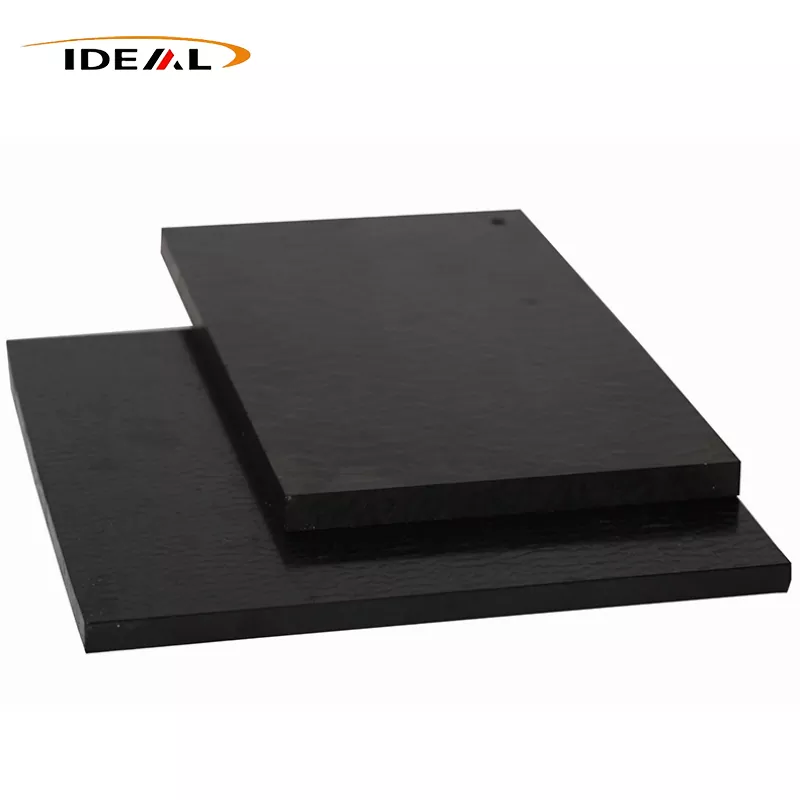
Alright, let's break down Carbon fiber reinforced PEEK sheets. It's basically a powerhouse material that takes PEEK—which is already great—and makes it even better by mixing in carbon fiber.First, what's PEEK? Think of it as a super tough plastic. It's made from a chemical reaction between two specific ingredients (4,4'-difluorobenzophenone and hydroquinone, if you're curious). This stuff is seriously heat-resistant—it doesn't melt until 343°C—and it's also really strong, resists chemicals well, and is super handy in all kinds of industrial uses.
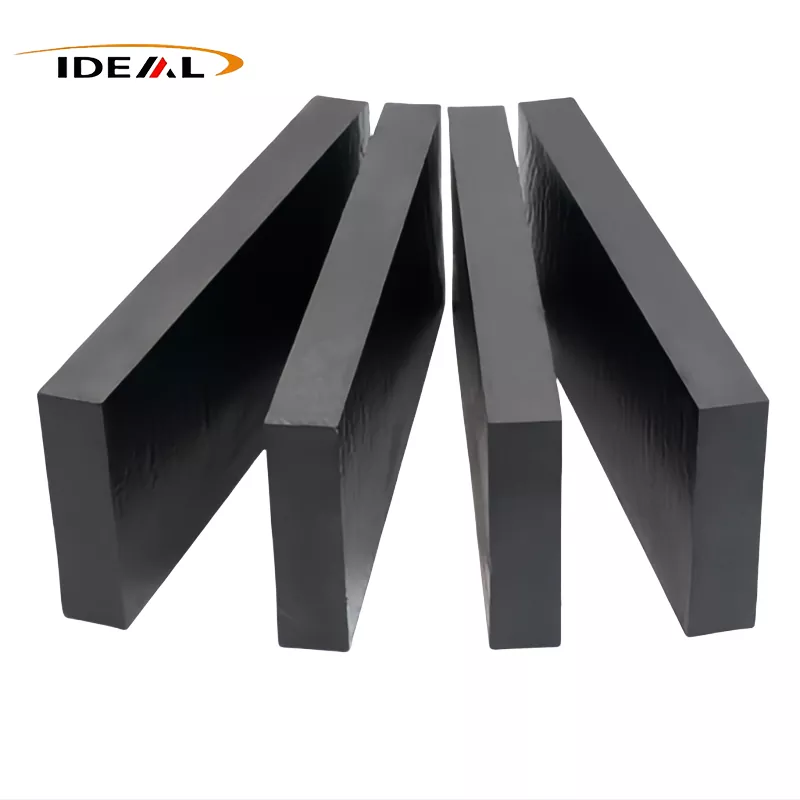
Carbon fiber Filled PEEK plates is a PEEK profile with really strong overall performance. PEEK stands for polyetheretherketone — it's a high-performance special engineering plastic. The backbone of its molecule is pretty special — it’s made up of repeating units of "benzene ring, ketone bond, benzene ring, ether bond, benzene ring, ether bond." Here’s an easy way to think about it: the rigid benzene rings inside act like the framework, giving the material its mechanical strength and heat resistance. Meanwhile, the flexible ether and ketone bonds allow the molecular chains some wiggle room, balancing out how easily it can be processed with its toughness and impact resistance.
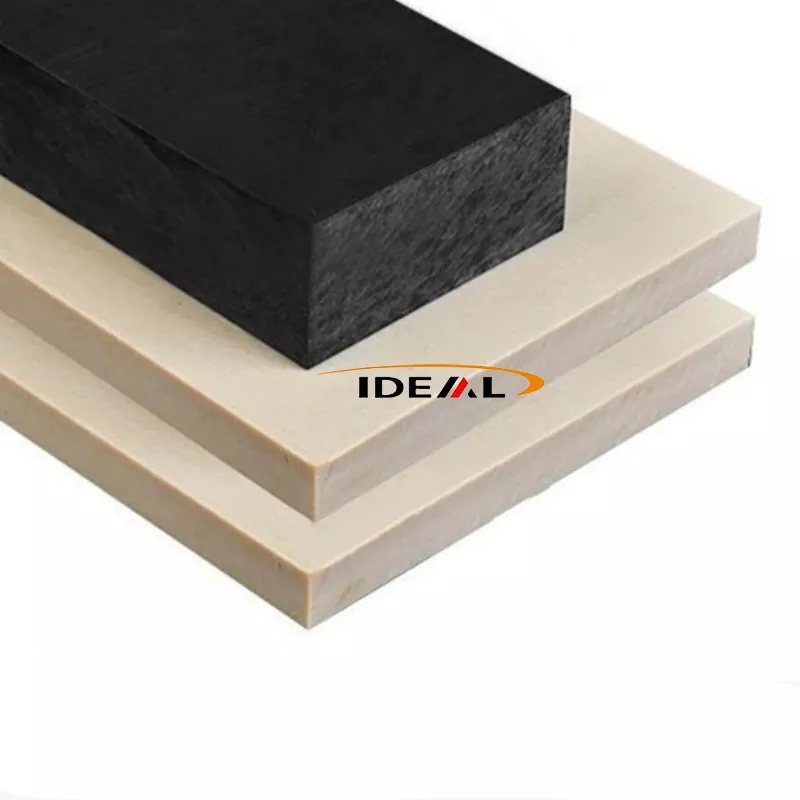
PEEK plastic sheets is a profile made from PEEK resin pellets, and it’s got some really promising uses. PEEK itself is a semi-crystalline thermoplastic engineering plastic. It has a glass transition temperature up at 143°C, can handle long-term use at 260°C, and can even take short bursts over 300°C—way better than your usual engineering plastics. The molecules in PEEK are lined up nice and neat, packed with benzene rings, ether bonds, and carbonyl groups. That gives it great stiffness, good wear resistance, and still keeps it flexible. Its tensile strength hits around 132–148 MPa, and its stiffness is close to aluminum. This “tough but not brittle” combo makes it a top choice when you’re trying to keep things light.
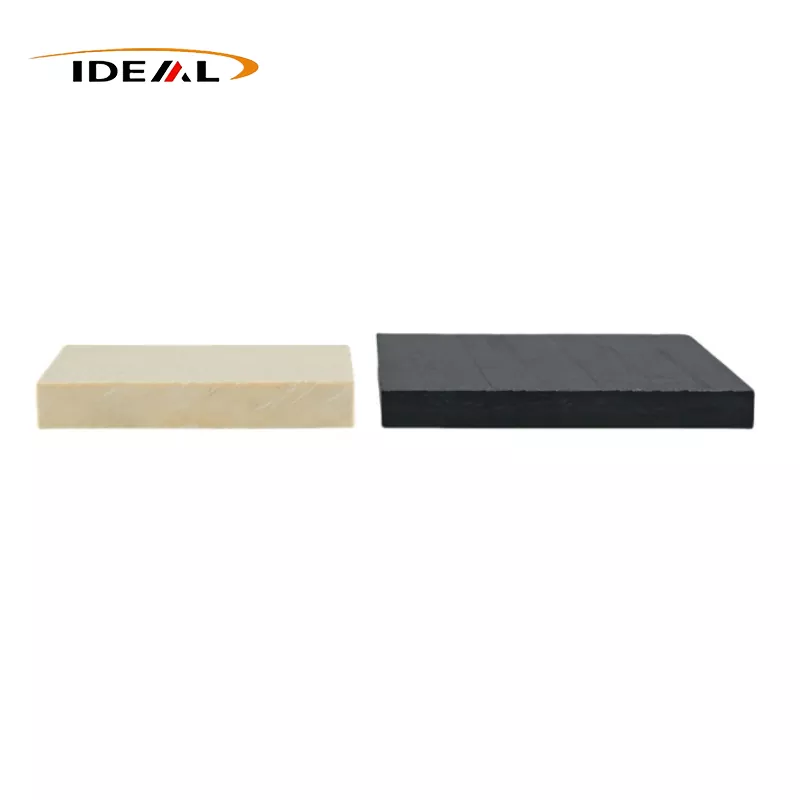
Polyetheretherketone plates is a high-performance engineering plastic profile. Polyether ether ketone, or PEEK, is a specialty engineering plastic with a molecular chain built mainly from repeating ketone and ether bonds. It offers a lot of great benefits: strong mechanical properties, resistance to high temperatures and impacts, flame retardancy, acid and alkali resistance, a hard texture, and a long service life. That’s why it’s widely used in automotive, aerospace, medical equipment, and other fields.