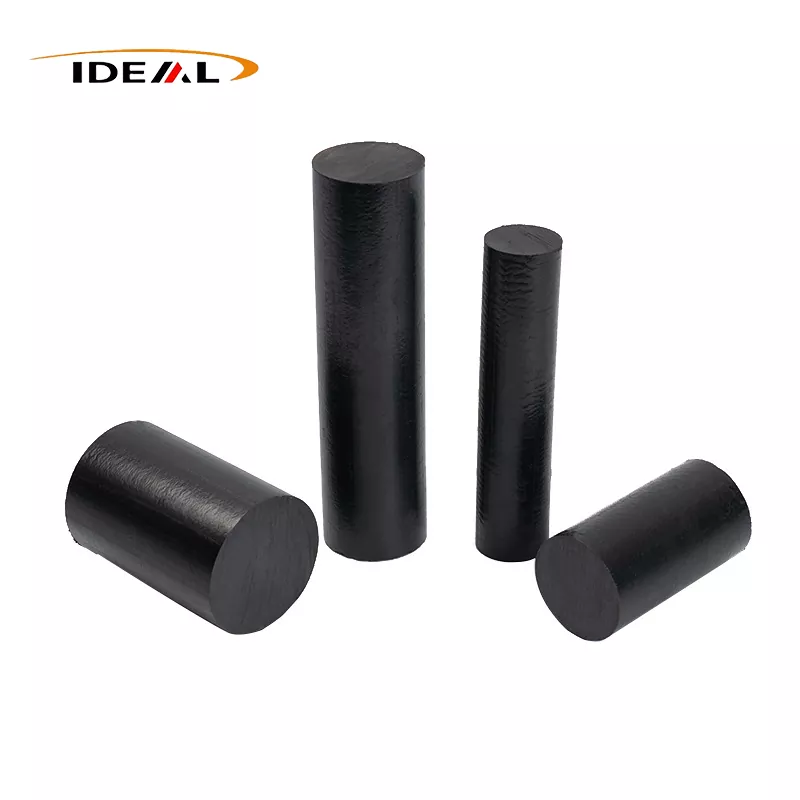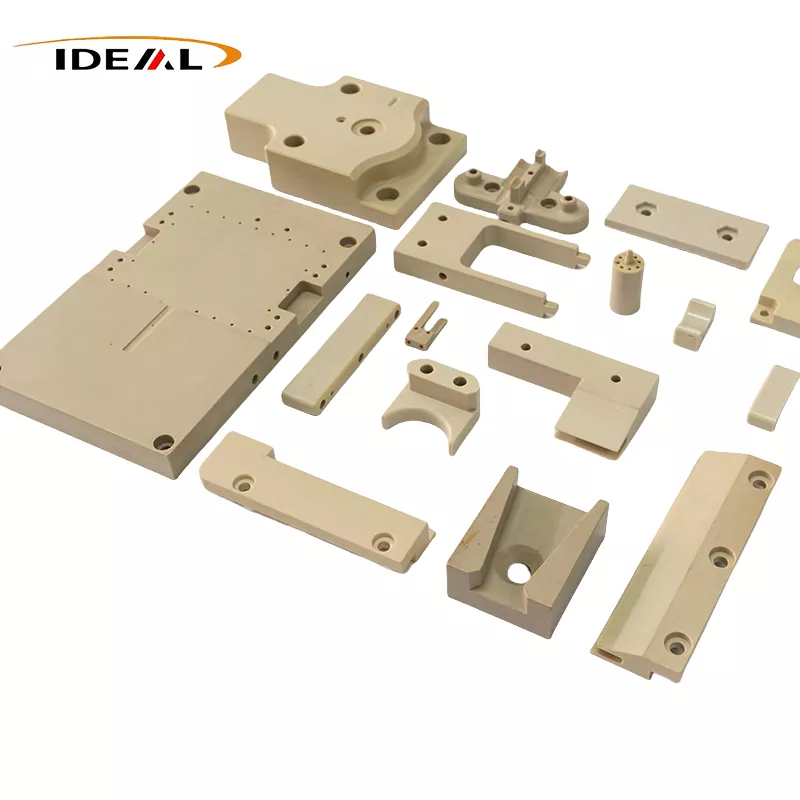
Alright, let me break down polyetheretherketone parts for you.Basically, it keeps all the good stuff from PEEK—and works well in a lot of different situations. So, what’s PEEK? Its full name is polyetheretherketone. It’s a special kind of plastic with a really unique molecular structure—think of ether bonds, aromatic rings, and carbonyl groups linked together in a chain. Because there are lots of rigid aromatic rings in there, it can handle high temperatures like a champ, it’s hard, has great mechanical properties, and doesn’t change much when the temperature goes up or down. And if you reinforce it with glass fiber, it gets even stronger.
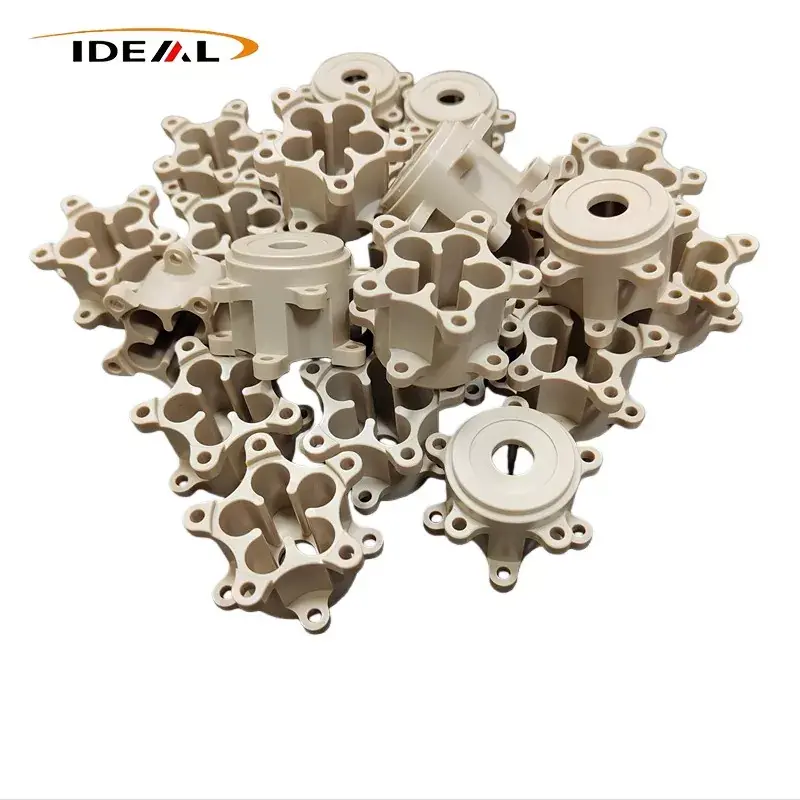
PEEK polyetheretherketone products is made from PEEK plastic—that’s short for "polyetheretherketone." It’s a type of specialty engineering plastic that's both strong and lightweight. Even though it’s super light, it doesn’t skimp on strength, and it can handle high temperatures and wear without a problem. In fact, it’s only about 58% as dense as aluminum, so it’s way lighter. And if you add carbon fiber to it, its tensile strength can go all the way up to 200MPa.
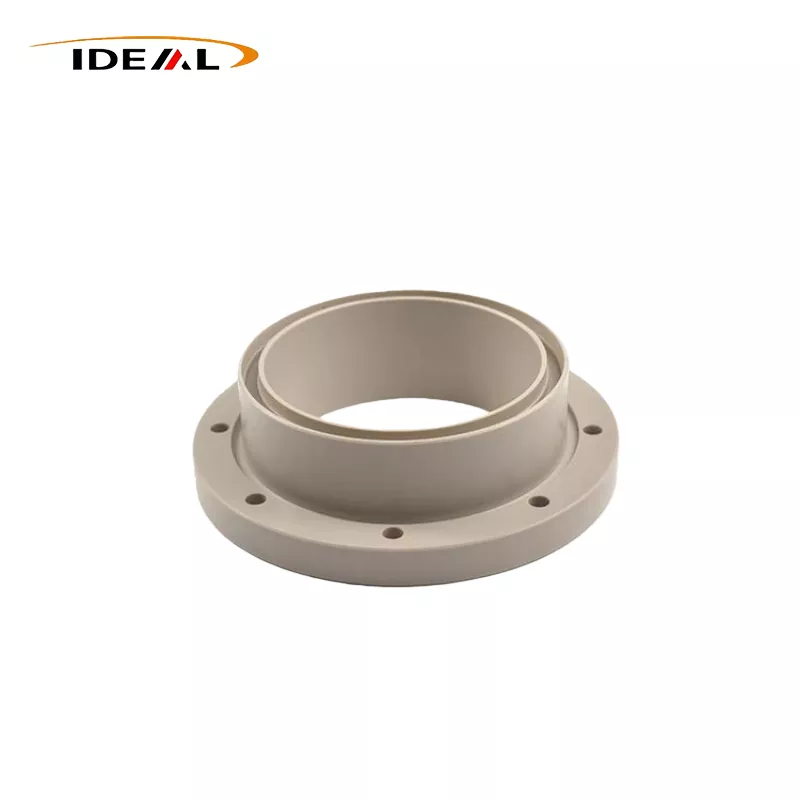
Alright, let’s break down what polyetheretherketone PEEK product is all about. This category covers things like PEEK profiles, injection molded parts, and machined components. By the way, PEEK stands for polyetheretherketone—it’s a super stable thermoplastic. Its molecular structure is made up of benzene rings connected by ether and ketone groups. That special setup is what gives PEEK its killer properties: heat resistance, radiation resistance, chemical resistance, and serious mechanical strength.
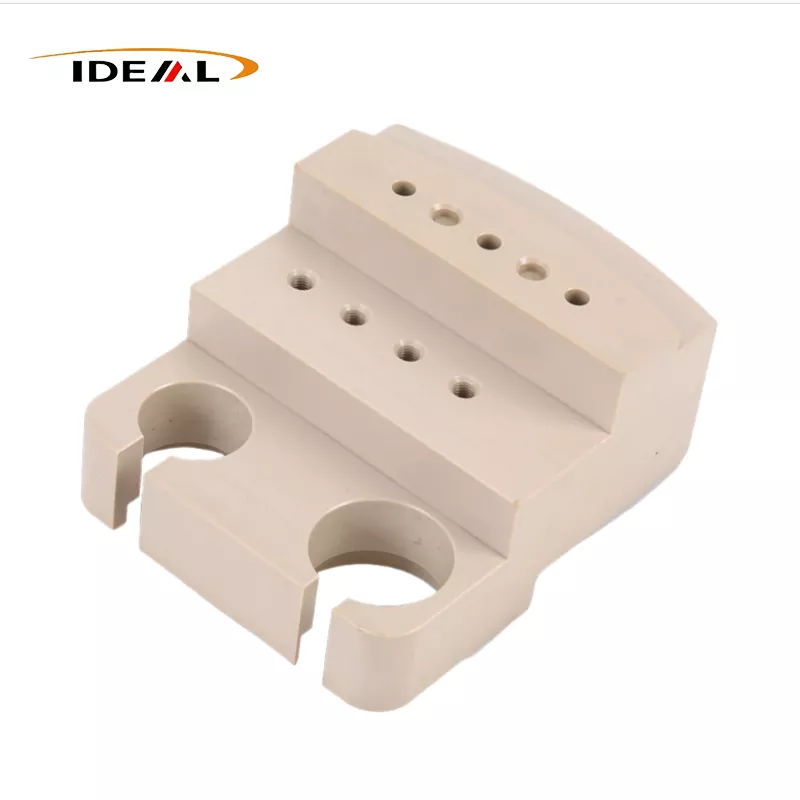
Our polyetheretherketone products product is made from PEEK plastic, which comes as semi-finished profiles or can be custom-made into parts as needed. So, PEEK itself is a special kind of engineering plastic—it’s what’s called an aromatic crystalline thermoplastic polymer. It has a really high melting point, up to 334°C, and its glass transition temperature (Tg) is around 143°C. This material can reach a crystallinity level as high as 48%, though it usually sits between 20% and 30%. Also, in its amorphous state, its density is about 1.265 g/cm³, but when crystallinity is at the max, the density can go up to 1.32 g/cm³.
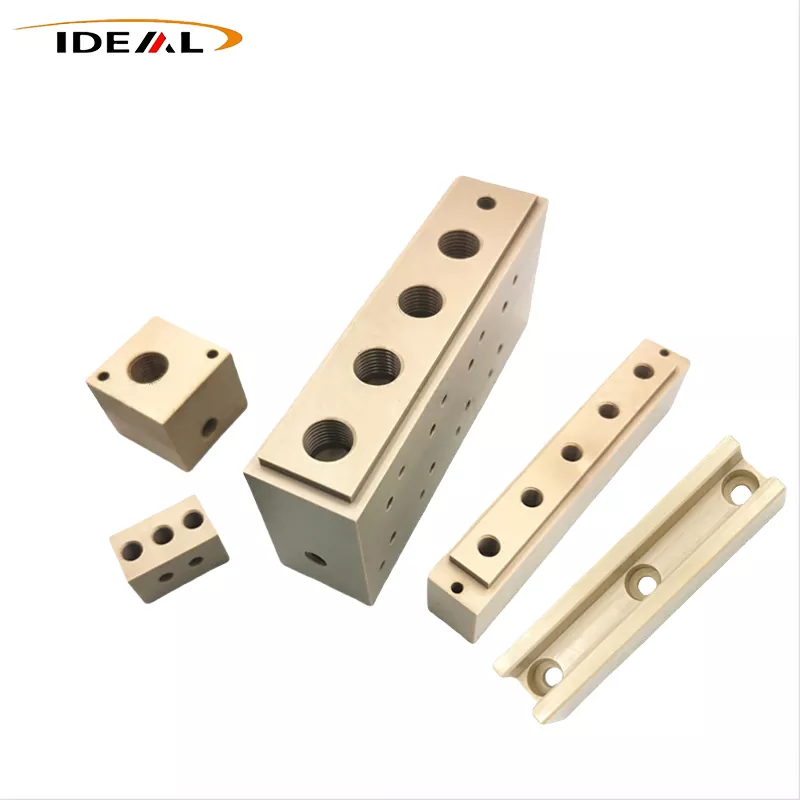
PEEK products. It actually covers a range of products like PEEK profiles, injection molded parts, and machined components. PEEK—or polyetheretherketone, if you want the full name—is a high-performance engineering plastic known for its really stable properties. Its molecular structure isn’t simple—it's made up of benzene rings, ether bonds, and carbonyl groups linked together like a chain. And it’s exactly this unique setup that gives PEEK its ability to handle high temperatures, resist radiation and chemicals, and deliver seriously high mechanical strength.

PEEK Plastic Injection Parts. We make it using top-grade PEEK plastic pellets. Here’s basically how it’s made: first, we process the raw material, then feed it into an injection molding machine where it gets heated up until it melts into something like syrup. After that, we inject that melted plastic into a mold, let it cool down and harden, then pop it out. A bit of follow-up work, and the part is done.Now, PEEK isn’t your regular plastic—it’s a special high-performance engineering plastic. If you look at its structure under a microscope, it’s pretty unique. Its molecules are full of aromatic rings and ether bonds. And it’s really that special structure that gives PEEK its natural toughness—it can handle high temperatures and resists corrosion like a champ, so it’s super stable and reliable.