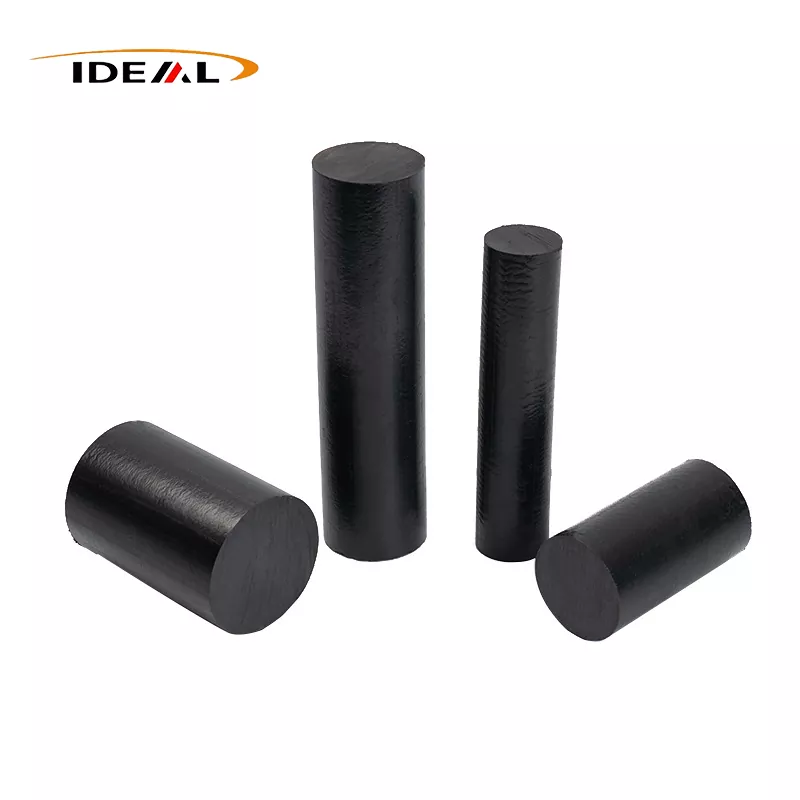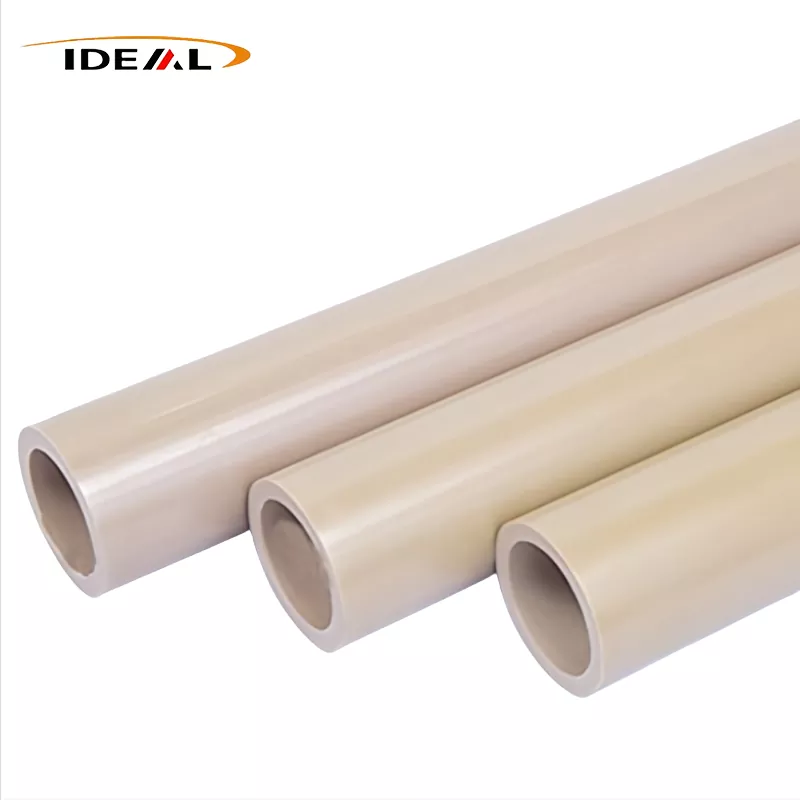
Okay, so the PEEK GF30 tubes material we produce is basically a composite. We make it by blending PEEK plastic with 30% glass fiber. It's a type of semi-crystalline plastic to begin with.Now, PEEK itself has a molecular structure packed with benzene rings, which is actually the secret behind a lot of its awesome properties.When it comes to producing PEEK resin, here's how it usually goes: the main raw materials are 4,4'-difluorobenzophenone, hydroquinone, and sodium carbonate. They use diphenyl sulfone as the solvent for the whole process. The reaction has to happen in a nitrogen atmosphere for protection, and the temperature is slowly increased until it hits around 320°C. That's actually really close to PEEK's own melting point, and that's when you finally get the PEEK resin.
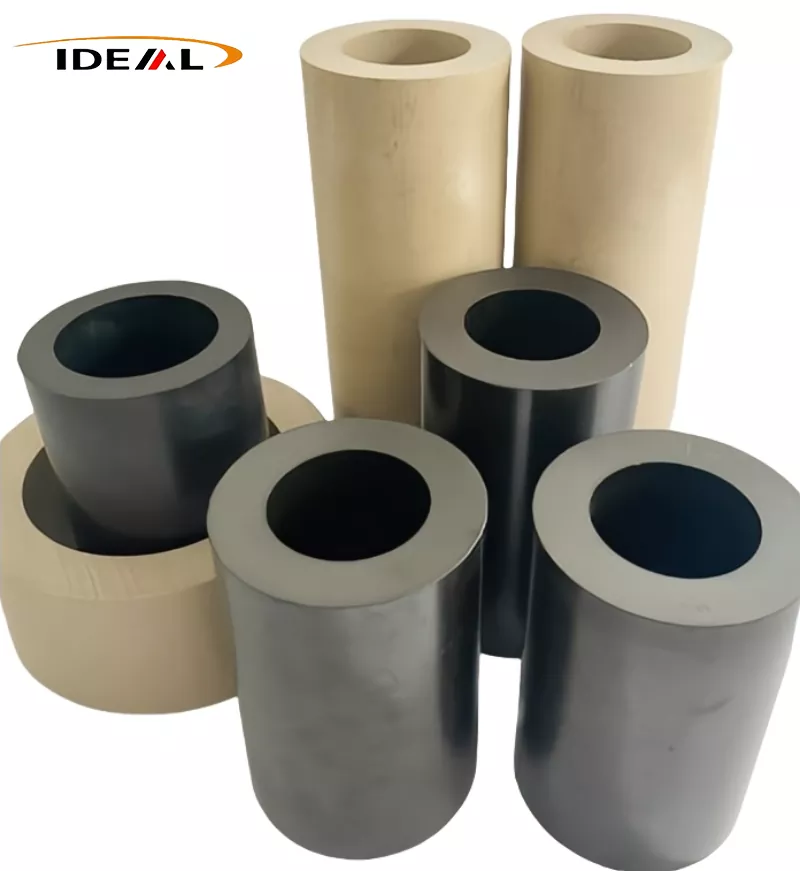
PEEK tubes profile—it’s made from PEEK, a seriously tough type of plastic. You can shape it either by extrusion or compression molding, depending on what you need.What makes PEEK so special? Well, its molecular structure includes rigid benzene rings, flexible ether bonds, and carbonyl groups that really lock together. That means it’s super wear-resistant, a great electrical insulator, can handle radiation, and stays stable chemically. It’s also biocompatible (so it’s body-friendly) and can take the heat—literally. That’s why it’s often used to make all sorts of mechanical parts.
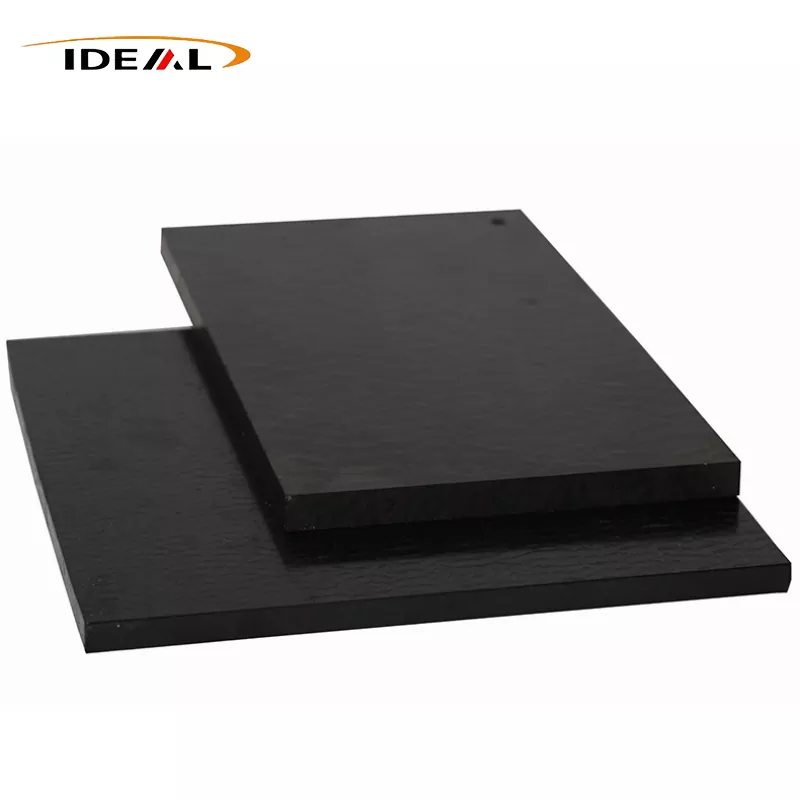
Our company's PEEK HPV plates belongs to peek profile of bearing grade. In brief, polyetheretherketone (PEEK) is a thermoplastic material and belongs to aromatic semi crystalline polymer. Its molecular structure has a special ring structure, plus ketone and ether groups, which make it particularly stable in physical and chemical properties, so the overall performance is very excellent.
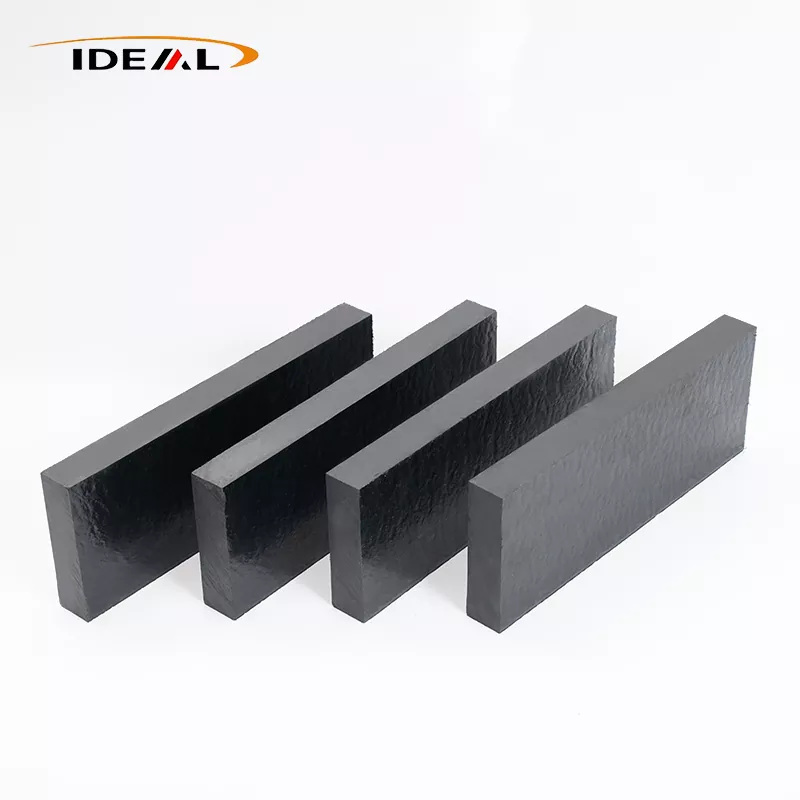
PEEK CF30 plates, which we produce, is made of PEEK plastic with 30% carbon fiber. Peek is simply polyetheretherketone, with two ether bonds and one ketone bond on its molecular chain, which is the top product in special engineering plastics. This thing has a special structure and is semi crystalline, so it is born with a lot of advantages: high temperature resistance, wear resistance, fatigue resistance, radiation protection, chemical corrosion resistance, creep resistance, dimensional stability, impact resistance, non-toxic and flame retardant. It can carry almost any harsh environment.
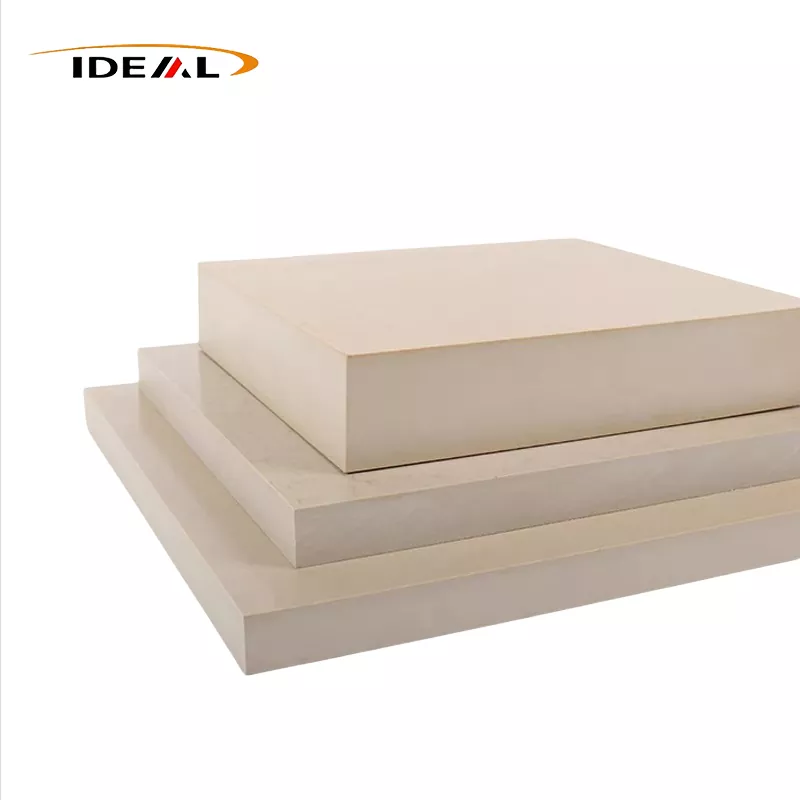
We have a material called PEEK GF30 plates, which is a composite material with polyetheretherketone (PEEK) as the substrate and glass fiber as the reinforcement. It is semi crystalline in structure. At room temperature of about 23 ℃, its tensile modulus is almost 11800mpa, and its thermal deformation temperature can reach 328 ℃ (test condition is 1.8MPa). If we adjust the proportion of glass fiber or production process, we can further improve its mechanical properties.
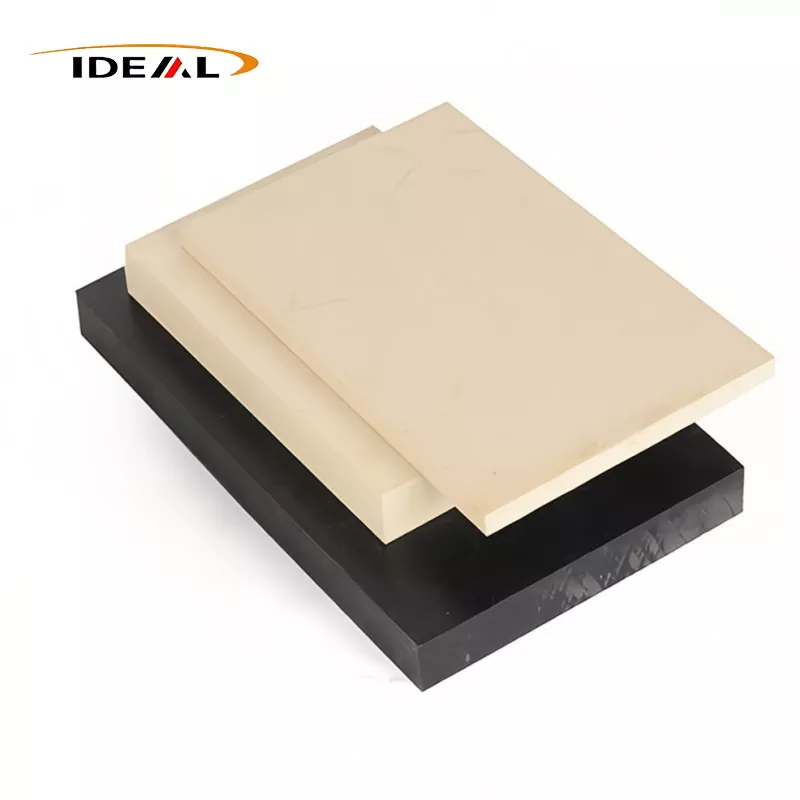
PEEK sheets is a high-end engineering plastic with excellent comprehensive performance. Its molecular structure is dominated by an aromatic molecular skeleton, with aromatic ring groups tightly linked by ketone and ether groups. The molecule is rich in benzene rings, giving it excellent heat resistance and mechanical strength. At the crystal level, PEEK exhibits the characteristics of a two-phase semi-crystalline polymer, composed of both amorphous and crystalline phases. The typical crystallinity range of its products is between 20% and 35%. Through refined processing techniques, even wider ranges of crystallinity variations can be achieved, from as low as 0% to as high as 40%.