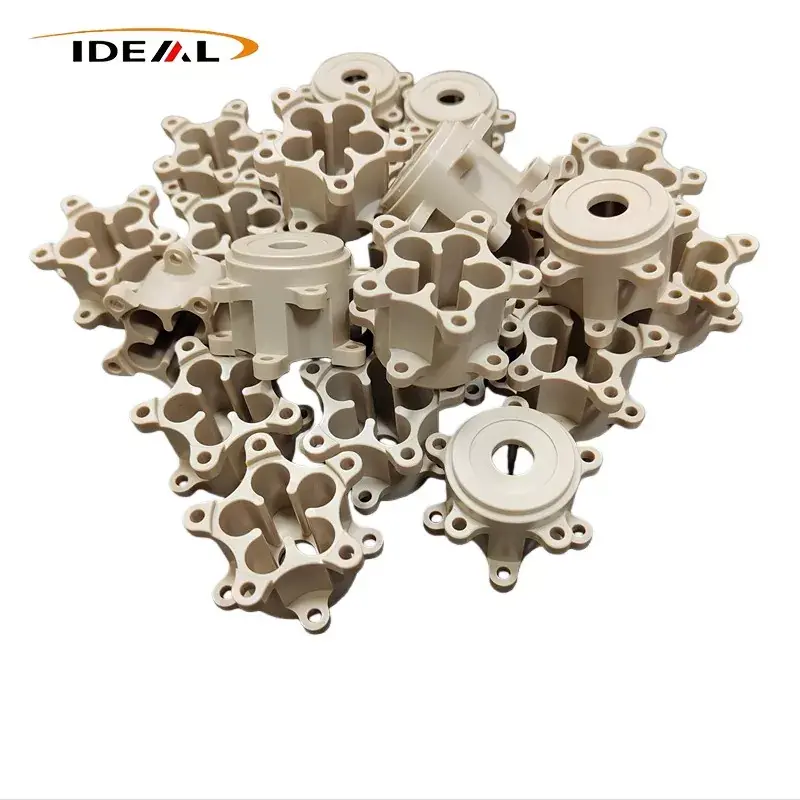
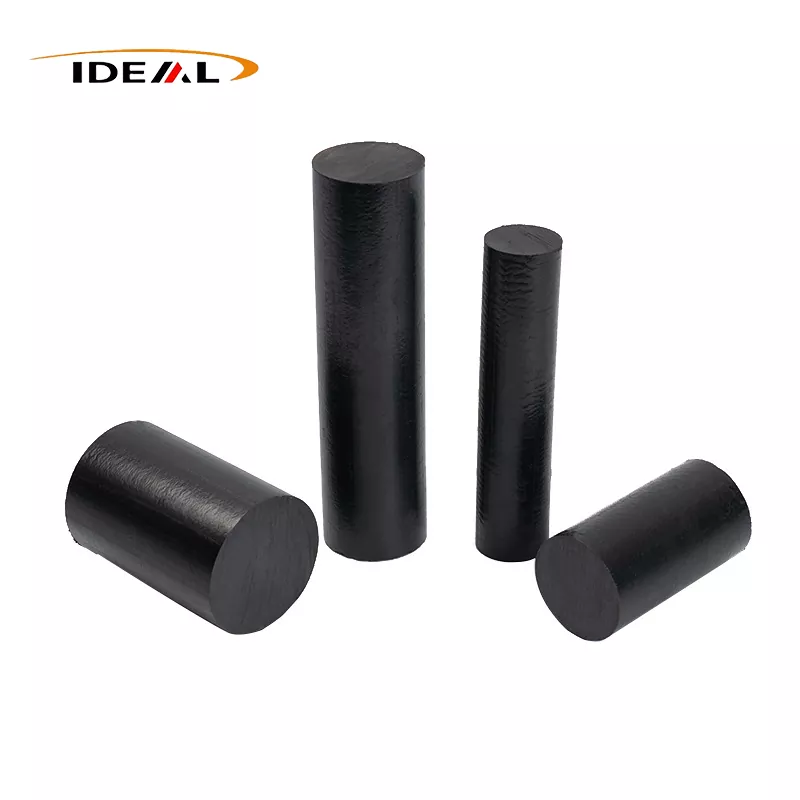
The main ingredients for making Custom PEEK products are PEEK resin and semi-finished profiles. PEEK is a special engineering plastic that can handle high heat. Its glass transition temperature is 143℃, and it melts at around 334℃. When you reinforce it with glass or carbon fiber, it gets even tougher—its heat deflection temperature under load can go up to 316℃. That means it can work just fine in 250℃ environments for long periods.
So, how do we producing Custom PEEK products? There are a few common ways: machining, injection molding, and compression molding. Each has its pros and cons, but here, let’s zoom in on PEEK injection molding.
For PEEK injection molding, we usually use molds made of H13 hot-work steel or martensitic stainless steel. The mold surface also needs a special treatment called nitriding—otherwise, it won’t hold up against the high pressure and heat from the melted PEEK. The runner system is designed with short, wide-tapered channels, and the sprue is often fan-shaped or submerged. Why? To reduce friction as the material flows and avoid breaking down the PEEK. Also, the mold’s cooling system has to be extra efficient—this helps the part cool faster and shortens production time.
PEEK doesn’t absorb much water—only about 0.5%—but you still have to dry it thoroughly before using it. We need to get the moisture content below 0.1%. Usually, that means drying at 150℃ for 3 hours, or 160℃ for 2 hours.
Pure PEEK flows pretty well when melted. The injection temperature depends on how thick or complex the part is. If we’re using glass-filled PEEK (usually 10%–30% glass fiber), it gets stronger and more stable, but it doesn’t flow as easily. It can also wear down equipment and cause uneven heating, so you have to mold it at a higher temperature than pure PEEK. Carbon fiber-reinforced PEEK is even stronger—it also conducts electricity and heat—but it’s trickier to work with. You have to control the temperature very carefully, and adjust it depending on how much carbon fiber is in the mix.
At GuangZhou Ideal, We have been producing Custom PEEK parts for 14 years.. PEEK is a high-temperature material, so its injection molds are totally different from those for regular engineering plastics. We’ve built up real know-how in developing PEEK molds and running injection molding processes. Over the years, we’ve helped thousands of customers, both locally and internationally, solving all kinds of technical issues and gaining a lot of hands-on experience along the way.
|
Product name |
PEEK products |
|
Material |
Pure PEEK, fiber-reinforced, abrasion-resistant |
|
Color |
Nature,black and custom color |
|
Size |
ODM/OEM/Drawing |
|
Tolerance |
According to customer requirements |
|
Forming method |
according to product shape and order quantity |
|
Minimum order quantity |
negotiation |
|
Lead time |
7-15 days |
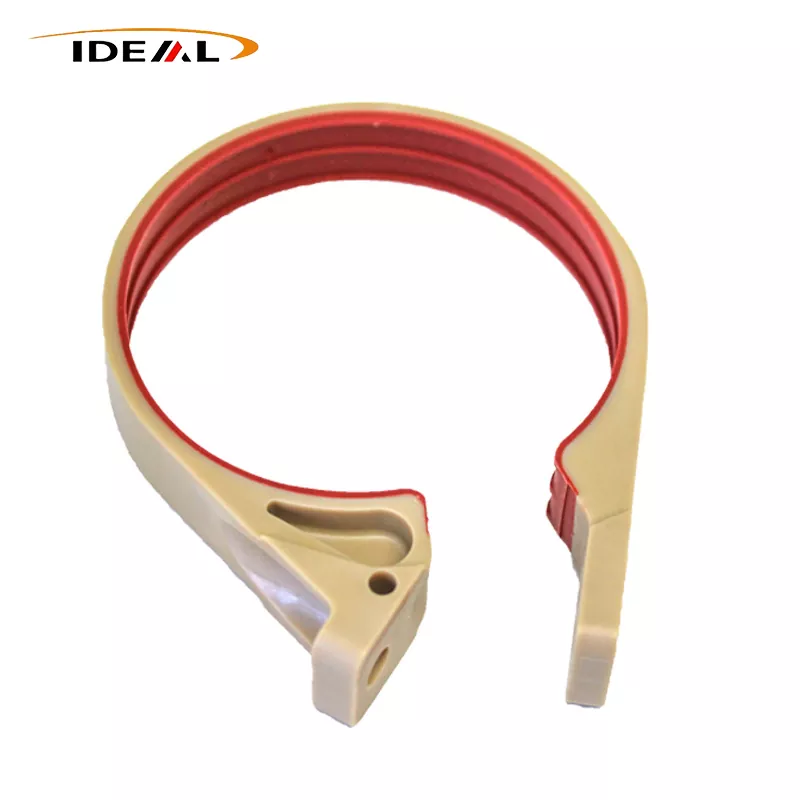
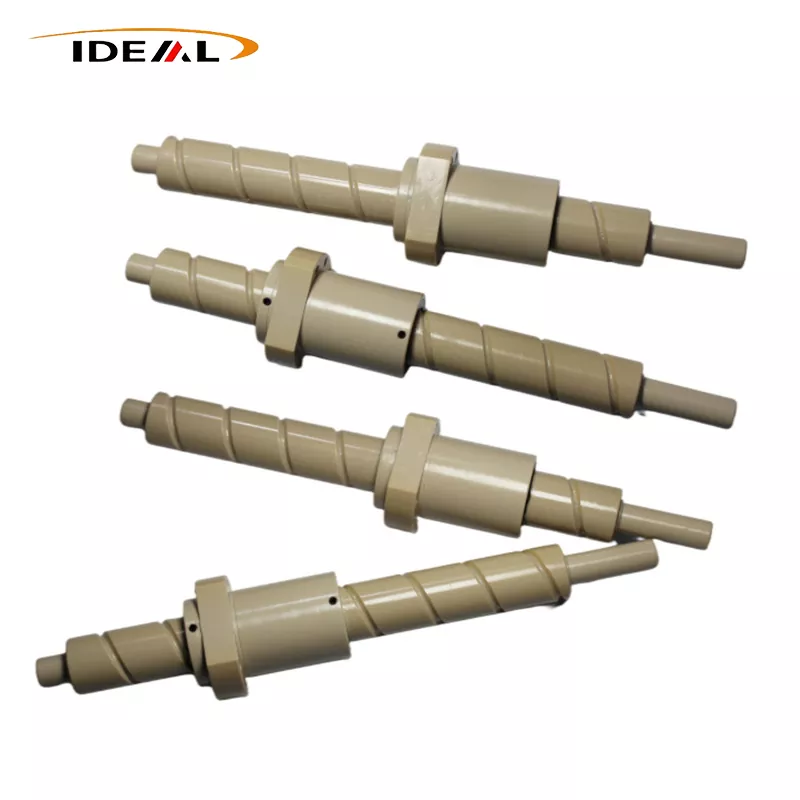
1.Great mechanical properties: Custom PEEK products material is seriously rigid. Here's why: its molecules are packed with lots of aromatic rings, making the structure super dense—like the molecules are pulled really tight. That makes it extra hard and resistant to bending. It can handle temperatures up to 315°C without warping, and even at 200°C, it keeps over 70% of its strength. So it won’t collapse or loosen up. That’s why PEEK is such a good fit for hot, high-stress situations where you need things to stay precise for a long time.
2.Pretty much immune to chemicals: Pure PEEK is the toughest in the PEEK family when it comes to chemical resistance. To put it simply, it takes 98% concentrated sulfuric acid to actually dissolve it—most other common chemicals don’t do a thing. It holds up well against all sorts of chemicals and is especially good with steam, so it doesn’t break down easily through hydrolysis. That makes it perfect for instruments that need repeated high-temperature sterilization.
3.So why is Custom PEEK parts self-lubricating? It’s all thanks to its molecular structure—it’s got benzene rings and oxygen atoms that help form a slick film on the surface when it rubs against something. That means less friction and better wear resistance. And this self-lubricating feature works way better than slapping on traditional lubricating oils.
4.can even reach UL94 5-V level. And if it does burn, it produces very little smoke, and way less toxic gas compared to other plastics.
1.Industrial Automation:
PEEK products material doesn’t conduct electricity, can handle heat, and stands up to harsh chemicals. That’s why it’s a popular choice in industrial automation for making small sensor parts—think housings, connectors, insulating rings, and stuff like that.
2.Energy Industry:
When it comes to moving oil and gas, PEEK plastic is a real go-to for pipes and fittings. Seals, valves, and pipe joints that need to handle both high pressure and high temps? Yeah, those are often made from PEEK.
3.Power Generation:
Inside power plants, you’ll often find PEEK plastic in important bits like insulating components, fan blade bearings, and bushings. It holds up against heat and corrosion, which helps equipment run smoother and last longer.
4.Coal & Steel:
Custom PEEK products can take the heat and doesn’t slack on strength. That makes it super useful in coal and steel plants for heat-resistant parts—like insulation pieces, seals, and refractory components inside steelmaking furnaces.
5.Semiconductor Industry:
PEEK plastic is great at insulating and doesn’t mess with signals much, even at high frequencies. That’s why it’s a top pick for things like high-frequency connectors and chip packaging. Definitely a smart choice for the semiconductor world.
6.Food Industry:
PEEK plastic also shows up a lot in food processing gear—conveyor belts, machine parts, seals, you name it. It handles high temperatures and frequent cleanings without a problem, so it’s both safe and tough.
For us at GuangZhou Ideal, nothing matters more than making sure Custom PEEK products is top-notch, right from the start.
That means we're always keeping an eye on and improving every step — from understanding what our customers need, to picking the best materials, to making sure our team has the right skills in R&D, tech, and production.
We want every customer to feel relaxed and confident when they work with us, from beginning to end.
Is the performance of your products reliable?
We use materials from well-known brands, both local and international. Every batch comes with its own test report, and our product performance is top-tier in the industry. If you want more detailed specs, we can send you the full product info.
How do you make sure the quality is good?
We have a complete quality control system and use advanced testing equipment and labs. There are staff checking every step—from raw materials to the final product—so customers always receive high-quality items.
What certifications do your products have?
Our company is certified with ISO9001:2008 for quality management. Our products also have SGS, CE, and RoHS certifications, and meet environmental standards like REACH, EN71, and others.
What kind of production equipment do you use?
Our factory is equipped with professional machinery like large profile production lines, various CNC machines, CNC machining centers, as well as 4-axis and 5-axis machining centers, engravers, and laser cutting equipment. The injection molding workshop is dust-free and meets a 100,000-class cleanroom standard.
What’s the minimum order quantity?
For semi-finished profiles, we accept single orders. For custom parts, we’d need to discuss based on the processing method and product size.
How do you handle payment?
We ask for a deposit before production begins. The remaining balance is due once the products are finished. As soon as we receive the final payment, we’ll arrange shipment. You can pay through our HSBC Hong Kong account or via a freight forwarder.