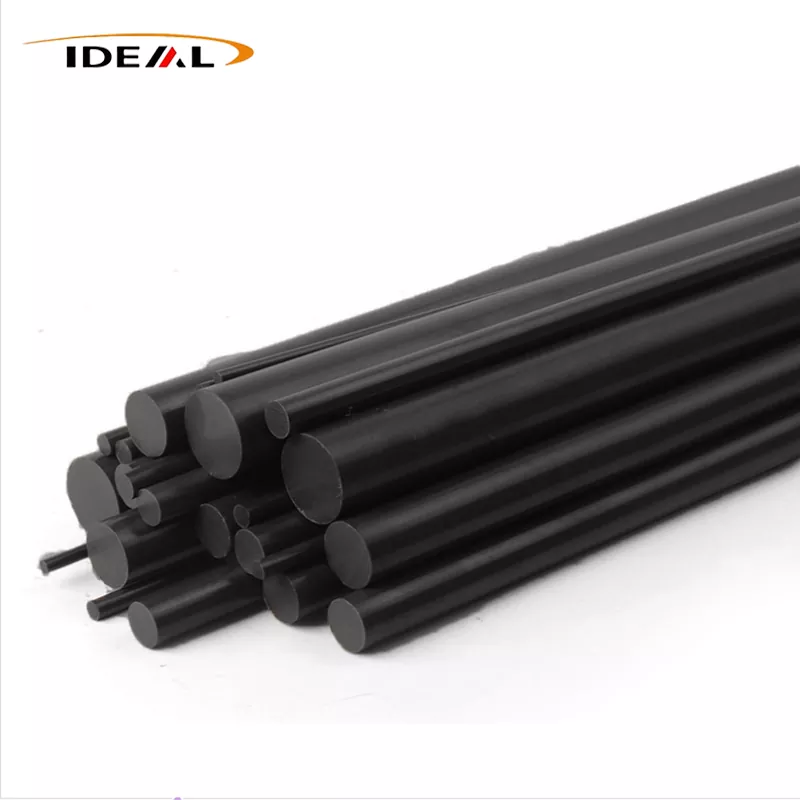
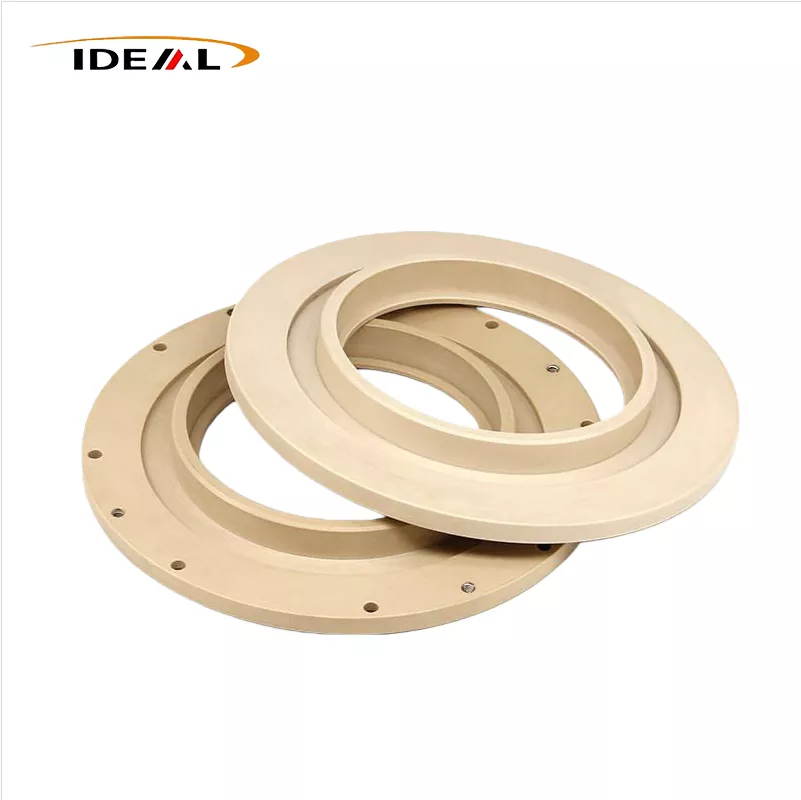
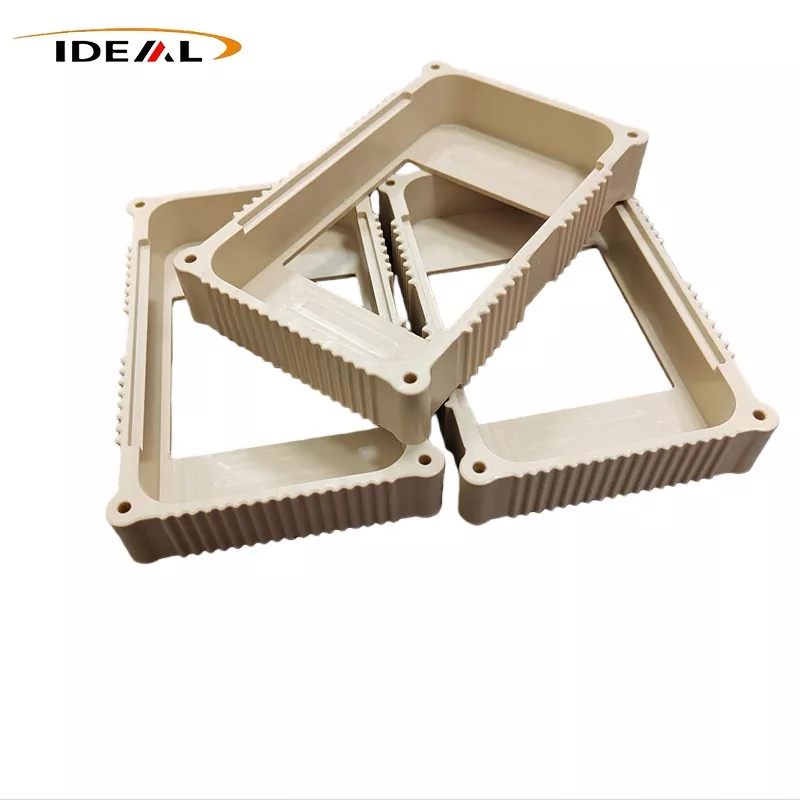
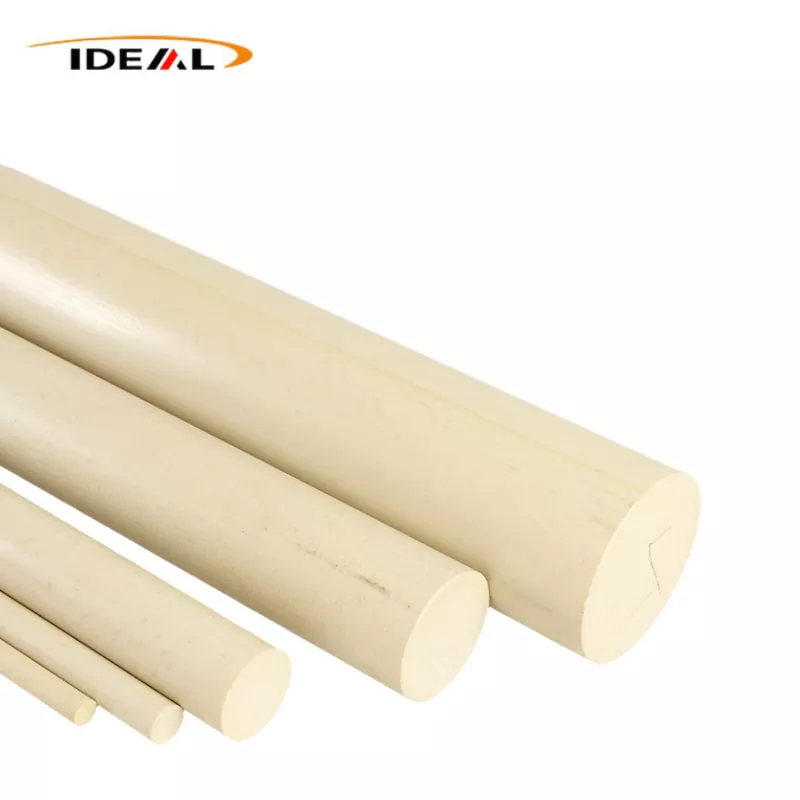
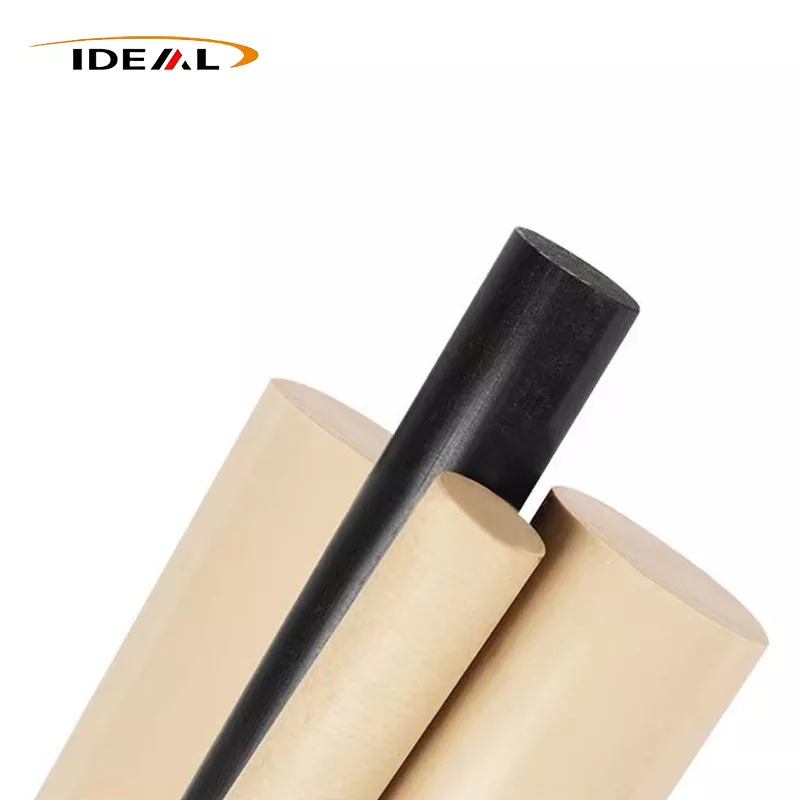
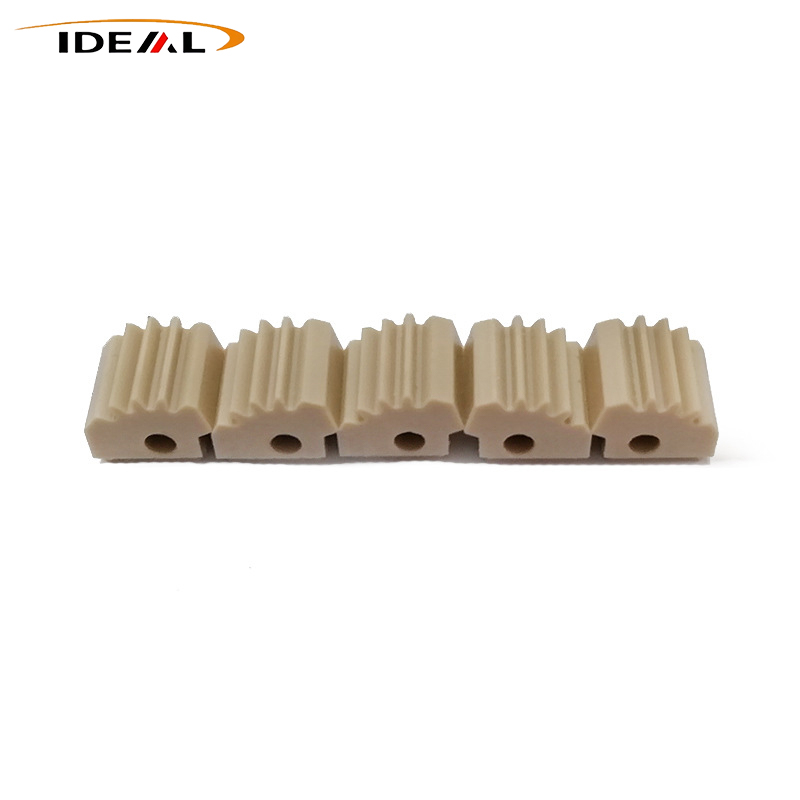
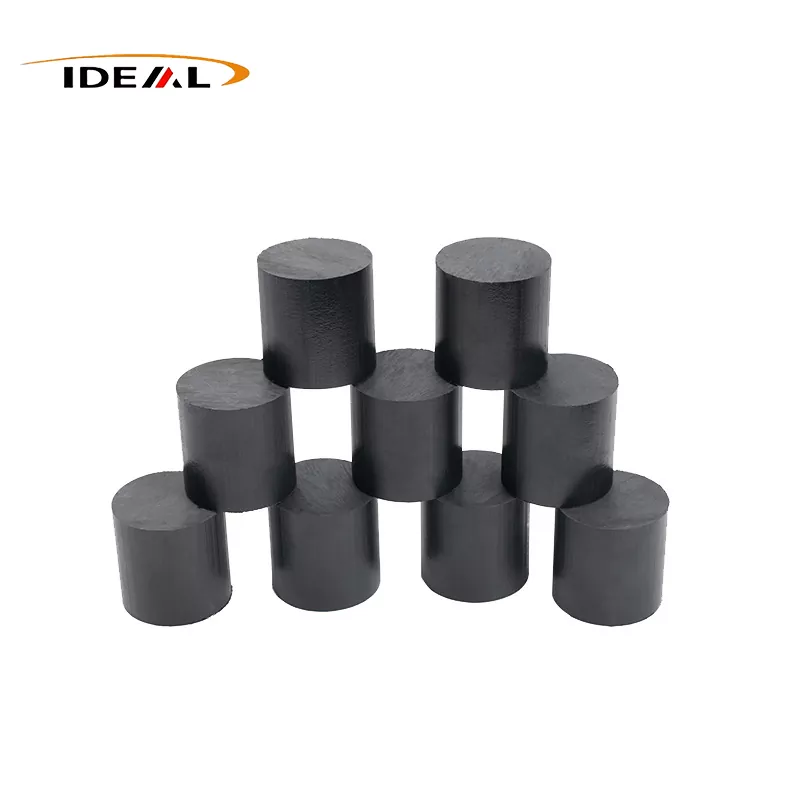
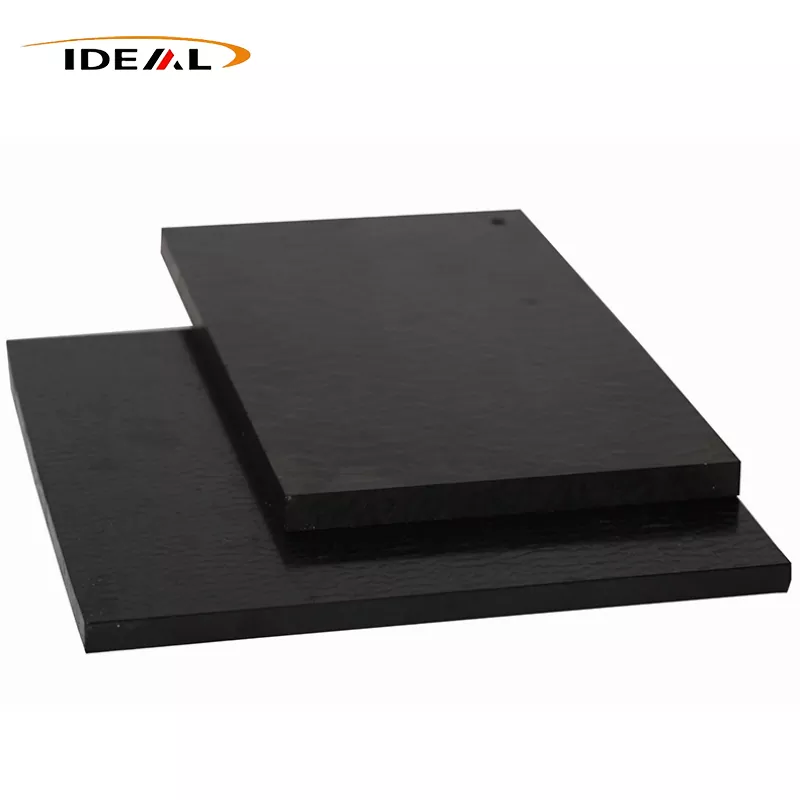
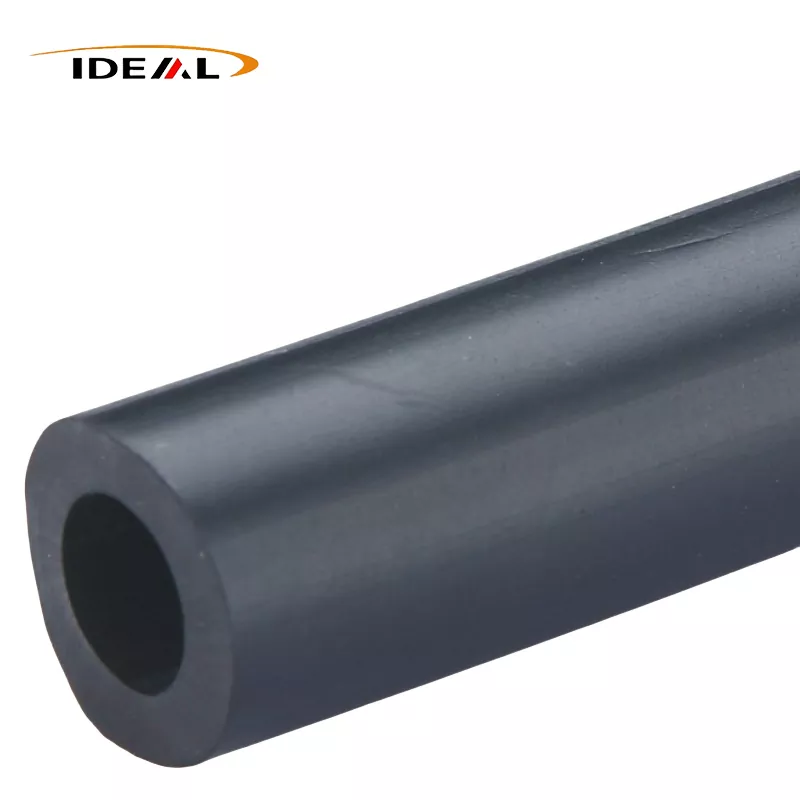
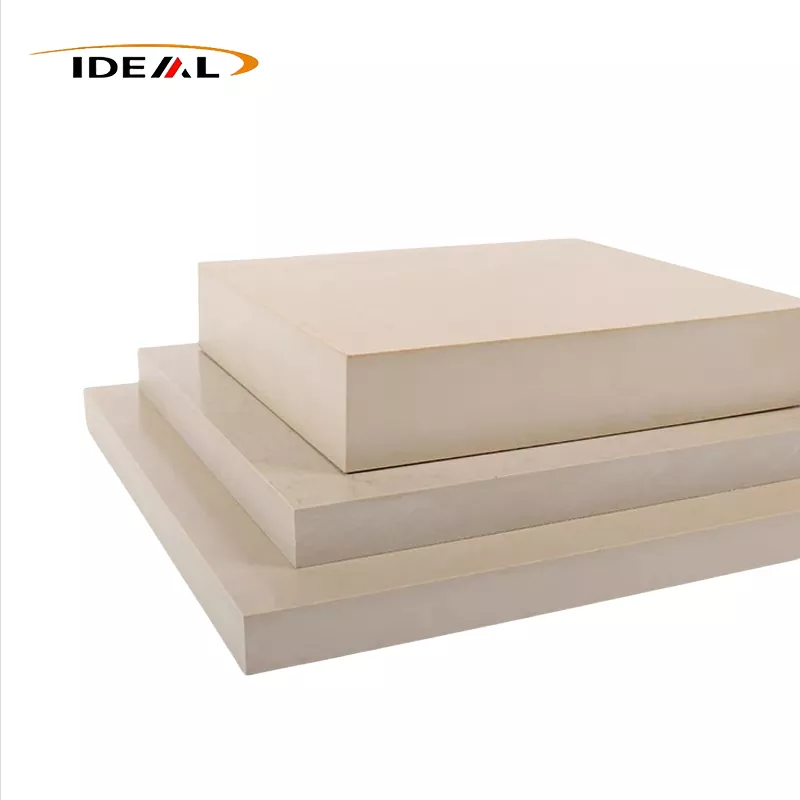
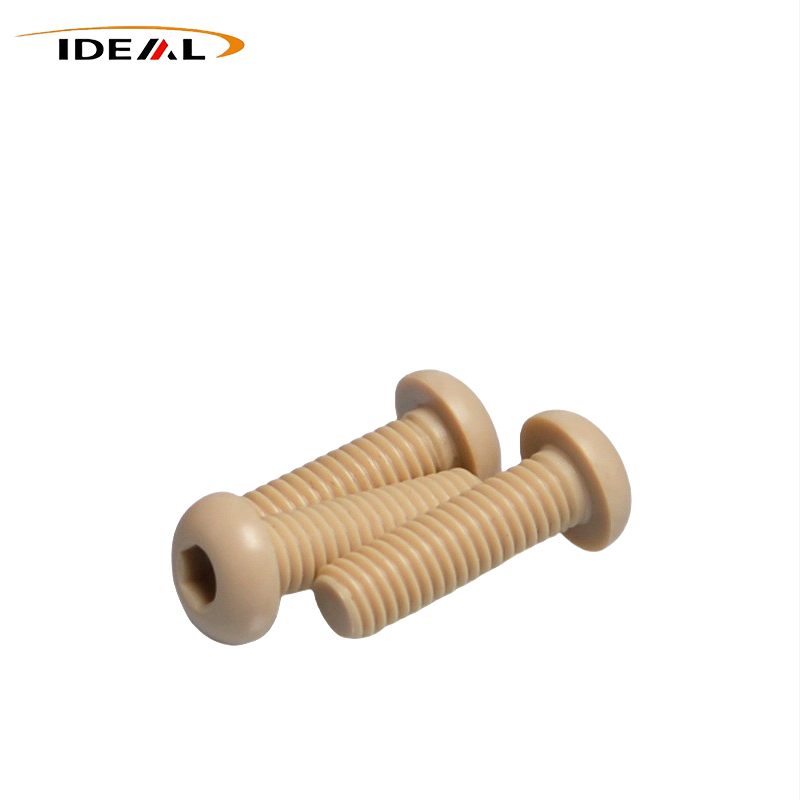
Carbon fiber reinforced PEEK rod

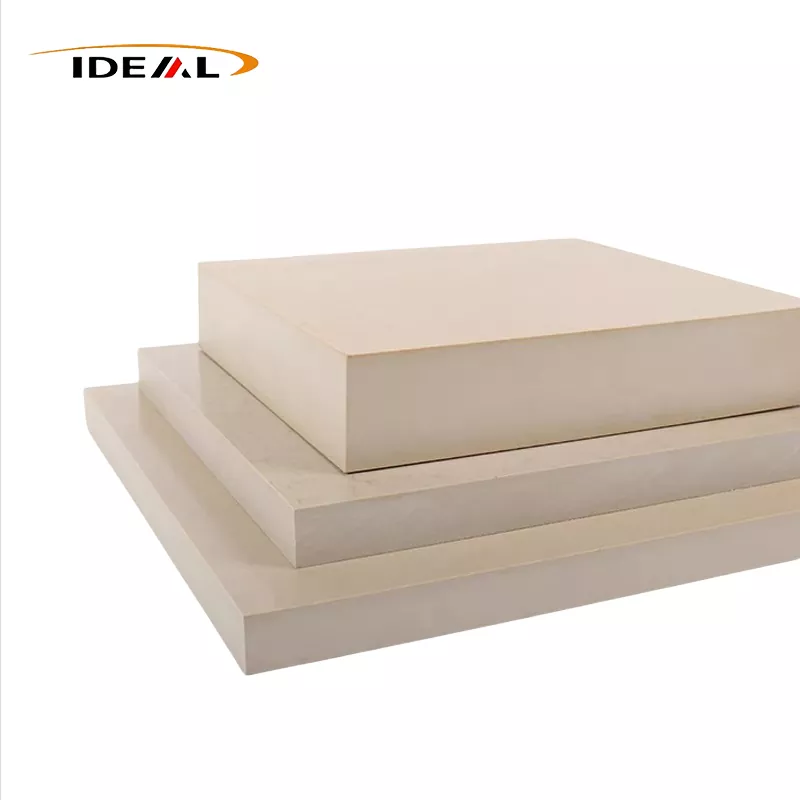
The carbon fiber reinforced PEEK rod is a premium engineering thermoplastic solution that bridges the gap between high-temperature polymer performance and metal-like stiffness. This advanced material is designed for critical applications in aerospace, oil & gas, medical devices, and semiconductor manufacturing where dimensional stability under load and chemical resistance are non-negotiable. Our product portfolio covers the full spectrum of reinforced PEEK rods to match your exact design requirements. For baseline electrical insulation and purity, our PEEK rod offers outstanding chemical inertness and steam resistance. When applications call for improved strength and lower thermal expansion, Glass Fiber Filled PEEK Rods deliver excellent cost-performance balance. For the highest rigidity and wear resistance in sliding components, Carbon fiber Filled PEEK Rods minimize creep and enhance thermal conductivity. Structural parts exposed to dynamic loads often benefit from Glass fiber reinforced PEEK rod, which combines toughness with dimensional stability. The carbon fiber reinforced PEEK rod is specifically engineered to provide a 3–4× increase in flexural modulus compared to unreinforced PEEK while retaining exceptional chemical resistance up to 260°C.


Every Carbon fiber reinforced PEEK rod we supply undergoes rigorous quality inspection including ultrasonic testing and dimensional verification per ASTM D6262. The material is produced from virgin Victrex™ or Solvay™ PEEK polymer loaded with 30% high-modulus carbon fiber by weight, ensuring uniform dispersion and isotropic mechanical properties throughout each rod. Standard diameters range from 6 mm to 100 mm with a length tolerance of +0.5/–0 mm, and custom sizes are available upon request. The continuous service temperature of 260°C makes these rods ideal for downhole connectors, test sockets, and high-load structural insulators that must maintain clamping force and alignment in hot, corrosive environments. Low outgassing and USP Class VI biocompatibility also open opportunities in sterile medical instrument components and pharmaceutical processing machinery.

  • Material: 30% carbon fiber reinforced PEEK (CF30)
  • Color: Black
  • Diameter range: 6 mm – 100 mm (standard); up to 150 mm available
  • Length: 1000 mm, 3000 mm, or cut-to-length upon request
  • Operating temperature: –50°C to +260°C (continuous); +300°C short-term
  • Compliance: ASTM D6262, RoHS, REACH, USP Class VI
PropertyTypical ValueUnitTest Method
Density1.41g/cm³ISO 1183
Tensile Strength at Break220MPaISO 527
Tensile Modulus26GPaISO 527
Flexural Strength330MPaISO 178
Flexural Modulus21GPaISO 178
Compressive Strength200MPaISO 604
Izod Impact Strength (notched)8kJ/m²ISO 180/A
Heat Deflection Temperature (1.8 MPa)320°CISO 75
Coefficient of Linear Thermal Expansion (CLTE)15µm/m·°CISO 11359

Hot Products

  • Carbon Fiber Reinforced PEEK Rods

    Carbon Fiber Reinforced PEEK Rods

    Ideal Plastic is a China manufacturer and supplier of Carbon Fiber Reinforced PEEK Rods, providing high-performance PEEK materials designed for applications requiring high strength, stiffness, wear resistance and dimensional stability. With a diameter range of 5mm-300mm and tolerance of ±0.02mm, these rods are suitable for precision components in industries including mechanical equipment, petrochemical, semiconductor and precision instruments.
  • PEEK Machining Products

    PEEK Machining Products

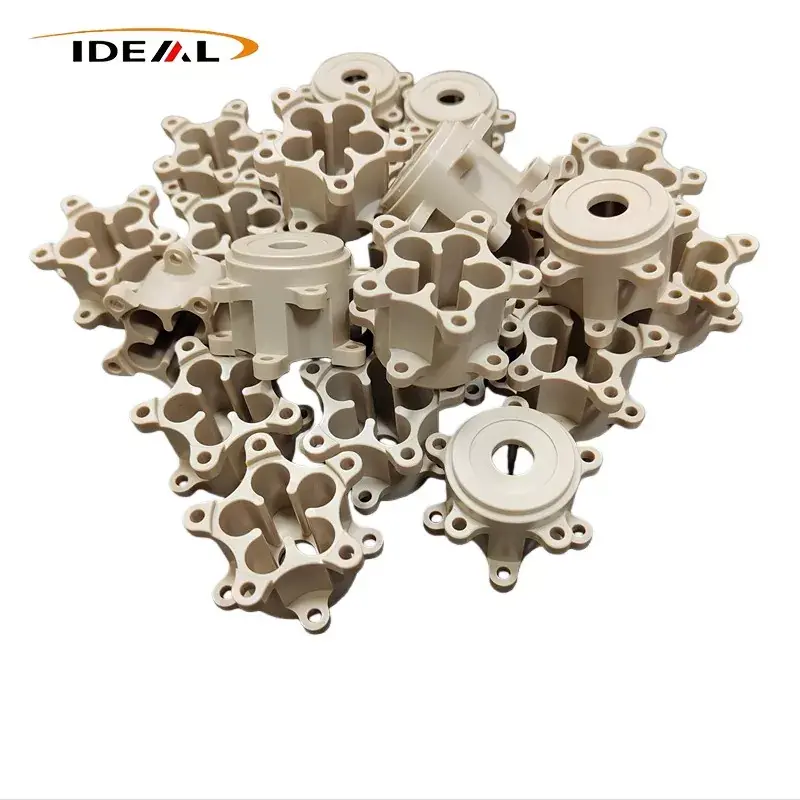
    PEEK machining products is a product made from PEEK plastic and manufactured using different machine tools. Think of PEEK as the “all-round champion” of special engineering plastics—it’s got really well-rounded performance. A lot of its strength comes from its molecular design: the chemical structure is built with alternating benzene rings, ether bonds, and ketone groups. This makes the material both rigid and stable, so it handles heat well and has high mechanical strength. When you reinforce it with carbon fiber or glass fiber, its heat resistance and strength get even better. That’s why it’s considered a top-tier material among semi-crystalline polymers, especially useful in tough environments with high demands.
  • Machined PEEK Parts

    Machined PEEK Parts

    The PEEK material we use to make Machined PEEK parts here at GuangZhou Ideal comes from well-known suppliers, both local and international.So, PEEK—that’s short for polyetheretherketone—is a top-tier plastic with some really impressive qualities. It’s seriously tough and built to last. It doesn’t react easily with other chemicals and can handle really high temperatures without a problem. That means it works even in super harsh conditions.And the reason it’s so good? It all comes down to its special molecular structure.
  • PEEK GF30 Rods

    PEEK GF30 Rods

    Ideal Plastic is a China manufacturer specializing in high-performance engineering plastic materials. Our PEEK GF30 Rods are reinforced with 30% glass fiber to provide improved stiffness, wear resistance, dimensional stability, and mechanical performance for demanding industrial applications. With more than 14 years of technology accumulation, Ideal Plastic provides reliable PEEK solutions with mature production technology, strict quality control, and free sample support.
  • Polyetheretherketone PEEK Rod

    Polyetheretherketone PEEK Rod

    Let me tell you about our Polyetheretherketone PEEK rod at GuangZhou Ideal. We start with top-grade PEEK resin—sourced from both local and international suppliers—and extrude it into the final product. So what is PEEK exactly? It’s a semi-crystalline thermoplastic, meaning its molecular chains are built with aromatic rings and ether bonds lined up one after another. That special structure gives it a great balance of flexibility and stiffness, plus standout performance. That’s why it really shines among engineering plastics.
  • PEEK Pinion Gears

    PEEK Pinion Gears

    Ideal Plastic high-performance PEEK Pinion Gears are small‑module driving gear for high‑end precision transmission systems. As the core power‑input component of gear assemblies, it commonly mates with larger gears, worm gears and helical gears for speed reduction, speed increase and precision positioning. Mini‑size pinion gears face frequent meshing cycles, demanding superior wear resistance, fatigue resistance and dimensional stability.

Send Inquiry