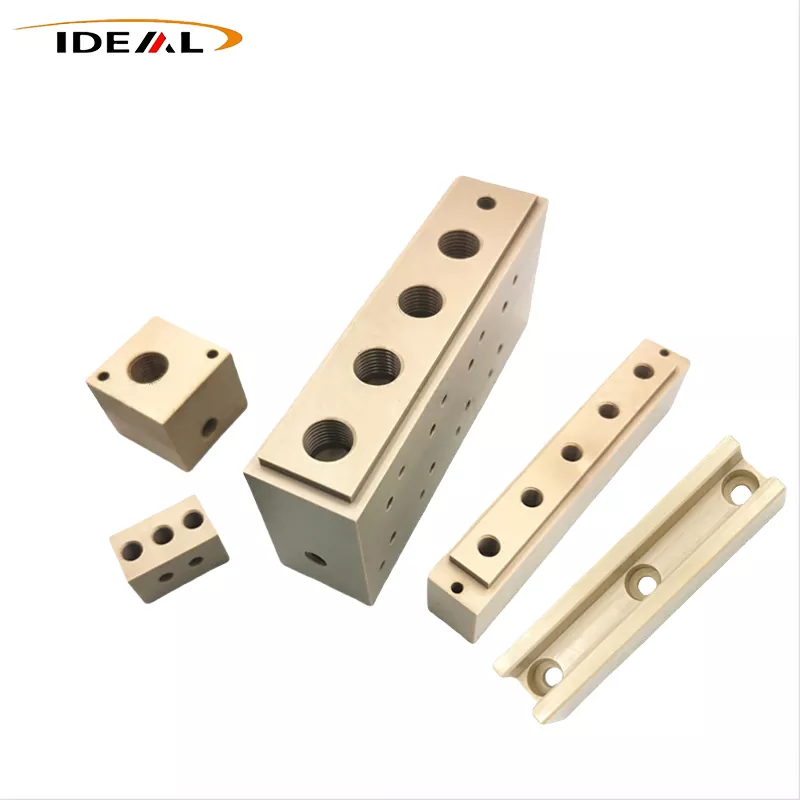
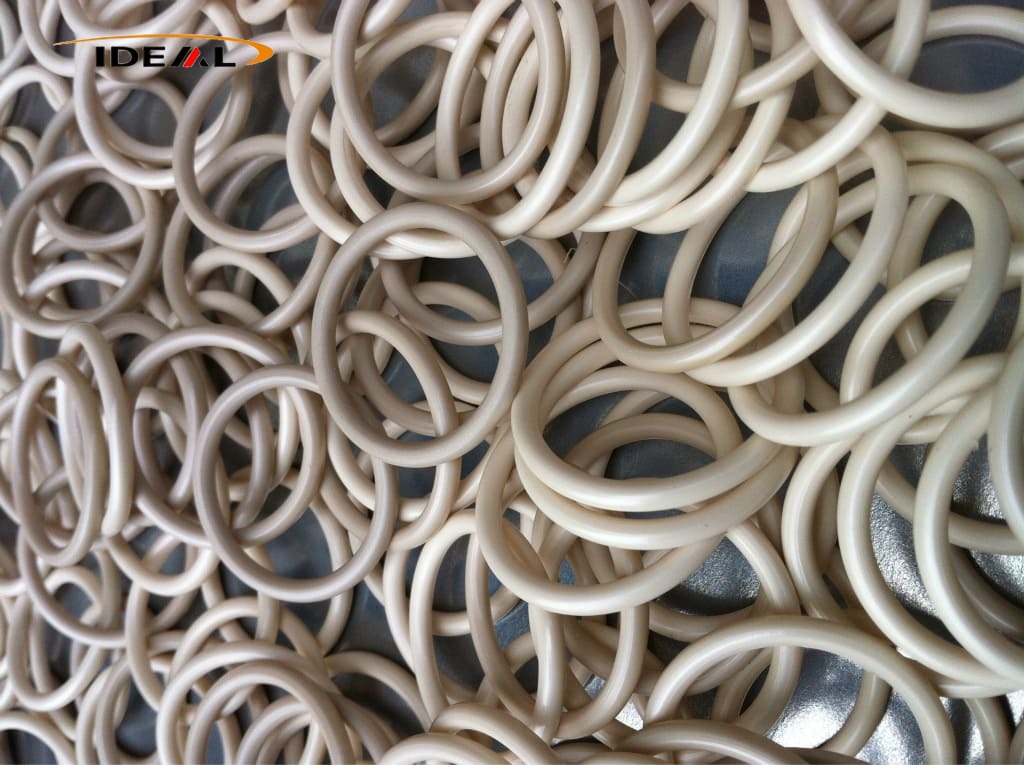
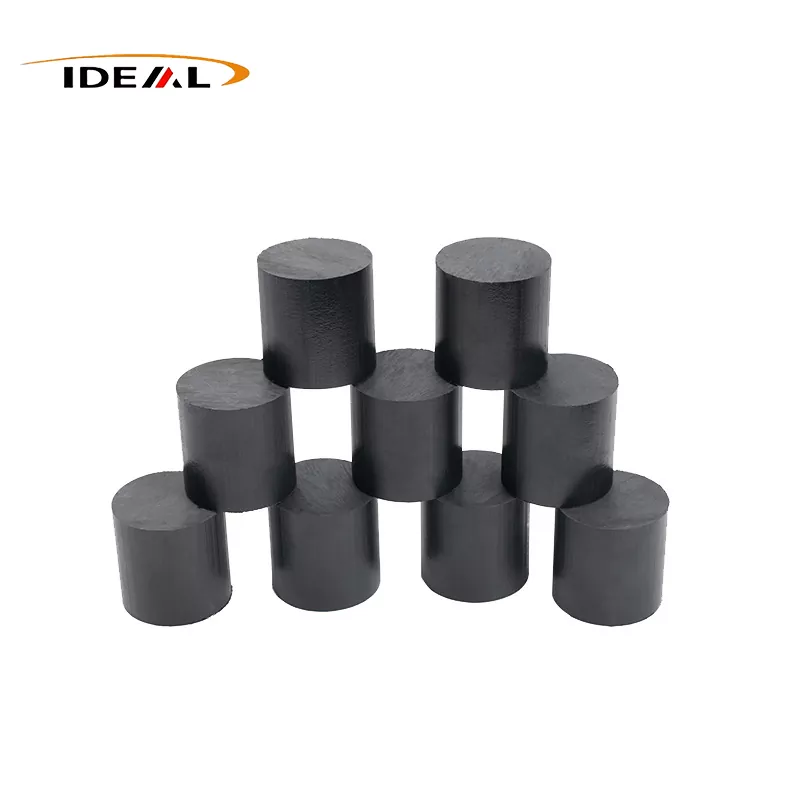
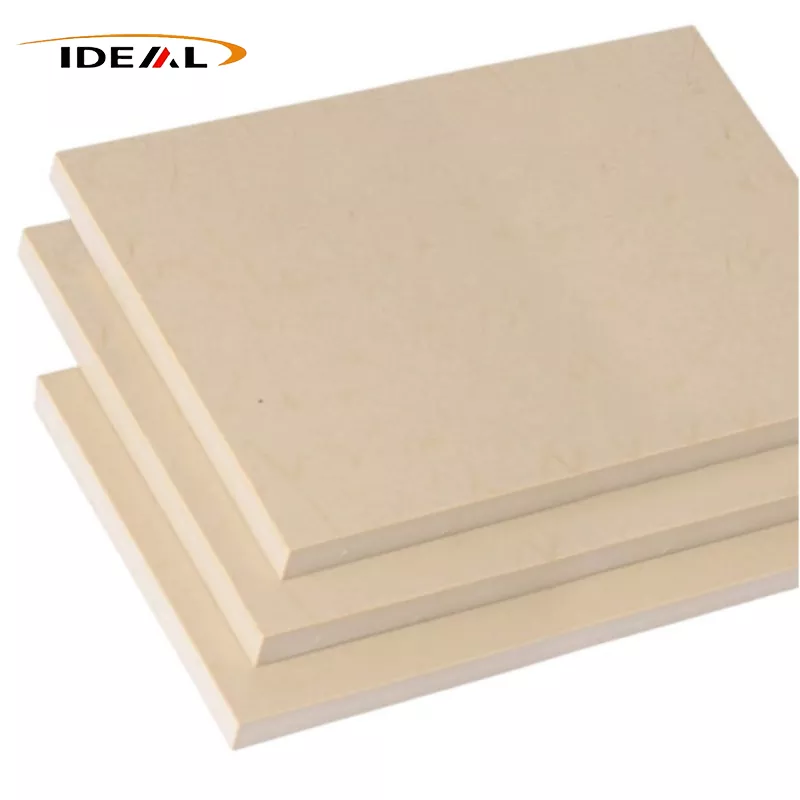
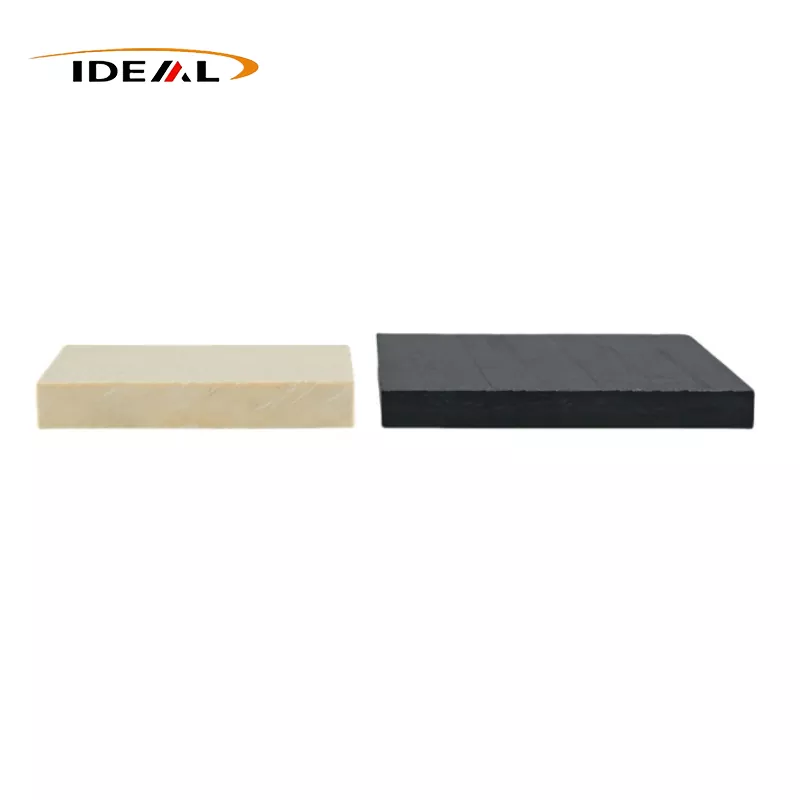
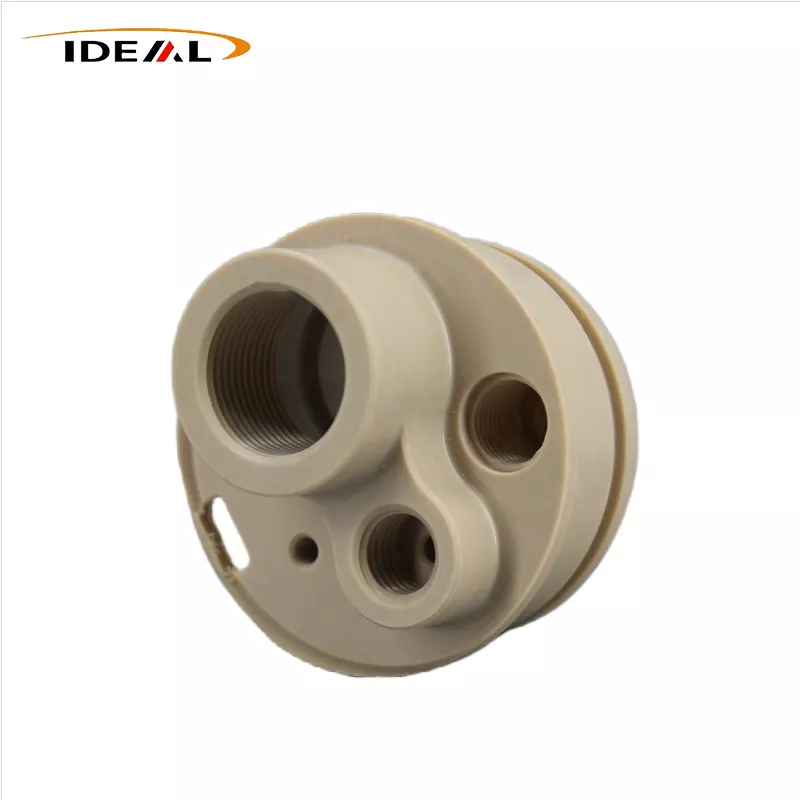
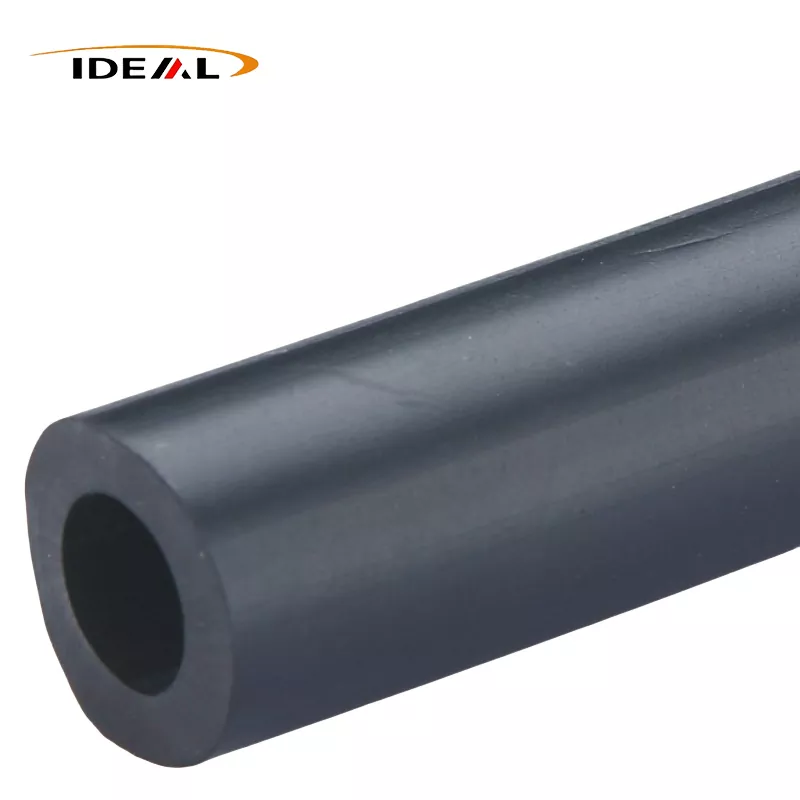
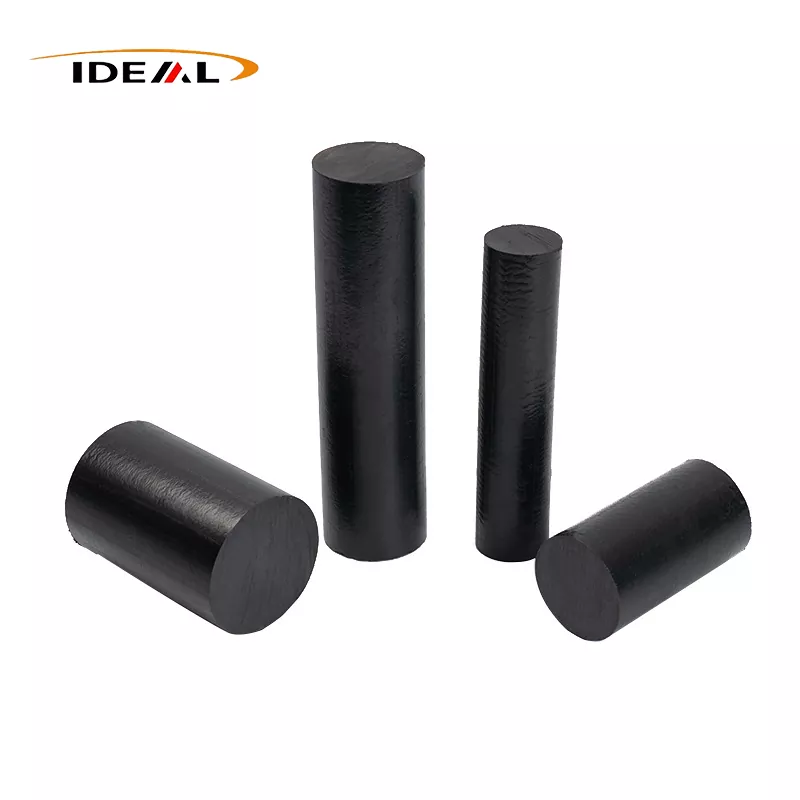
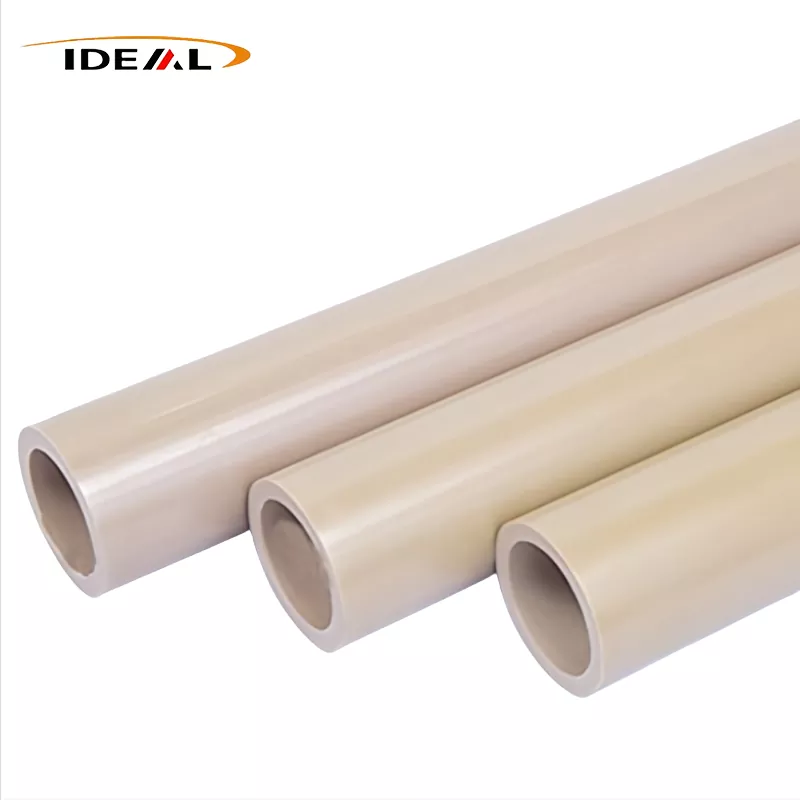
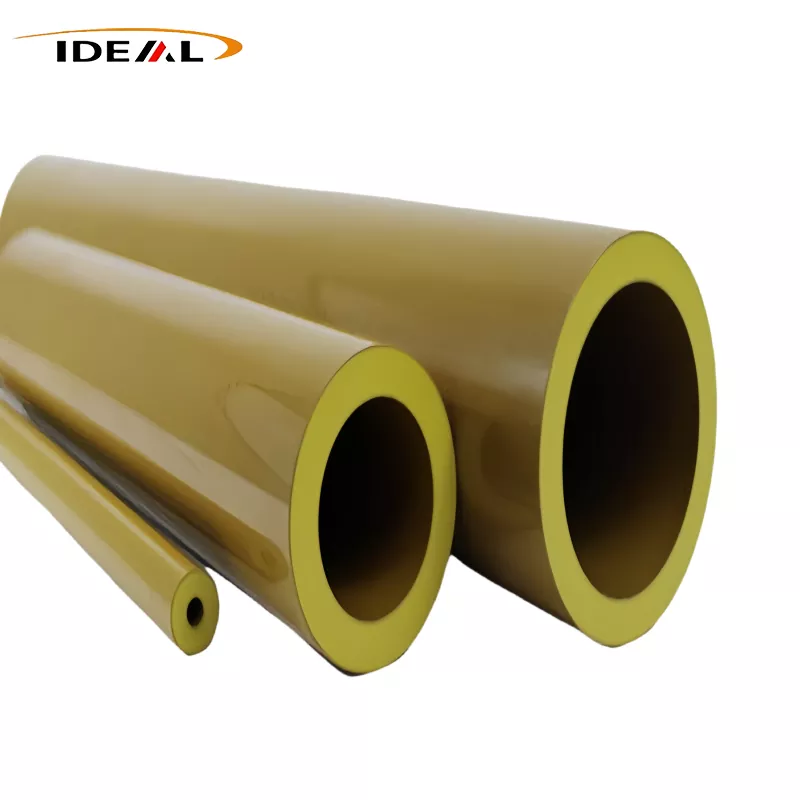
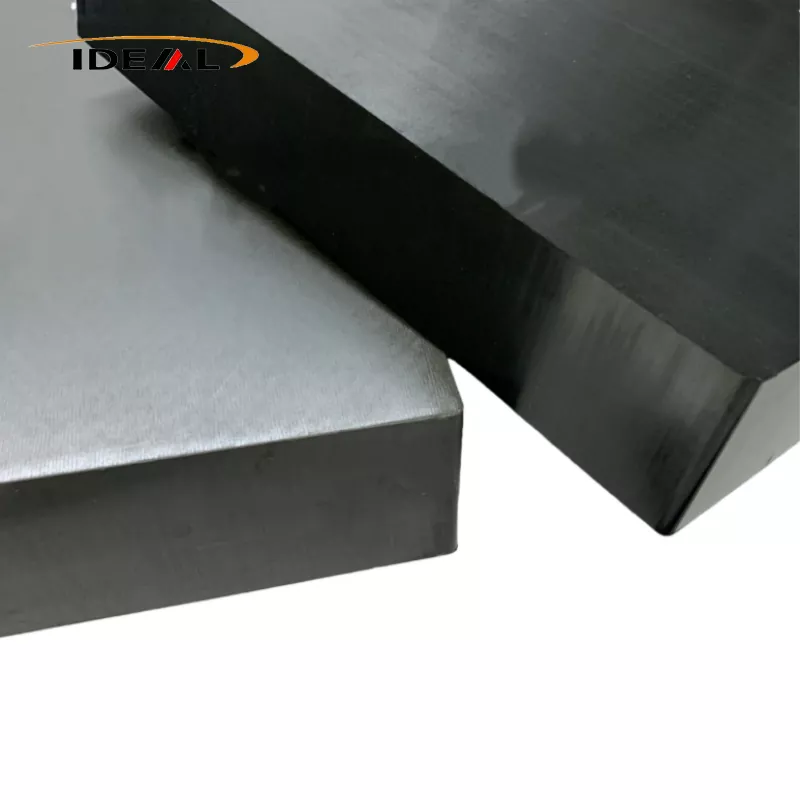
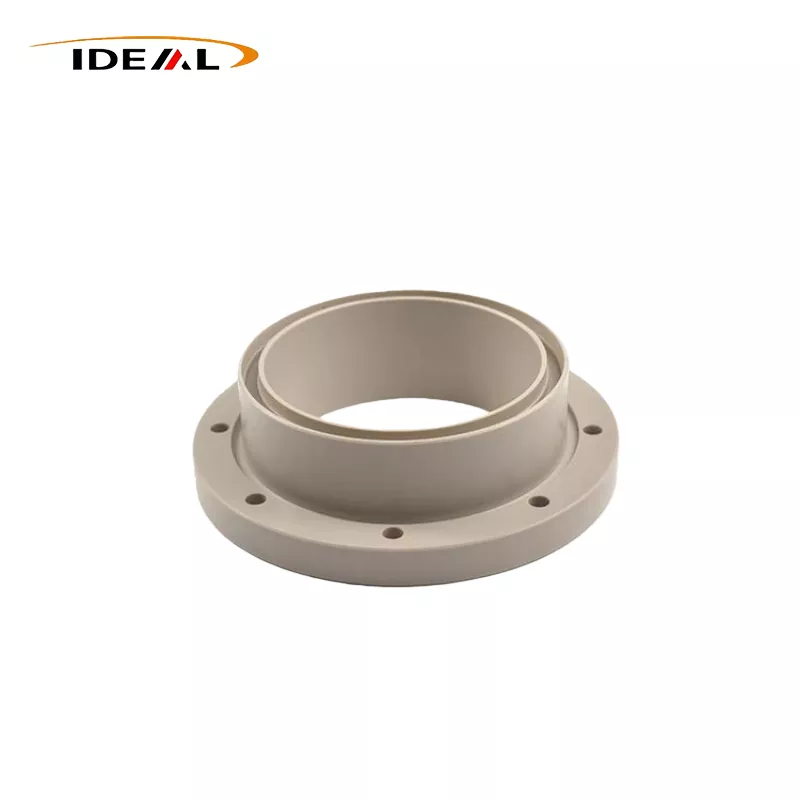
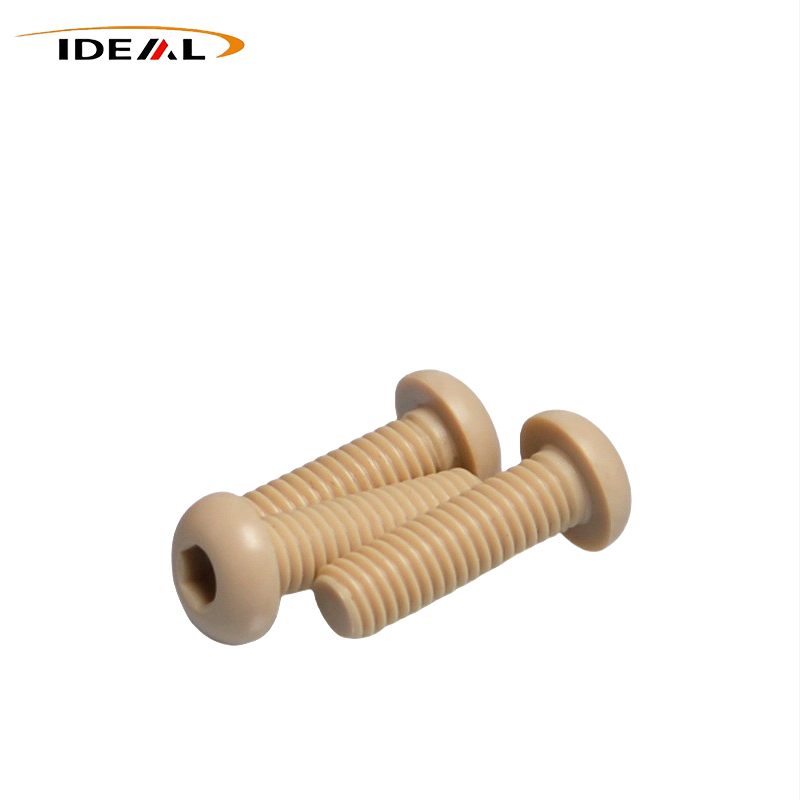
Ideal Plastic, a trusted China supplier, manufactures Injection-molded PEEK parts using premium polyetheretherketone raw materials and refined injection molding processes. Each component retains PEEK’s signature mechanical stability, and our in-house mold engineering team works closely with industrial buyers to resolve typical molding challenges. This combination of material performance and process control makes these molded assemblies suitable for high-temperature, high-wear applications across multiple industrial sectors.
Material Foundation and Core Function
Injection-molded PEEK parts belong to the family of polyaryletherketone high-performance specialty plastics. The injection molding method melts the PEEK resin, injects the molten material into precision tooling, then cools and solidifies to form finished components. This manufacturing route excels for mass production of intricate shapes with tight dimensional requirements, balancing reliable mechanical properties and efficient material utilization.
The base PEEK material delivers a balanced set of properties that distinguish it from standard engineering plastics. The molded parts maintain strength under continuous heat, resist most chemical solvents, offer low friction and good impact resistance, and remain stable even under repeated cyclic loading. Different filler grades can be selected to adjust performance profiles according to project demands.
1. Unfilled PEEK: Provides balanced toughness and chemical resistance, ideal for general high-temperature structural components.
2. Glass Fiber Reinforced PEEK: Raises rigidity and heat deflection temperature for load-bearing static applications.
3. Carbon Fiber Reinforced PEEK: Improves wear performance and reduces thermal expansion for dynamic moving parts.
4. Bearing grade PEEK: Optimized for low friction, suited for bearings and sliding contact surfaces.
Key Performance Characteristics
High and low temperature stability: Unfilled PEEK maintains continuous service at 260°C and survives short peaks of 300–310°C, preserving roughly 90% of its mechanical strength at elevated temperatures. At -40°C, the material does not turn brittle, so parts function reliably in environments with wide temperature swings. Glass fiber filled grades reach heat deflection temperature up to 316°C and sustain long-duration exposure at 315°C.
Impact and fatigue resistance: Pure PEEK has impact strength between 60–80 kJ/m². Reinforced variants trade a small amount of impact resistance for higher stiffness, yet still outperform many competing engineering plastics. The material withstands repeated cyclic loading without rapid fatigue failure, making it suitable for continuously moving machinery assemblies.
Tribological and electrical properties: The low friction coefficient reduces sliding wear and heat generation in gears and bearing inserts. Volume resistivity sits in the range of 10¹⁵–10¹⁶ Ω·cm, with dielectric constant 3.2–3.3 F/m and dielectric loss 0.0016 at 1kHz. Breakdown voltage reaches 17 kV, delivering dependable electrical insulation under heat and humidity.
Flame and chemical resistance: PEEK is inherently self-extinguishing, a critical safety feature for aerospace and electronics applications. It resists attack from many acids, alkalis and organic fluids, avoiding swelling or degradation when exposed to common industrial chemicals.
Molding Process Control and Defect Mitigation
PEEK injection molding is technically demanding because the high melting temperature and shrinkage behavior create risks such as warping, bubbles, sink marks, black specks, flow marks and surface streaks. Our factory has accumulated extensive practical experience addressing these defects during mold testing and serial production.
Warping arises mainly from uneven shrinkage as the molded part cools. Our engineers adjust mold geometry, gate placement, cooling channel layout and injection parameters to balance shrinkage rates across the component. This process refinement minimizes twisting and distortion after ejection.
1. Mold design optimization: Gate position, wall thickness transitions and venting are engineered to promote uniform melt flow and consistent cooling.
2. Process parameter tuning: Melt temperature, injection speed, holding pressure and cooling time are calibrated for each unique part geometry.
3. Raw material preparation: Proper drying before molding reduces trapped moisture that causes bubbles and surface blemishes.
4. Post-mold inspection: Dimensional checks and surface reviews catch cosmetic or functional defects before batch shipment.
Our ten-year track record developing thousands of PEEK injection molds means we can anticipate common failure modes early in the project, rather than correcting problems only after mass production begins. This disciplined process control ensures consistent quality for Injection-molded PEEK parts across production runs.
Technical Specification Table
|
Product name |
PEEK injection moulding part |
|
Material |
Unfilled peek, Glass Fiber Reinforced PEEK, Carbon Fiber Reinforced PEEK, bearing grade peek |
|
Size |
Custom |
|
Tolerance |
According to customer requirements |
|
Certificates |
ISO9001:2008, REACH, ROHS |
|
Mold development cycle |
10-20 days |
|
Mold lifespan |
600000-800000 mold cycles |
|
Minimum Order Quantity (MOQ) |
Negotiated decision |


Industry Applications and Use Cases
Injection-molded PEEK parts are selected when conventional plastics or even many metals cannot survive the service environment. Each industry leverages a different subset of PEEK’s advantages.
Aerospace projects choose these molded components for lightweight high-temperature assemblies that reduce aircraft weight while maintaining safety margins. Automotive and new energy systems use them for transmission and electrical insulation components exposed to heat and vibration. Conveyor and general machinery deploy PEEK gears, bearing sleeves and wear strips to lower downtime from component replacement. Energy and AI equipment benefit from the stable insulation and low outgassing properties of properly molded PEEK.
The common thread across these sectors is the need for repeatable precision. Injection-molded PEEK parts deliver consistent geometry across large production batches, which is essential for OEMs and system integrators.
Manufacturing Infrastructure and Team Expertise
Ideal Plastic maintains the equipment and controlled environment required for consistent production of high-performance molded plastic components. Our production setup combines multi-axis CNC equipment, machining centers, laser cutting tools and a 100,000-class dust-free injection molding workshop.
1. Precision machining tools: CNC and five-axis machining centers handle secondary finishing for complex molded geometries and tight tolerance requirements.
2. Controlled clean production area: The dust-free workshop reduces surface contamination and embedded impurities during molding, supporting high-purity applications.
3. In-house mold development: Our engineering team designs and tests PEEK molds internally, shortening lead times and simplifying design revisions.
4. Batch quality verification: Each production lot undergoes dimensional and surface inspection before release.
Custom Process, Packaging and Delivery
We support custom development based on customer drawings or physical samples, rather than only offering standard off-the-shelf stock shapes.
Custom Drawing and Sample Workflow
We accept common CAD formats including STEP, STP, STL, IGS, IGES, PRT, SLDPRT, SAT and X_T. If customers supply a physical sample, our team measures and digitizes the geometry to replicate or optimize the part. We can also collaborate on structural optimization for manufacturability.
Packaging and Shipping
Finished Injection-molded PEEK parts are packed with protective materials to prevent scratching or deformation in transit. Carton or pallet packaging options are available depending on order size and customer requirements. Lead time varies: stocked profiles ship quickly after payment, while custom molded items depend on mold development and order quantity.
Frequently Asked Questions
Q: What customization can I request?
A: You may submit 2D or 3D CAD files in standard formats, or send physical samples for reverse engineering. Our engineers can adjust wall thickness, material grade and feature geometry to suit your assembly constraints. We can develop a new mold or modify an existing tool according to your specifications.
Q: Is there a fixed minimum order quantity?
A: Semi-finished PEEK profiles can be supplied in single-piece quantities. For custom molded parts, MOQ is discussed individually based on part complexity, material grade and mold investment.
Q: Can I request samples for material validation?
A: Stock semi-finished profiles are available as free samples; customers cover shipping costs. The material and performance of mass-produced Injection-molded PEEK parts will match the approved sample.
Q: What payment terms are available?
A: We work with deposit + balance before shipment. Payments can be directed to our HSBC Hong Kong account or arranged via your freight forwarder.
Q: How long will production take?
A: In-stock profiles ship after payment confirmation. Custom molded orders depend on mold development time, part complexity and total quantity, and we will provide a timeline quotation once drawing review is complete.
Q: What material grades are available for molded PEEK?
A: We offer unfilled, glass fiber reinforced, carbon fiber reinforced and bearing grade PEEK for injection molding. Our engineers will recommend the best grade after reviewing your temperature, load and wear requirements.