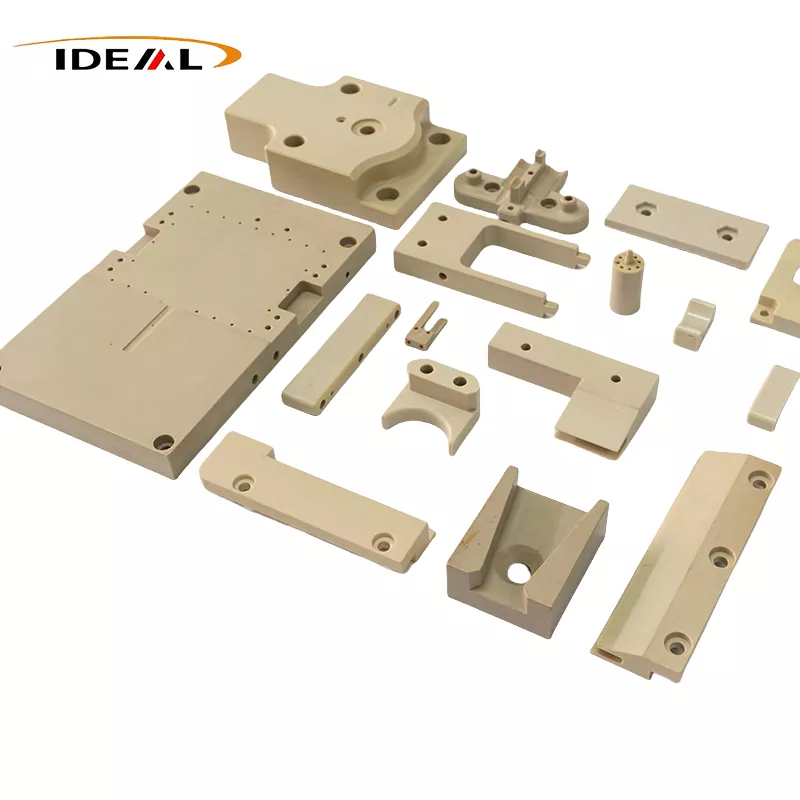
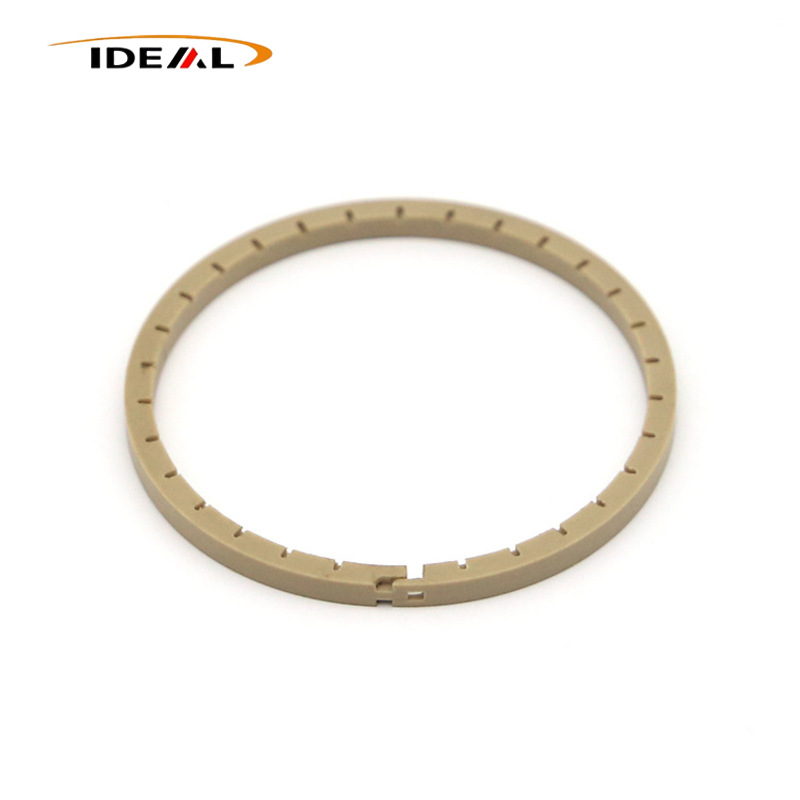
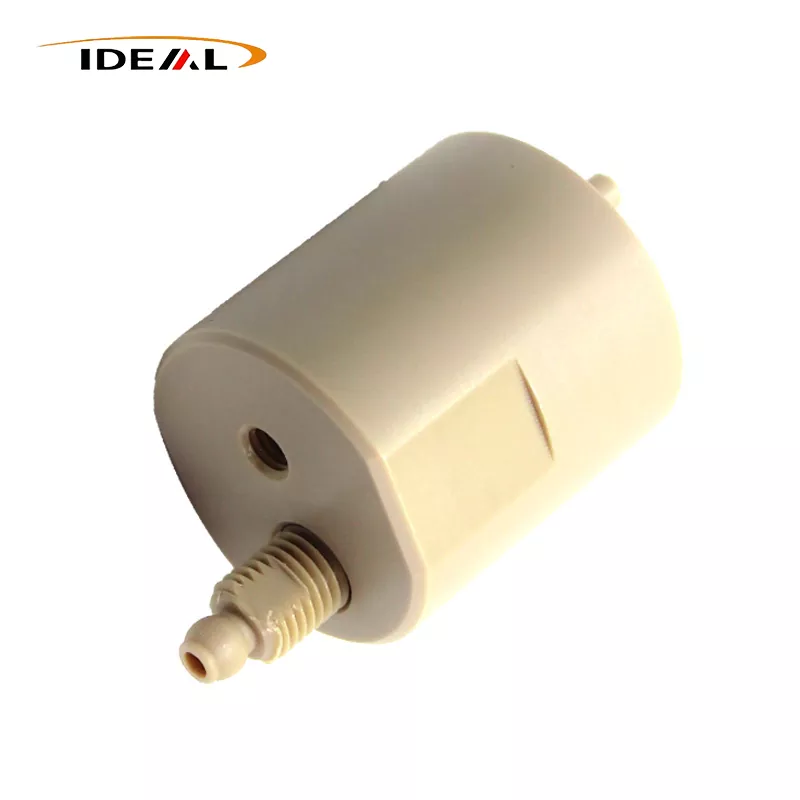
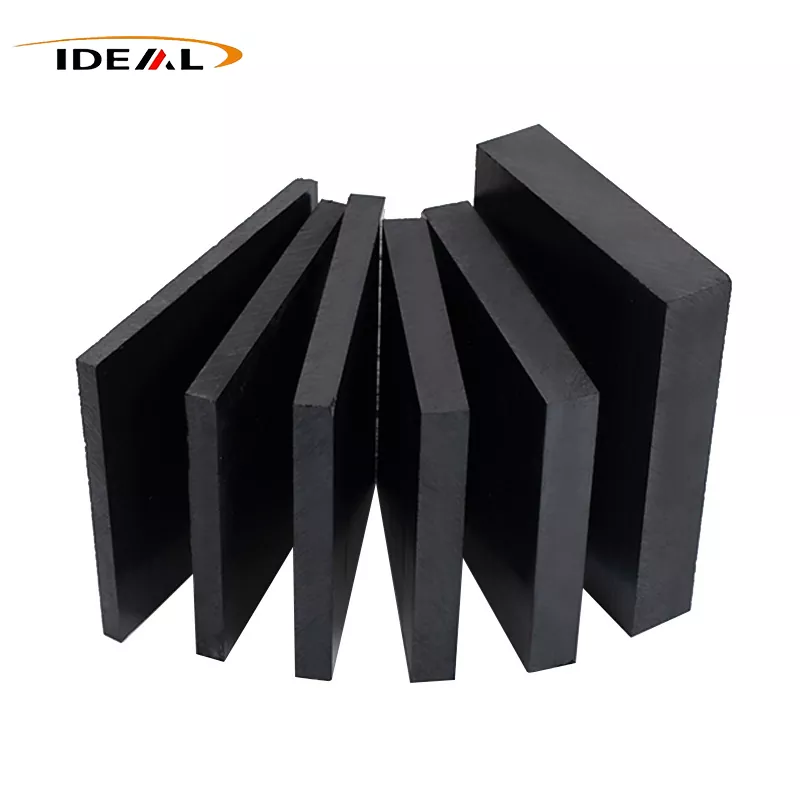
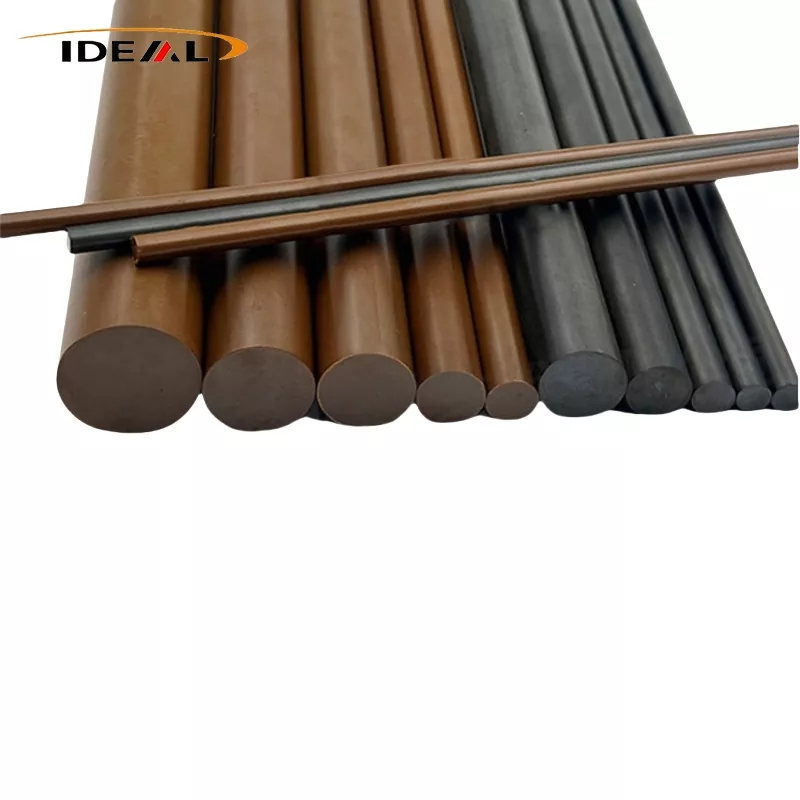
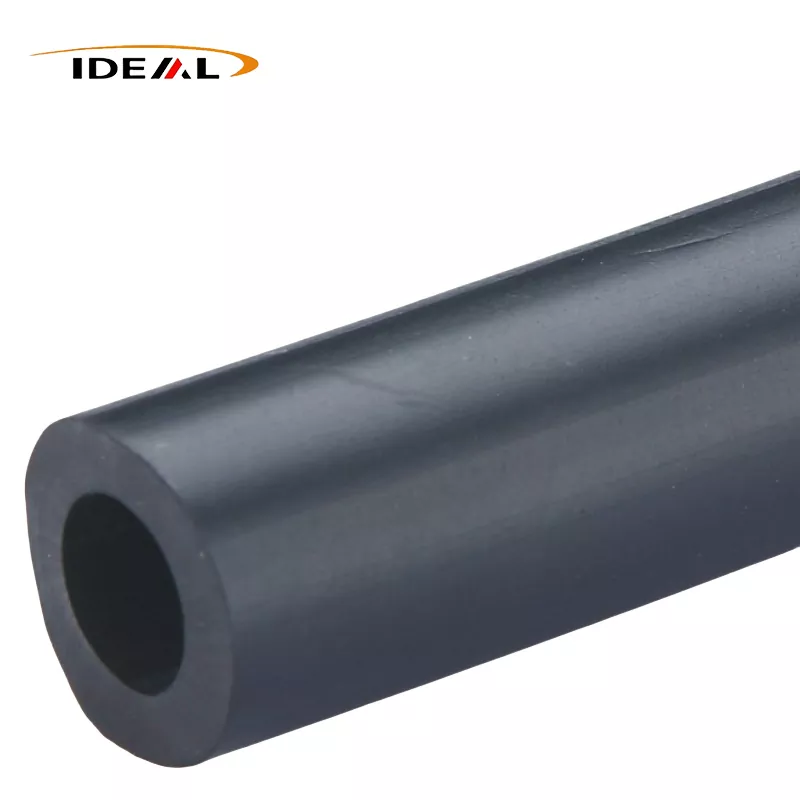
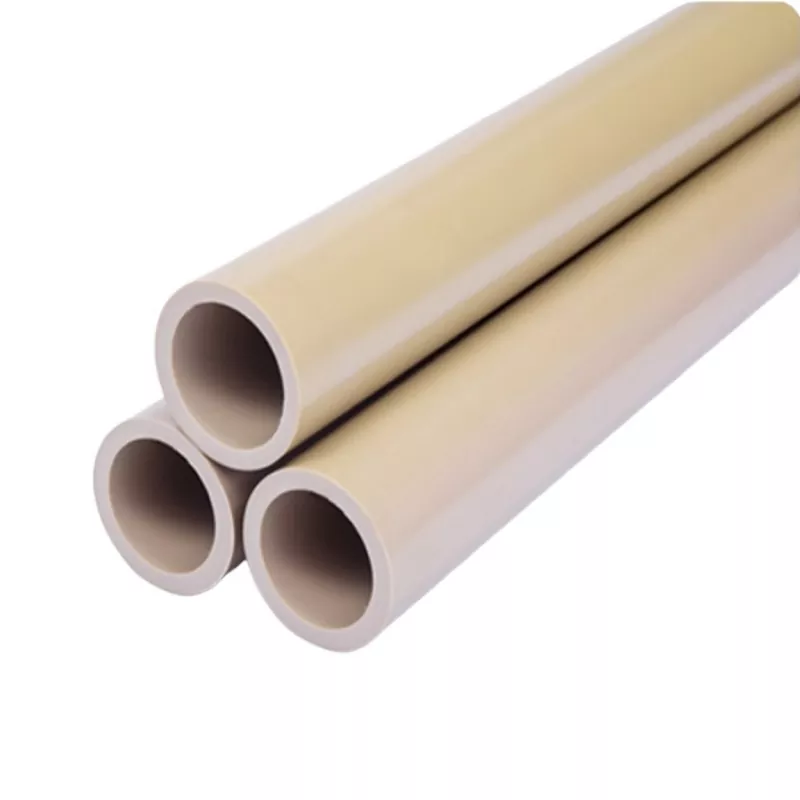
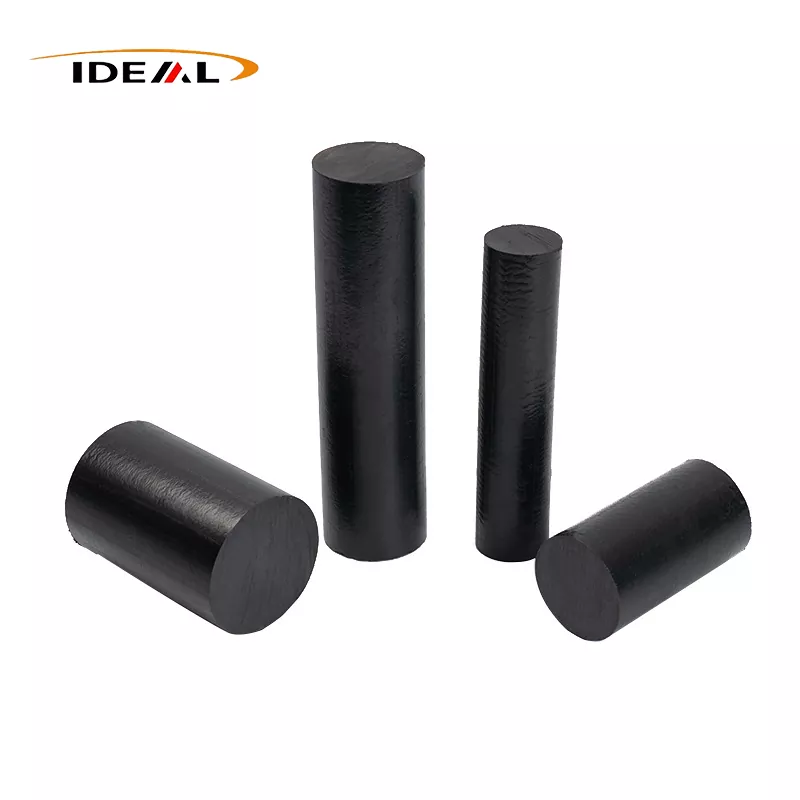
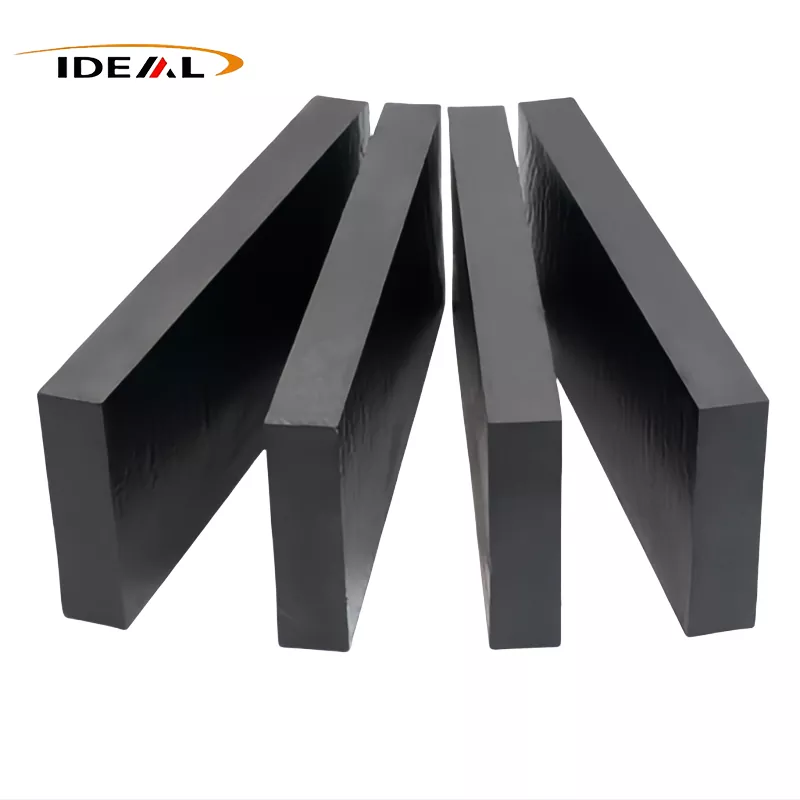
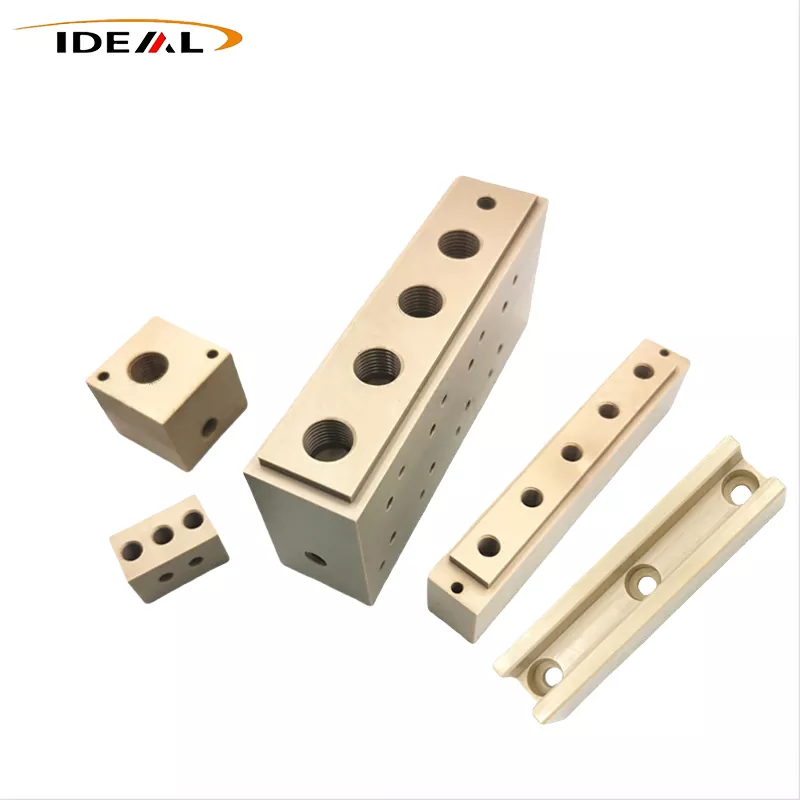
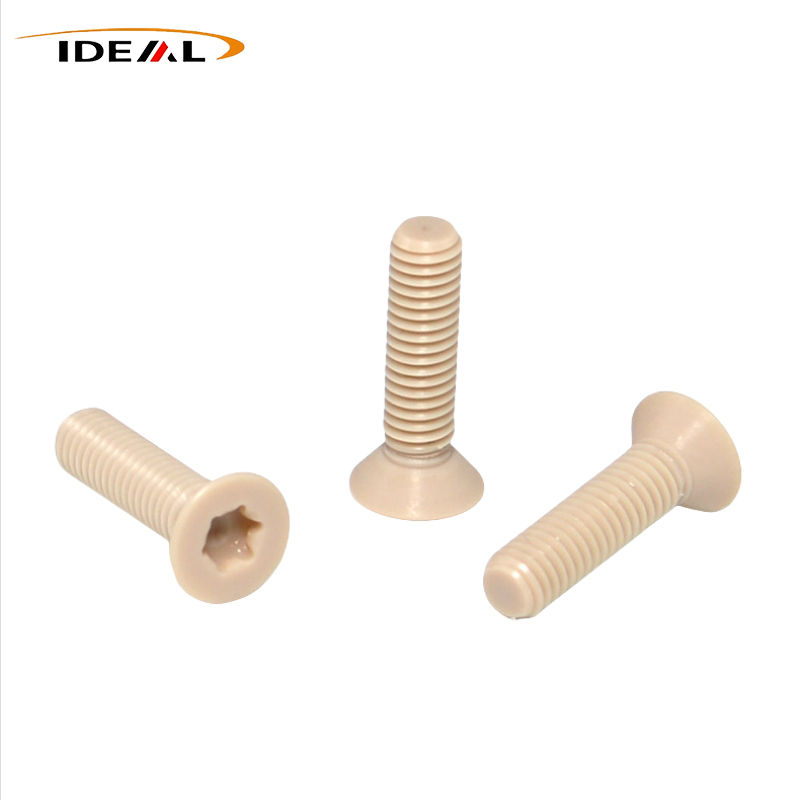
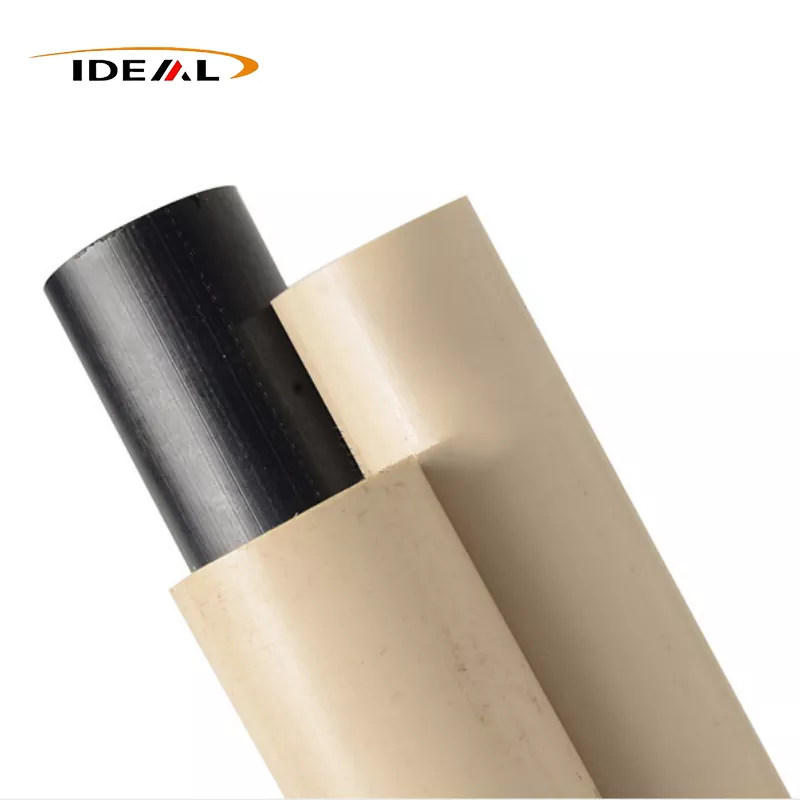
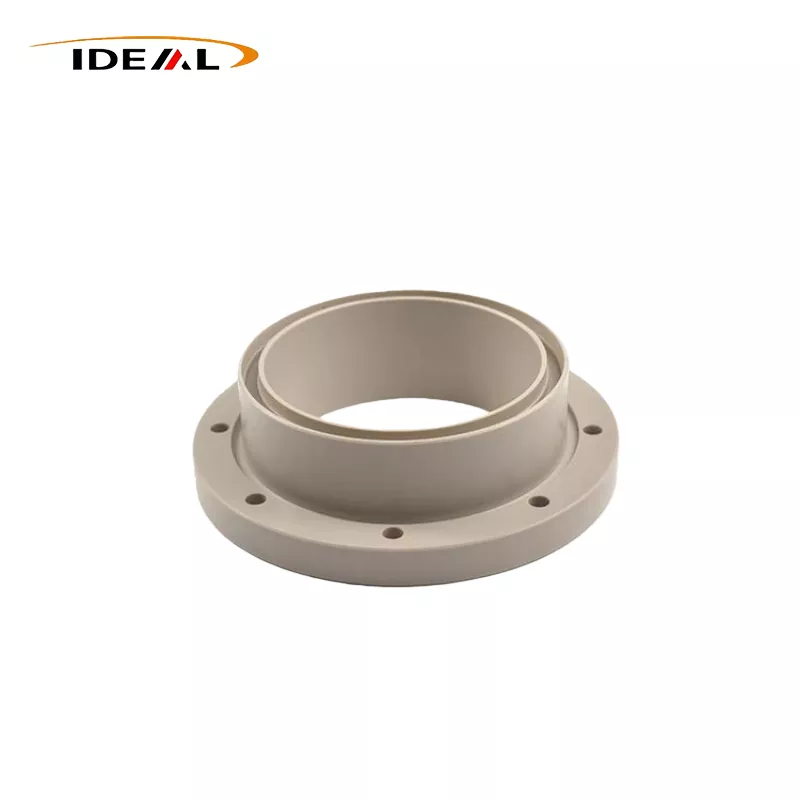
Polyetheretherketone machined parts, supplied by Ideal Plastic, are precision engineered plastic components manufactured with multi-axis CNC machining from premium PEEK raw stock. Every machined component preserves the intrinsic high-temperature, chemical and mechanical performance of PEEK resin, delivering tight dimensional accuracy for demanding industrial assemblies. Our factory combines strict raw material screening and in-house machining workflows to turn custom drawings and samples into finished parts for global industrial procurement.
Material Grades and Functional Performance
Different filler formulations create distinct performance traits for the parts, allowing engineers to select suitable grades for their operating environments. Each variant retains the core stability of PEEK base resin while being tuned to solve specific mechanical or tribological challenges in equipment design.
Pure PEEK Machined Components
Pure PEEK contains no added reinforcing fillers. It offers superior toughness and impact resistance among all PEEK variants. This grade meets food contact and medical application requirements, making it appropriate for assemblies that demand unmodified base material properties. Pure PEEK still has practical limitations including relative brittleness under high shear loads and higher material cost.
Fiber Reinforced PEEK Machined Components
This grade is separated into glass fiber reinforced and carbon fiber reinforced options.
1. Glass fiber reinforced: Glass fiber blends well with PEEK base resin, improving tensile strength, bending stiffness and wear resistance. It performs reliably under cyclic mechanical loads in general heavy machinery.
2. Carbon fiber reinforced: Carbon fiber brings lightweight structure, enhanced strength and good corrosion resistance. It reduces molding shrinkage and can introduce controlled thermal and electrical conductivity for specialized electronic assemblies.
Wear Resistant Bearing Grade PEEK Machined Components
This modified formulation mixes PTFE, graphite and carbon fiber into PEEK resin. Graphite increases load bearing capacity while PTFE provides built-in solid lubrication. The parts made from this grade maintain low friction coefficients under continuous motion and reduce component replacement frequency.
Selecting the right grade reduces premature failure and maintenance downtime. Ideal Plastic’s engineering team reviews operating temperature, load type and chemical exposure to recommend the optimal material grade for each custom machined part.
Technical Specifications and Material Comparison
The table below lists core parameters of polyetheretherketone machined parts and compares PEEK against other high performance thermoplastics for easy material selection.
| Product name | polyetheretherketone PEEK part |
| Material | Pure PEEK, fiber-reinforced PEEK, abrasion-resistant PEEK |
| Color | Nature,black and custom color |
| Size | ODM/OEM/Drawing |
| Tolerance | According to customer requirements |
| Forming method | according to product shape and order quantity |
| Minimum order quantity | negotiation |
| Lead time | 10-15 days |
| Material | Max Continuous Temp | Tensile Strength | Chemical Resistance | Typical Use |
| Polyetheretherketone | 260℃ | High | Excellent | Machined precision parts, medical, aerospace |
| PPS | 240℃ | Medium-High | Excellent | Pump housings, valve components |
| PEI | 220℃ | Medium | Good | Electrical insulators |


Key Physical Properties
These inherent material properties make polyetheretherketone machined parts suitable for harsh operating environments where conventional plastics cannot survive.
1. High temperature stability: Parts can sustain continuous working temperature up to 260℃ while retaining stable physical and chemical properties.
2. Stable mechanical stiffness: Pure PEEK elastic modulus reaches 3.6–4.0 GPa. Carbon fiber reinforced variants reach 15–20 GPa, glass fiber reinforced around 4–5 GPa. Dimensions stay consistent under thermal cycling and mechanical load.
3. Broad chemical inertness: Its molecular ether bond structure resists degradation from most acids, alkalis and solvents. The material does not corrode and maintains performance when exposed to water and oil.
4. Wear resistance: The material withstands repeated mechanical stress and heavy loads, extending service life under continuous friction.
5. Superior fatigue resistance: Among high performance thermoplastics, PEEK performs best under cyclic alternating stress, resisting fatigue failure over long run times.
6. Radiation tolerance: PEEK demonstrates outstanding resistance to X-ray radiation. It remains stable under beta radiation up to (0.1–12) × 10^6 Gy, only becoming brittle at extremely high X-ray doses above (1.0–1.2) × 10^7 Gy. It does not create artifacts during MRI, CT and X-ray imaging.
When designing equipment for continuous operation, these combined attributes reduce unexpected downtime and lower total ownership cost over the service cycle.
Industry Application Scenarios
The parts serve precision critical applications across multiple industrial sectors. Each industry leverages a different combination of PEEK properties to solve unique engineering challenges.
1. Semiconductor industry: Used for wafer handling components and insulating parts that demand low outgassing and high dimensional stability at elevated temperatures.
2. Machinery industry: Bushings, gears and sliding wear components running under heavy load and continuous friction.
3. Aerospace industry: Lightweight structural components replacing metal to reduce assembly weight while maintaining thermal and mechanical performance.
4. Medical equipment: Disposable and reusable instrument parts compatible with repeated sterilization cycles and medical imaging.
5. Food processing: Conveyor and pump parts meeting food contact requirements for hot washdown environments.
6. Chemical and Petroleum: Valve seats, sealing components and internal parts exposed to corrosive fluids and high heat.
Why Choose Ideal Plastic for Machining Service
Ideal Plastic places strict quality control through the whole manufacturing workflow. Starting with raw material procurement, each batch of PEEK stock receives full documentation. Our factory uses multi-axis CNC machining centers, laser cutting tools and dedicated profile processing equipment. The in-house technical team optimizes machining paths to reduce waste while preserving material performance. This integrated workflow stabilizes quality and controls costs for bulk and low-volume custom orders alike.
FAQ
Q: What business does Ideal Plastic mainly carry out?
A: We are Guangzhou Ideal Plastic Technology Co., Ltd. Founded in Hong Kong in 2011, our manufacturing factory is located in Huangpu District, Guangzhou. We specialize in semi-finished profiles of high performance engineering plastics including PEEK, PAI, PI, PPS, PPSU and PEI. We also deliver CNC machining and injection molding services to produce finished custom components for global buyers.
Q: What machining equipment does your factory deploy?
A: Our workshop includes large profile extrusion production lines, multiple CNC machines, 4-axis and 5-axis machining centers, engraving machines, laser cutting devices and a 100,000-class cleanroom for injection molding production.
Q: Can you produce custom polyetheretherketone machined parts based on drawings or samples?
A: Yes. We accept drawing files in STEP, STP, STL, IGS and other standard 2D and 3D formats. Customers can also send physical samples for reverse engineering. Our technical team supports product modification and design optimization according to functional requirements.
Q: What is your minimum order quantity?
A: Semi-finished profiles can be supplied starting from one piece. MOQ for custom machined parts varies based on processing complexity and part dimensions, and can be negotiated individually for each project.
Q: Can I get material samples before formal order?
A: We can provide semi-finished profile samples for material performance testing subject to stock availability. Customers cover shipping fees. The material properties of samples match those of mass production polyetheretherketone machined parts.
Q: What is your typical production lead time?
A: Standard lead time for custom machined components is 10-15 working days after drawing confirmation. Lead time may adjust for highly complex geometry or special material grades.