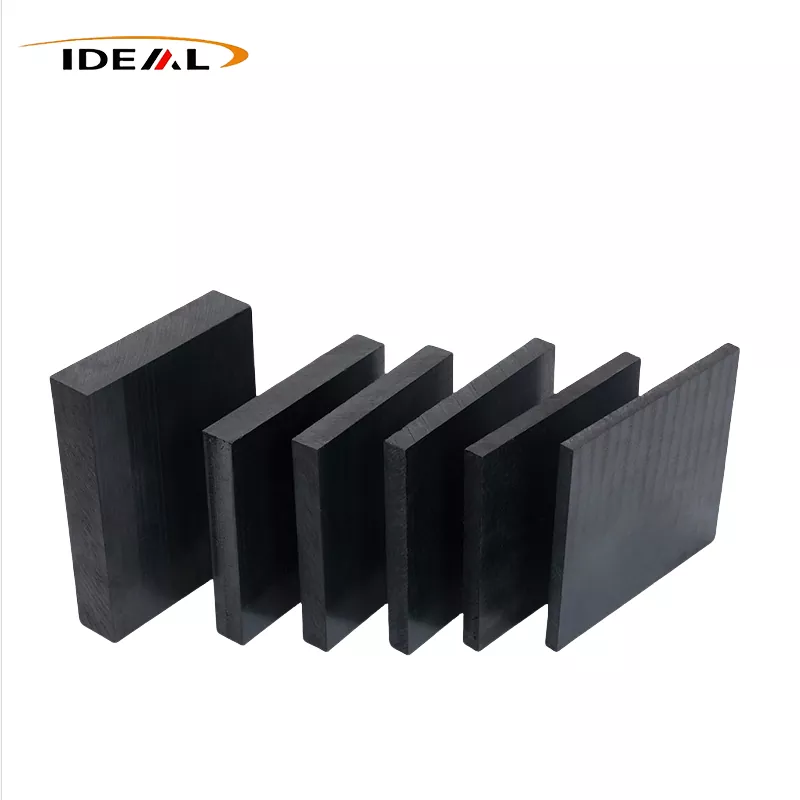
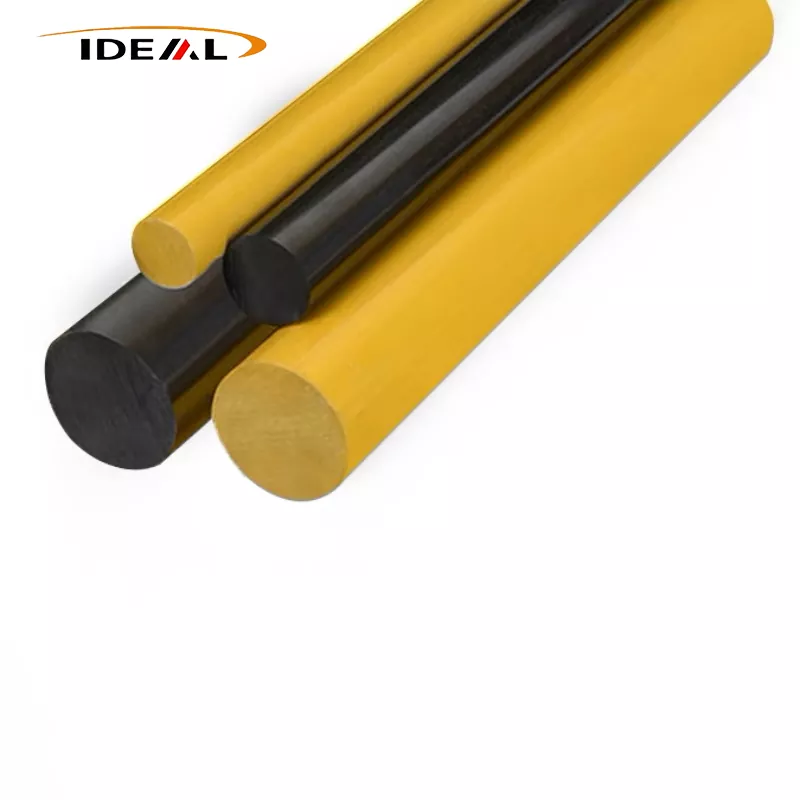
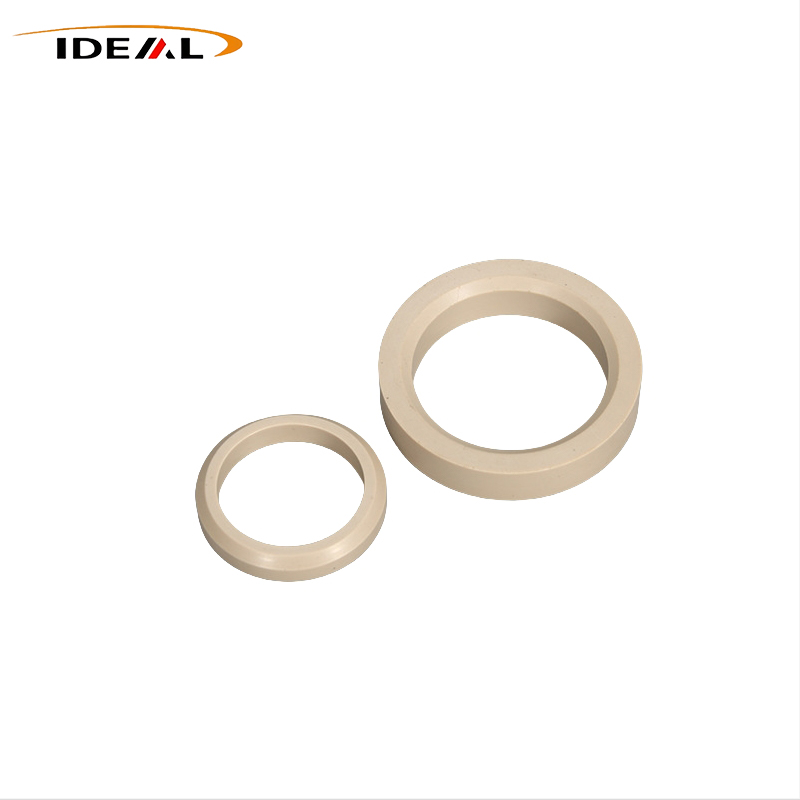
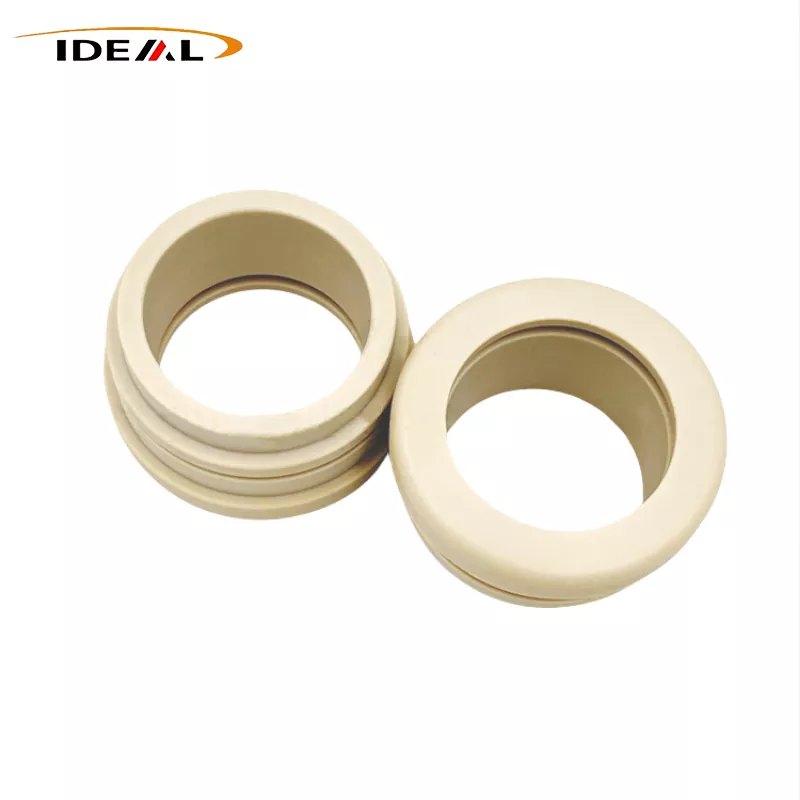
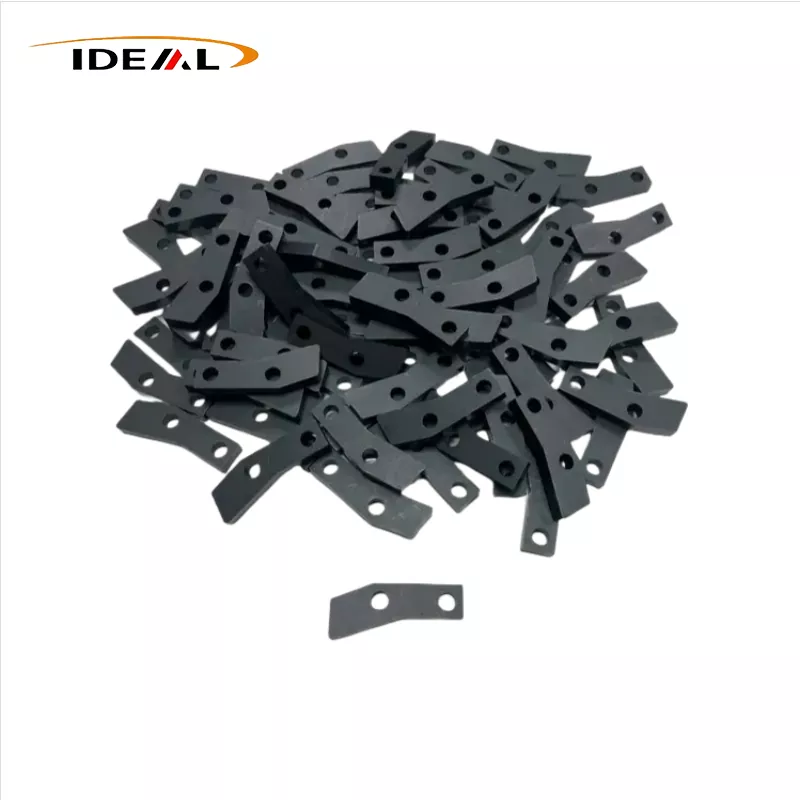
Torlon PAI 4301 rod

It adheres to the tenet ""Honest, industrious, enterprising, innovative"" to develop new products constantly. It regards customers, success as its own success. Let us develop prosperous future hand in hand for Torlon PAI 4301 rod,polyamideimide rod,Torlon PAI 4203 rod,Torlon PAI 5530 rod, Welcome your enquiry, most effective service will likely be provided with full heart.
Torlon PAI 4301 rod, At Current, our solutions have been exported to more than sixty countries and different regions, such as Southeast Asia, America, Africa, Eastern Europe, Russia, Canada etc. We sincerely hope to establish wide contact with all potential customers both in China and the rest part of the world.
Hot Products

  • Torlon Sheets

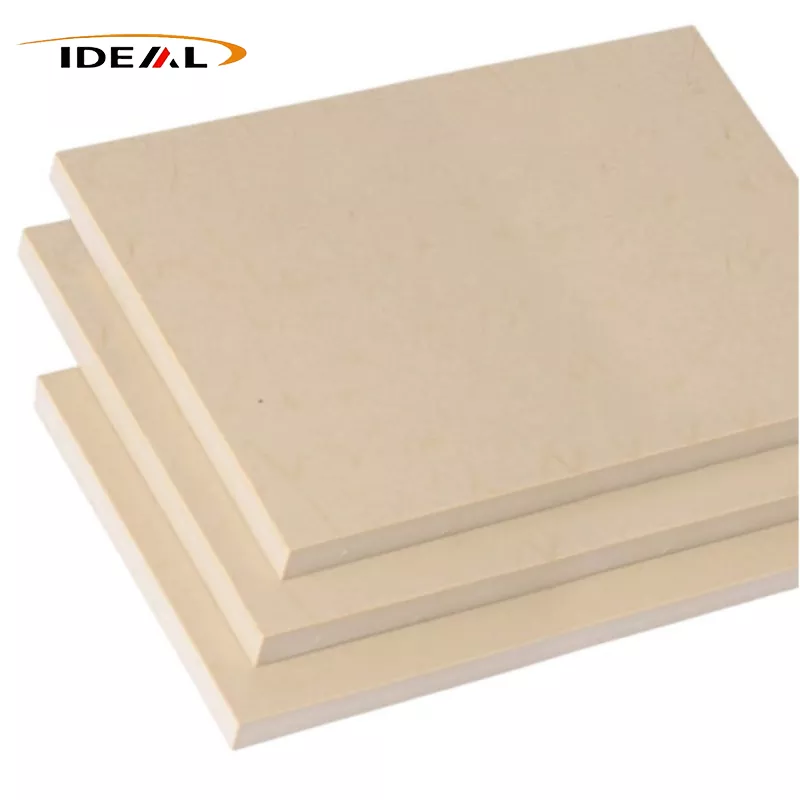
    Torlon Sheets

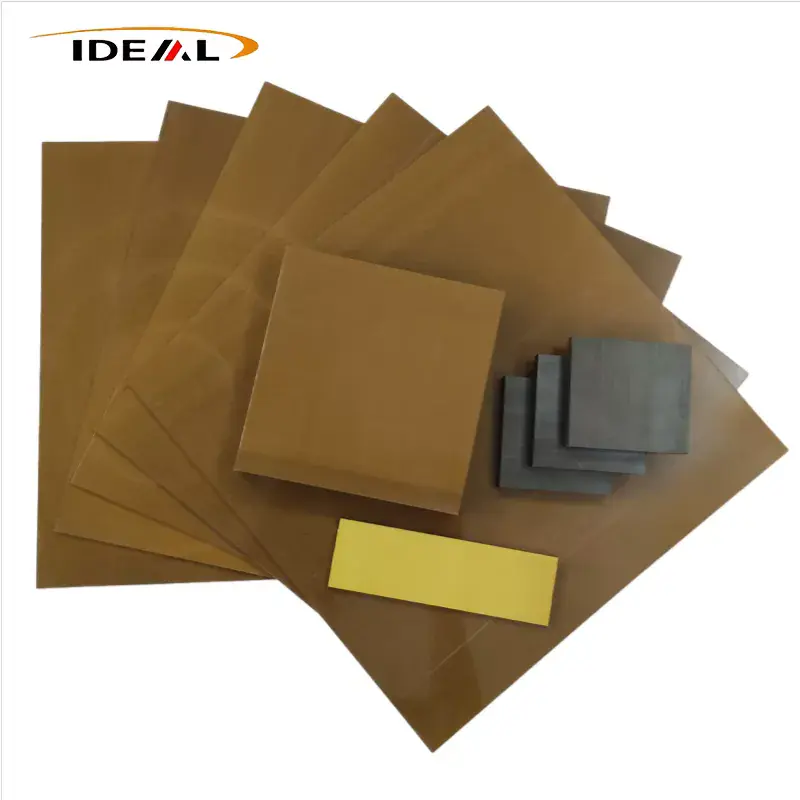
    Torlon sheets is a PAI plastic profile made from PAI resin—that’s polyamide-imide, an amorphous plastic. Basically, it takes the heat resistance and strength of a polyimide and blends it with the easier processing and toughness of a polyamide. Its key features are pretty clear: great heat resistance (works continuously at 250 °C), high resistance to heat deformation (load bending temp of 279 °C), solid mechanical performance—especially tensile strength and impact resistance—along with excellent fatigue life, flame retardancy, and wear resistance. It also handles high-pressure rupture well.
  • PEEK Socket Head Cap Screws

    PEEK Socket Head Cap Screws

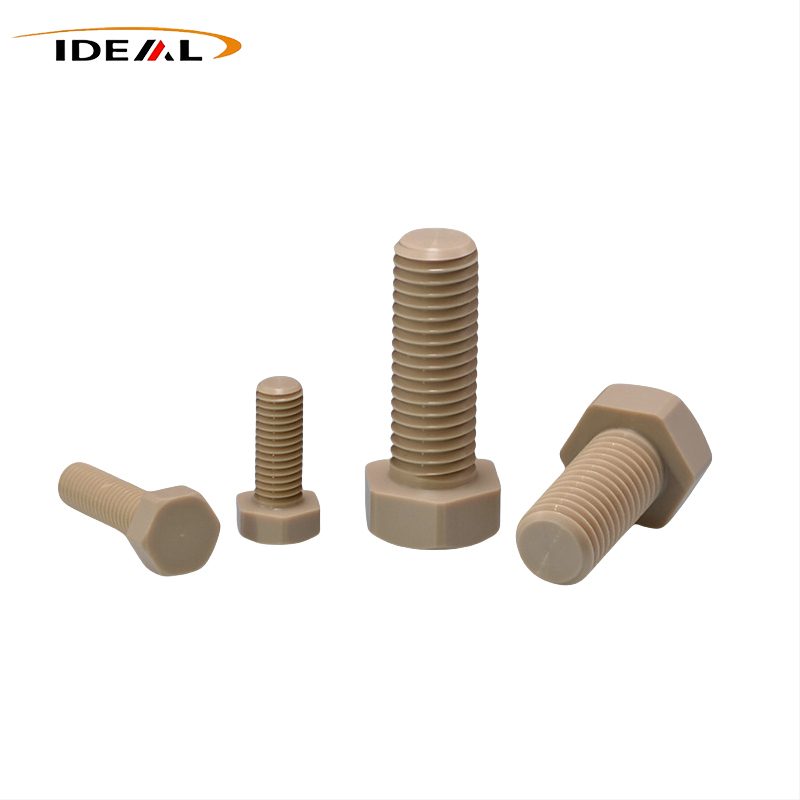
    As a reliable China manufacturer, Ideal Plastic supplies DIN912 / ISO 4762 PEEK Socket Head Cap Screws in neat, CF and GF grades. These non-magnetic, insulating fasteners resist heat and corrosion for semiconductor, chemical and new-energy precision equipment, with neat PEEK showing 8–12% stress relaxation per 1000h at 200℃.
  • Carbon Fiber Reinforced PEEK Plates

    Carbon Fiber Reinforced PEEK Plates

    Wholesale Carbon Fiber Reinforced PEEK Plates directly from Ideal Plastic, China's premier high-tech developer of carbon-filled polyetheretherketone profiles. By compounding high-modulus carbon fibers into a highly stable PEEK matrix, we manufacture semi-finished structural sheets that bridge the gap between high-performance polymers and aerospace-grade aluminum. Our in-house extrusion lines ensure absolute material homogeneity, providing global distributors and OEMs with high-stiffness, low-wear stock shapes optimized for demanding CNC machining.
  • PEEK Injection Molded Parts

    PEEK Injection Molded Parts

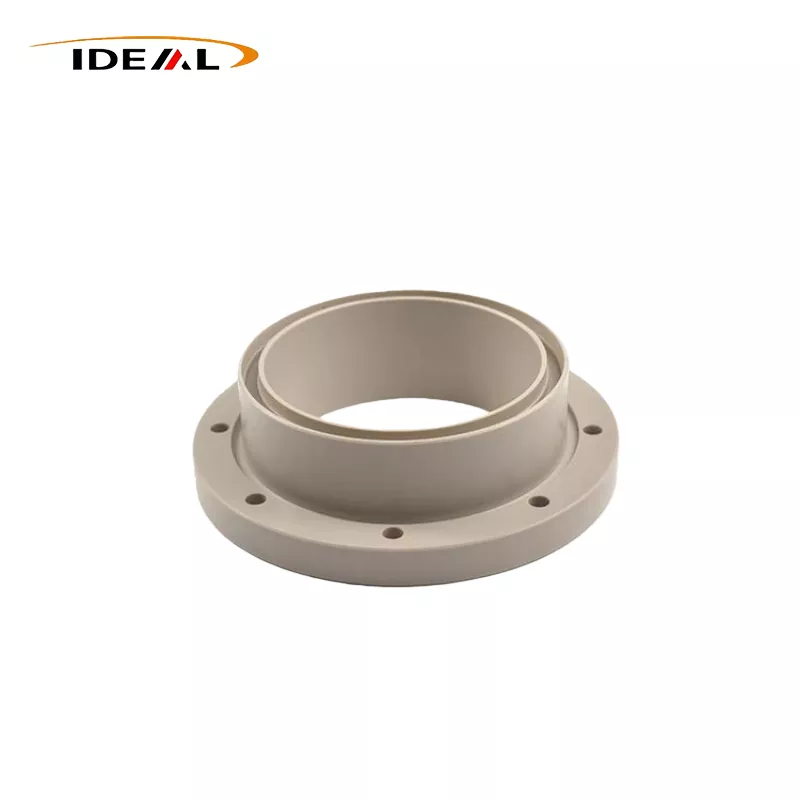
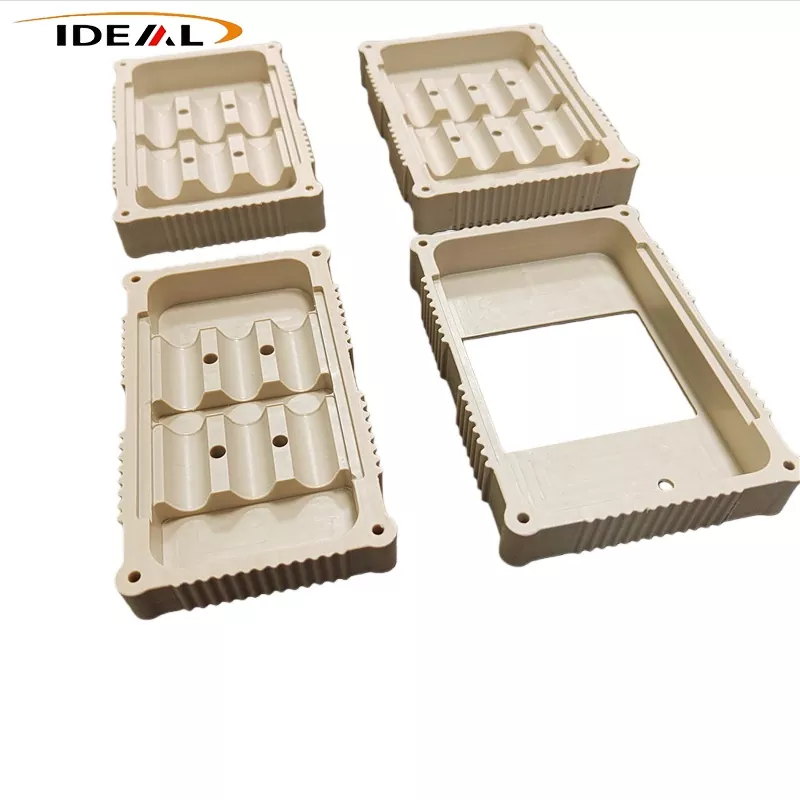
    The PEEK injection molded parts part made by Guangzhou Ideal Company uses PEEK material. So what’s PEEK exactly? It’s actually a high-performance specialty plastic—part of the polyaryletherketone family. You can think of it as a tough engineering plastic that’s really stable, handles high heat, stands up to chemicals and radiation, and is strong, wear-resistant, impact-resistant, and still easy to work with.
  • Polyetheretherketone PEEK Product

    Polyetheretherketone PEEK Product

    Alright, let’s break down what polyetheretherketone PEEK product is all about. This category covers things like PEEK profiles, injection molded parts, and machined components. By the way, PEEK stands for polyetheretherketone—it’s a super stable thermoplastic. Its molecular structure is made up of benzene rings connected by ether and ketone groups. That special setup is what gives PEEK its killer properties: heat resistance, radiation resistance, chemical resistance, and serious mechanical strength.
  • Polyetheretherketone PEEK Part

    Polyetheretherketone PEEK Part

    GuangZhou Ideal has been making the polyetheretherketone PEEK part product for more than fourteen years, so we’ve got a lot of experience under our belt. Let me quickly break down PEEK material for you: basically, it’s a high-performance specialty plastic. Its molecular chain is packed with benzene rings, and those rings are held together strongly by ketone and ether groups. All those benzene rings are what give PEEK such great heat resistance and mechanical strength.Inside, the material is semi-crystalline—meaning it’s made up of both amorphous and crystalline areas at the same time. Usually, the products we make have a crystallinity between 20% and 35%. But depending on the process we use, we can adjust that. We can go as low as completely amorphous (0%), or push it higher—up to around 48%.

Send Inquiry